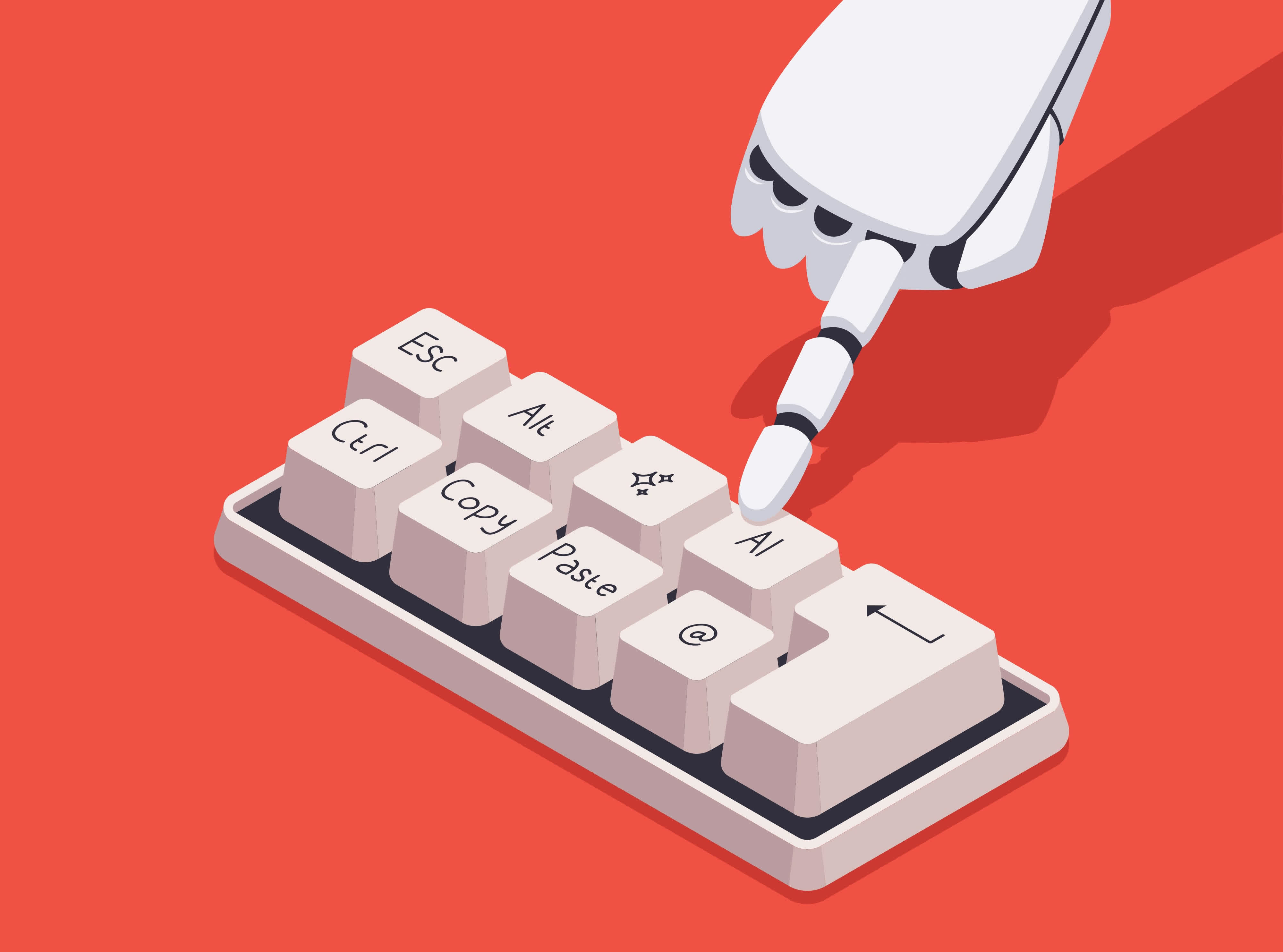
AI tools keep promising to democratize access - but if your team runs Linux, you already know that promise has some fine print.
The Quiet Gap Between "For Everyone" and What Ships
There's a phrase that appears in almost every AI product launch: "accessible to everyone." It gets used in keynotes, landing pages, and press releases. But when you look at the actual download buttons, a pattern emerges - Windows installer, macOS installer, and then... nothing. Or maybe a vague "coming soon" that sits there for eighteen months.
For a large portion of technical users, this isn't a minor inconvenience. Linux powers a significant slice of the developer and engineering world. It runs on cloud servers, research workstations, and the personal machines of many of the exact people AI companies say they're building for. When a product skips Linux support, it isn't skipping a niche - it's skipping a technically sophisticated audience that could serve as early adopters, advocates, and real-world stress-testers.
This matters beyond Linux specifically. It's a symptom of a broader pattern in AI product development: tools get designed around the most convenient or commercially visible users, and the edges of that audience quietly get deprioritized. If you're building products or making purchasing decisions, that pattern is worth understanding.