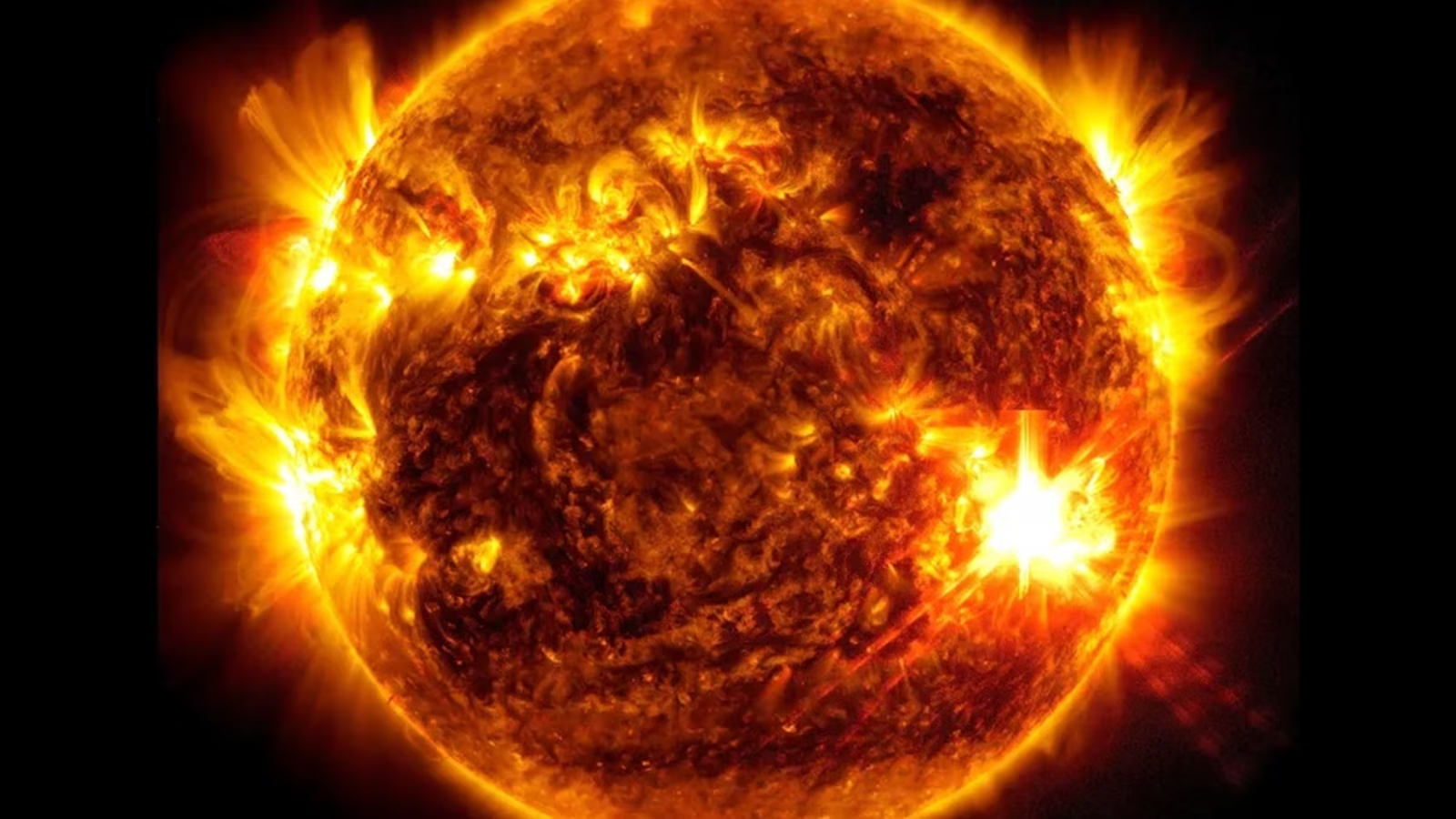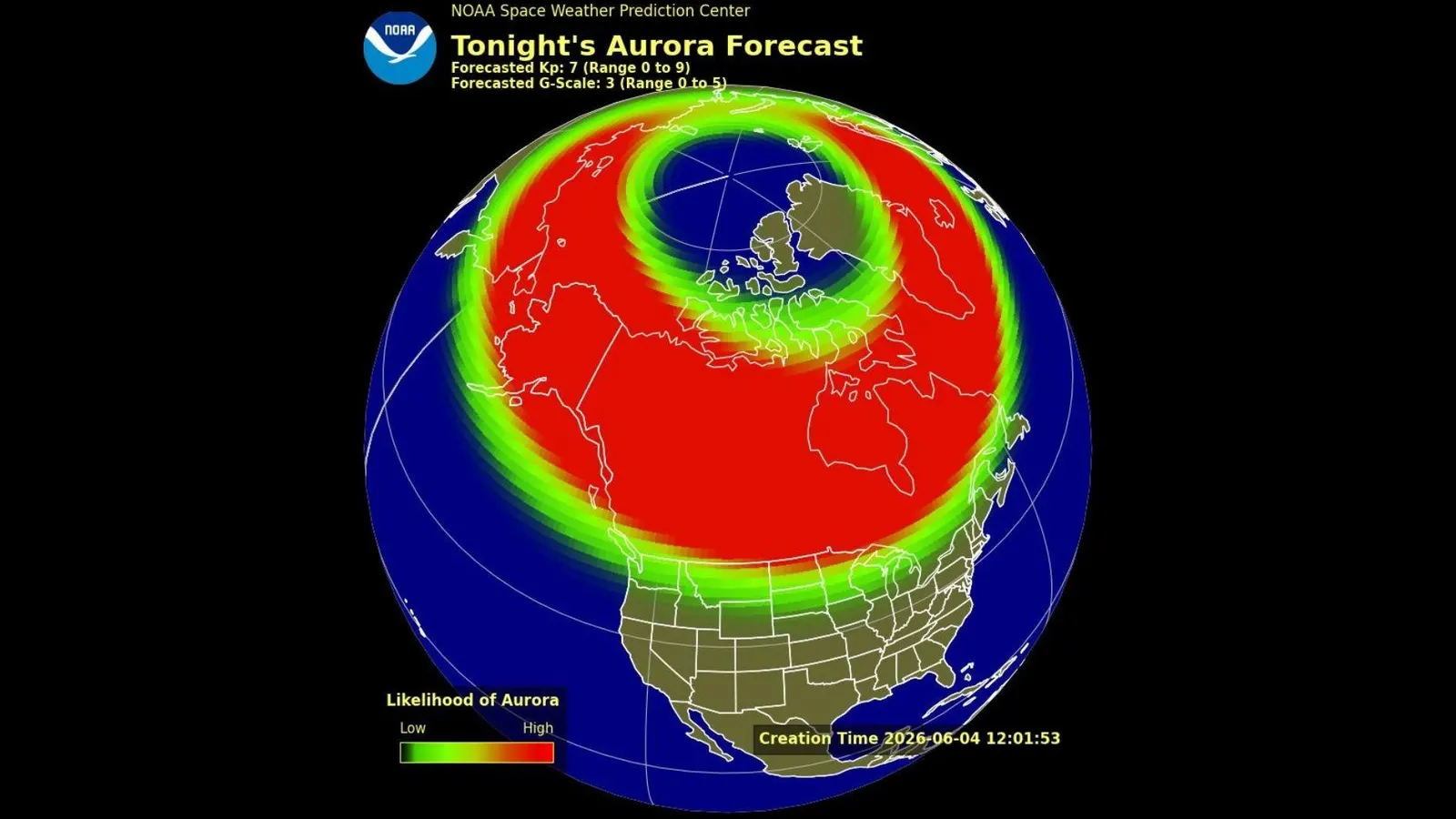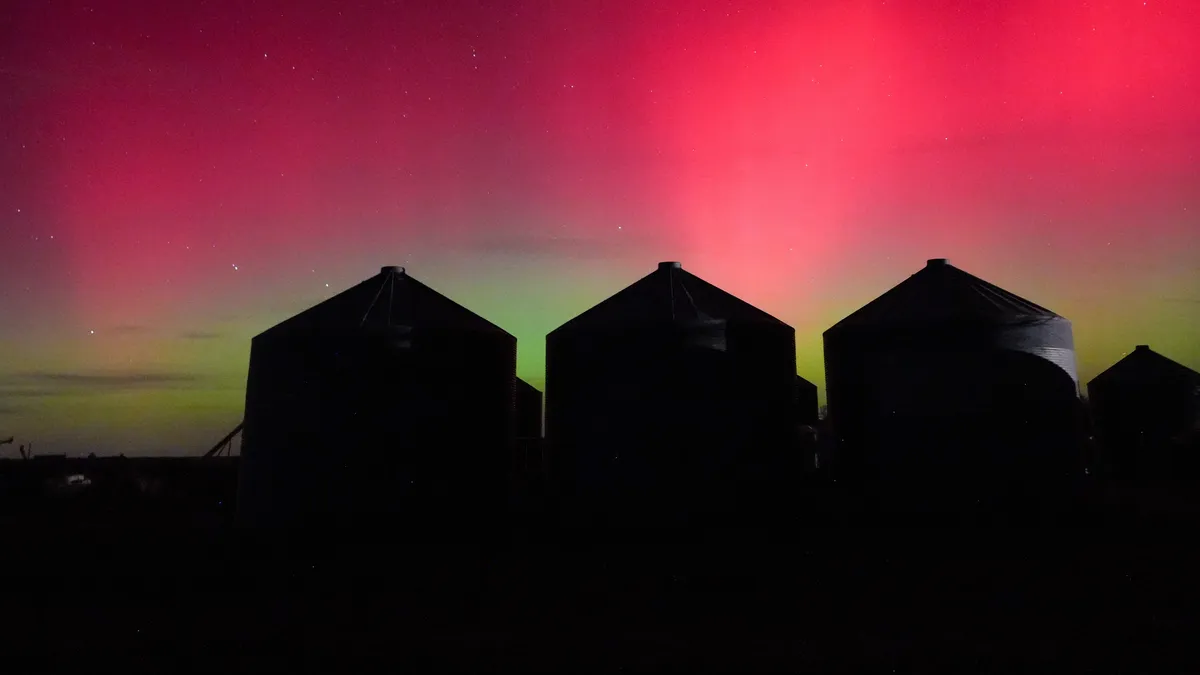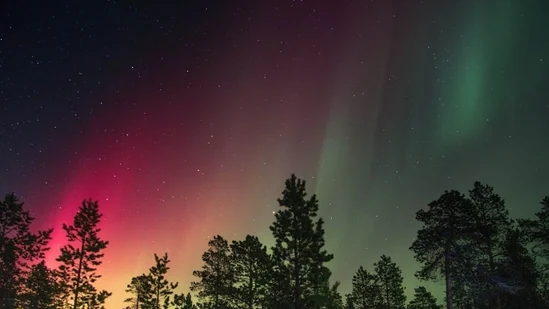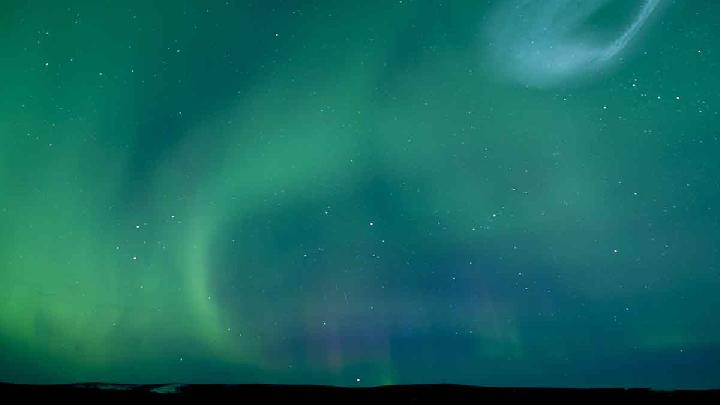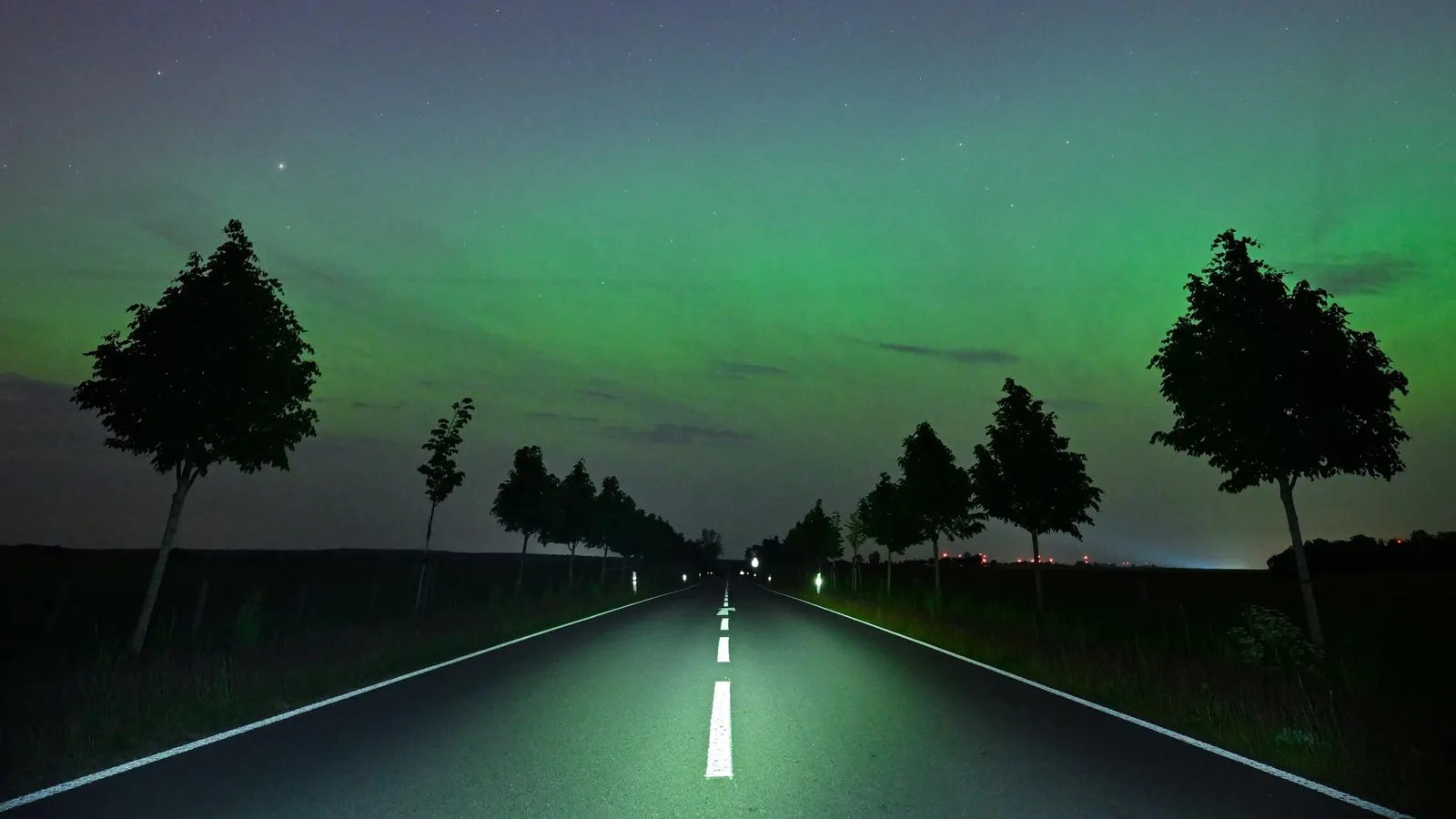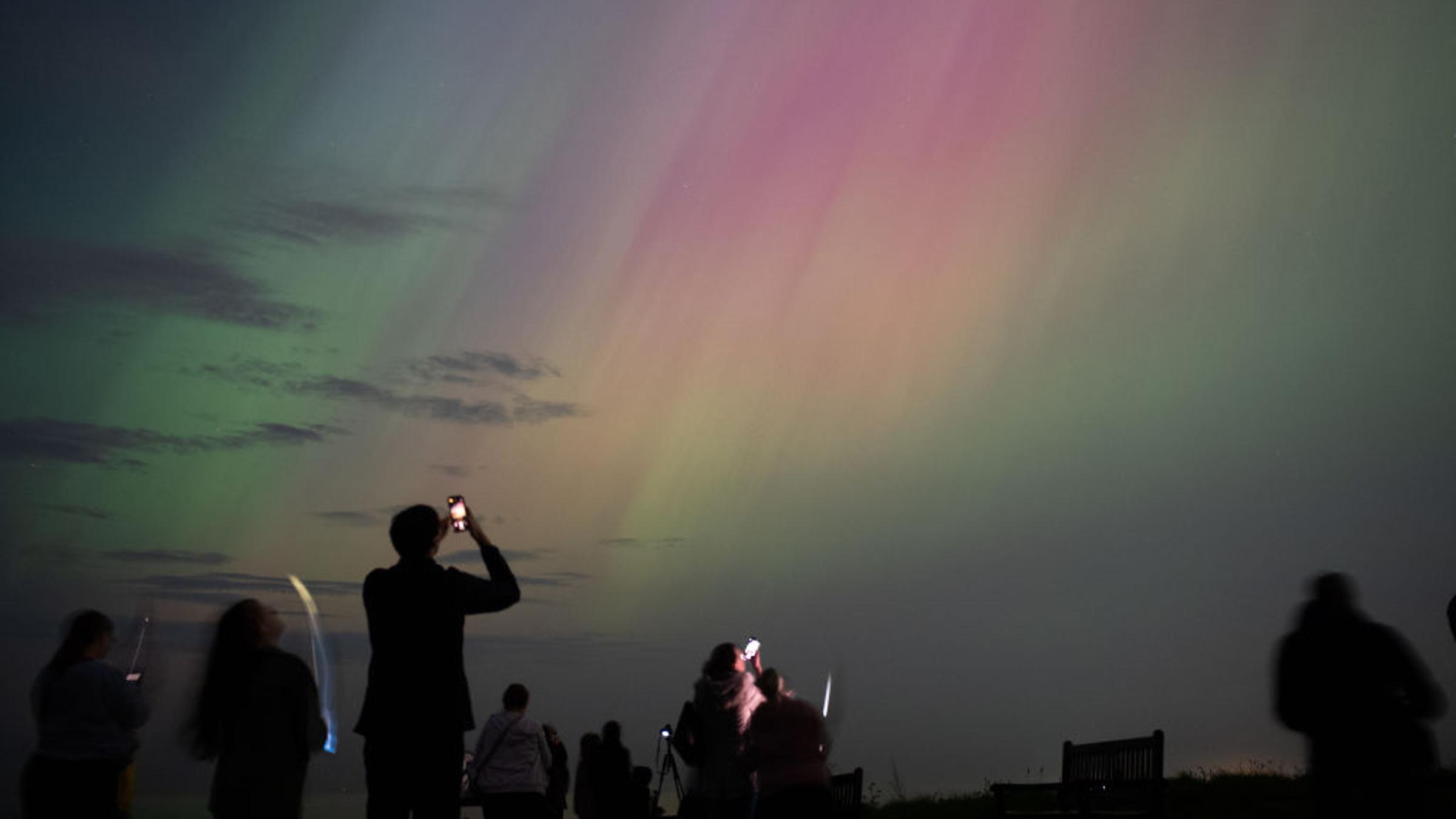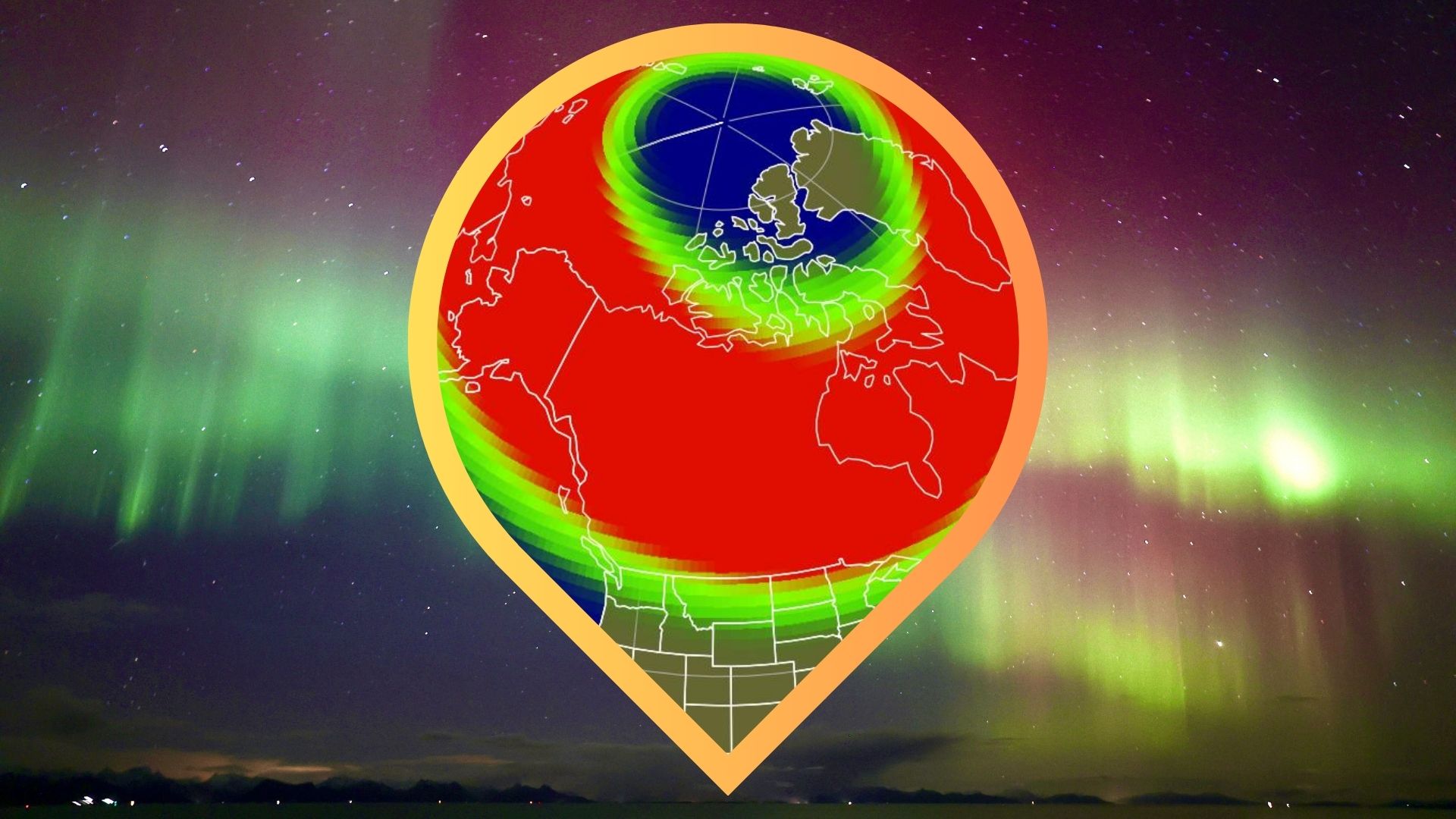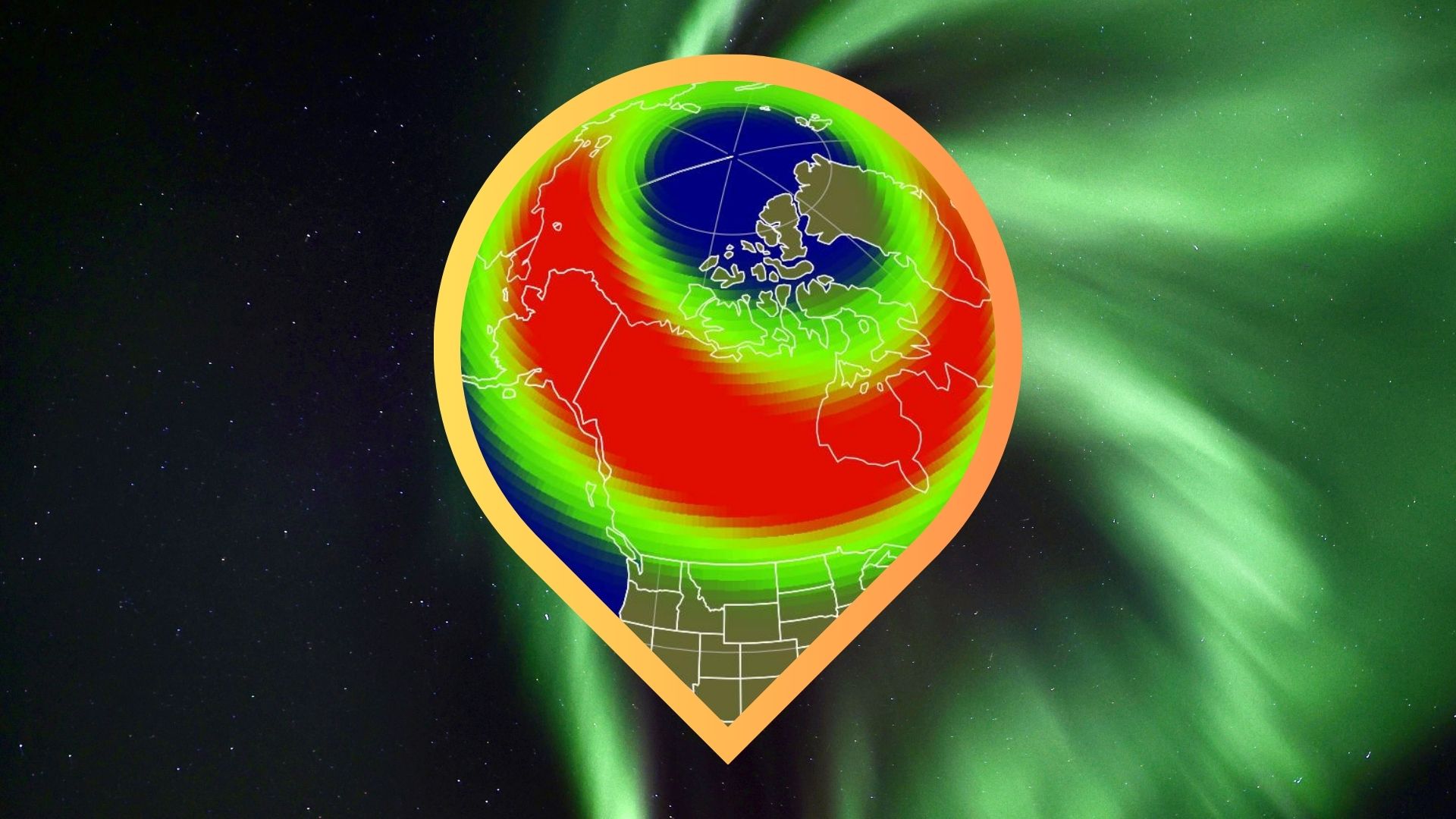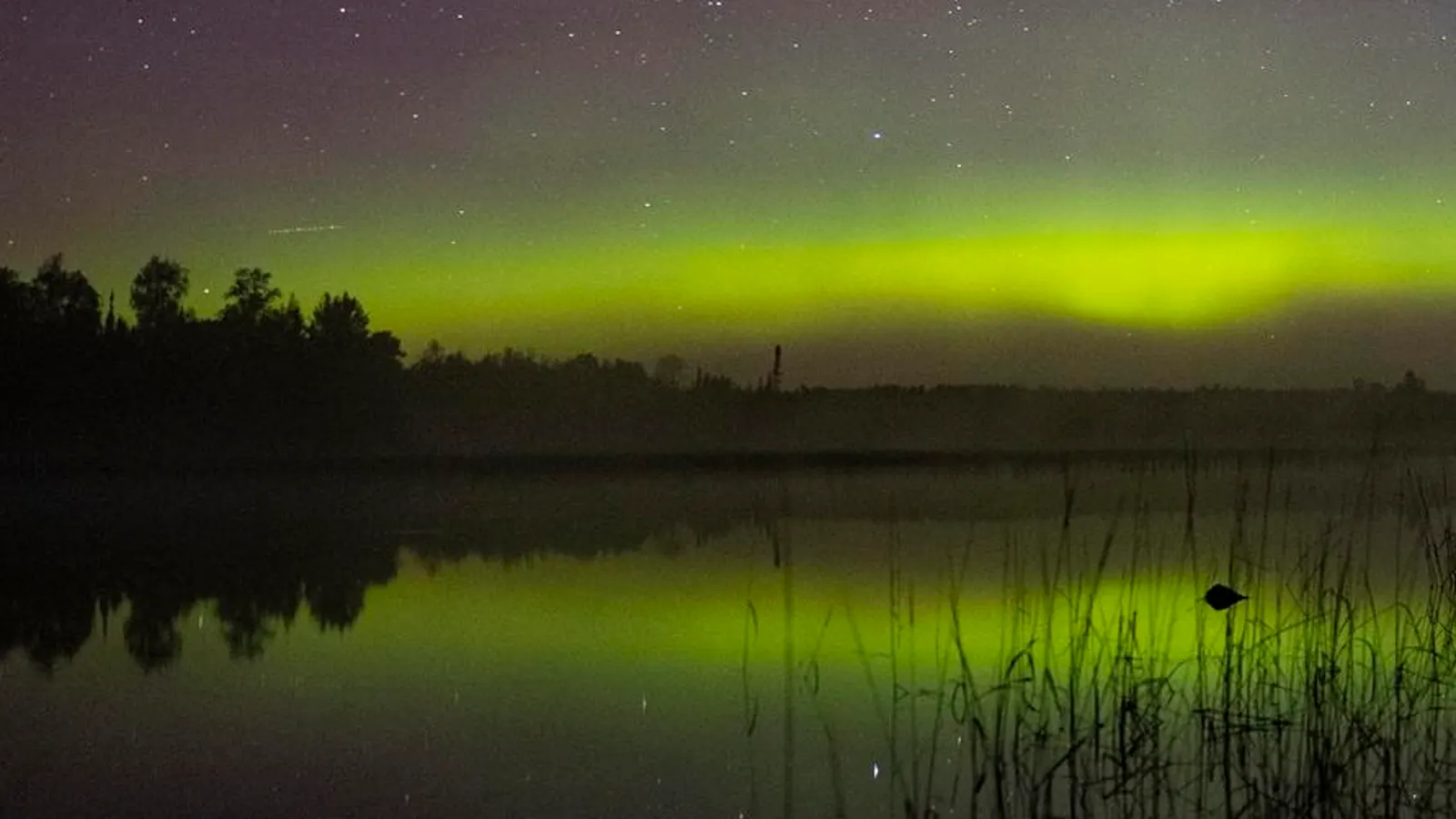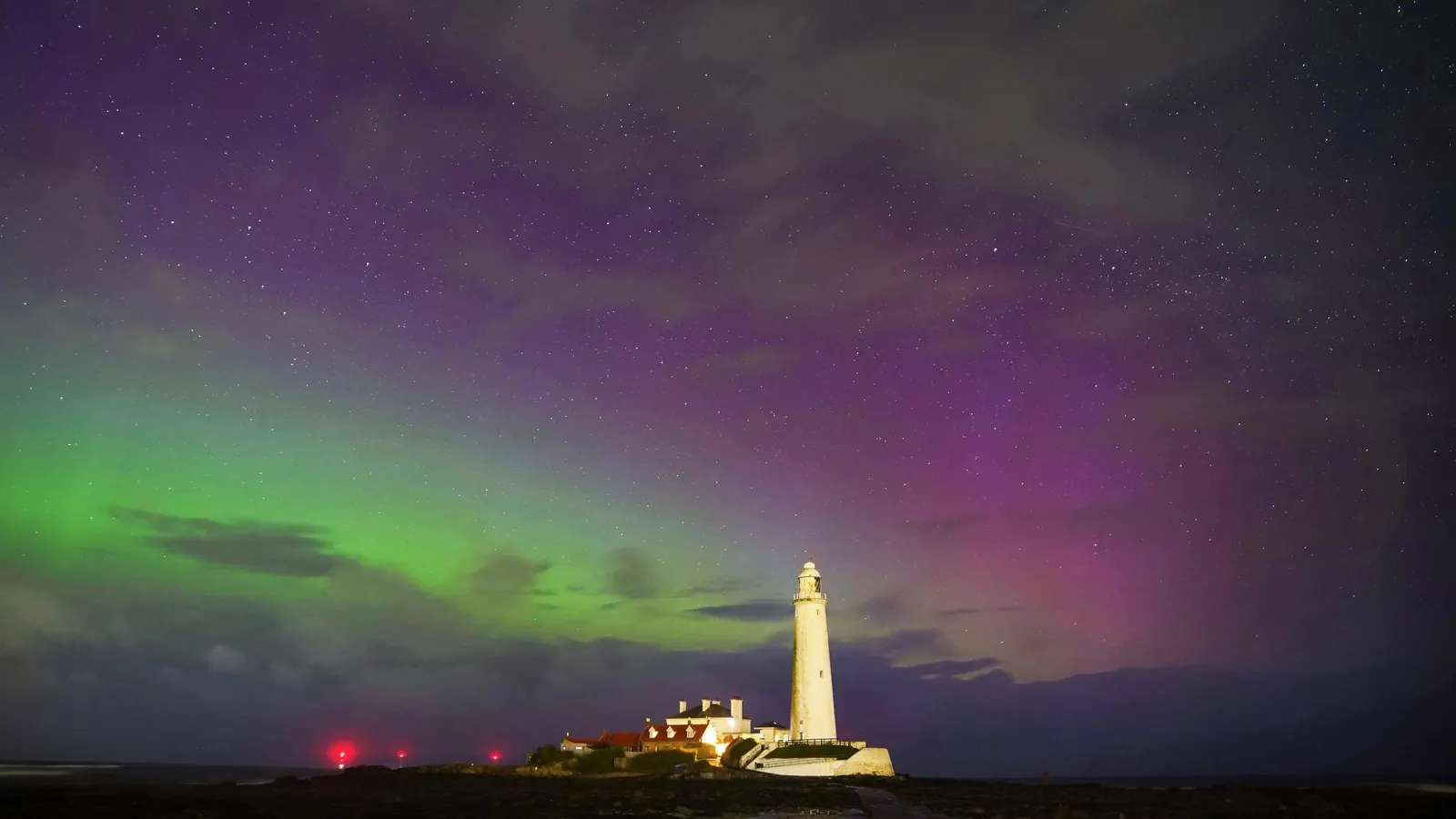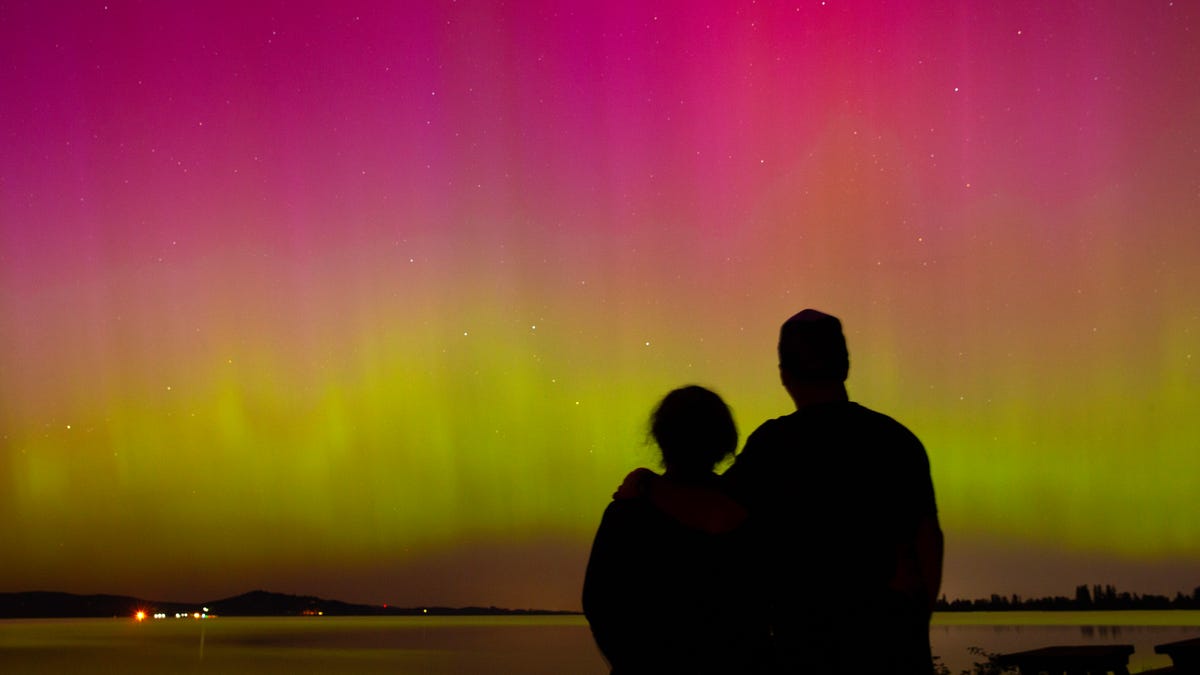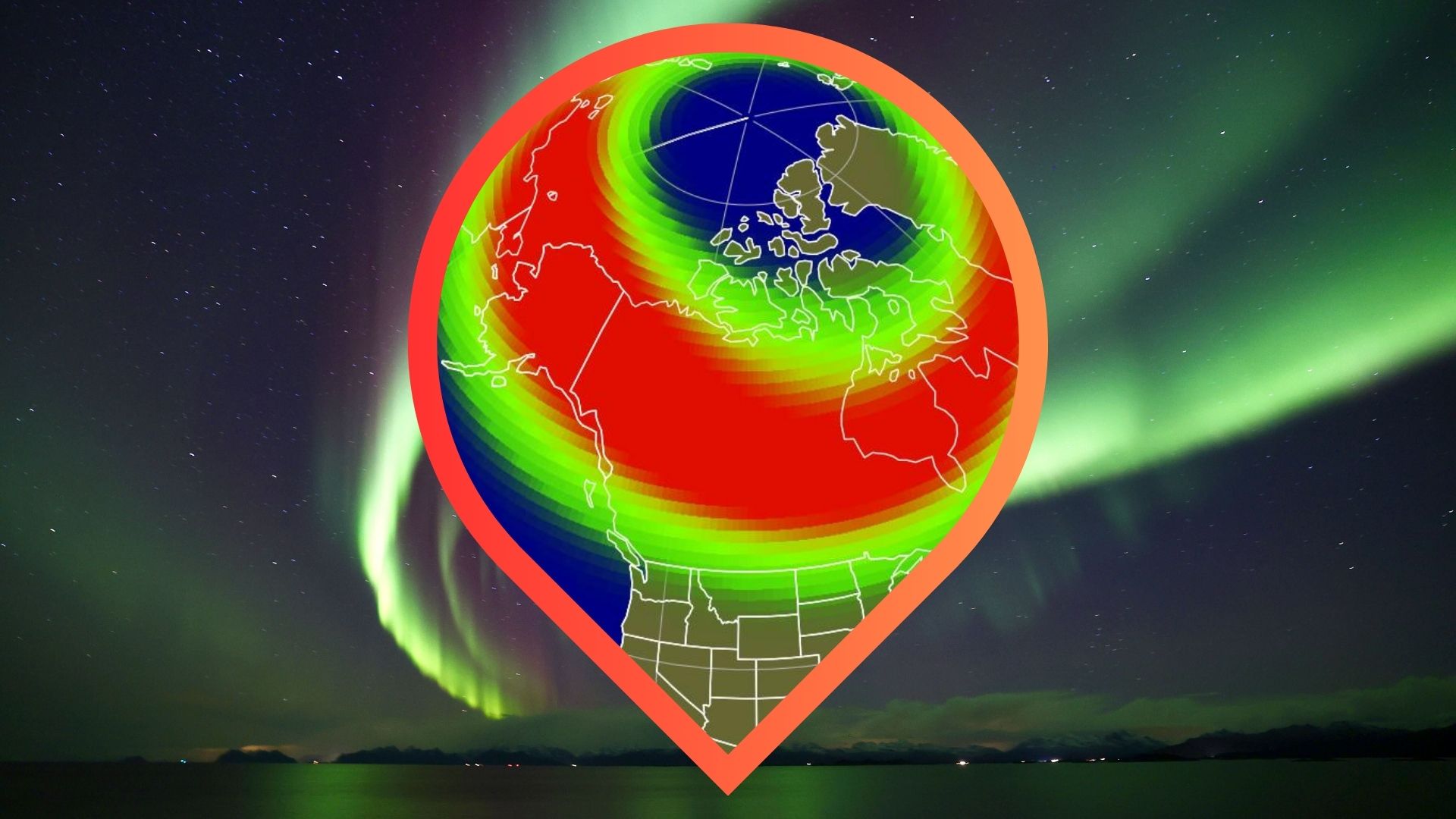
An incoming coronal mass ejection (CME) is expected to slam into Earth's magnetic field today (June 8), potentially triggering geomagnetic storm conditions strong enough to supercharge auroras into mid-latitudes.The CME erupted from the sun on June 6 and is forecast to arrive early to midday GMT on June 8. Space weather forecasters from NOAA's Space Weather Prediction Center and the U.K. Met Office suggest the impact could spark minor to moderate (G1 to G2) geomagnetic storm conditions initially, possibly ramping up to strong (G3) levels later in the day.As such, NOAA has issued a G3 geomagnetic storm watch for June 8 and a G2 watch for June 9 as forecasters monitor the solar storm's approach. This is great news for aurora chasers.When can I see the northern lights tonight?The northern lights could become active at various times throughout June 8 as the incoming CME arrives.The strongest storm conditions are currently expected between 11 a.m. and 2 p.m. EDT (1500-1800 GMT), when a strong (G3) geomagnetic storm is possible. While a daytime peak is far from ideal for North American aurora chasers, it doesn't necessarily rule out a nighttime display. NOAA's Space Weather Prediction Center forecasts geomagnetic activity to remain elevated through the evening, with G2 conditions possible between 5 p.m. and 8 p.m. EDT (2100-0000 GMT), before gradually easing overnight.It's also worth remembering that CME arrival times can shift by several hours. If the solar storm arrives later in the forecast, the strongest geomagnetic activity could occur closer to — or even after — sunset for parts of North America, drastically improving viewing opportunities.
Incoming CME could spark impressive northern lights over the northern US tonight
A coronal mass ejection is currently racing toward Earth and could trigger G2 to G3 geomagnetic storm conditions on June 8, potentially boosting aurora displays across northern latitudes.
502 words~2 min read