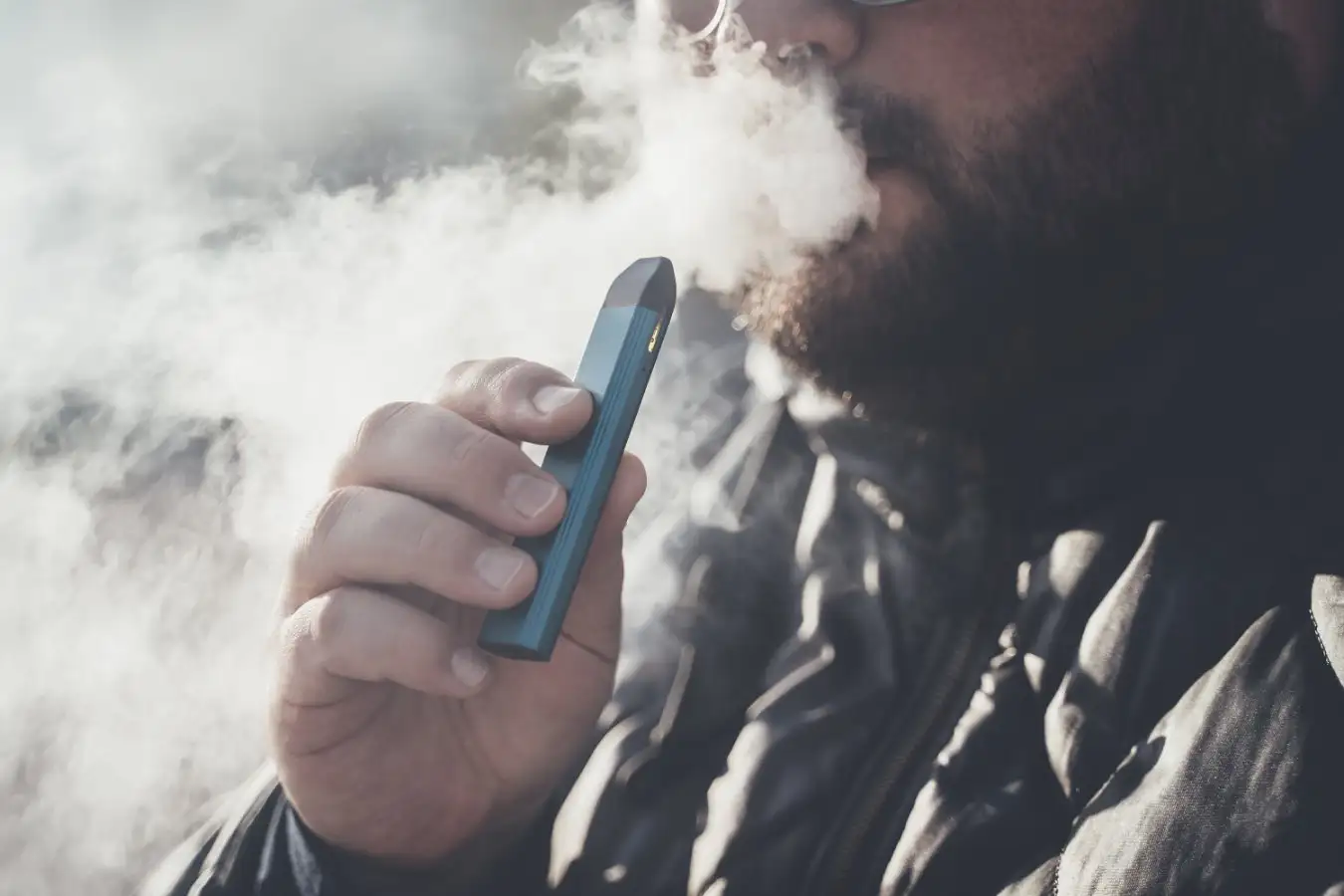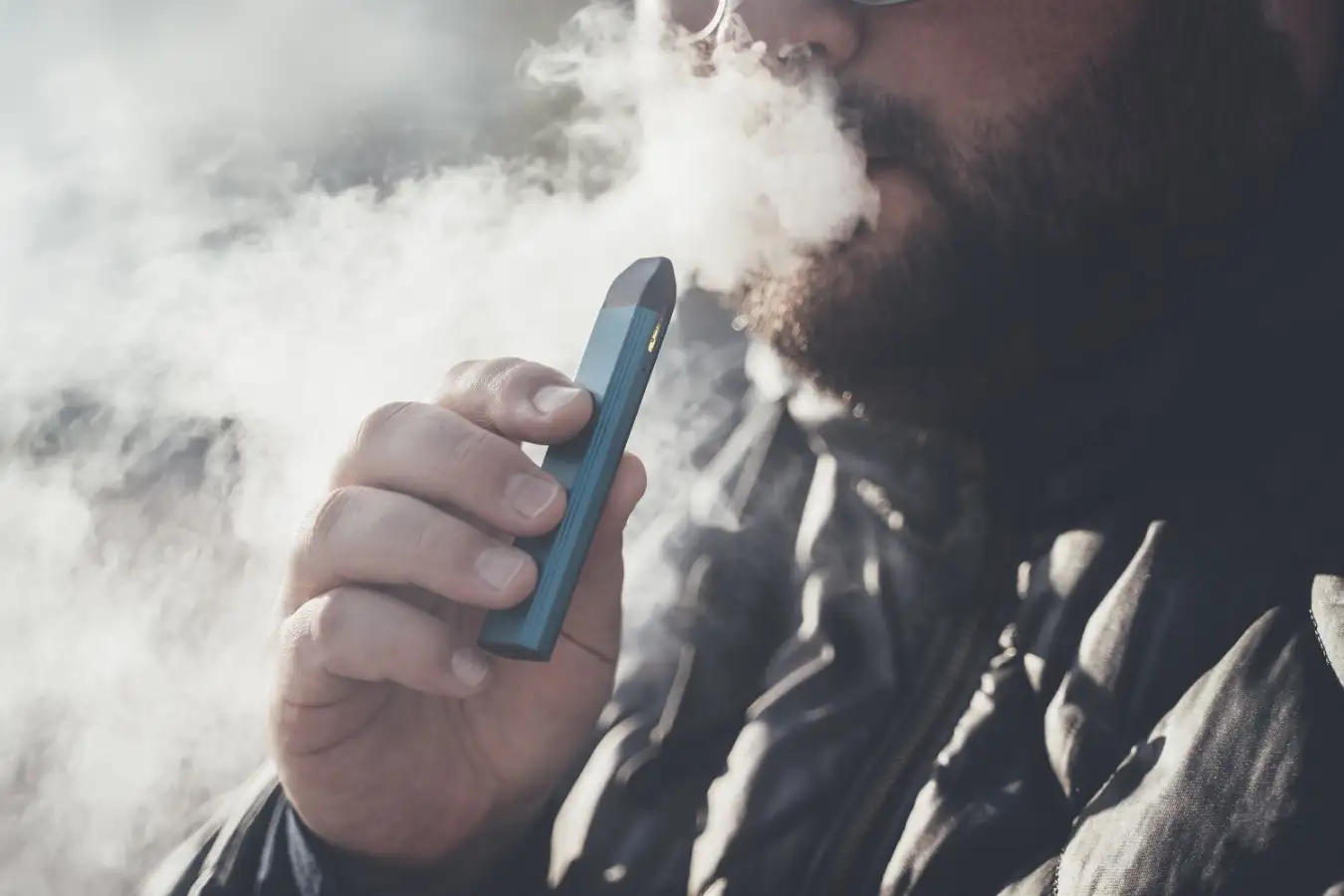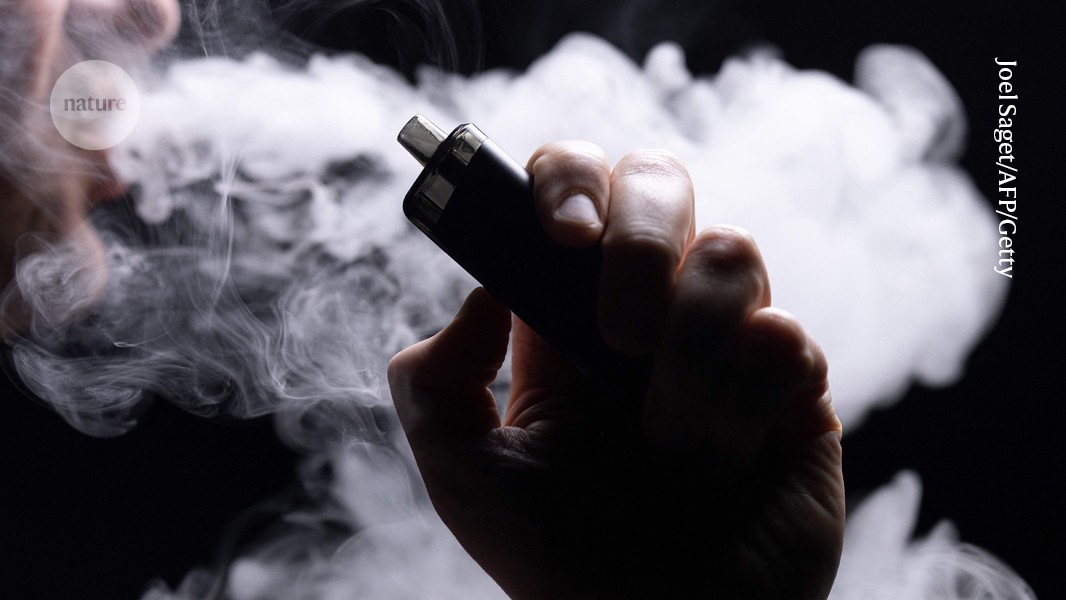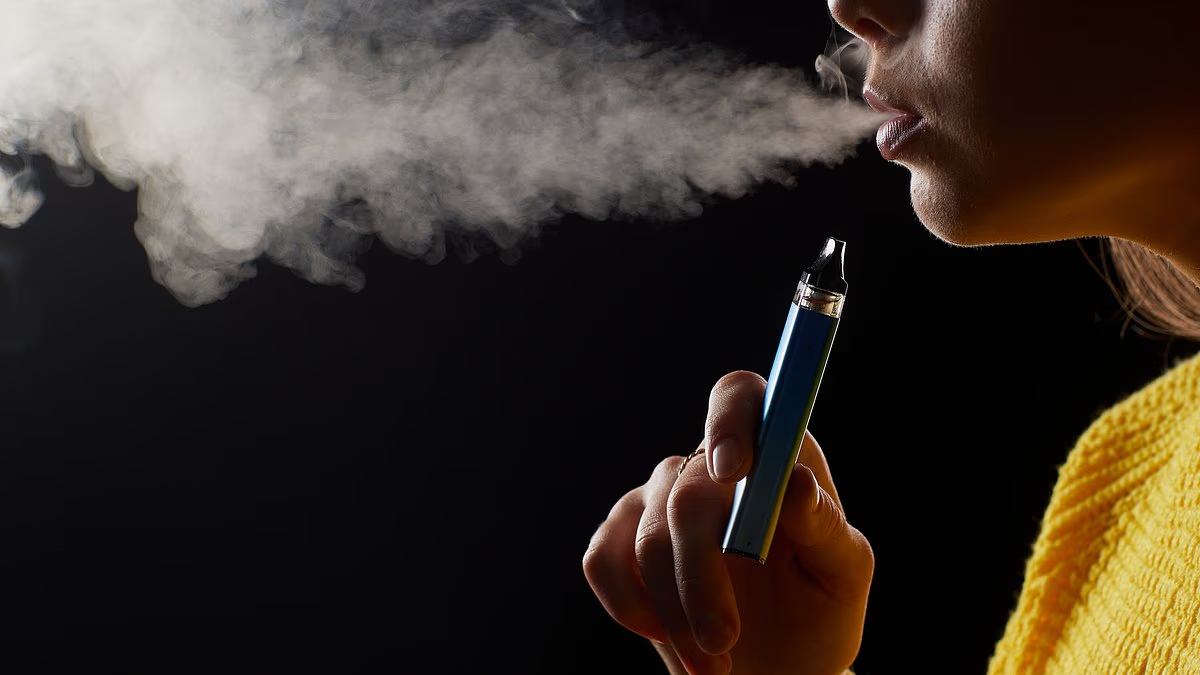
Despite being positioned as a tool for quitting smoking, swapping cigarettes for vapes may not significantly reduce the risk of lung cancer, new research suggests. Health chiefs have long suggested e-cigarettes are less harmful than traditional smoking products, but Korean researchers now say people who switch to vaping instead of quitting altogether are twice as likely to die from the disease. The study, involving more than 4.5 million ex-smokers, compared lung cancer risk in those who kicked the habit completely and those who took up vaping. Results showed those who vaped had a significantly higher risk of developing lung cancer and were more likely to die from the disease than those who stopped smoking without using e-cigarettes. The team concluded that while quitting smoking reduces the risk of lung cancer, vaping as a means to do so may reduce the benefits - particularly in over 50s. Writing in the journal Nature Medicine, Dr Yeon Wook Kim, study lead author and expert in lung cancer risk reduction, said: 'E-cigarettes are commonly considered a safer option than conventional cigarettes or a smoking cessation aid. 'However, increasing evidence reveals that e-cigarettes are associated with adverse outcomes in lung-health, including chronic obstructive pulmonary disease (COPD), asthma, and lung cancer.' The researchers are now calling on officials to reassess the potential harms of vaping when implementing stop-smoking campaigns. Evidence now suggests that vaping is not nearly as safe as once thought - with vaping as a means to stop smoking increasing the risk of lung cancer Given the long lag time between carcinogenic exposure and cancer development, the link between vaping and lung cancer risk in the general population has been difficult to quantify. To get around this, the researchers decided to analyse the effect of vaping on those at high risk of lung cancer. Only participants with significant cigarette exposure at the start of the study - who were up to 30 times more likely to develop the disease than never-smokers - were included. Using data from the South Korean National Health Insurance Service database, the team compared lung cancer risk in those who used e-cigarettes to help them quit and those who quit entirely. Participants were grouped based on how long they had smoked for in pack years - calculated as packs smoked per day multiplied by years smoking - how long they had quit for, and vape-use. Those who took up vaping after smoking tended to be younger, had fewer pack years, and fewer health problems. During the study, 35,887 participants were diagnosed with lung cancer, 110,346 died of any cause and 12,807 died from lung cancer specifically. Compared with ex-smokers who gave up smoking entirely, those who swapped to vaping were significantly more likely to develop, and die from, the disease.
Swapping cigarettes for vapes doesn't slash risk of lung cancer
Despite being positioned as a tool for quitting smoking, swapping cigarettes for vapes does not significantly reduce the risk of lung cancer , a new study has found.
827 words~4 min read