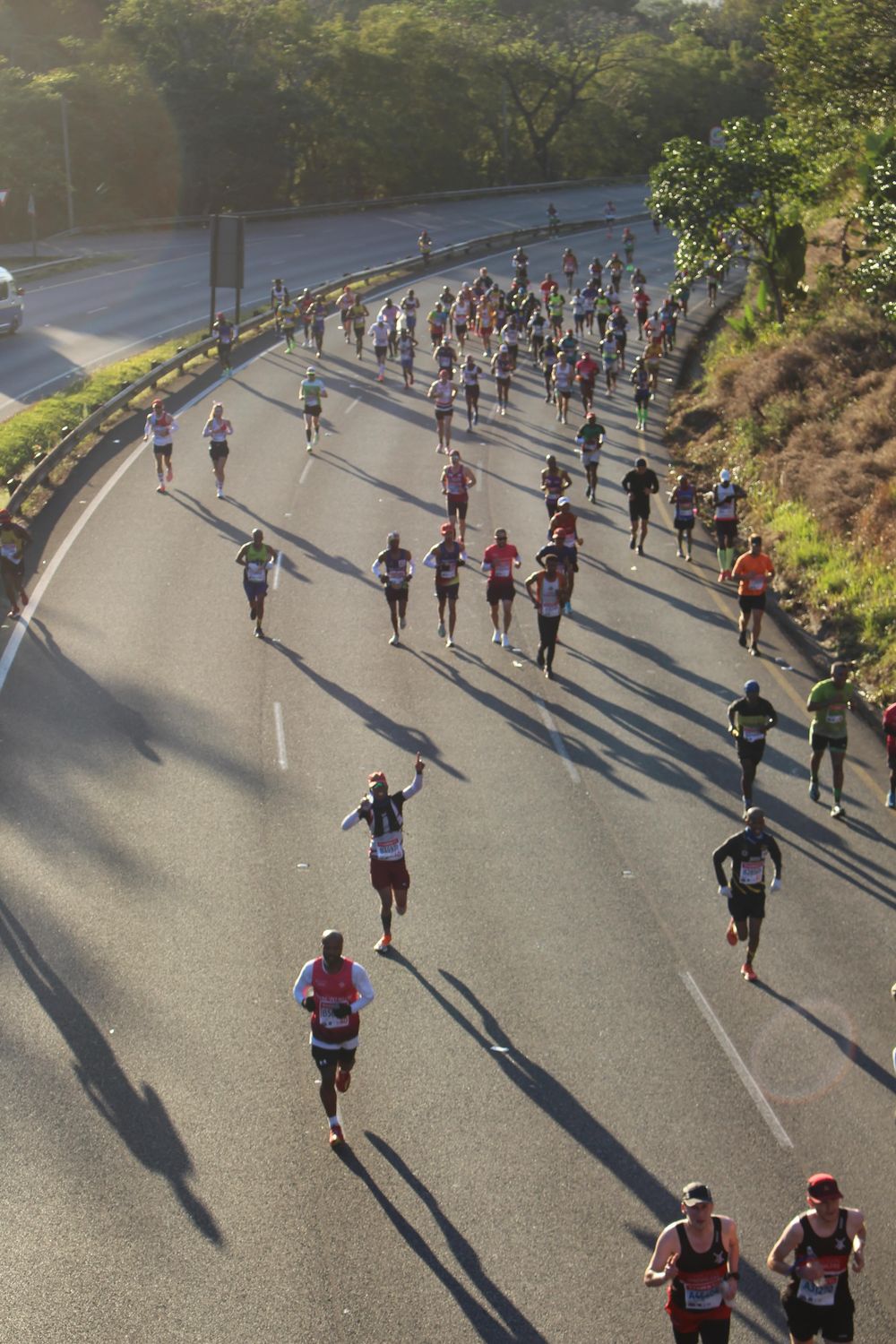
The night-before meal should not be exciting. It should be safe, says the writer.
COMRADES week has a special way of turning sensible runners into full-time nutrition investigators. Suddenly everyone has advice. One runner says avoid bread. Another says eat pasta like it is your last supper. Someone is trying to fit gels, potatoes, salt tablets and half of Woolies into a running belt. And somewhere, someone’s uncle’s running club friend apparently survived on Coke, bananas and determination.
As a dietitian, this is usually where I step in and say: let’s calm the chaos. Comrades nutrition is not about finding the most dramatic plan. It is about finding the plan your body already knows. The best race-day strategy is not the one that sounds impressive in the group chat; it is the one your gut has already tolerated on the road.
A new gel, electrolyte sachet, magnesium drink, energy bar or “cramp cure” can sound very convincing in race week, especially when the nerves start creeping in. But your stomach does not care that it worked for your running partner. The gut needs training too.
During a long run, your body has to digest and absorb fluids and carbohydrates while blood is being directed to the working muscles. That is already a big ask. Race day is not the time to introduce a mystery product and hope your gut behaves under pressure. If you plan to use gels, chews, sports drinks, bananas, potatoes, sandwiches or electrolytes, they should already have been tested during long runs. Nothing new on race day is not boring advice. It is bowel-protection advice.