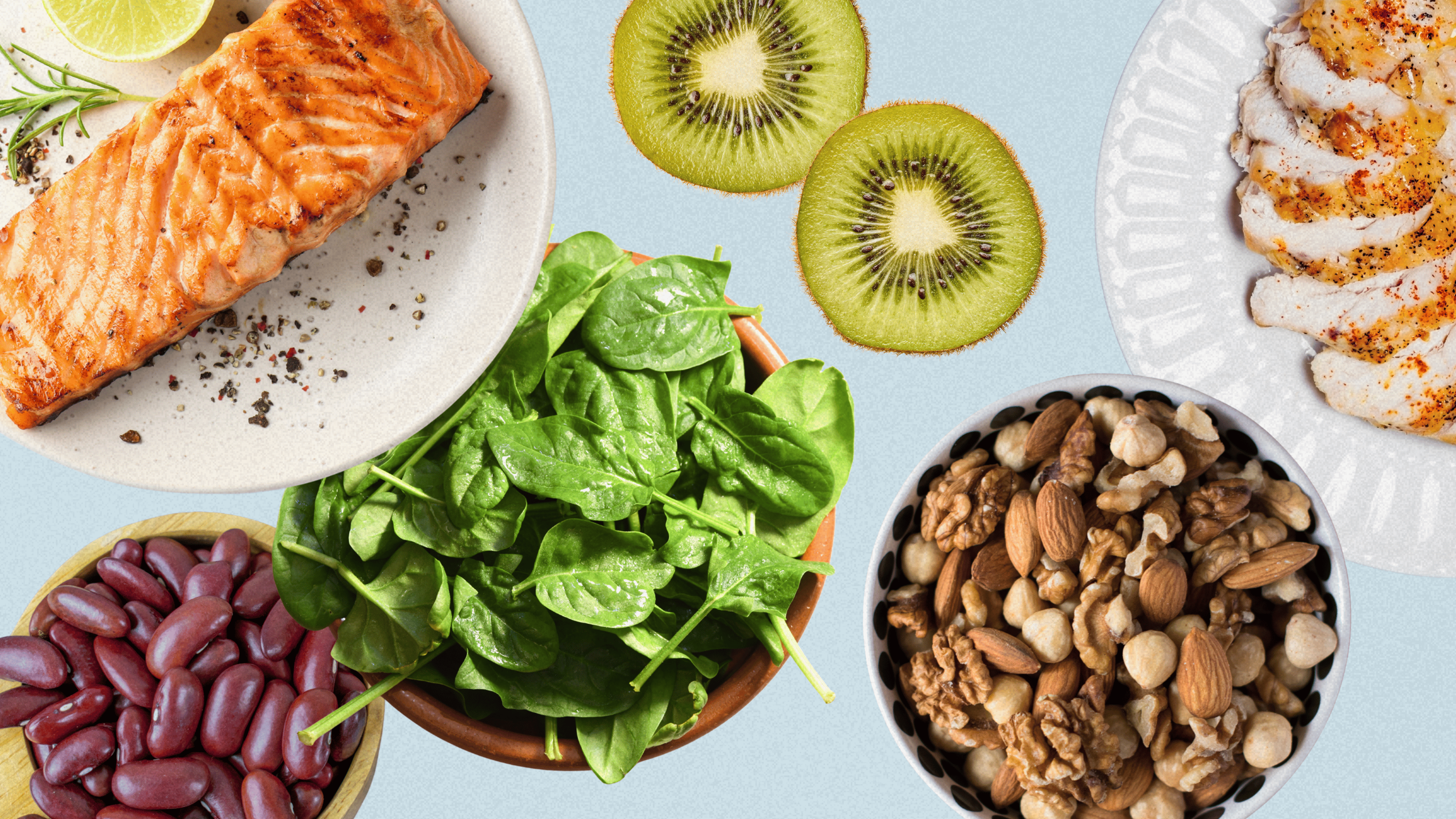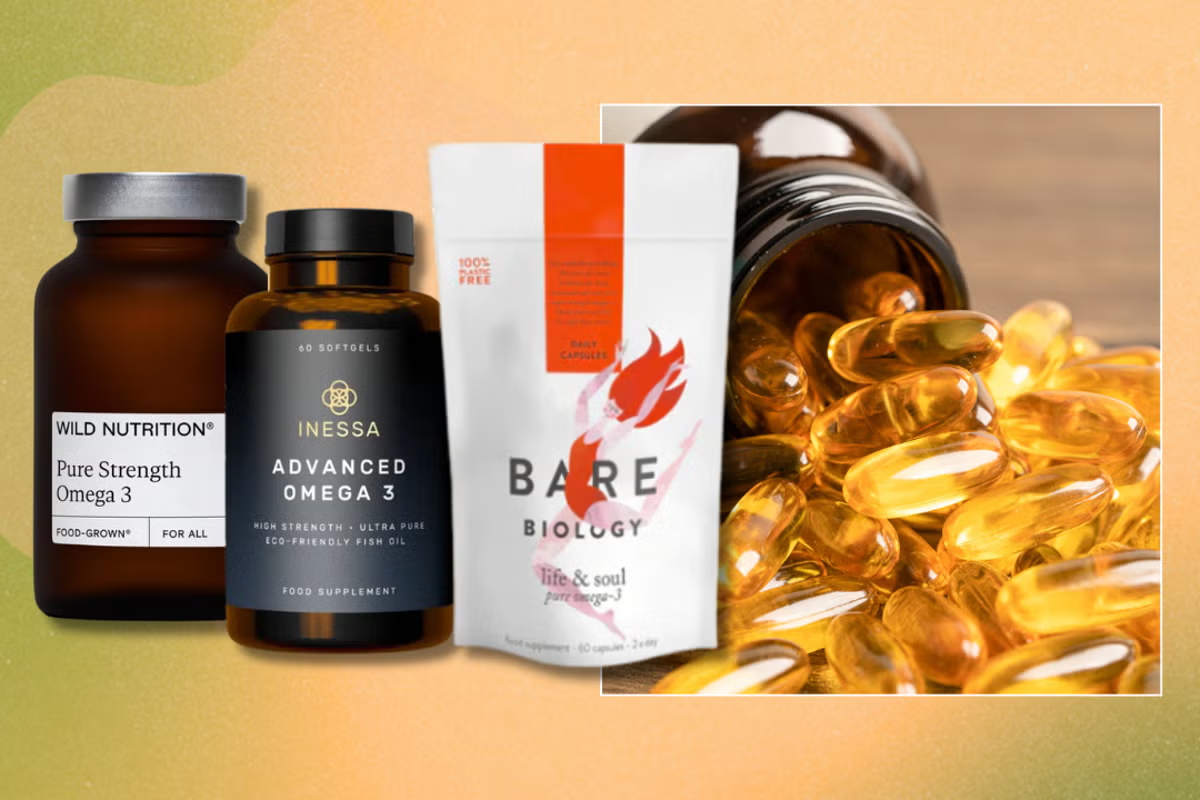
Your questions about Omega-3 answeredWhat do omega-3 supplements do?Omega-3 works hard. It helps the heart and blood vessels work properly while helping the body control inflammation. Nutritional therapist, Sasha Parkin adds that omega-3 is also beneficial for healthy hormone regulation. “Nutrition plays a crucial role in menstrual health; as hormones change throughout the month, essential vitamins and minerals can help support common period symptoms including cramps, mood swings, sleep disturbance, bloating and skin breakouts. 43 per cent of women report that their periods can disrupt their eating and sleeping patterns, so increasing your omega-3 intake can be beneficial, especially during the luteal phase,” explains Parkin. But despite omega-3 being incredibly beneficial for your health, many people struggle to consume enough. “The important thing with omega-3s is that our bodies cannot produce them on their own, so we are reliant on dietary intake,” nutritionist Clarissa Lenherr explains. “It can be tricky to get adequate omega-3s in our diet, especially if you struggle to eat oily fish such as salmon, mackerel, anchovies and sardines, which are some of the best sources and provide EPA and DHA.”Dr Carrie Ruxton from Health & Food Supplements Information Service explains that “intakes remain far too low, as just one-third of the UK population eats oily fish. Worse still, the next generation seems to be heading for fish avoidance, with British teenagers eating just eight servings a year instead of the recommended one a week. Most of us are missing out on important nutrients, but a fish oil or omega-3 supplement provides a simple, acceptable means to bridge the gap when people can’t or won’t eat a weekly serving of salmon, mackerel or tuna”.Is fish oil safe to take? Nutritionist and women’s health expert Claire Johnson explains that, “since the liver filters toxins, cod liver oil may have a higher risk of contamination from environmental pollutants like heavy metals. To stay safe, choose a high-quality supplement, whether you decide on cod liver oil or fish oil, from a reputable brand that publishes purity test results. My favourite brand is Bare Biology, which tests its products for purity and quality, with five-star purity and quality ratings from International Fish Oil Standards.”Fish oil capsules might also have been stored for longer than they should so always buy from a trusted brand to avoid a compromised product. Fish oil has a shelf life of around 1-2 years, depending on the formula. If you’re concerned about a use by date, you can break open a capsule. If the oil has a strong, unpleasant fishy smell it could be rancid and oxidised which means it won’t offer the same health benefits and could upset your stomach. How to choose an omega-3 supplementWhen choosing a supplement, a good tip is to look for one with the greatest amount of EPA and DHA. “The ratio of these depends on the aim you have. For example, if you’re focusing more on brain health, DHA may be higher than EPA,” Lenherr says.While there’s no reference daily intake (RDI) set for omega-3 in the UK, the cholesterol charity Heart UK suggests adults should have around 500mg of combined EPA and DHA per day. If you’re vegan or vegetarian, there are algae-based supplements that can also provide EPA and DHA.It’s also important to look for products that are IFOS certified (a third-party testing programme for fish oils that helps test purity, quality and safety) and sustainable supplements (look for Friends of The Sea or Marine Stewardship Council certification). Cheap lower quality may not be ethically sourced and will likely not contain pure ingredients that absorb effectively into the body. It’s also very important to check expiration dates on products like fish oil because this supplement is derived from an organic source and won’t benefit you if it’s rancid when you take it.As always, it’s worth checking with your doctor or nutritionist before taking new supplements, particularly if you have specific health concerns, are on medication or you’re pregnant (many omega-3 supplements aren’t recommended in pregnancy, owing to the high vitamin A content). Those on blood thinners should also tread with caution, as taking high doses of omega-3 can thin the blood.Why you can trust IndyBest reviewsOur wellbeing editor and team of testers then tried every supplement on this list to measure the effects of each supplement. We also assessed value for money, effects and the benefits or drawbacks of each trusted product. The IndyBest team also test a range of health-related supplements, from the best multivitamins to the best probiotics, best way to get more B12 and even advice on how to manage sleep with CBD oils. We have a wide range of expert-led pieces, so you can trust all of our buying guides and explainers are backed by an extensive amount of testing and expertise.Meet the expertsProfessor Peter Calder: Surgeon and health expert Clarissa Lenherr: Nutritionist and gut health expertLooking for more dietary supplements? We’ve rounded up the best protein powders and the best magnesium supplements
Best omega-3 supplements to introduce into your diet, according to experts
These supplements have the power to improve brain, eye and heart health while boosting your overall wellbeing
829 words~4 min read