Sumesh Sasidharan of the Faculty of Medicine at Aix-Marseille Université explores how transformations in medtech may not impact all patients equally.
AI-powered digital twin technology could transform how doctors understand and treat heart disease. But if the medical data used to build these virtual models overlook biological differences between women and men, the promise of truly personalised medicine may remain incomplete.
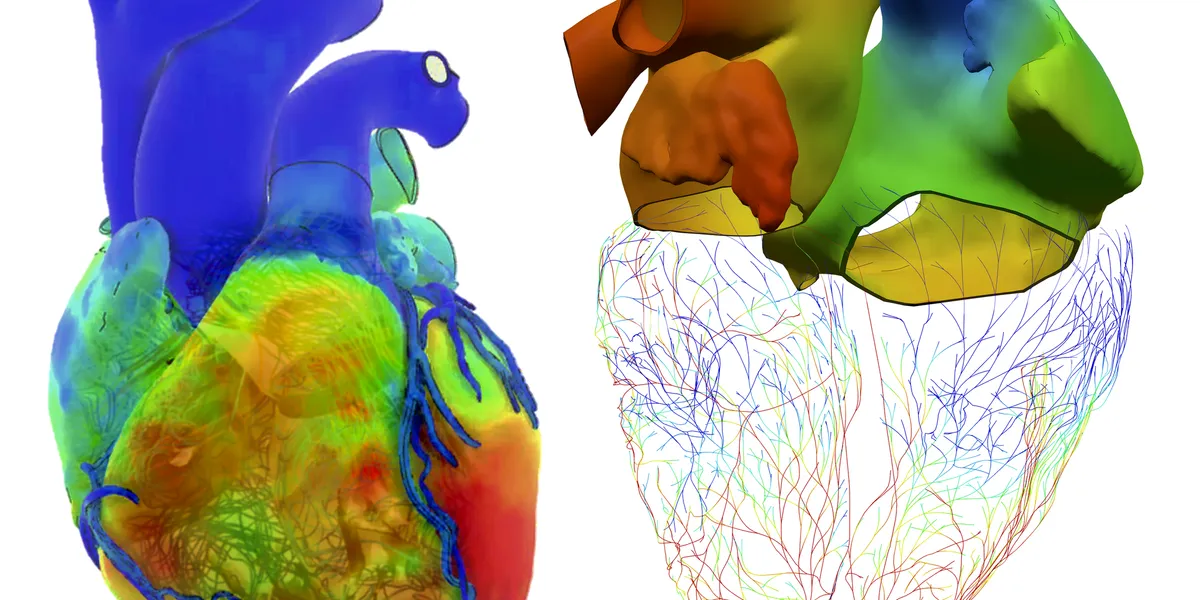
Artificial intelligence is beginning to reshape how doctors study and treat heart disease. One of the most ambitious ideas is the “digital twin”: a computer model built from a patient’s medical data that allows researchers to simulate how a disease might develop and how treatments might work.
In cardiology, these models combine medical imaging, clinical records and biological data to create a virtual version of the heart. In the future, doctors could potentially test treatment strategies on this digital model before applying them to the patient.
But an important scientific question is emerging: What if the medical data used to build these models are missing important biological differences between women and men?