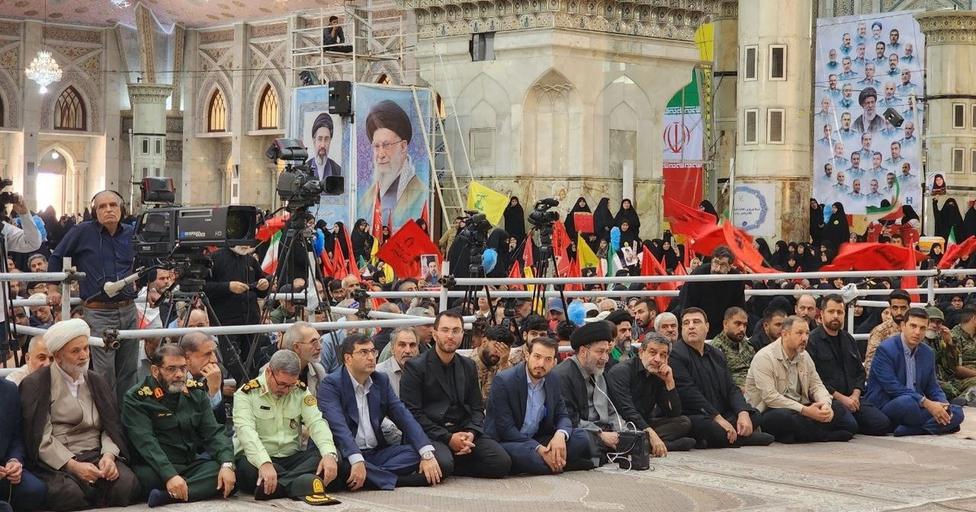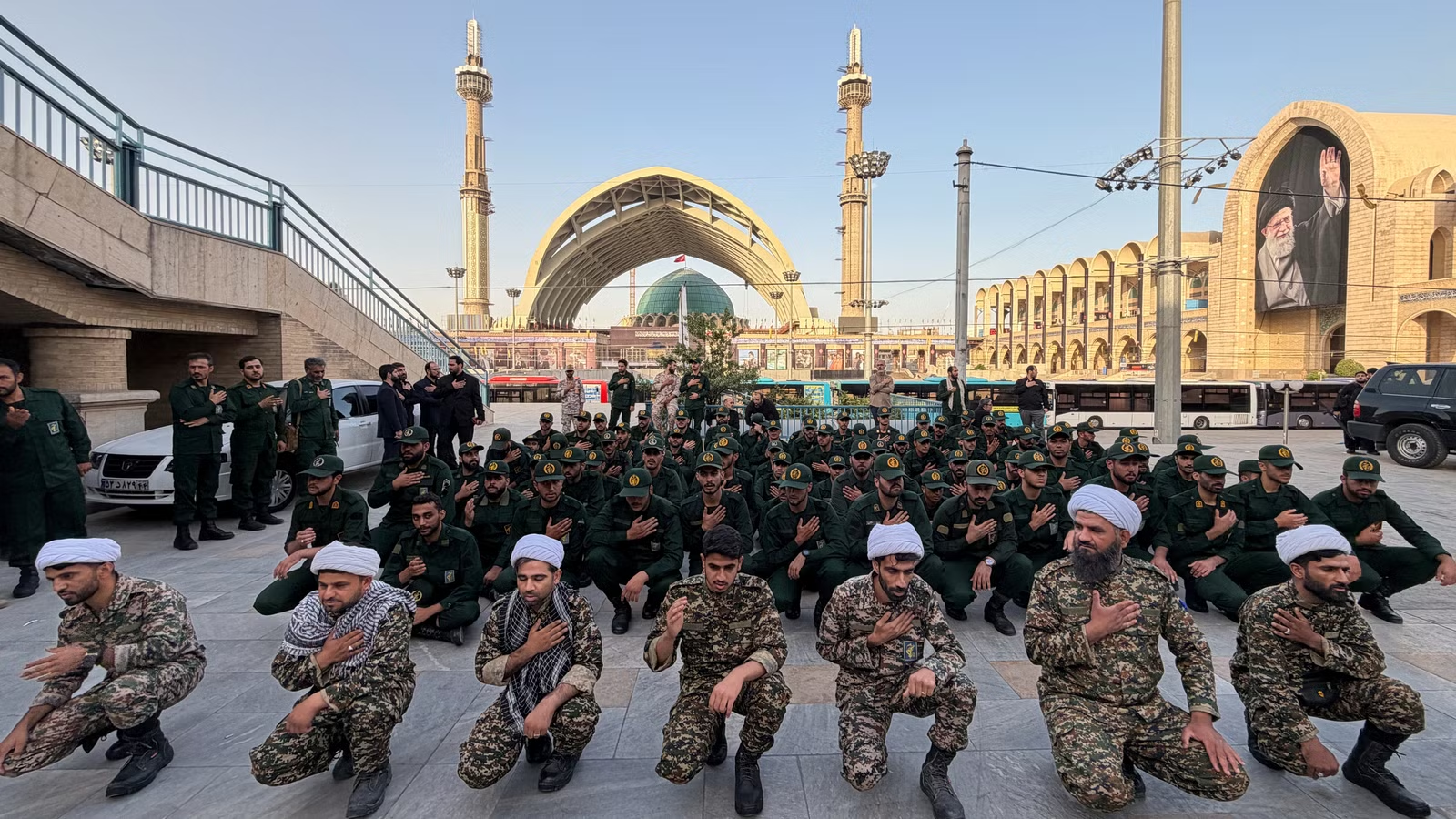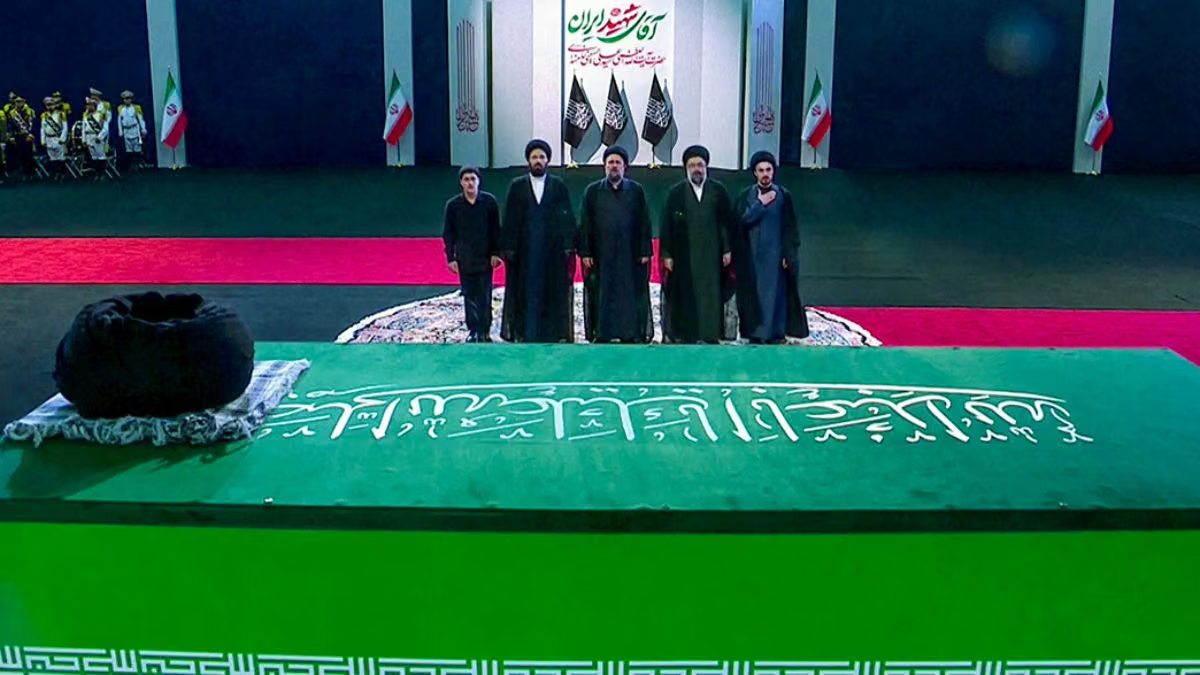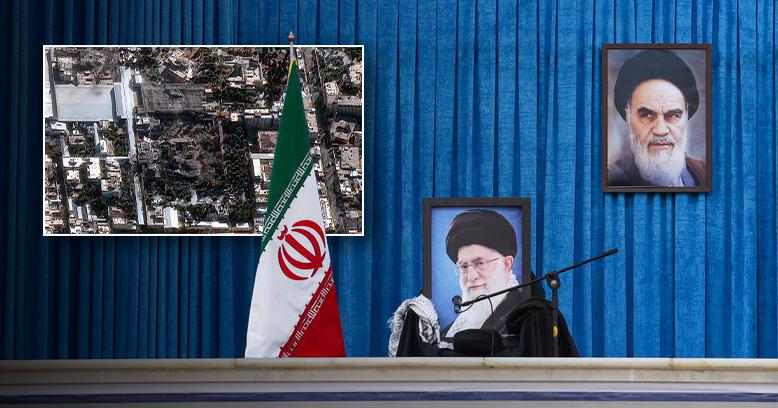
The anniversary of the death of Ruhollah Khomeini, the founder of the Islamic Republic, was accompanied this year by street concerts, rejoicing, and celebrations, contrary to the past, when the Islamic Republic always attempted to foster a mournful atmosphere. However, at the venue where the ceremony was being held, the chair of Ali Khamenei, the second leader of the Islamic Republic, which was positioned on the platform facing the courtyard, stood empty - a symbol of a leader who was killed on the opening day of the US and Israeli war against Iran, and whose successor has not yet been able to occupy his seat.
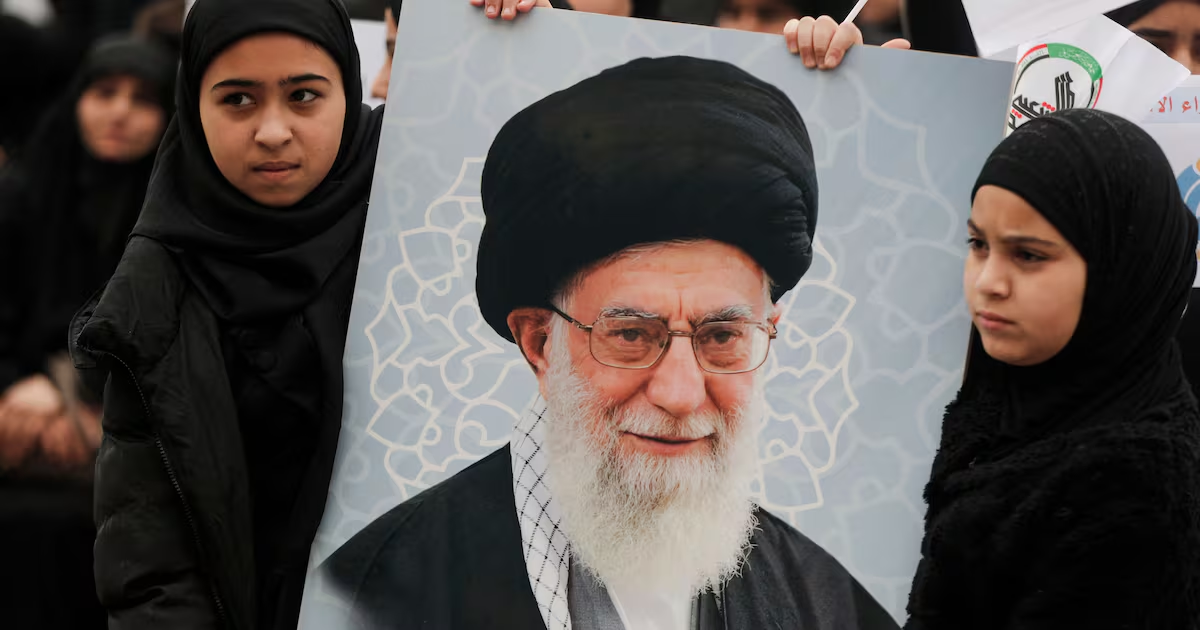
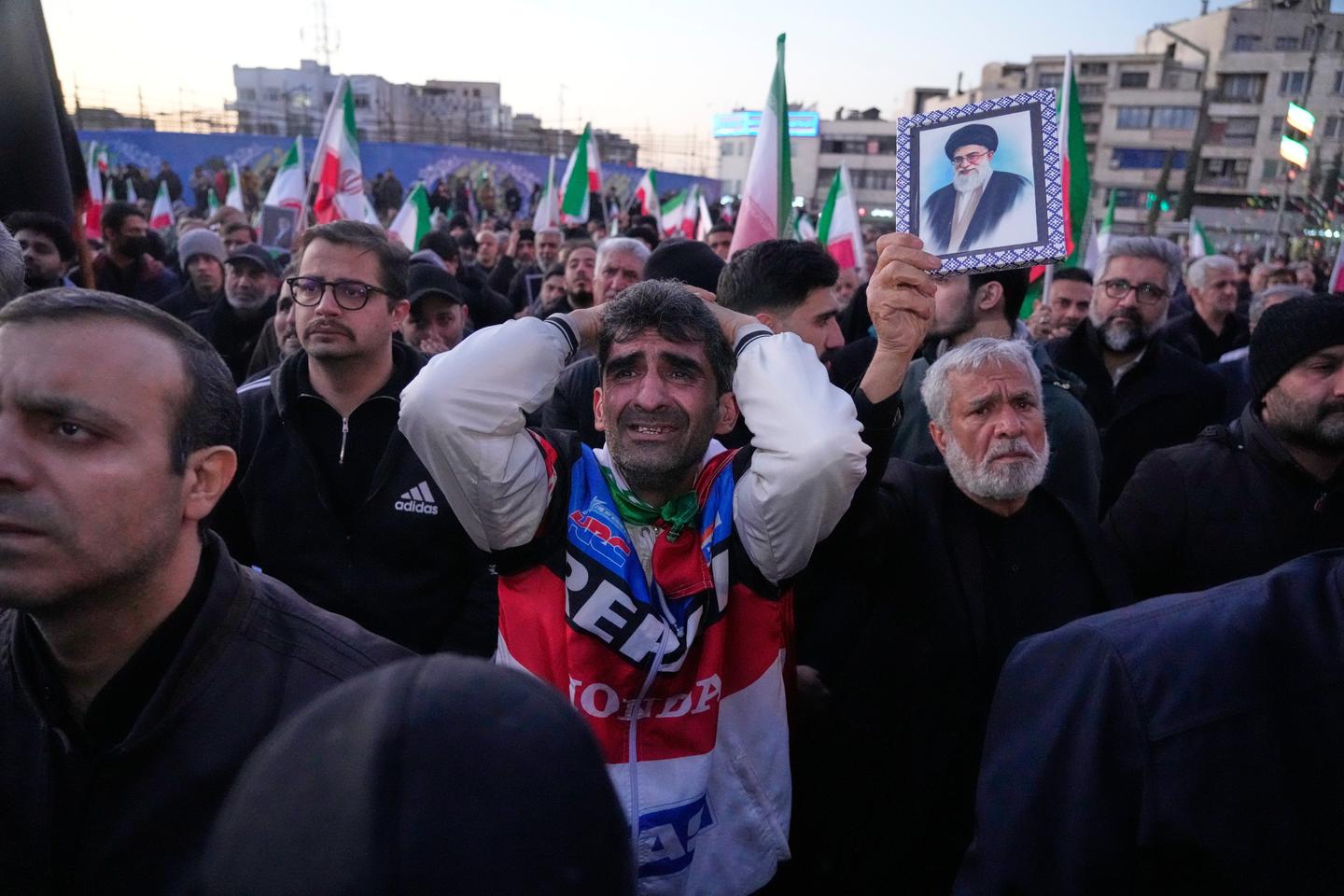
Ali Khamenei was killed on February 28 in the Supreme Leader's residence, the Beit, by bombs dropped from Israeli and American aircraft. Yet the circumstances of his death remain unclear to many officials in the country. Hossein Simaee Sarraf, the Minister of Science, states: "The martyrdom of the Leader was a wound that has not yet cooled, and therefore we must offer our condolences to one another in every gathering." Similarly, Mohammad Mokhber, an advisor to the slain leader, believes: "The grief over the martyred Leader will never cool in the hearts of the people."
Thus far, no government official has precisely declared how his death unfolded, what factors came together, or what his exact condition was at the time of death. Rather, they have attempted to turn him and his manner of death into a heroic narrative by emphasizing that he was inside his official residence. Despite this, scattered and more or less overlooked remarks exist amid the onslaught of Iranian news that narrate the day of Khamenei's death and provide first-hand details, such as the account by Abbas Araghchi.