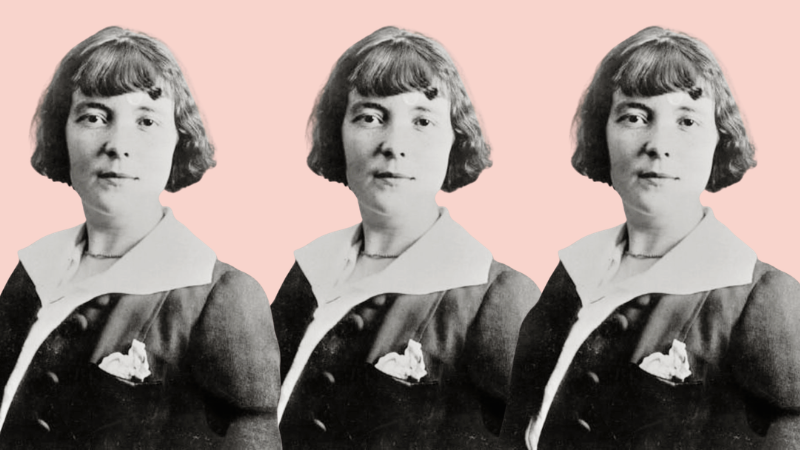
“Even in Mansfield stories where children are not centered or present, this is their world. Her adults never quite grow up, only older.”
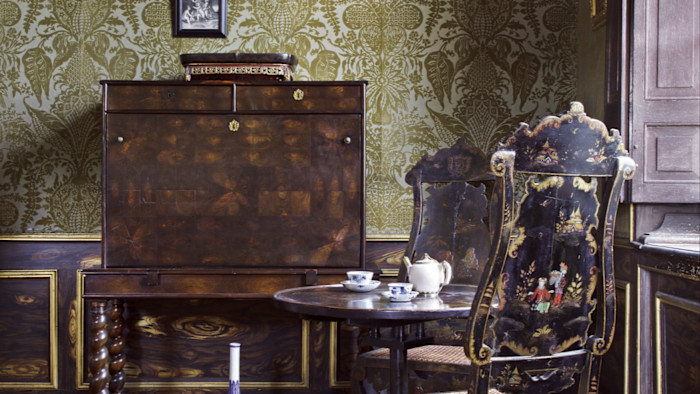
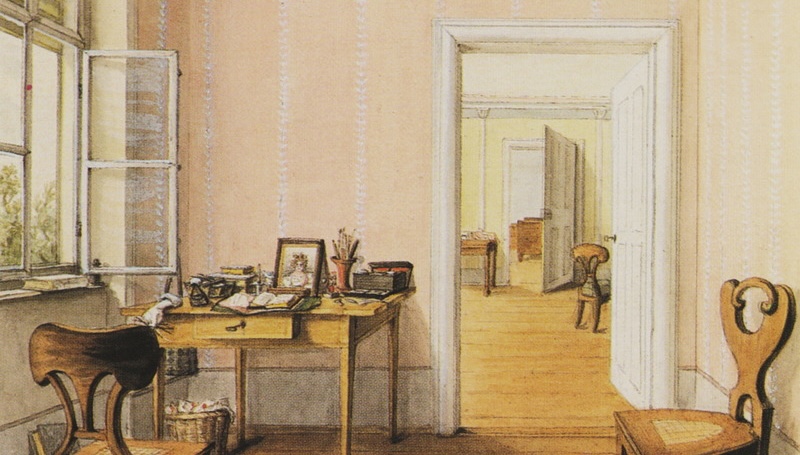
Oh, to live in a room filled with the objects described by Katherine Mansfield. To arrange her combs, playing cards, and enamel boxes, to try on “the most amusing orange coat with a procession of black monkeys round the hem.” This would be joy enough, but why limit ourselves? In the kitchen, our hostess has lined the counters with cream puffs, chocolate custard, champagne, almond fingers and “some yellow pears, smooth as silk.” Love her, as Virginia Woolf did (“the only writing I have ever been jealous of ”), or dislike her, as Virginia Woolf did (of her odor: “like a civet cat that had taken to street walking”), no writer has made quotidian treasures spring off the page quite like Katherine Mansfield.Article continues after advertisement
A sweeping statement, but consider Mansfield’s most acclaimed area of brilliance: writing children. So much of what we covet, the literal stuff of life, is kept waist-high, on tables and dressers, in the eyeline of our tiniest citizens. Even in Mansfield stories where children are not centered or present, this is their world. Her adults never quite grow up, only older. One of her most popular stories, “Bliss,” is helmed by a repressed woman whose manic joy is shattered by her own guilelessness. But Mansfield’s children, with their “subdued chirps,” are her primary instruments, her keyholes into the society she critiqued.