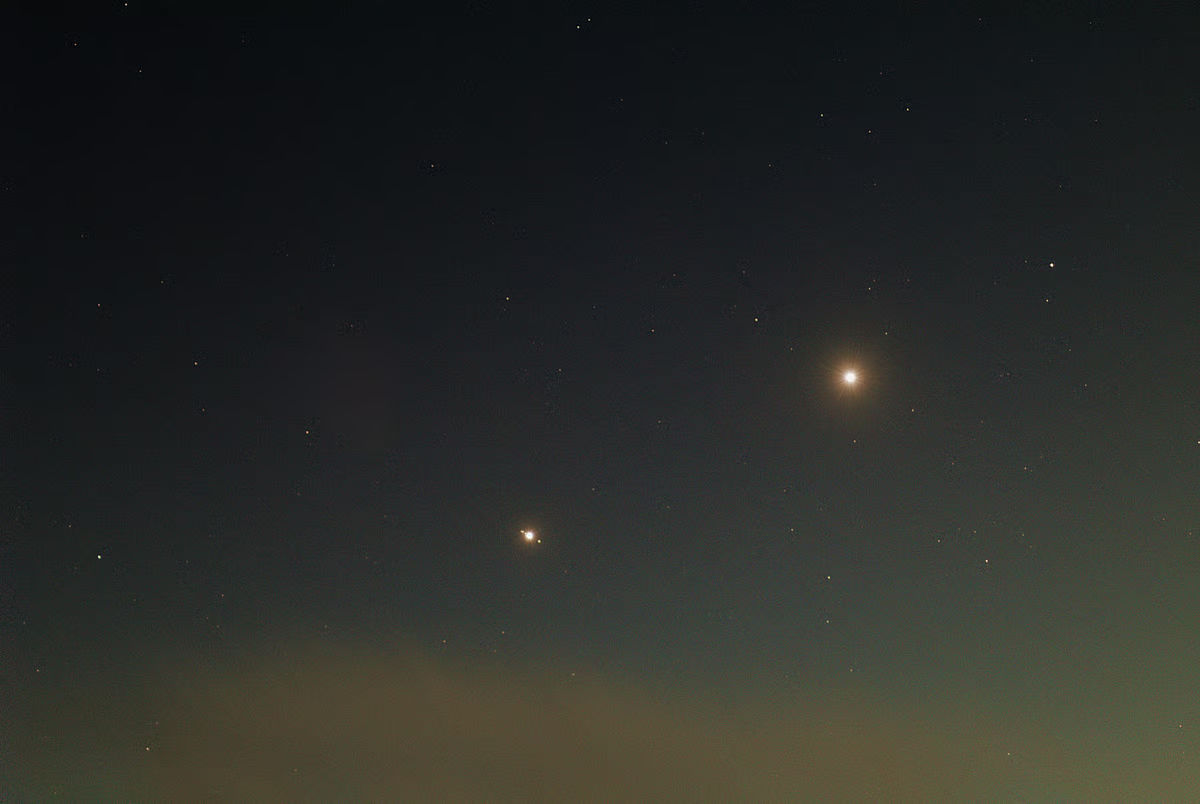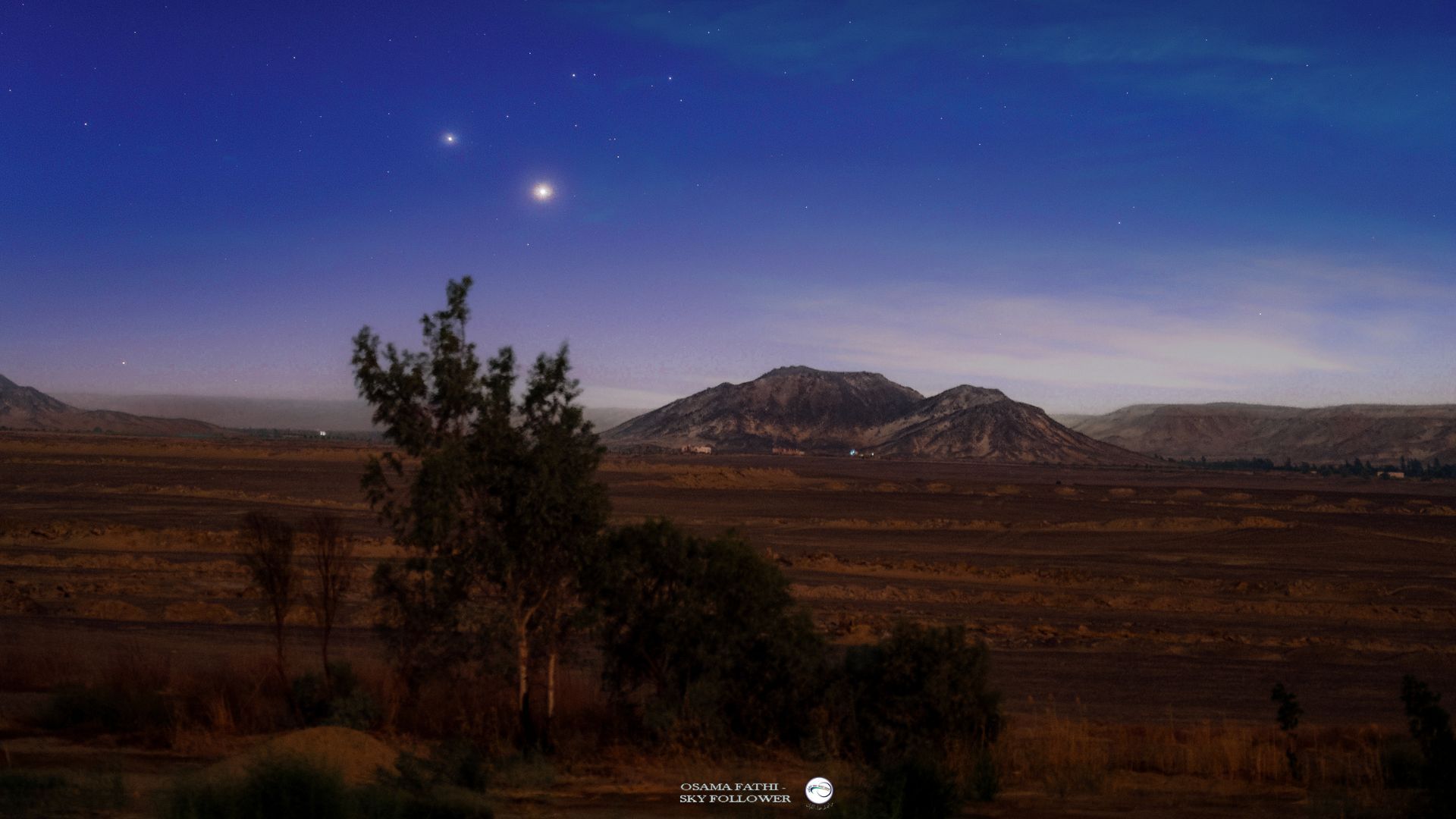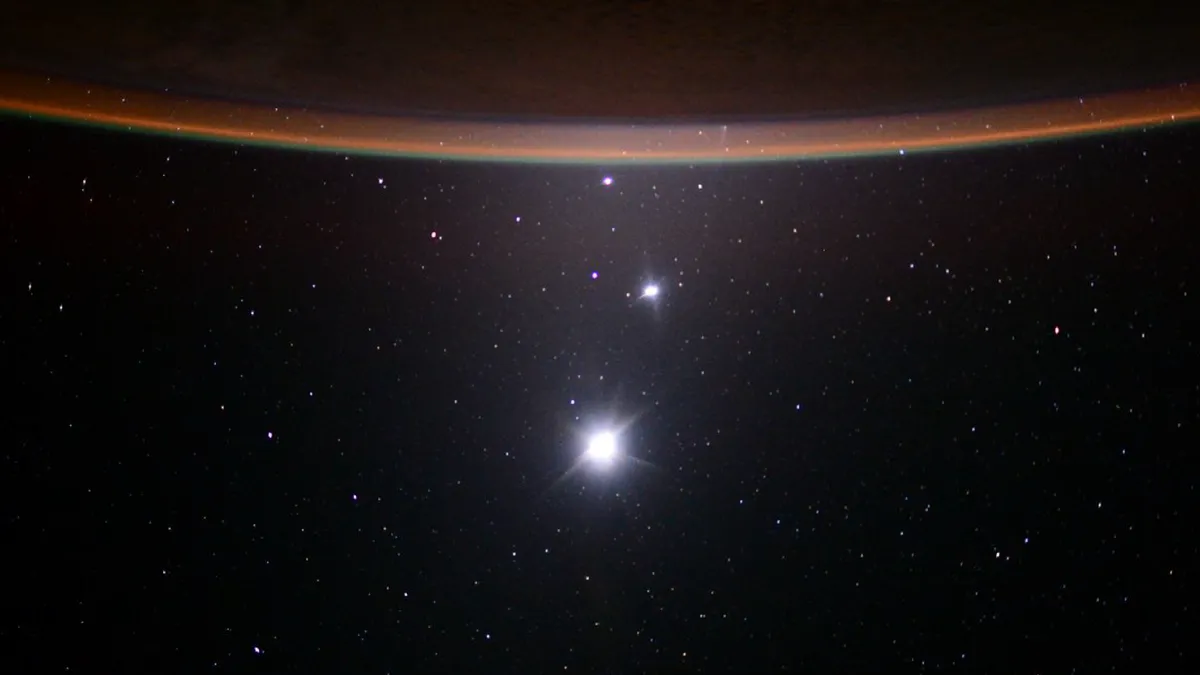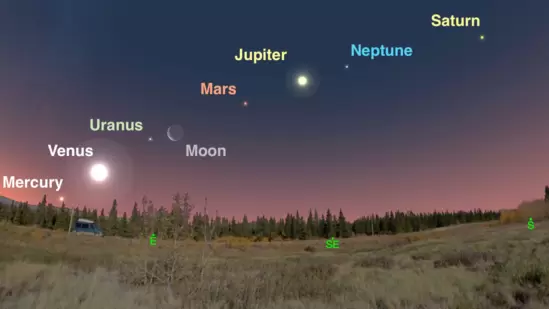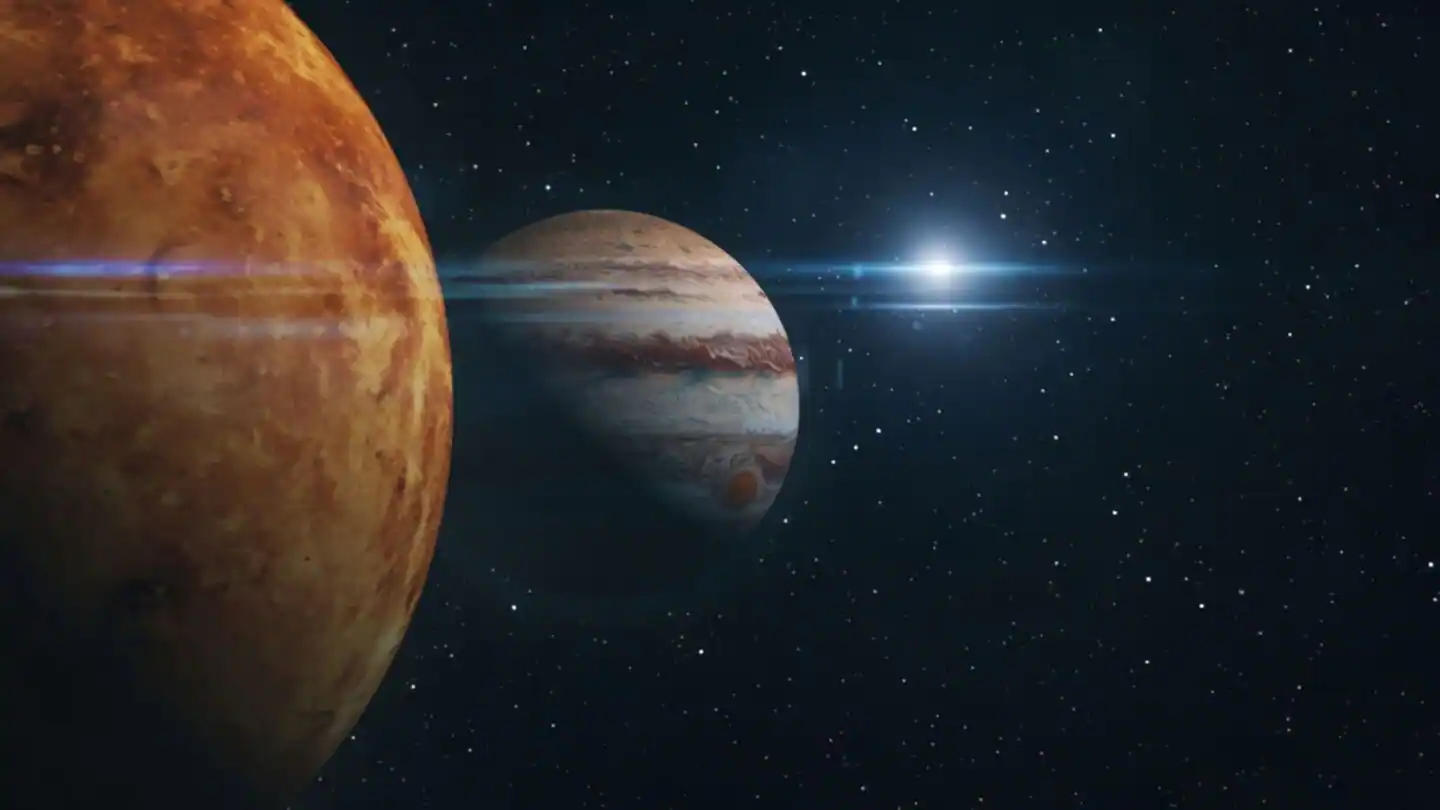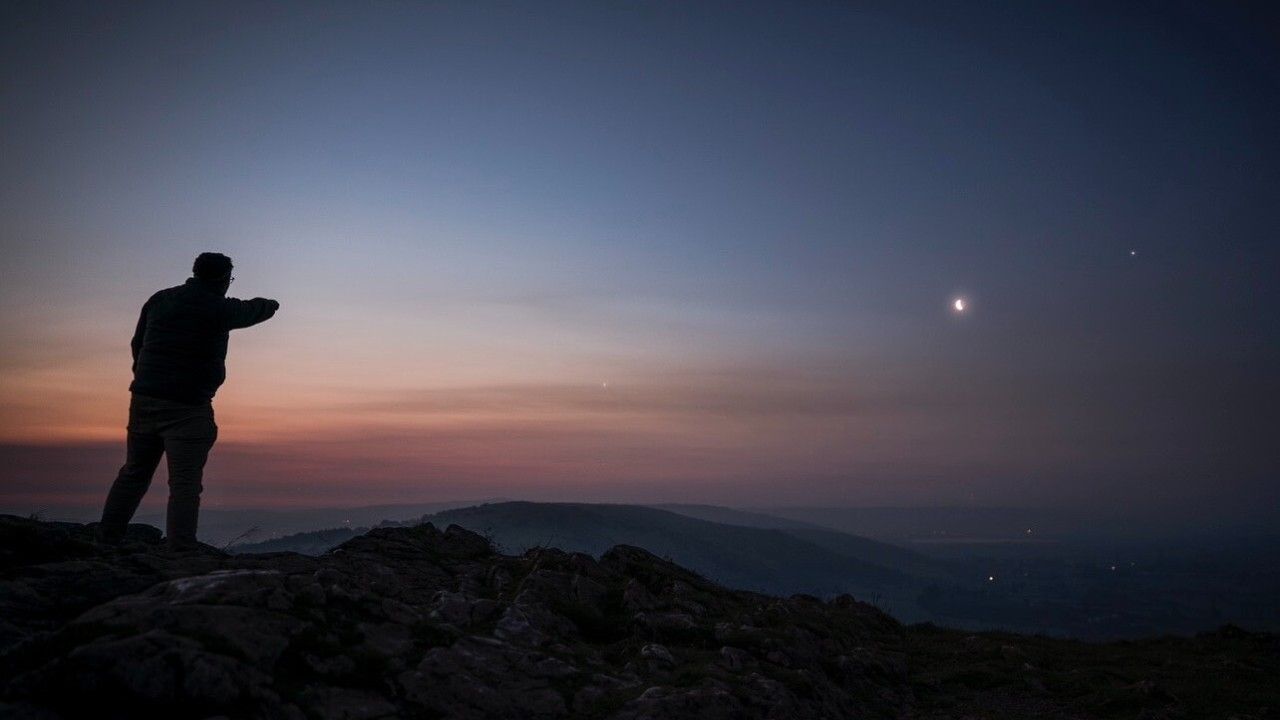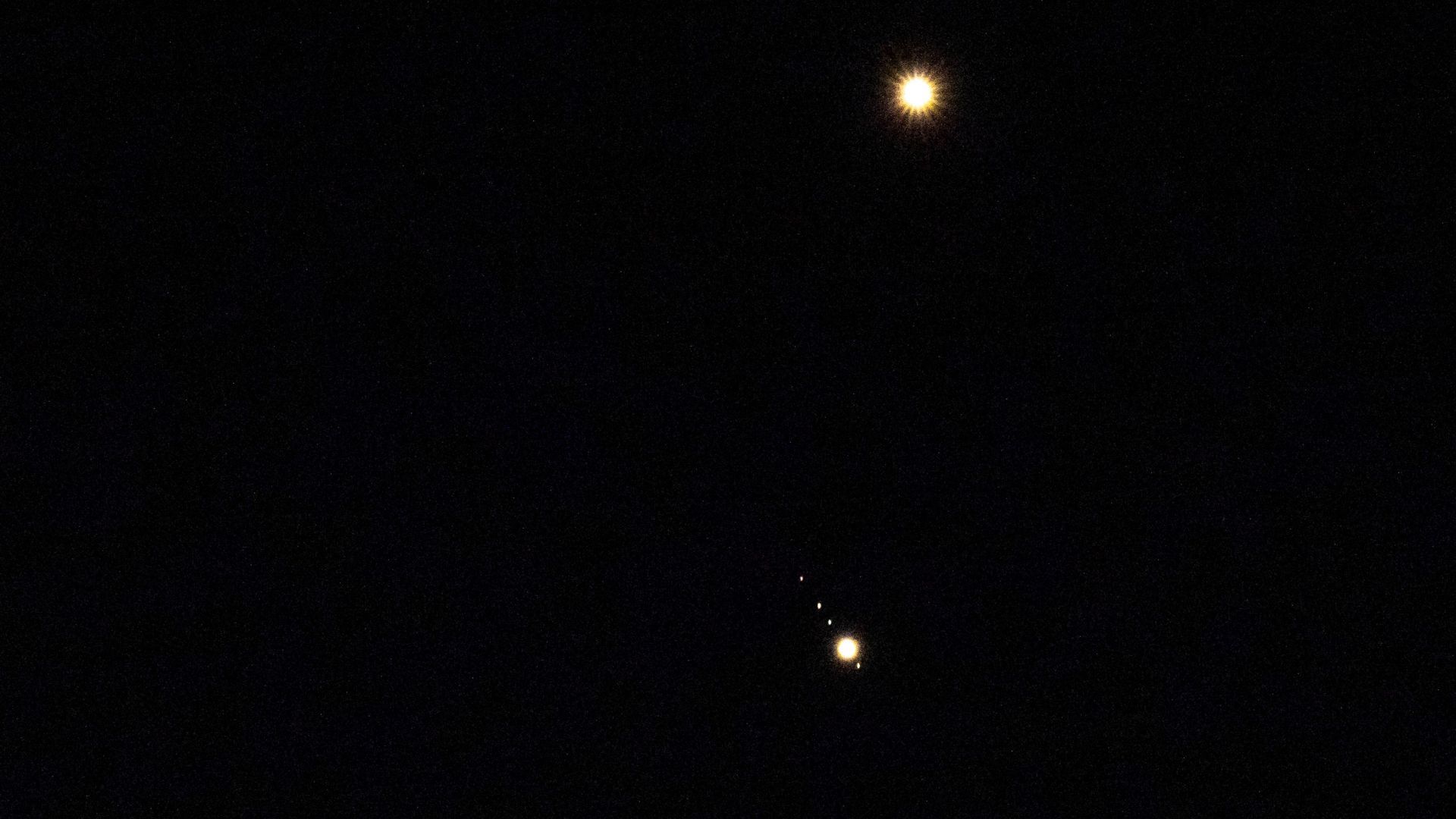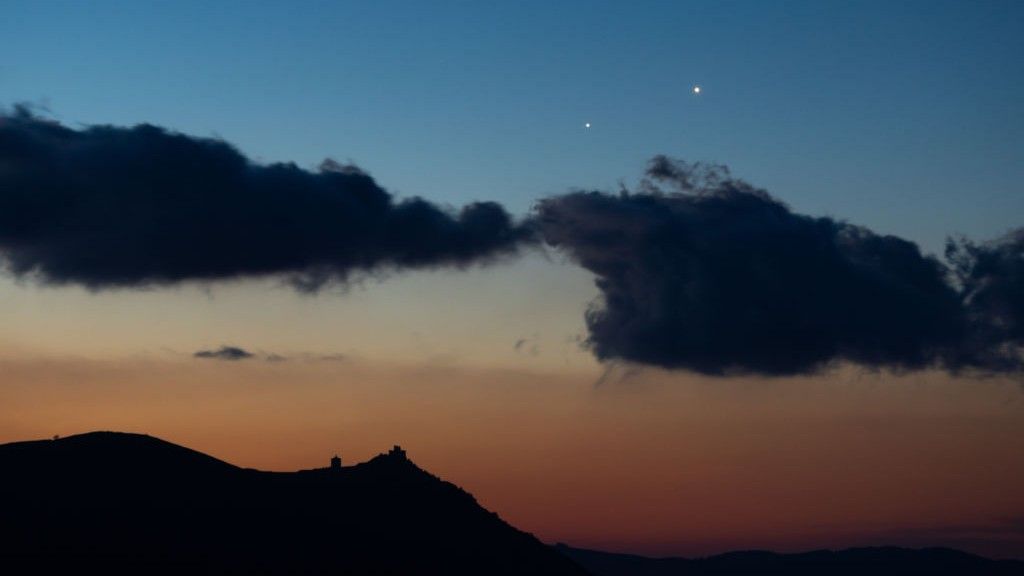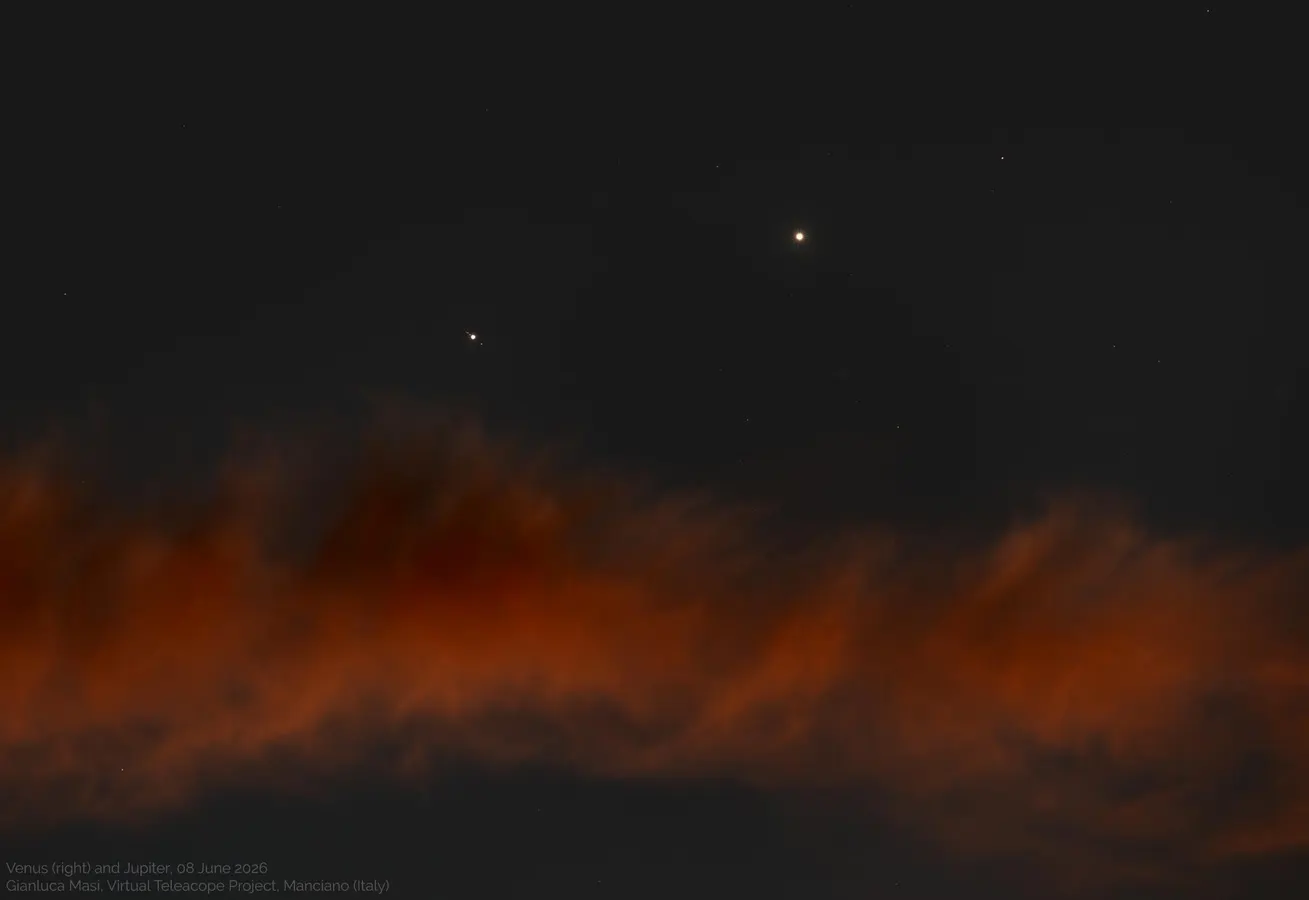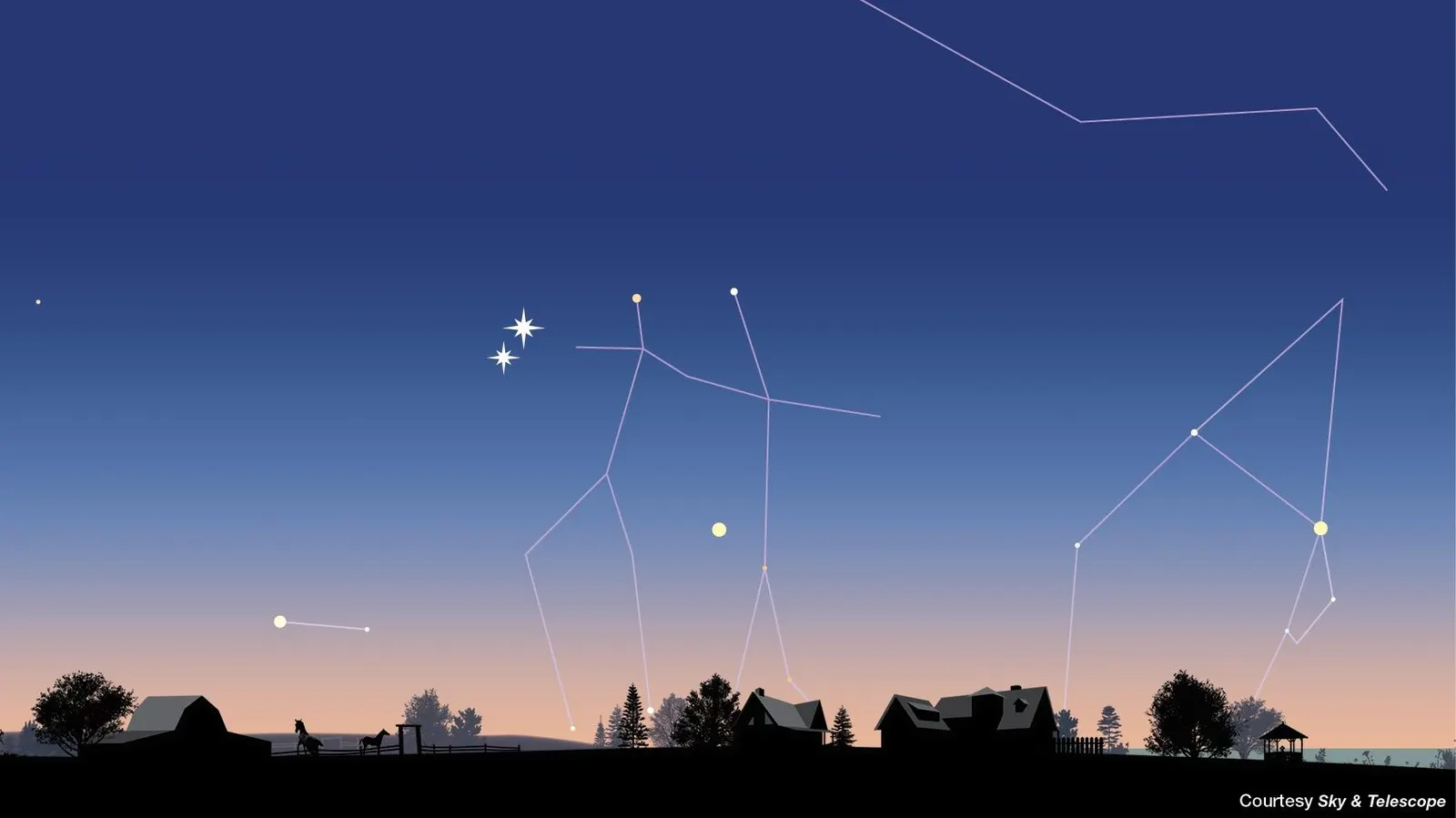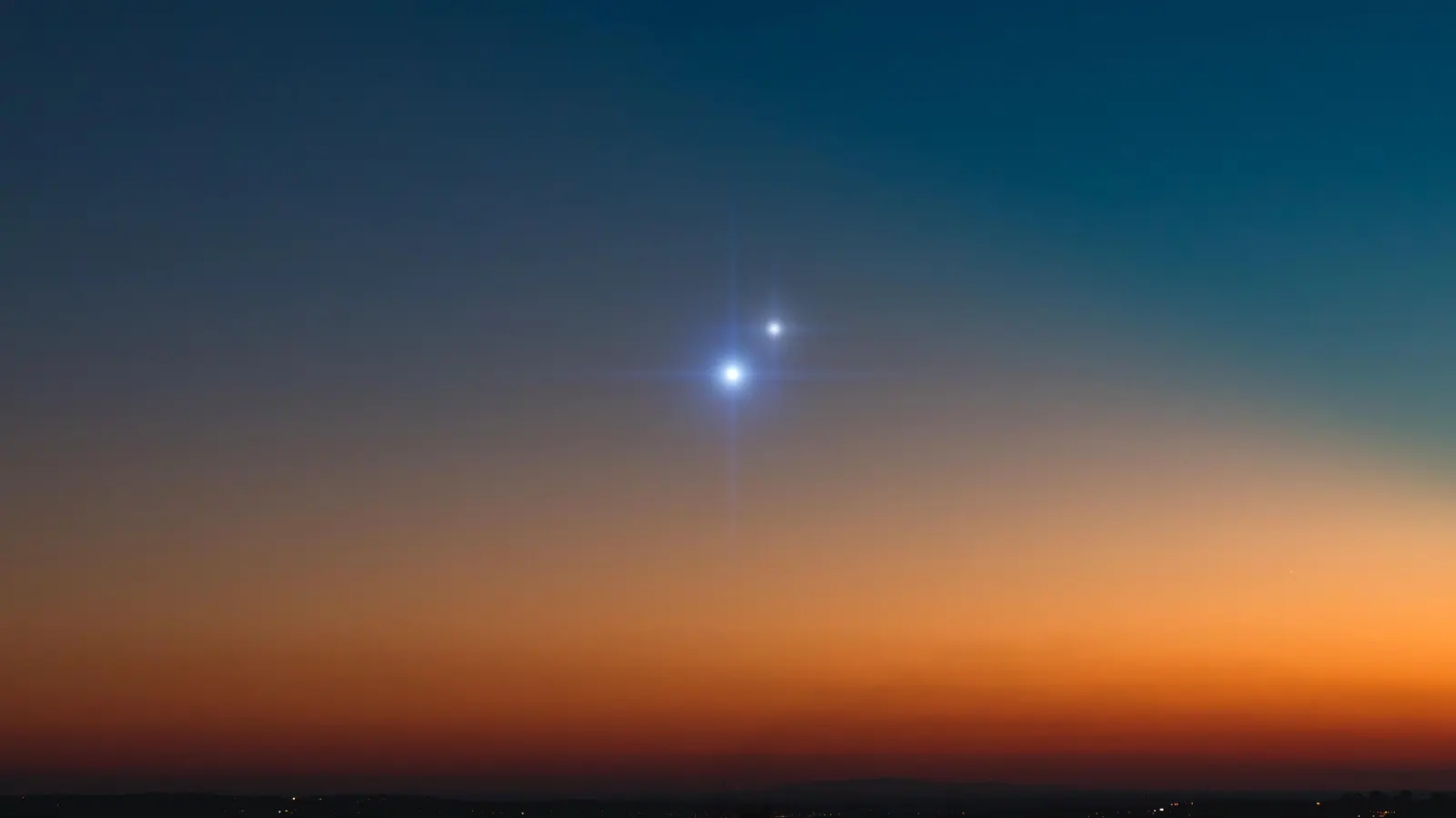
A woman takes a picture with the phone to the 'Blue Supermoon' over the Tower of Roca Vecchia in Roca Vecchia, Lecce, Italy, on August 30, 2023. This is the second supermoon to be observed in August and is also known as a Blue Moon. (Photo by Manuel Romano/NurPhoto via Getty Images)NurPhoto via Getty ImagesThe close conjunction of Venus and Jupiter on Tuesday, June 9, is shaping up to be one of the most photogenic celestial events of 2026. As the two brightest planets in the night sky draw to within just 1.6 degrees (the width of an outstretched finger) of each other after sunset, they will create a beautiful pairing low in the western sky that will be easy to see with the naked eye. Mercury, below, will add to the scene, creating a rare three-planet lineup. In practice, the conjunction will look almost as impressive on the nights either side — Monday, June 8, and Wednesday, June 10.How To Photograph The Conjunction Of Venus And JupiterThe good news is that you don’t need a telescope or expensive camera equipment to capture it. Modern smartphones are surprisingly capable astrophotography tools, particularly when capturing bright targets such as Venus and Jupiter in fading twilight. With a few simple techniques — and by getting outside about 45 minutes after sunset — you can record this once-a-year planetary encounter and create an image that captures exactly how it appeared in the sky. Here’s how to do it:ForbesVenus And Jupiter To Almost Touch After Sunset In Close ConjunctionBy Jamie Carter1. Shoot In RAW If PossibleIf your phone offers RAW or ProRAW capture, enable it. RAW files preserve more image data and allow greater flexibility when adjusting brightness, contrast and color during editing. If not, a basic JPEG is fine.2. Find A Stable PositionThe biggest challenge when photographing planets is camera shake. Mount your smartphone on a tripod if possible or lean it securely against a wall, fence or the roof of a car. Even slight movement can blur the image.Play Puzzles & Games on Forbes3. Use The Main Camera LensAvoid the ultra-wide lens. Your phone’s primary camera delivers the best low-light performance and produces the sharpest images. If the planets appear small, crop the image later rather than zooming while shooting. If you can’t resist the temptation to pinch-to-zoom, don’t go all the way in — you’ll just degrade the image.ForbesHow I Photograph The Northern Lights With My Phone — By An ExpertBy Jamie Carter4. Enable Night ModeMost modern smartphones automatically activate Night Mode in low light. If yours allows manual control, increase the exposure time to several seconds. This lets the camera gather more light and reveal the planets against the twilight sky.5. Include Foreground SceneryA conjunction photograph is often more attractive when it includes a recognizable foreground object to provide scale and help tell the story of the event. Try placing the planets close to a church spire or another building, or stand beneath a tree and capture the planets in a gap between the leaves. Composition is everything. Don’t forget to try both vertical and horizontal images.6. Take Multiple ImagesLight levels change rapidly after sunset. Begin photographing as soon as the planets become visible and continue taking images as darkness falls. Often, the best results come 20 to 40 minutes after sunset when the sky remains blue, but the planets are bright.If you miss the view on Tuesday, don’t despair — Jupiter and Venus will remain within five degrees of each other through June 14, so there’s plenty of time to capture an image of one of 2026’s most beautiful planetary pairings.Wishing you clear skies and wide eyes.
6 Ways To Photograph The Venus-Jupiter ‘Kiss’ With A Phone Right Now
Venus and Jupiter are set for a spectacular conjunction on June 9. Here’s how to use a smartphone to photograph the two brightest planets after sunset.
608 words~3 min read