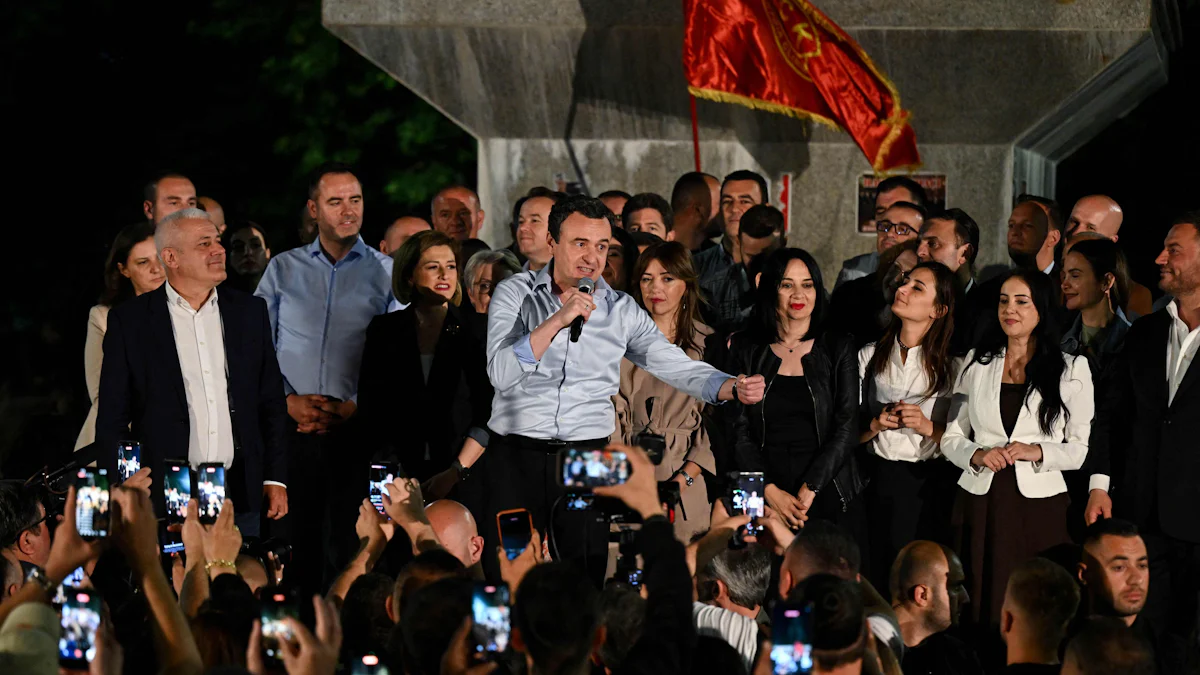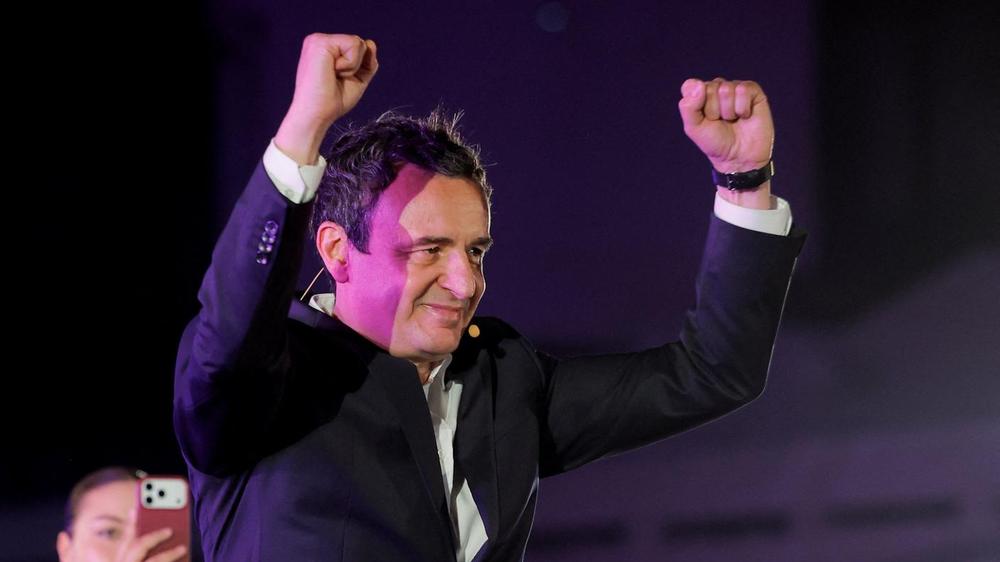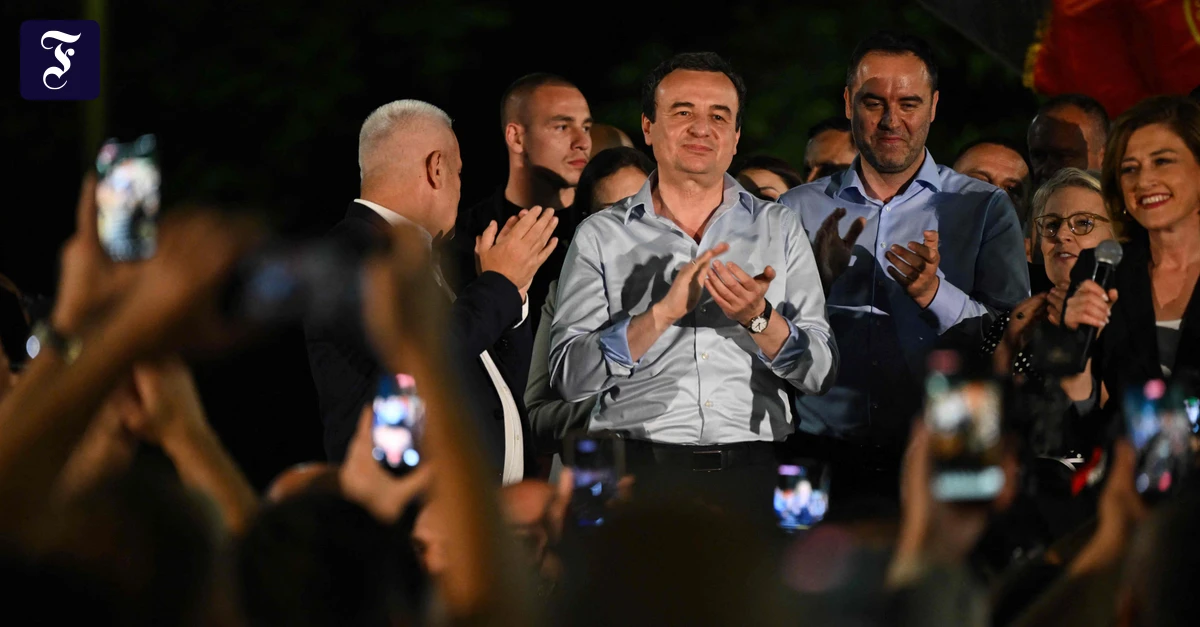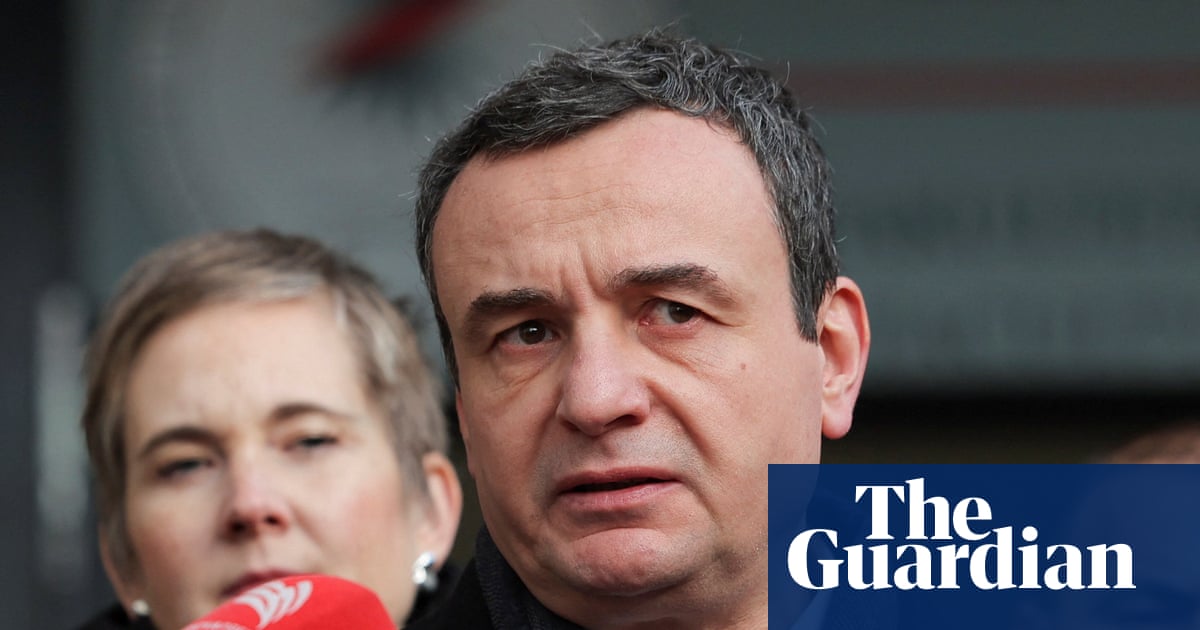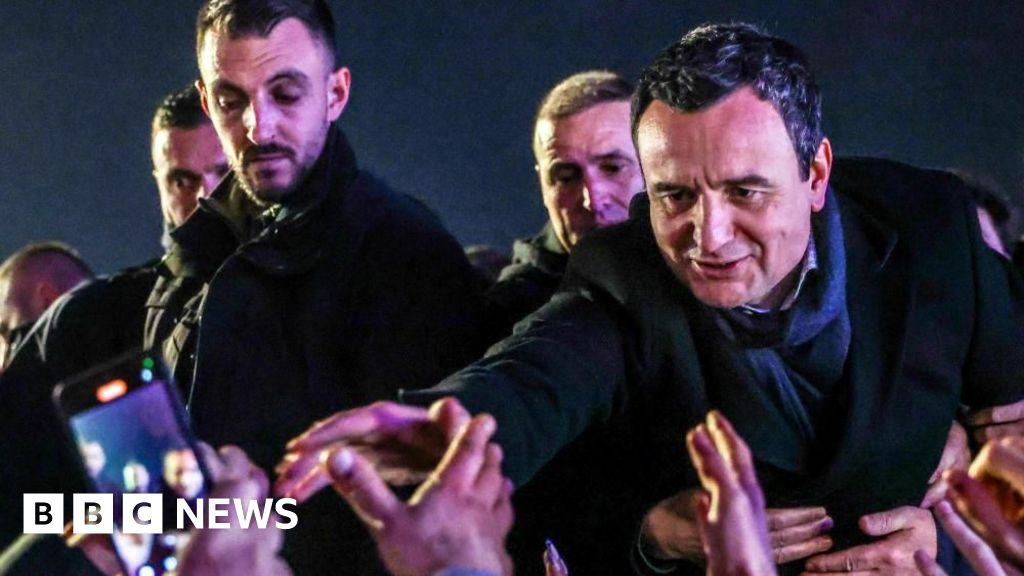
Kosovo Prime Minister Albin Kurti's Self-Determination movement emerged as the largest political force in the country's latest snap parliamentary election, but preliminary results indicate it fell short of securing the support needed to govern on its own, setting the stage for potentially difficult coalition negotiations and continued political uncertainty.
With more than 95 percent of ballots counted, Self-Determination, known locally as Vetevendosje, received approximately 43 percent of the vote. While the result was enough to place the ruling party comfortably ahead of its rivals, it represented a noticeable decline from its previous performance when it captured roughly half of all votes and secured a parliamentary majority.
The opposition Democratic Party of Kosovo finished second with around 21 percent support, while the Democratic League of Kosovo came third with roughly 17 to 18 percent.
Kurti's victory marks the third election win for Self-Determination in just 18 months, but the lower share of the vote means the party is unlikely to control parliament without support from other political forces.
The outcome points toward another period of coalition bargaining in a country that has struggled with political instability and institutional deadlock in recent years.