This is AI generated summarization, which may have errors. For context, always refer to the full article.
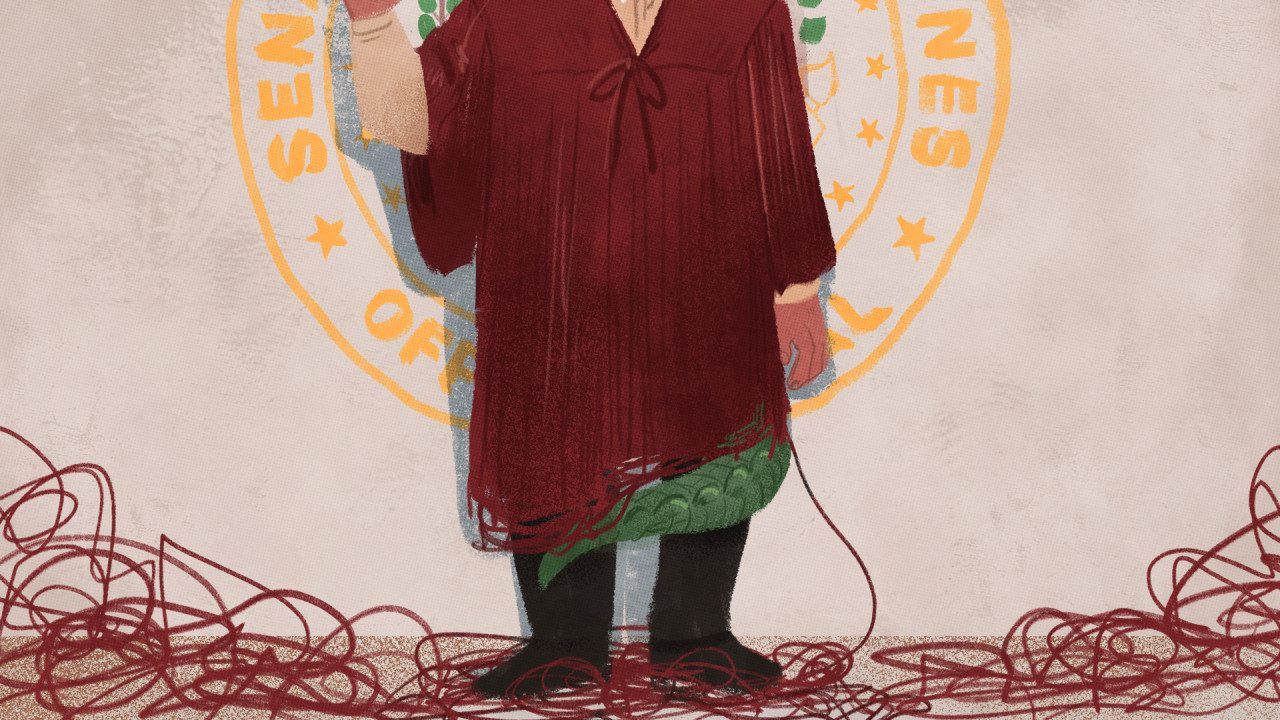
A Senate whose presidency is defined by the personal imperatives of whoever holds it cannot legislate freely, investigate honestly, or adjudicate impartially
The Senate presidency has never been designed as a personal office. From the Roman princeps senatus — with Cicero as the last to bear the title — to Westminster’s Lord Speaker to the American Senate president pro tempore, the presiding officer of the upper chamber has always been known as the institution’s leading servant — not its self-appointed master.
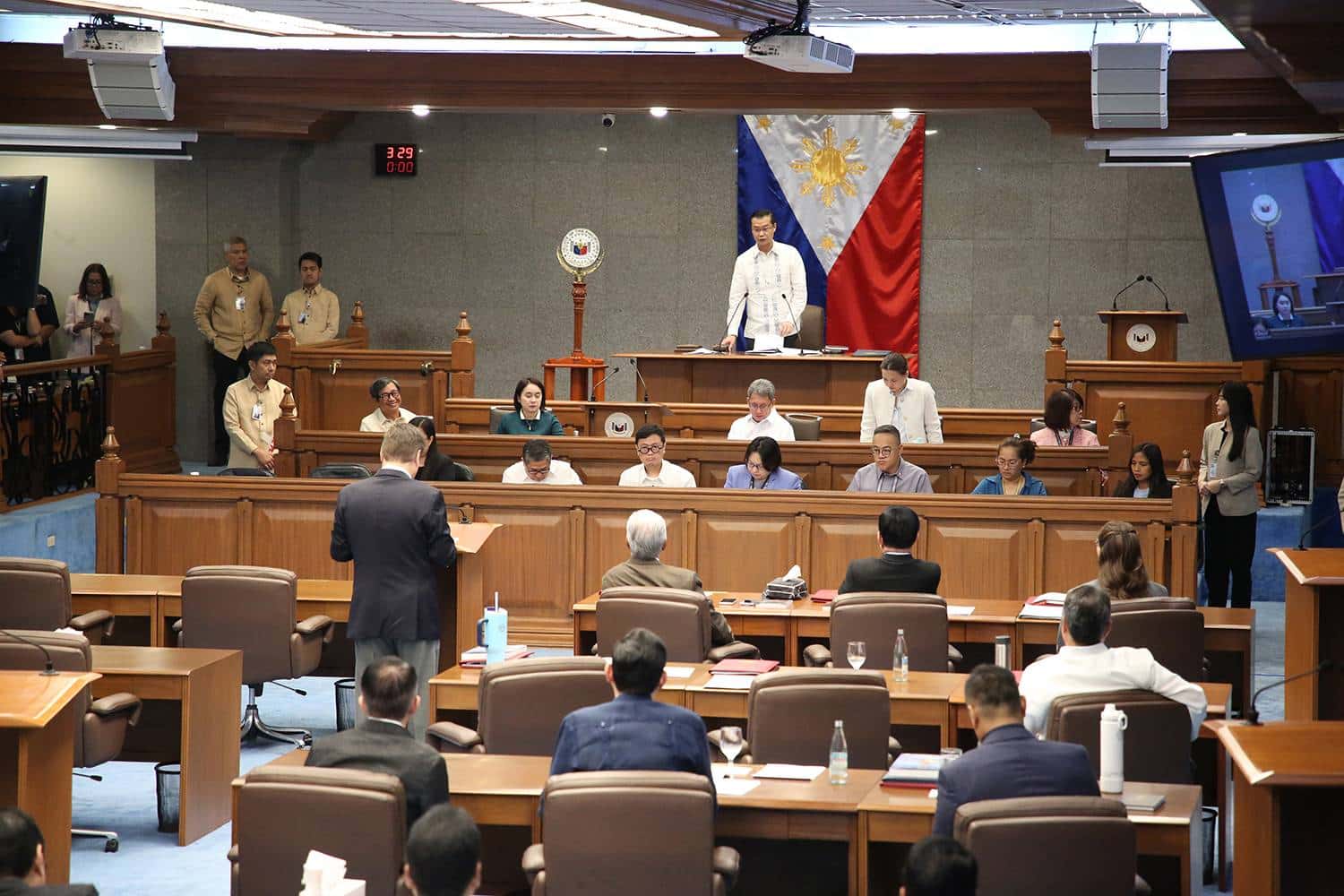
When the Jones Act of 1916 created the Philippine Senate, its first Senate president — and the longest serving one — Manuel L. Quezon, described the chamber as the seat of “the serene, mature and prudent judgment of the public.” As the primus inter pares of the chamber, the Senate president is expected to lead the collective body to articulate the reasonable voice of the republic — not to subordinate it to personal control. It is against that long-held political tradition that what is unfolding these days in the Philippine Senate presidency must be measured.
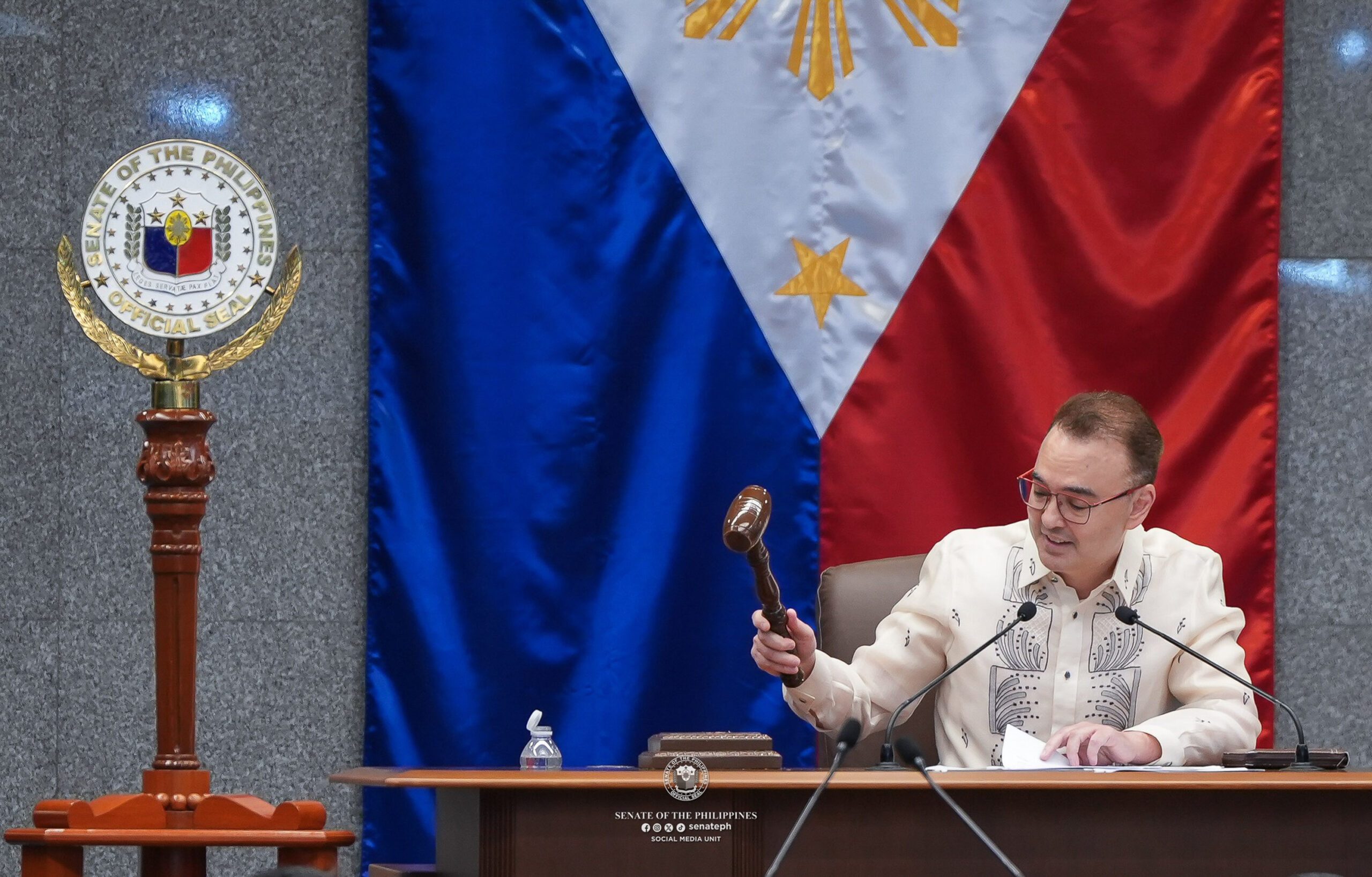
There is a particular kind of political audacity in claiming to protect an institution while systematically subordinating it to one’s own survival. Since the Cayetano Senate leadership was installed on May 11, 2026, its conduct has precisely mirrored this — constantly invoking the Senate’s dignity and independence at every turn while deploying the office to serve specific legal, electoral, and political interests.