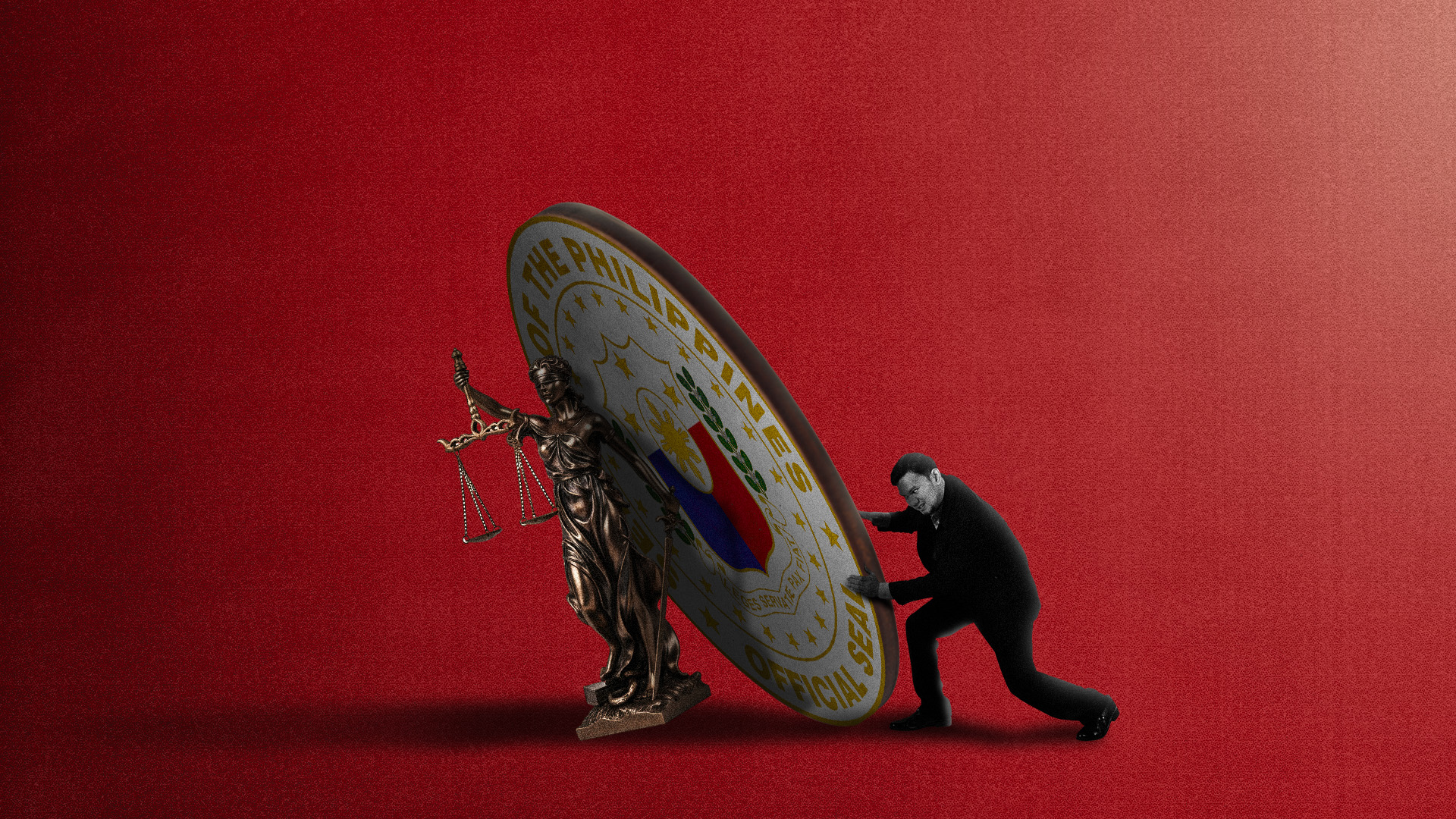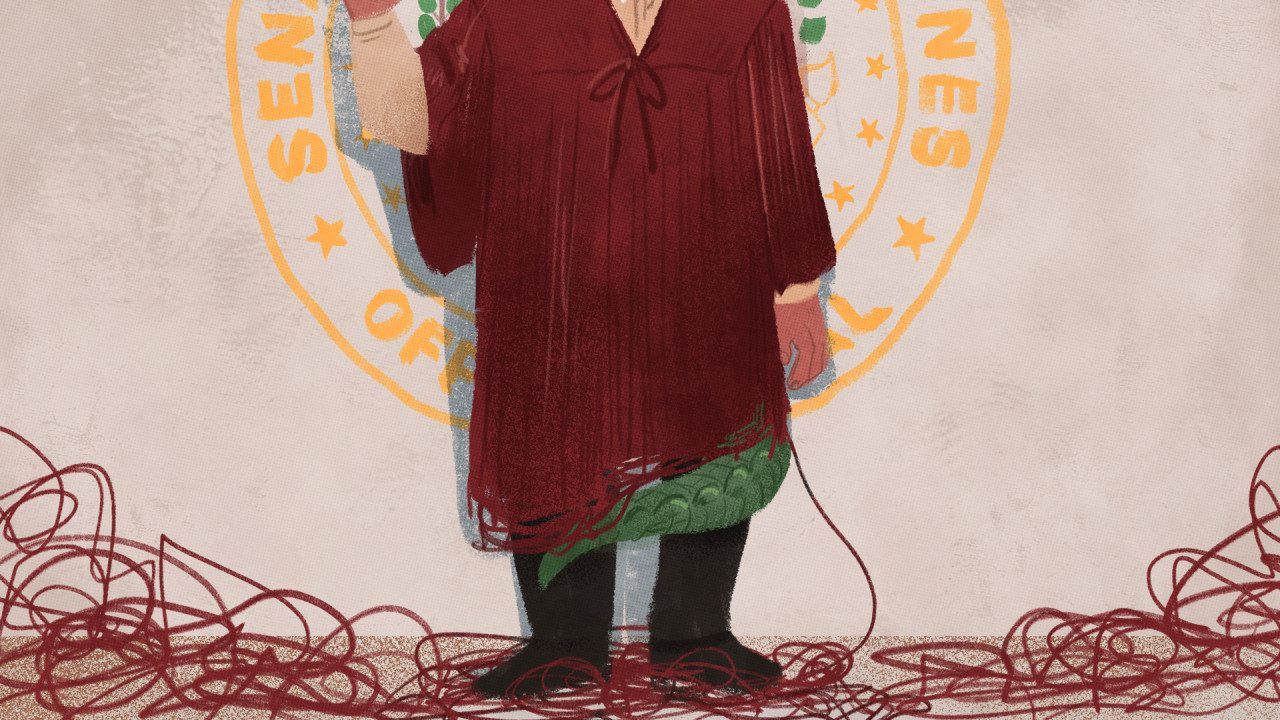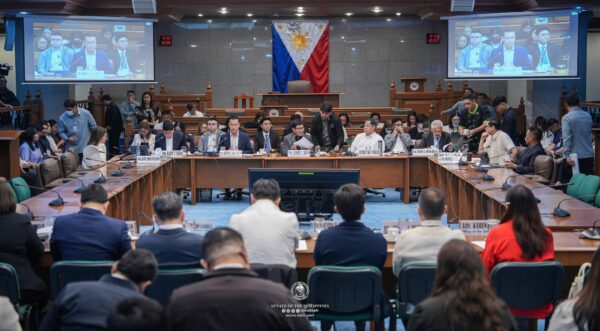
Once envisioned as the Republic’s last democratic firewall, the Philippine Senate now appears trapped in a spiral of spectacle, factional loyalty, and institutional decay. From emotional theatrics surrounding the ICC pursuit of Senator Bato dela Rosa to the growing shadow cast by flood-control anomalies, political dynasties, and unresolved corruption controversies, the chamber increasingly resembles more a sanctuary for power than a guardian of accountability.
We dissect here how a body financed by millions in taxpayer money risks losing not merely public trust, but its very moral authority — and why many Filipinos are beginning to ask a question once considered unthinkable: Was this the day the Senate died?
The Philippine Senate now risks becoming a monumental political wasteland.
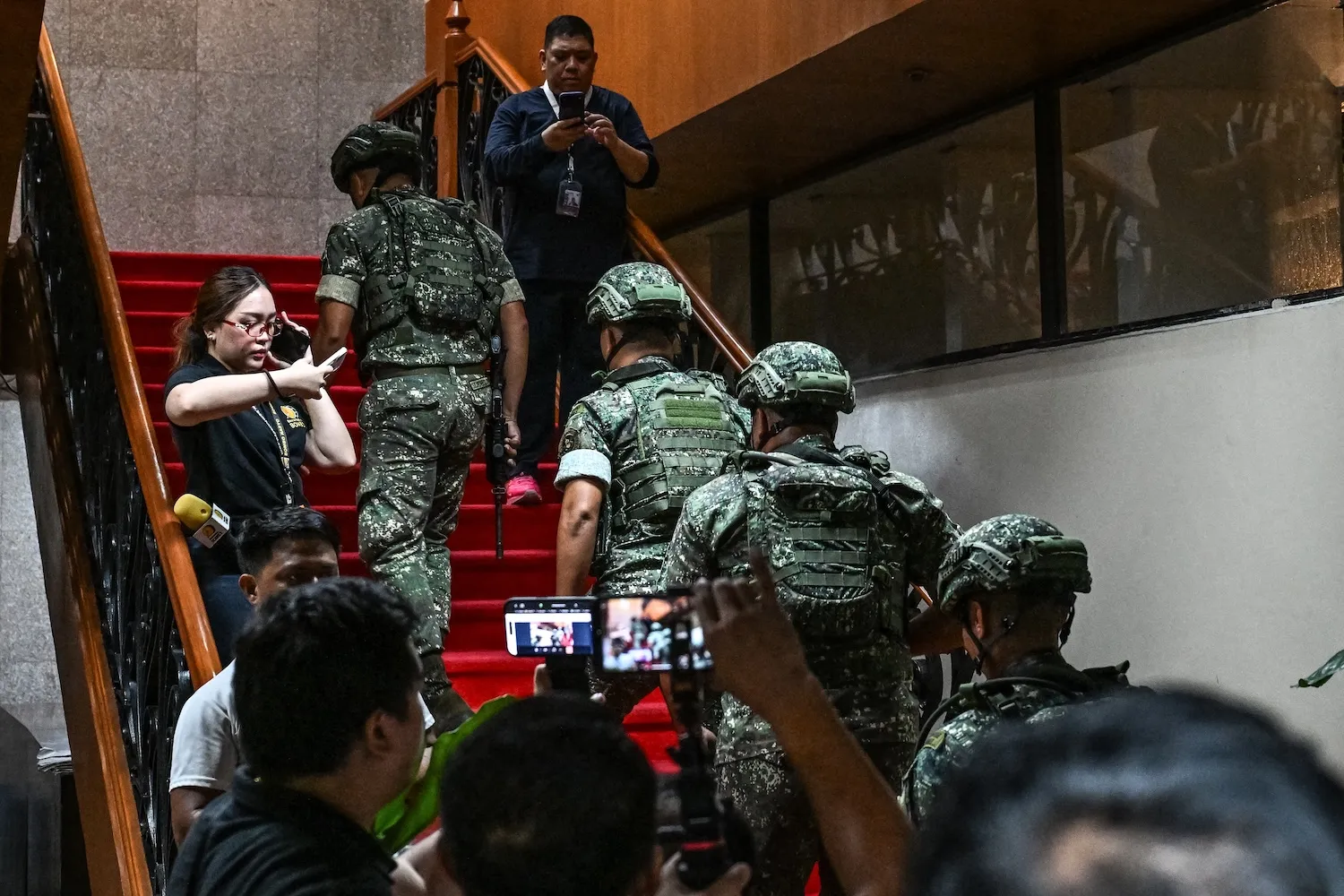
What the public saw inside the chamber recently would have once sounded too absurd even for Philippine political fiction: a senator wanted by the International Criminal Court (ICC) appeared dramatically on the Senate floor to solicit support from his allies during a leadership upheaval, followed by chaos, lockdowns, reports of gunfire, emotional speeches, and televised outrage.
Media documented how Senator Ronald “Bato” dela Rosa resurfaced in the Senate amid efforts to evade arrest linked to the ICC investigation into former President Rodrigo Duterte’s brutal drug war.