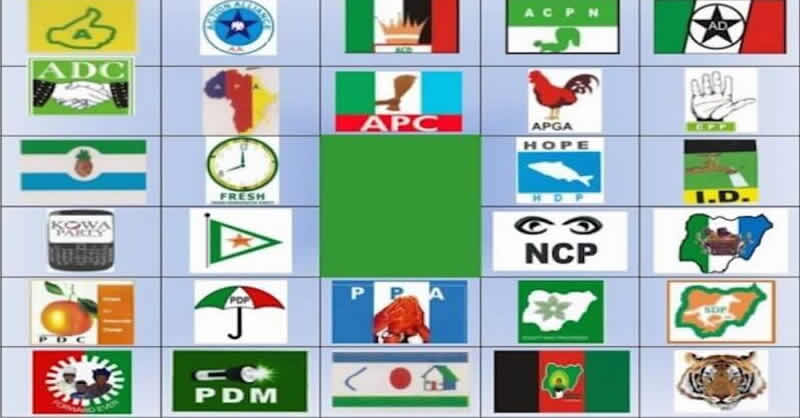
Iyobosa Uwugiaren writes that the current atmosphere in Nigeria doesn’t signal a nation that is gearing up for general elections—a defining democratic exercise.
0rdinarily, a few months before a general election, the country’s political space should be awash with political activities: debates, policy conversations, voter education campaigns, party mobilisation, and visible preparations by the Independent National Electoral Commission (INEC). The atmosphere should signal a nation gearing up for a defining democratic exercise.
However, there is a growing sense of uncertainty and unease. Beyond the routine political statements and partisan rhetoric by political actors and political parties, there appears to be little evidence of the level of preparedness expected ahead of an election that will determine the future of over 250 million citizens.
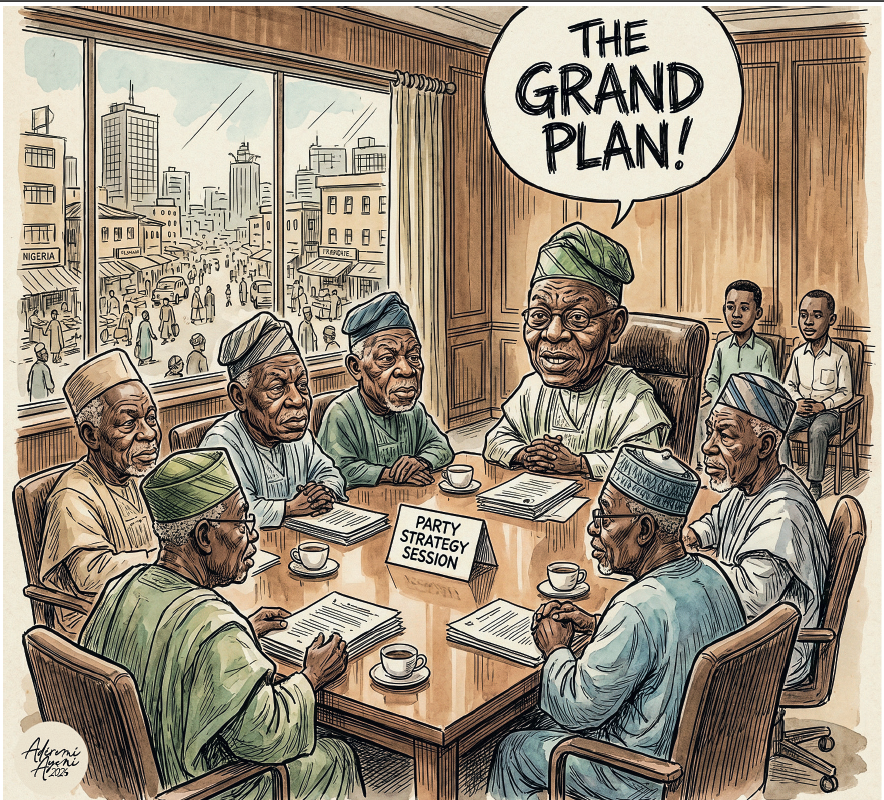
This perception may not entirely reflect reality. Electoral preparations may indeed be taking place behind the scenes. Political parties may be quietly strategizing and plotting, while the electoral body may be implementing operational plans away from public attention. However, democracy thrives not only on processes but also on public confidence. And confidence is precisely what appears to be in short supply currently.