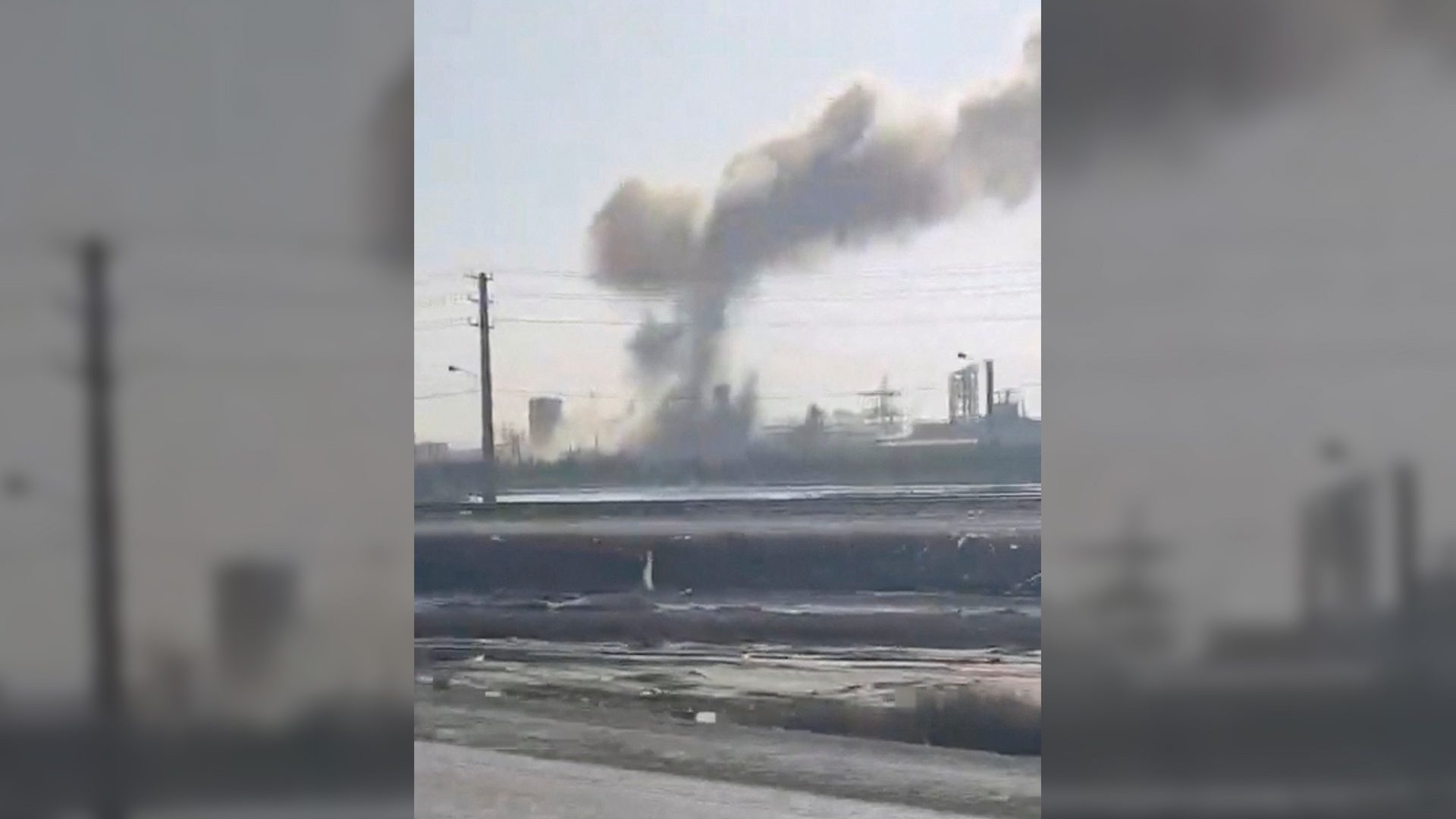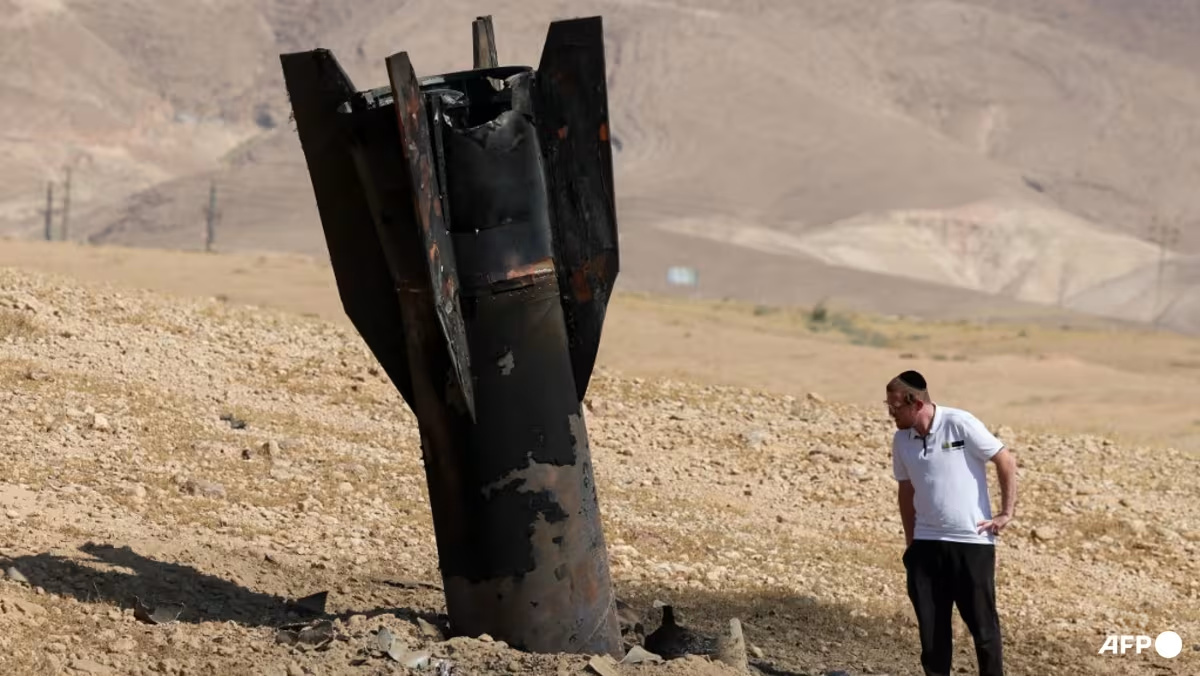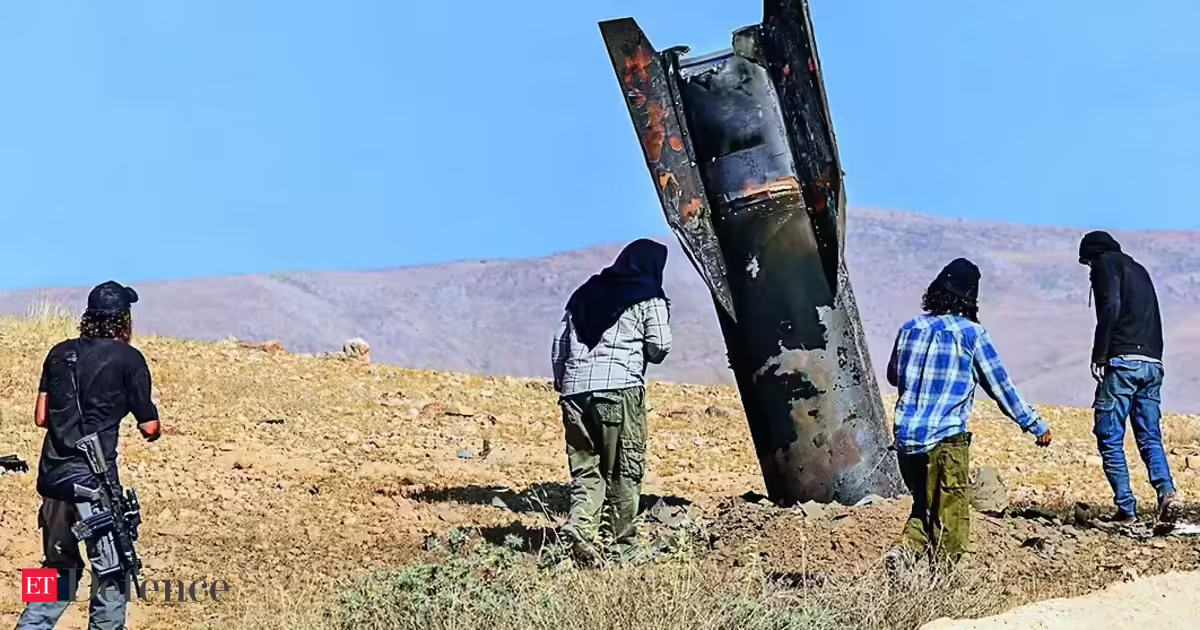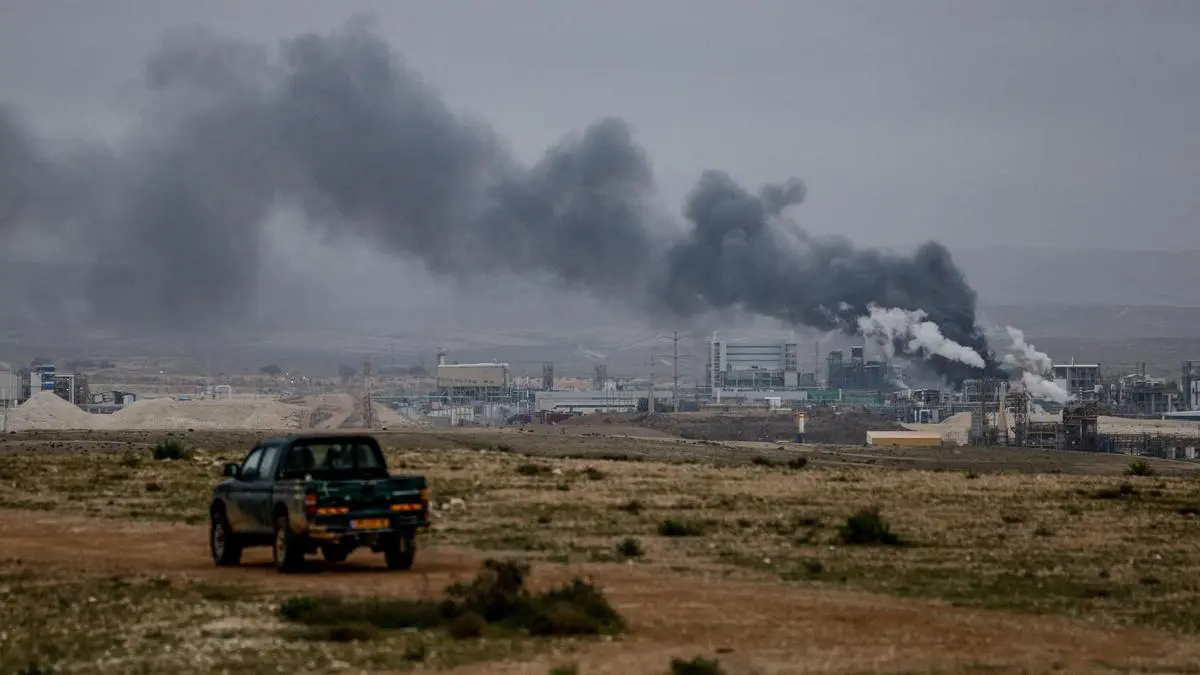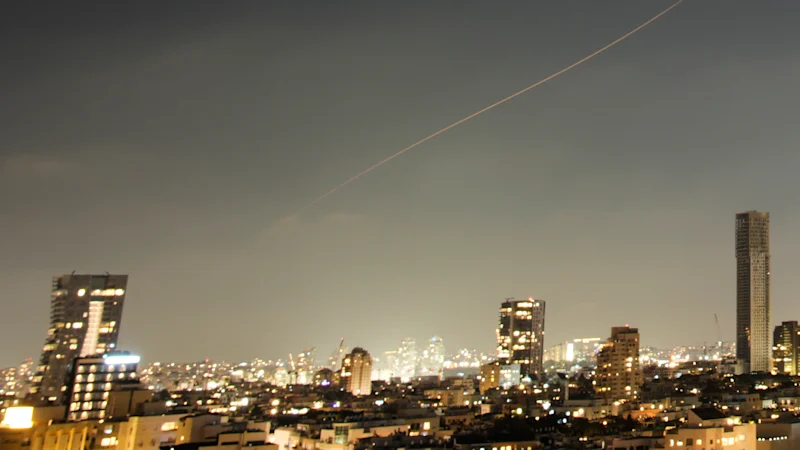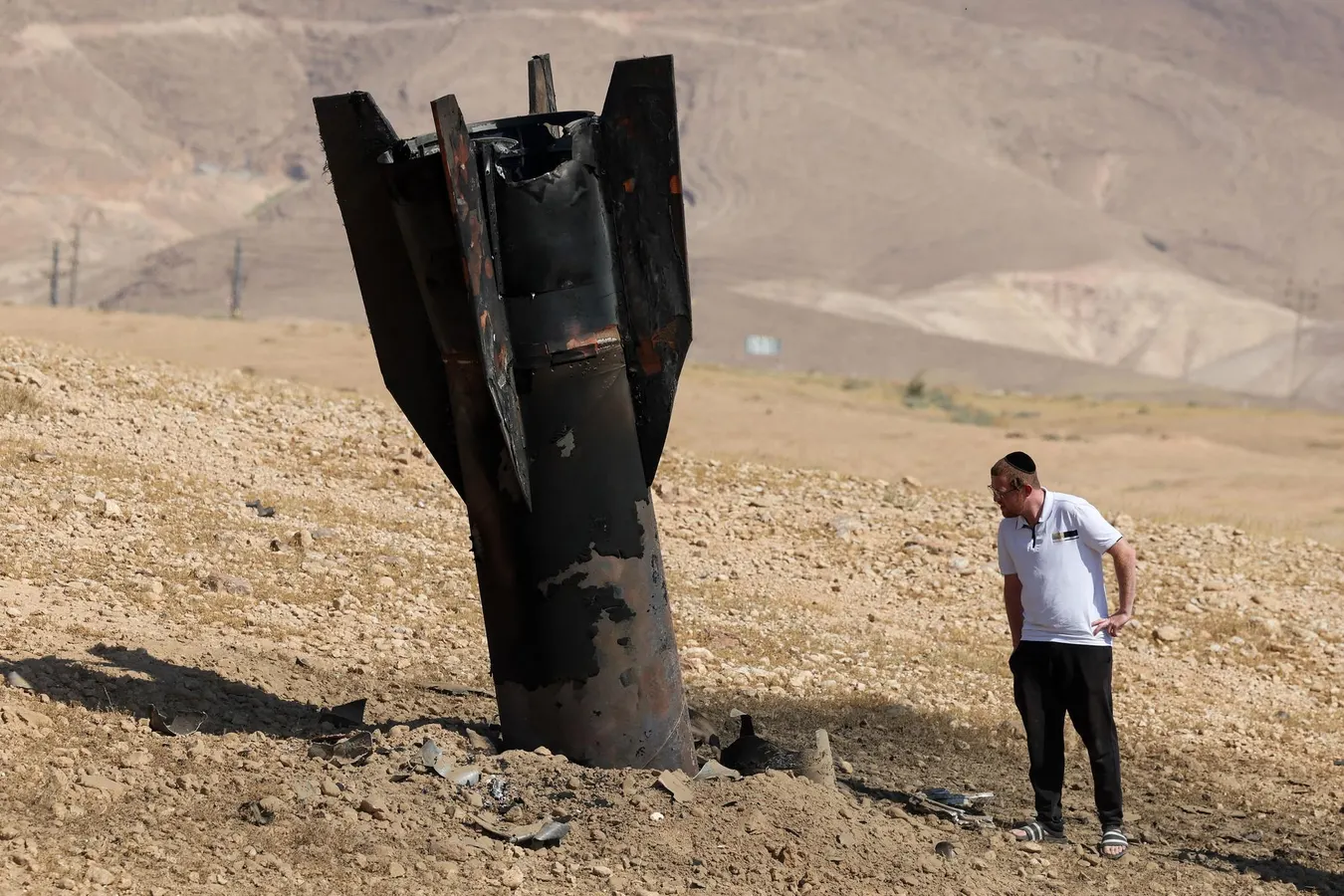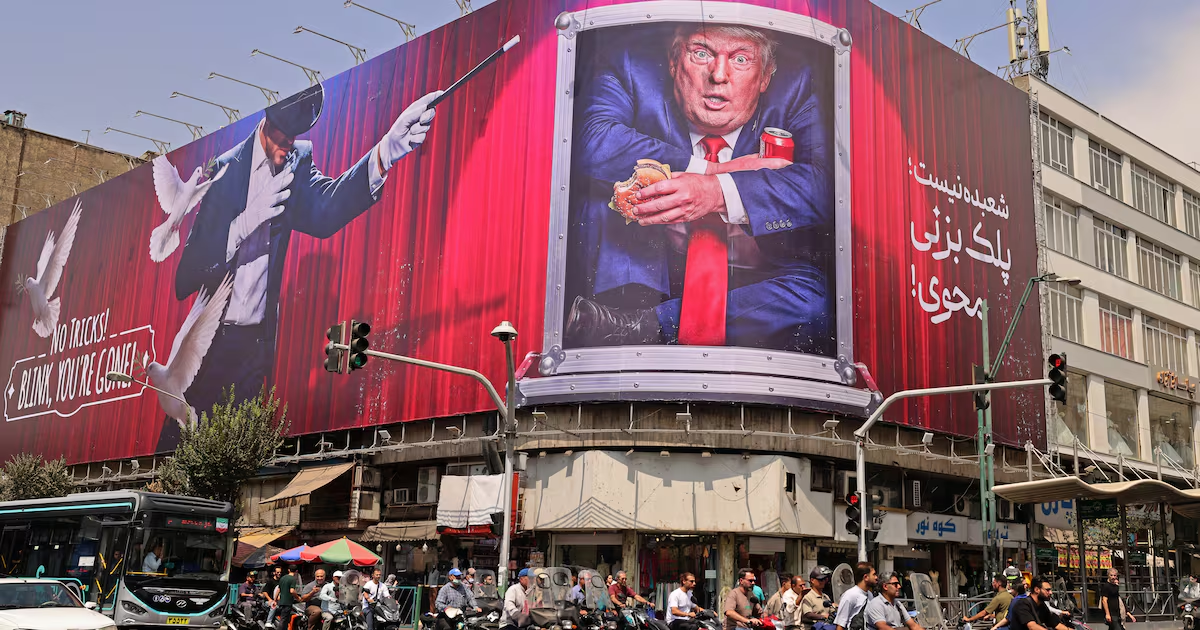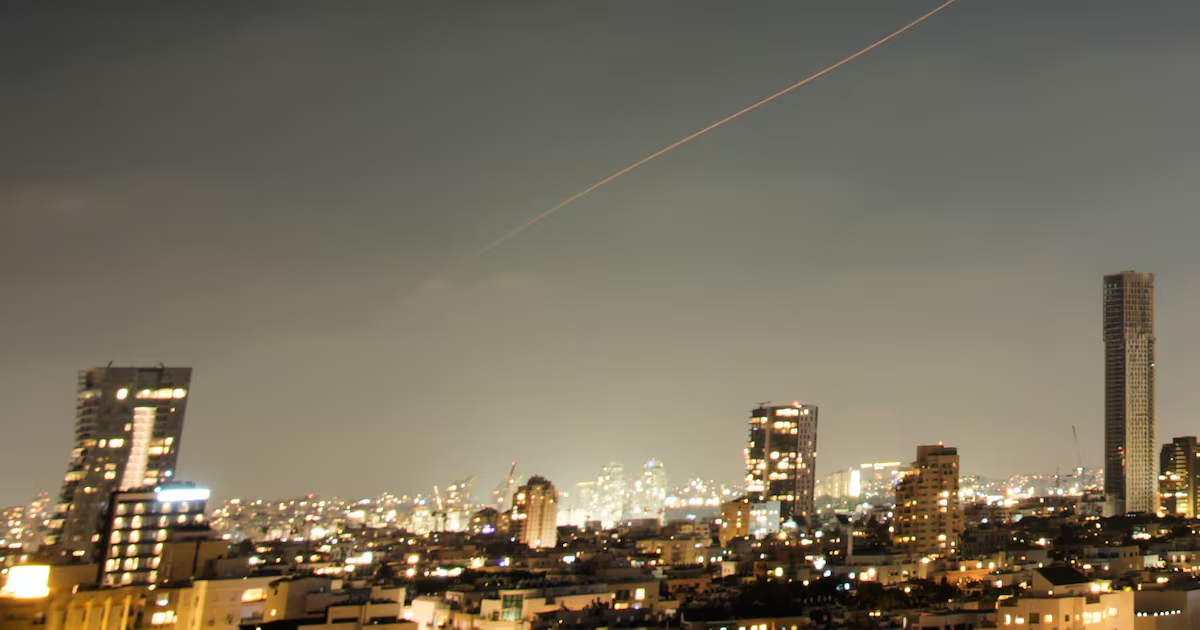
Main Points Israel’s military has fired on military targets in western and central Iran, after warning it would retaliate for the first Iranian attack on Israel since AprilUS president Donald Trump had earlier urged Israeli prime minister Benjamin Netanyahu not to retaliate for the Iranian strikes Iranian state media reported explosions in Tehran, Isfahan, Karaj and TabrizIran’s Revolutionary Guard said waves of missiles fired at northern Israel are “the beginning of a full week of continuous strikes”The uncertainty drove oil prices sharply higher on MondayKey Reads Kuwait and Bahrain targeted by Iran after exchange of fire with USUN agency chief warns of coming food crisis due to Iran warIran reaffirms support for Hizbullah with wider peace deal in doubtRonan McGreevy - 1 minute agoHouthis join in fight against IsraelYemen’s Iran-aligned Houthis said on Monday that they would ban Israeli maritime navigation in the Red Sea.They also said in a statement that they had attacked Israel. Ronan McGreevy - 54 minutes agoOil surges following renewed violence The price of oil surged after Israel said it struck military targets in Iran following missile attacks by the Islamic Republic, threatening a fragile ceasefire in the Middle East as talks to end the war falter.Brent spiked as much as 4.4 per cent to $97.15 a barrel, while West Texas Intermediate jumped above $94 before trimming some gains. “This weekend’s escalation between Israel and Iran shows us once again how fragile the ceasefire is,” said Andy Lipow, president of Lipow Oil Associates. “Increased hostilities result in a greater geopolitical risk that the strait could be closed longer than expected, while raising the odds that Iran could take additional steps to restrict shipping in the Red Sea.”A small boat moves along the shoreline where larger ships are all anchored in the Strait of Hormuz off Bandar Abbas, Iran. Photograph: Amirhosein Khorgooi/ISNA/AP Even if a US-Iran peace deal is agreed, multiple hurdles will impede normal resumption of oil flows. Among them, mines in the Strait of Hormuz must be removed, shut-in fields may take months to restart, and damage to energy infrastructure from drone and missile strikes needs to be repaired. Europe’s natural gas benchmark also jumped on Monday as the risk of a prolonged conflict threatens to choke global liquefied natural gas exports at a time when the region should be refilling inventories.Ronan McGreevy - 1 hour agoIran says transit fee to apply in Strait of Hormuz The Strait of Hormuz will be open but under new conditions to be set by Iran and Oman, including a transit fee, Iran’s ambassador to Moscow was quoted as saying on Monday.The US-Israeli war on Iran has largely cut oil flows via the strait, which before the conflict saw one-fifth of the world’s oil pass through. Several tankers have managed to pass through it recently, but oil and liquefied natural gas flows are still severely constrained.“Of course, this strait will be open, but with new conditions to be determined by the Iranian and Omani authorities,” Ambassador Kazem Jalali told the Russian newspaper Izvestia in an interview published on Monday.“We understand that Iran and Oman provide certain services related to this strait. And fees will be charged for those services,” he said without elaborating.Iran has asserted that a permanent peace deal should allow it to demand fees for ships passing through the strait, which would vary depending upon the type of ship, its cargo and prevailing conditions.That position is vehemently opposed by US president Donald Trump. In late May, the US warned Oman not to get involved in any effort with Iran to impose a toll and Treasury Secretary Scott Bessent said Oman’s ambassador had told him there were no plans to impose such tolls.Ronan McGreevy - 1 hour agoTrump ‘not happy’ about Israeli action Tehran launched about 10 ballistic missiles at northern Israel in response to Israel bombing a target in southern Beirut. Donald Trump told a Fox News reporter he wanted Iran to stop firing missiles and return to the negotiating table. He said Israel’s strikes in Lebanon were not co-ordinated with the US and “I’m not happy about it.”A senior US official said Trump had called Binyamin Netanyahu, to urge him not to retaliate immediately for the Iranian missile attack. The official, who spoke on condition of anonymity to describe a private phone call, said that Trump believed he had convinced Netanyahu to wait.Trump “got Bibi to hold off for the time being,” the official said. The official would not offer any other details of the call, and there was no immediate comment from Netanyahu’s office.Lebanese security officers gather at the site where an Israeli airstrike hit a building in Dahiyeh in Beirut’s southern suburbs on Sunday. Photograph: Hassan Ammar/AP Speaking to the Financial Times before Israel hit Iran, Trump insisted he dictated terms to Netanyahu on how the war should be prosecuted. “He won’t have any choice,” Trump told the newspaper in a telephone interview, adding that he calls “all the shots”, not Netanyahu.The skirmishes in Lebanon have been an obstacle for Iran-US negotiations. Tehran insists Lebanon be included in a broader ceasefire deal.On Sunday, Trump told NBC News he was not demanding that Lebanon be part of any peace deal with Iran, claiming again that such an agreement, which has so far proved elusive, was near.“I think they’d like to see it, but I’m not demanding,” Trump said in the interview recorded on Friday. He added: “We’re very close to a deal, or I’m going to blow the hell out of them [Iran].”Ronan McGreevy - 1 hour agoIsrael strikes Iran despite Trump plea Israel launched airstrikes on central and western Iran on Monday in apparent defiance of Donald Trump after he urged restraint over a reprisal attack by Tehran in an escalation that threatens to drag the Middle East back into a regional war.It was the first exchange of direct strikes between the two enemies since a ceasefire paused the US-Israel war with Iran in April. Iran’s attack came in response to earlier strikes on Beirut by Israel.People wave Iranian and Hizbullah flags during a rally following Iran's attack on Israel, at Valiasr square in Tehran on Sunday. Photograph: Abedin Taherkenareh/EPA Israel’s strikes on Monday came just hours after Trump had called the Israeli prime minister, Binyamin Netanyahu, to urge him not to retaliate immediately for an Iranian missile attack on Sunday night, with the US president saying: “I call all the shots. He [Netanyahu] doesn’t call the shots.”Iranian state media reported explosions in Tehran, Isfahan, Karaj and Tabriz, and Iran’s Revolutionary Guards said Israel had used air-launched ballistic missiles in its attack.Iran closed the airspace around Tehran’s Imam Khomeini international airport – the country’s main airfield – after the Israeli attack.The White House did not respond to messages about the Israeli strikes and whether they were done in coordination with the US.
Trump ‘not happy’ with Israeli strikes on Iran; oil prices surge after escalation
Tehran launched about 10 ballistic missiles at northern Israel in response to Israel bombing a target in southern Beirut
1,138 words~5 min read