As the High Seas Treaty enters implementation, Mediterranean countries face a strategic choice: shape the rules from the outset or remain on the sidelines. In a region defined by ecological interdependence and fragmented governance, participation in implementing the Treaty is a strategic necessity.
After decades of negotiations, the High Seas Treaty finally entered into force in January 2026. The question is no longer whether the Agreement under the United Nations Convention on the Law of the Sea on the Conservation and Sustainable Use of Marine Biological Diversity of Areas beyond National Jurisdiction (BBNJ Agreement) matters, but who will shape how it works in practice.
In January 2027, governments will gather for the Agreement’s first Conference of the Parties (COP1). The decisions expected to be adopted will not be procedural housekeeping. Early decisions on governance arrangements, subsidiary bodies, implementation mechanisms and cooperation processes will help determine whether the Agreement becomes an effective tool for ocean governance or a weaker framework constrained by institutional caution.
For the Mediterranean, this matters more than many might think.
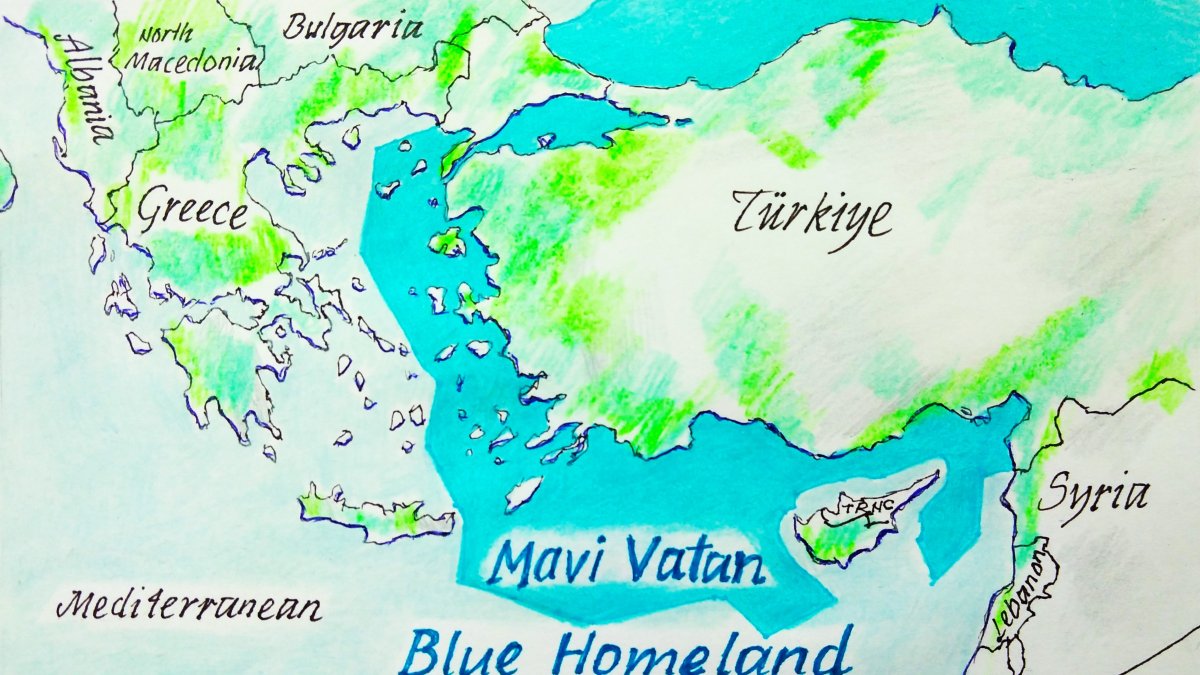
The region is sometimes treated as peripheral to the BBNJ conversation, associated more with complex maritime jurisdictional questions than with high seas governance. We believe that framing misses the point.