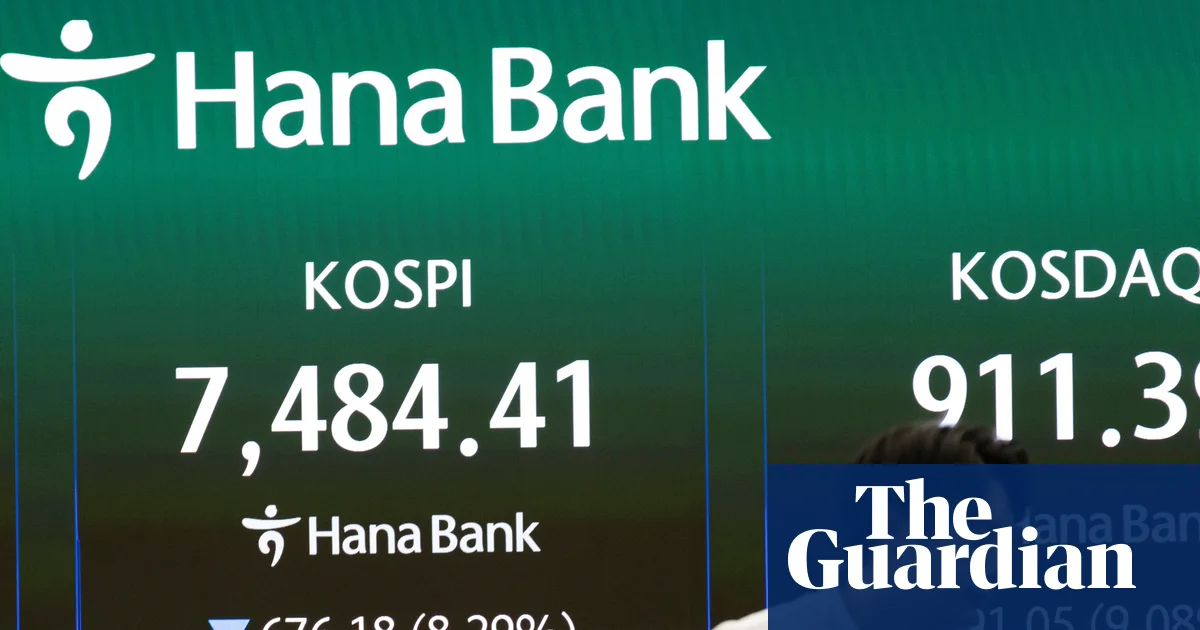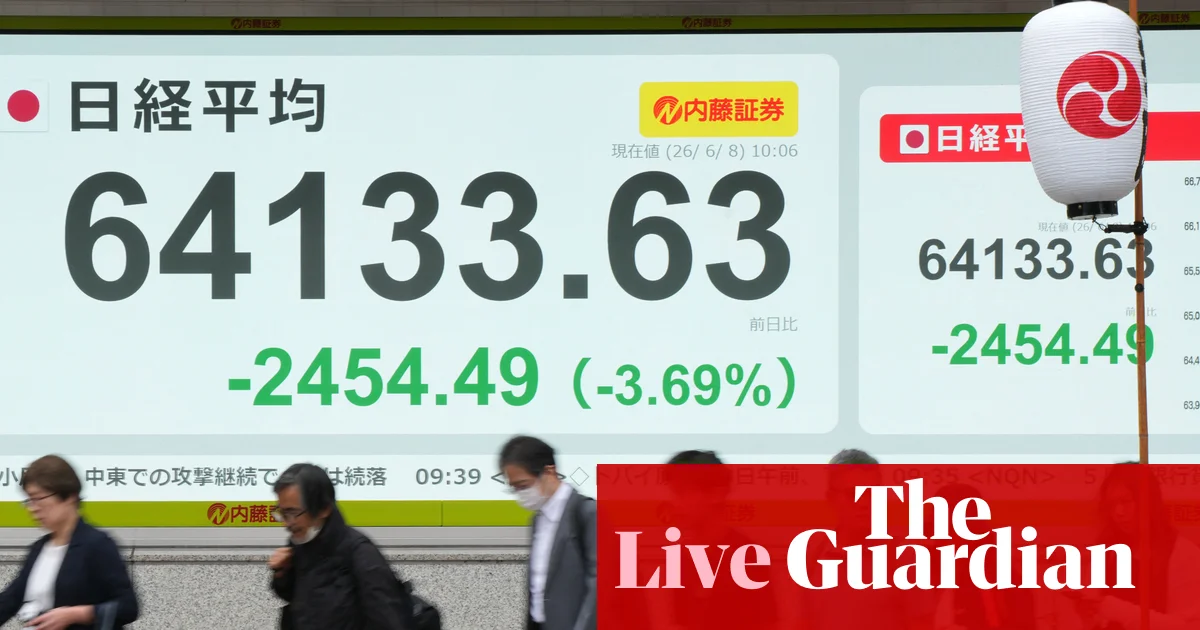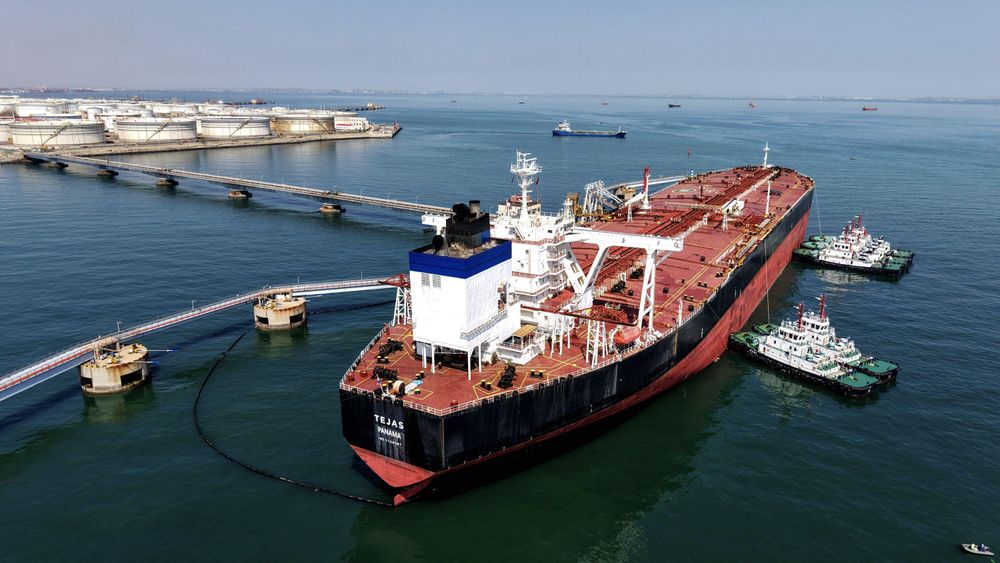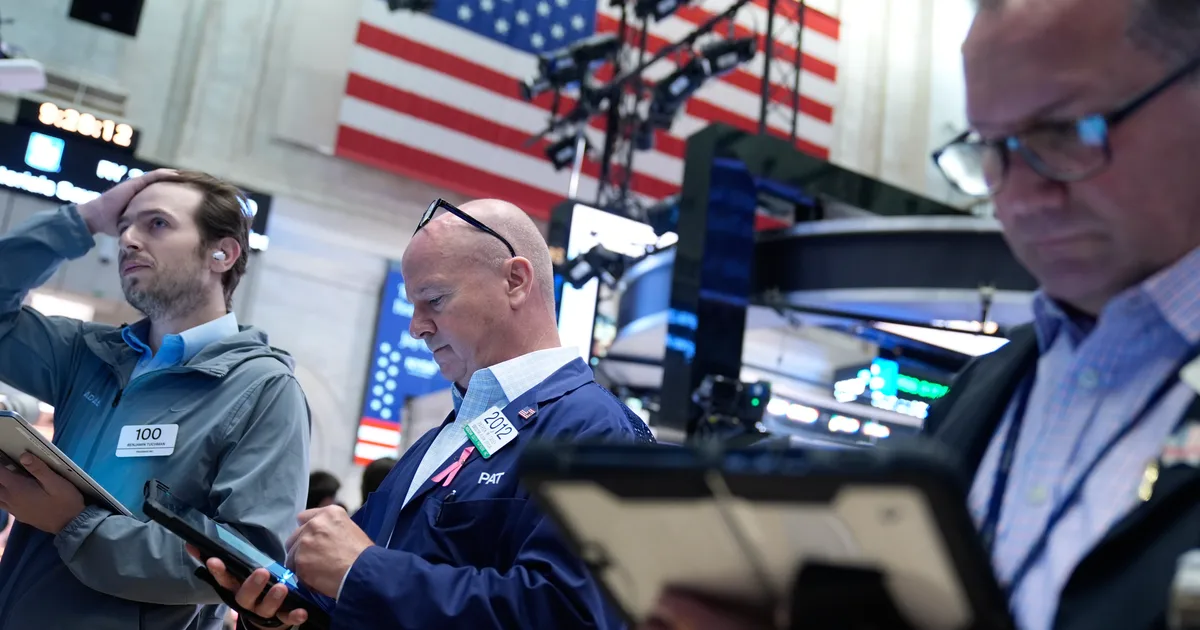
Oil prices rose on Monday morning after Iran and Israel traded attacks, leading to concerns about an extended war hitting supply, while stocks fell globally on geopolitical tensions and fears of an artificial intelligence bubble.Brent, the benchmark for two thirds of the world's oil, was trading 4.23 per cent higher at $97.03 a barrel at 8.39am UAE time on Monday. West Texas Intermediate, the gauge that tracks US crude, was up 4.13 per cent at $94.32 a barrel. The Israeli army on Monday morning said it struck "military targets" in western and central Iran. That came hours after Tehran launched missiles and drones towards Israel in retaliation for Israeli strikes on Beirut's southern suburbs.Oil on Friday posted its first weekly gain in three weeks as renewed fears of war accelerated concerns about supply disruption. Oil prices remain volatile "driven by headlines around the Iran war and any peace talks", said Daniel Richards, senior economist at Emirates NBD. Meanwhile, global stocks retreated on Monday morning, as rising oil prices stoked inflation fears and the sell-off in US tech stocks hit sentiment. South Korea’s Kospi index fell by more than 8 per cent in early trading, prompting the stock market to halt trading for 20 minutes. Tokyo's Nikkei was down 3.66 per cent, the Shanghai Composite was 1.2 per cent lower while Hong Kong's Hang Seng Index fell 1.06 per cent.On Friday, US stocks fell sharply after traders dumped mega-cap technology stocks, with the Nasdaq 100 Index closing 4.8 per cent lower, marking its biggest drop since April 2025. The S&P 500 Index also dropped by 2.6 per cent."US equities and treasuries sold off sharply on Friday after a surprisingly strong May jobs report dented hopes of near-term Fed easing," Mr Richards said. Nonfarm payrolls rose by 172,000, far above the 88,000 forecast, while April’s gain was revised up to 179,000 from 115,000. Hiring was strongest in leisure and hospitality, government and education and financial activities. The information sector shed jobs. "The figures pointed to a labour market that remains resilient, making further rate cuts this year less likely. Markets now fully price in a 25 basis points hike by year-end; before the release, a full cut was not priced until the March 2027 meeting," he added.
Oil prices soar over Iran war as stocks fall on AI bubble concerns | The National
Asian stock markets were in the red on Monday, with Korea's Kospi briefly halting trading
375 words~2 min read