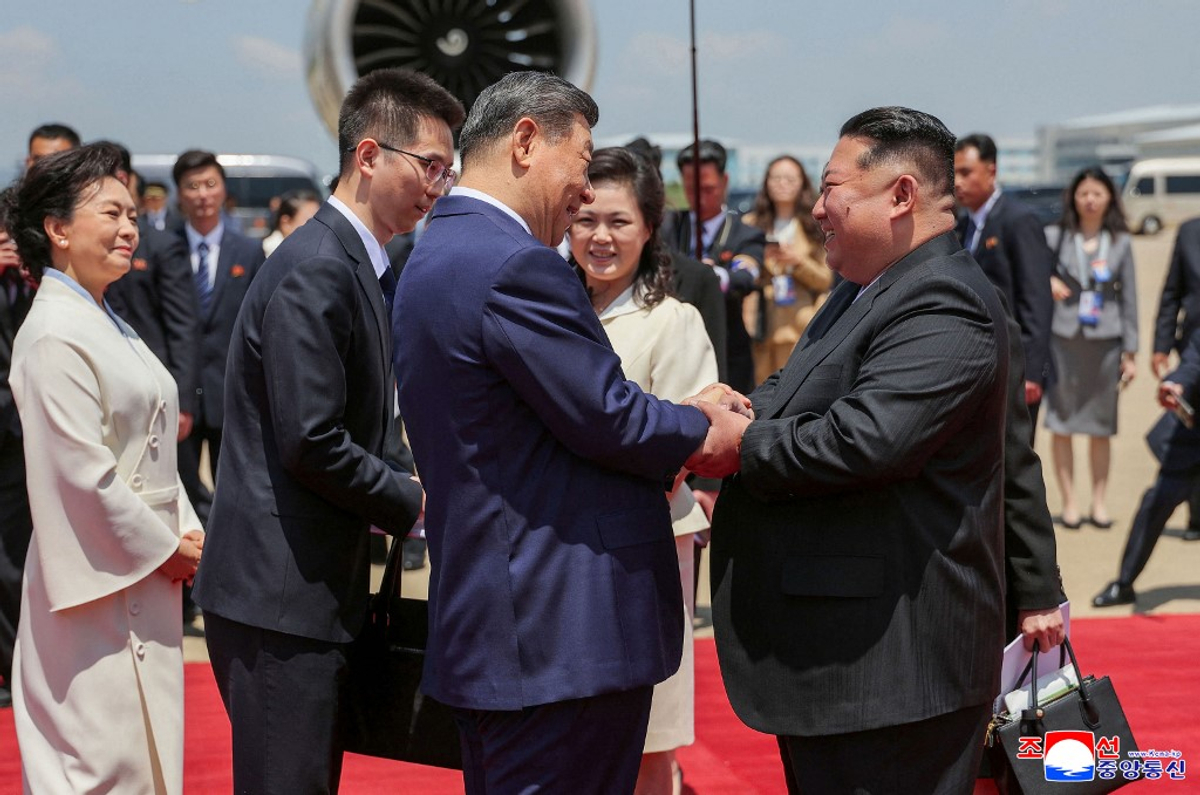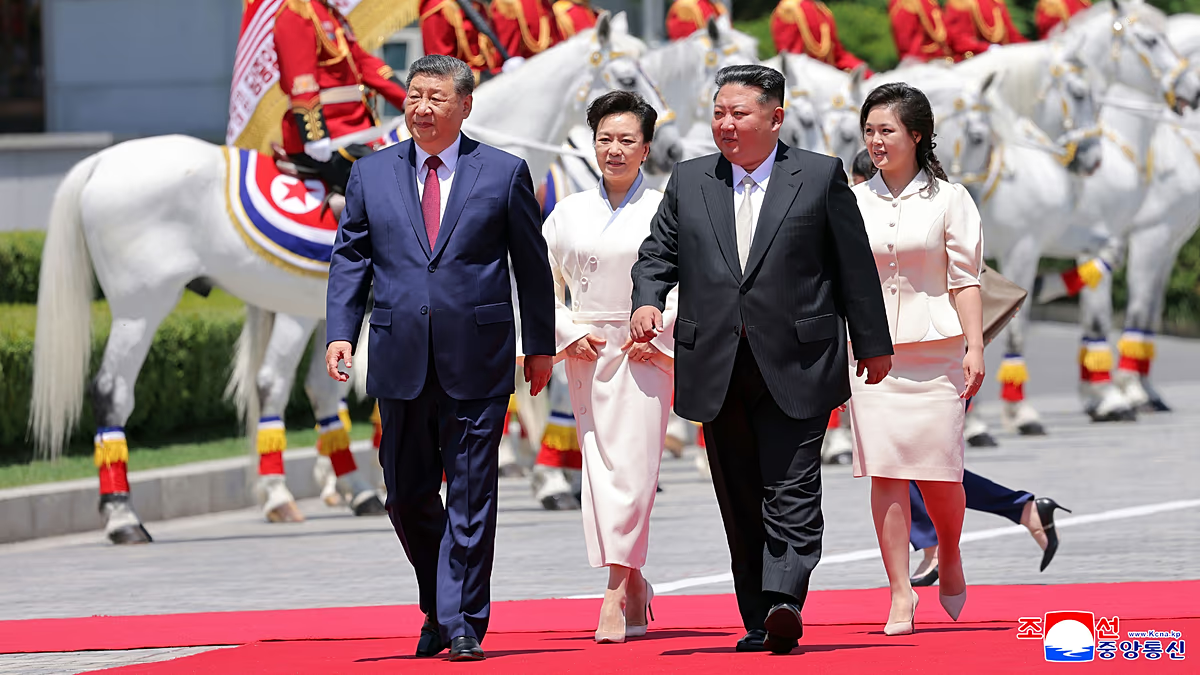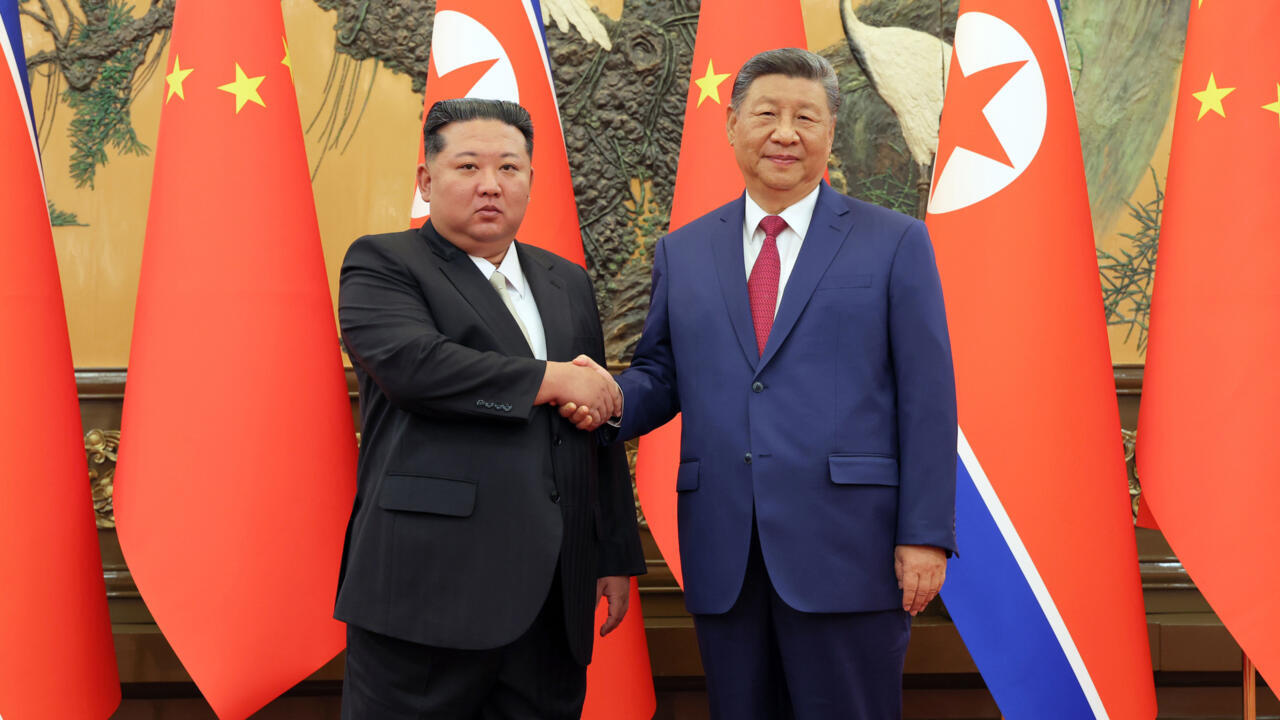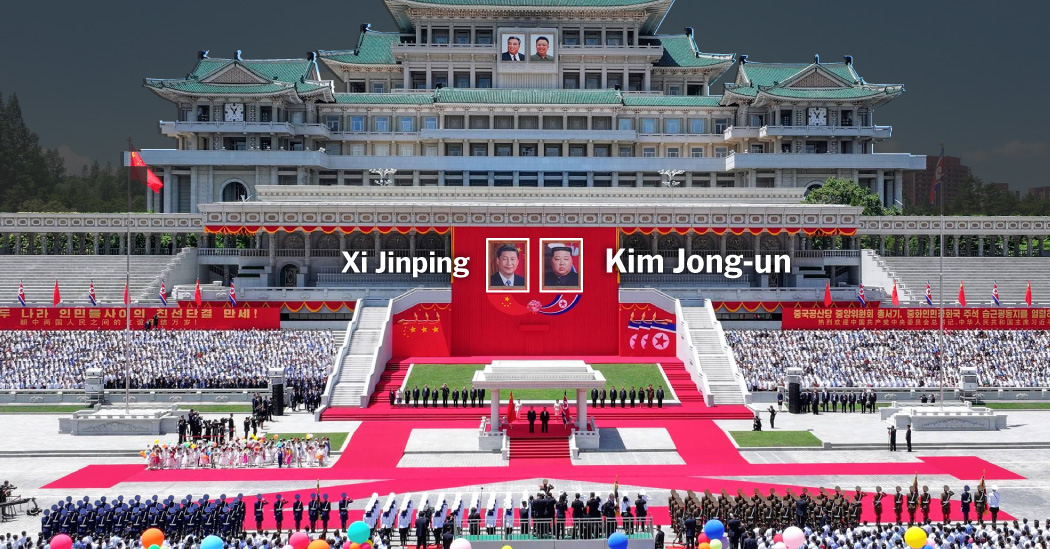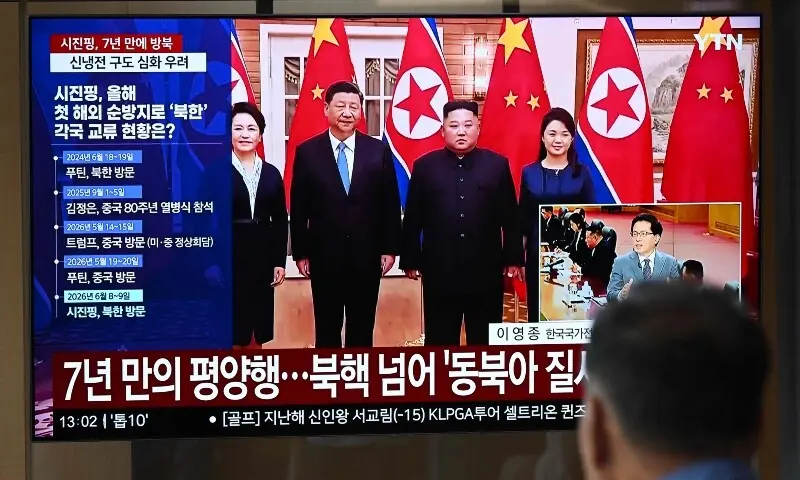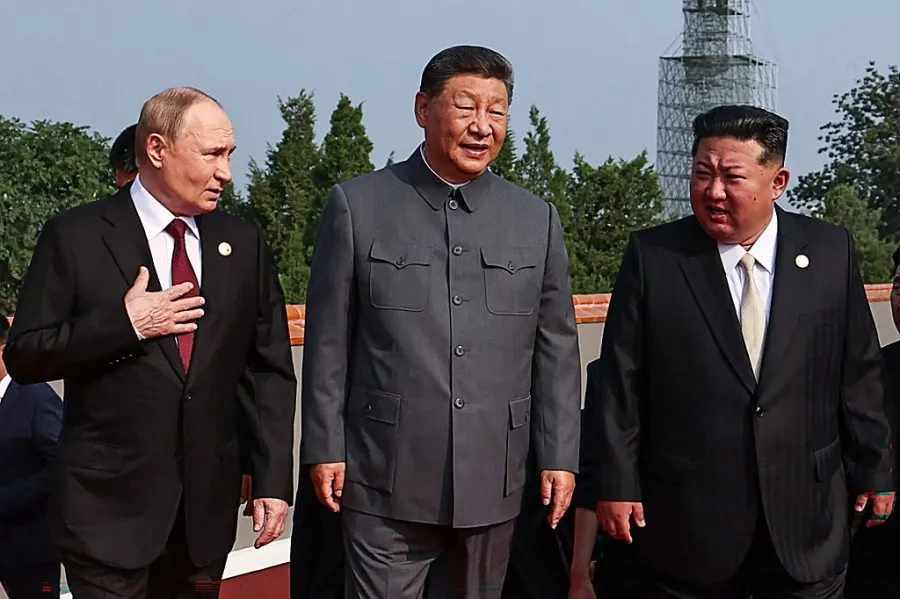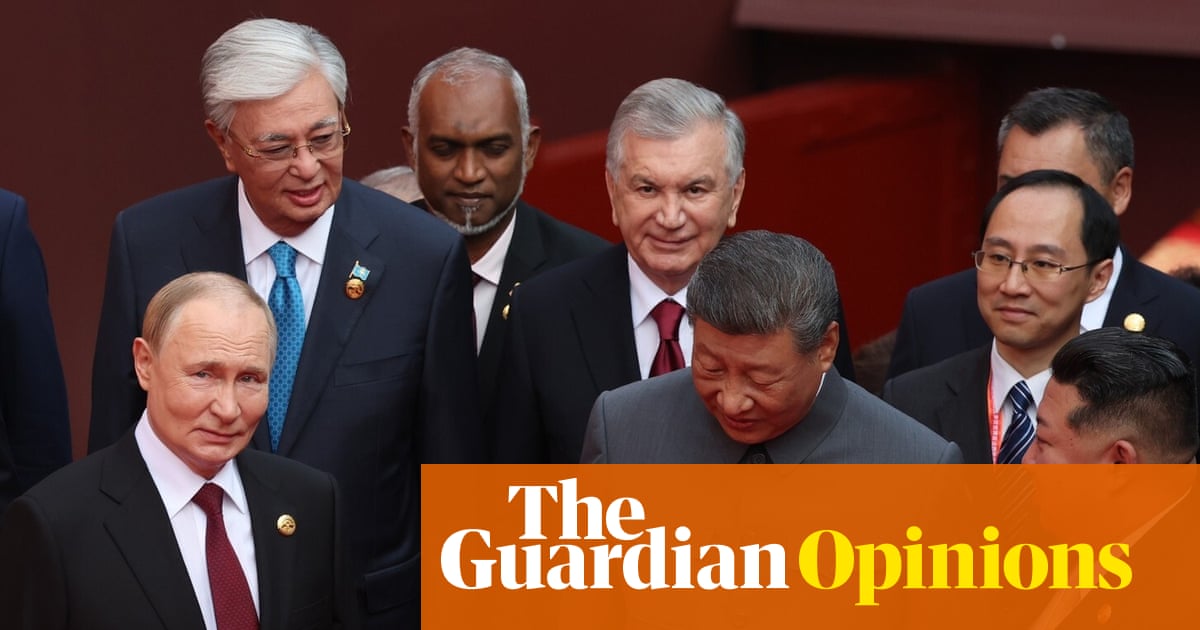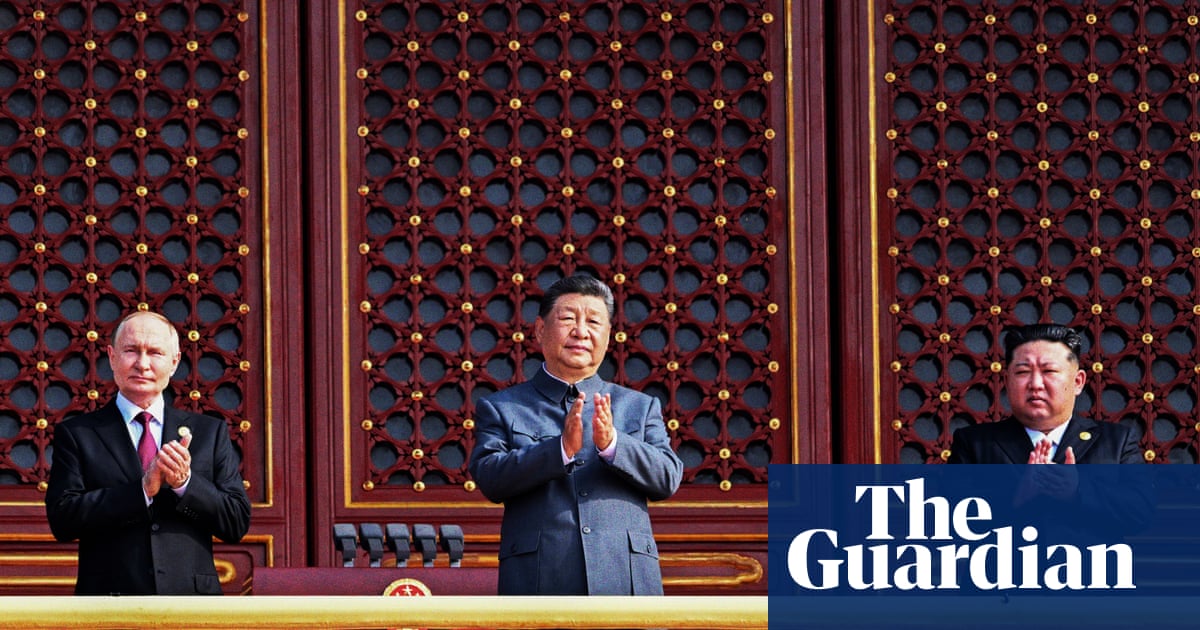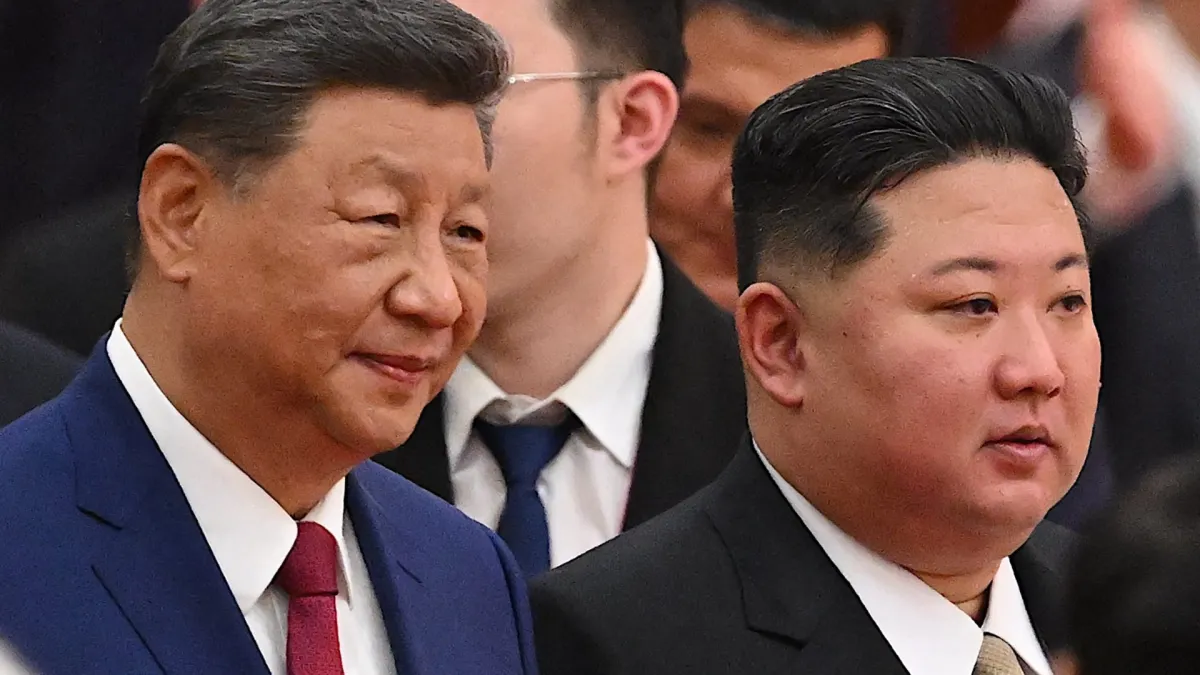
When Xi Jinping’s plane touches down in Pyongyang this week, for his first visit to North Korea in seven years, the image itself might feel like a subtle shift in the world’s balance.
As Washington publicly strains its alliances – most recently with Defence Secretary Pete Hegseth using a D-Day commemoration in Normandy to warn Europe of an “invasion” of migrants, invoking rhetoric some of the watching dignitaries would once have associated only with the far-right fringe – an old authoritarian relationship may be finding renewed purpose.
For Beijing, this week’s visit is about something much larger than North Korea itself. China is increasingly seeking to present itself not simply as a great power, but as a predictable one: a safe pair of hands increasingly willing to cast itself as a stabilising force in a fragmenting world, too economically central to isolate and far too influential to ignore.
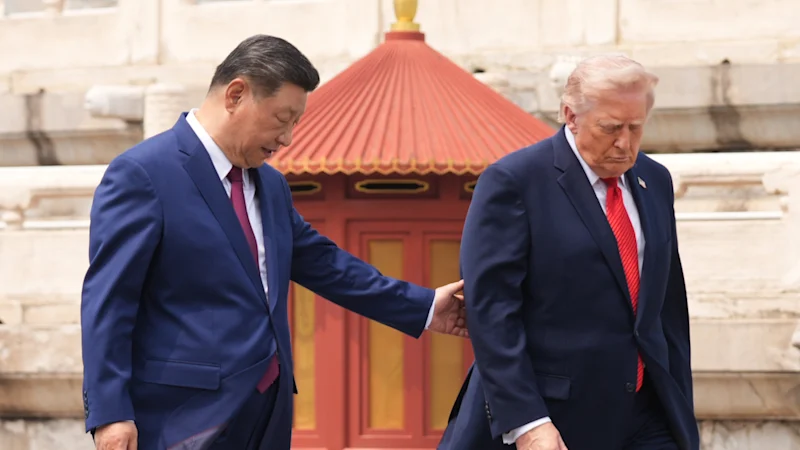
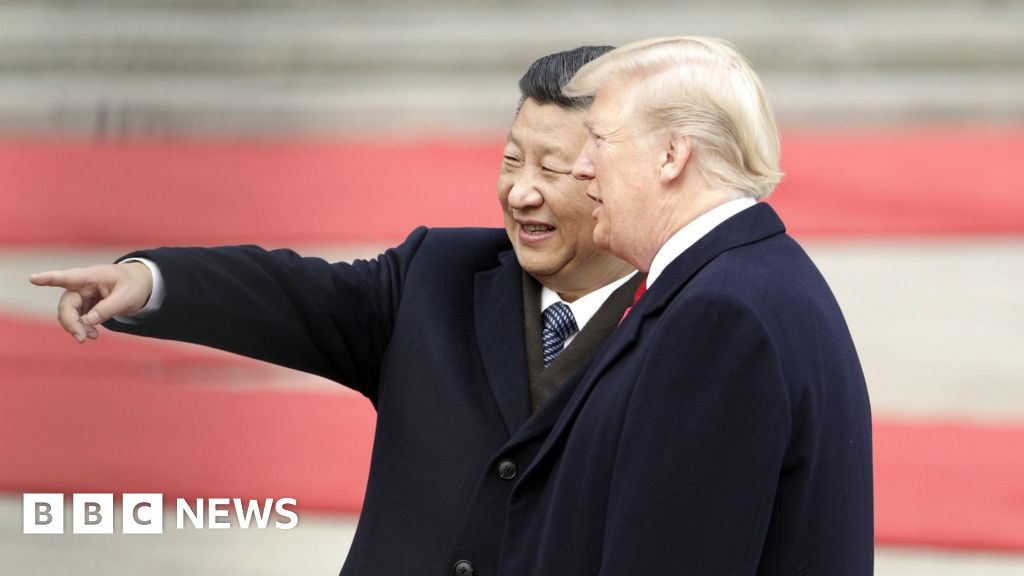
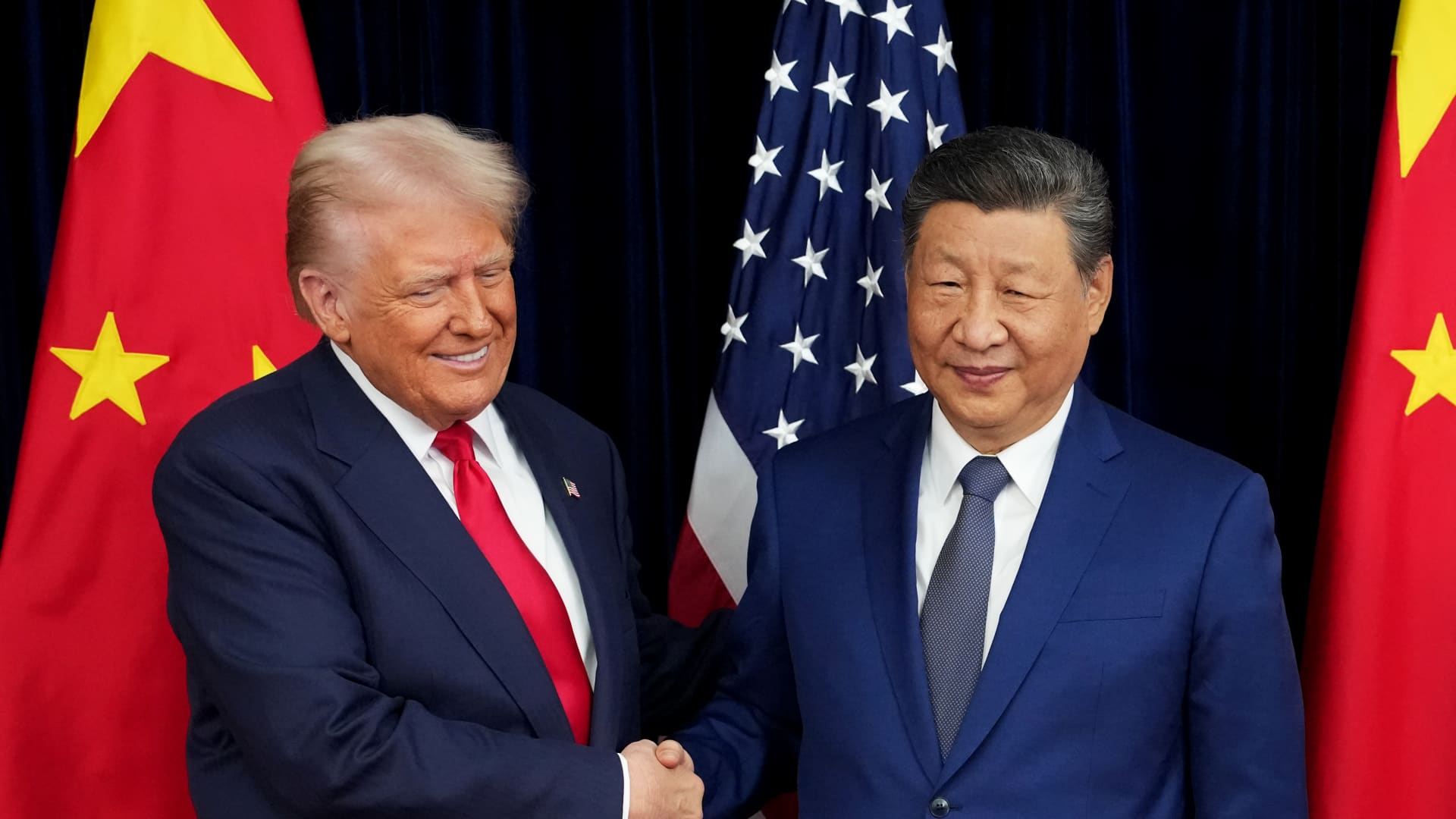
Xi wants to appear as the anti-Trump – steady where Washington looks volatile, disciplined where America appears distracted. And his message is aimed not just at longstanding partners unsettled by America’s direction, but strategic adversaries who might feel compelled to reassess not only their reliance on the US, but their assumptions about China itself.