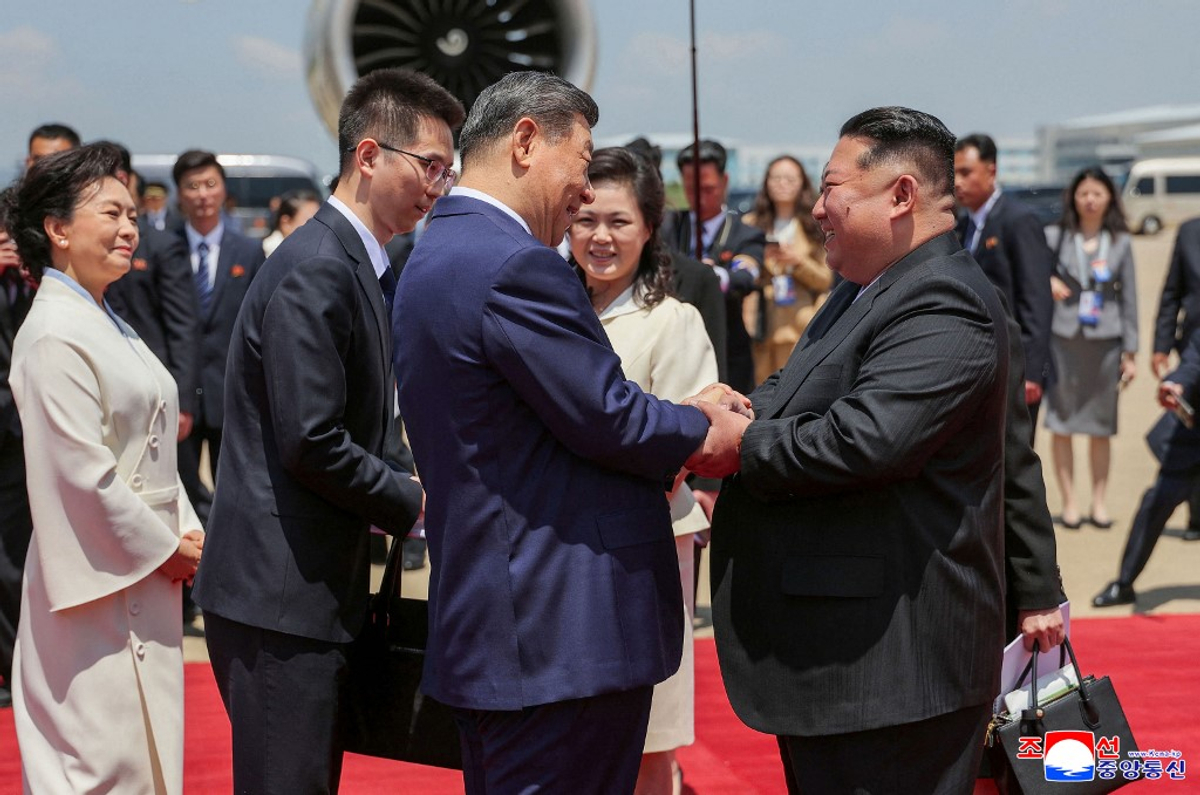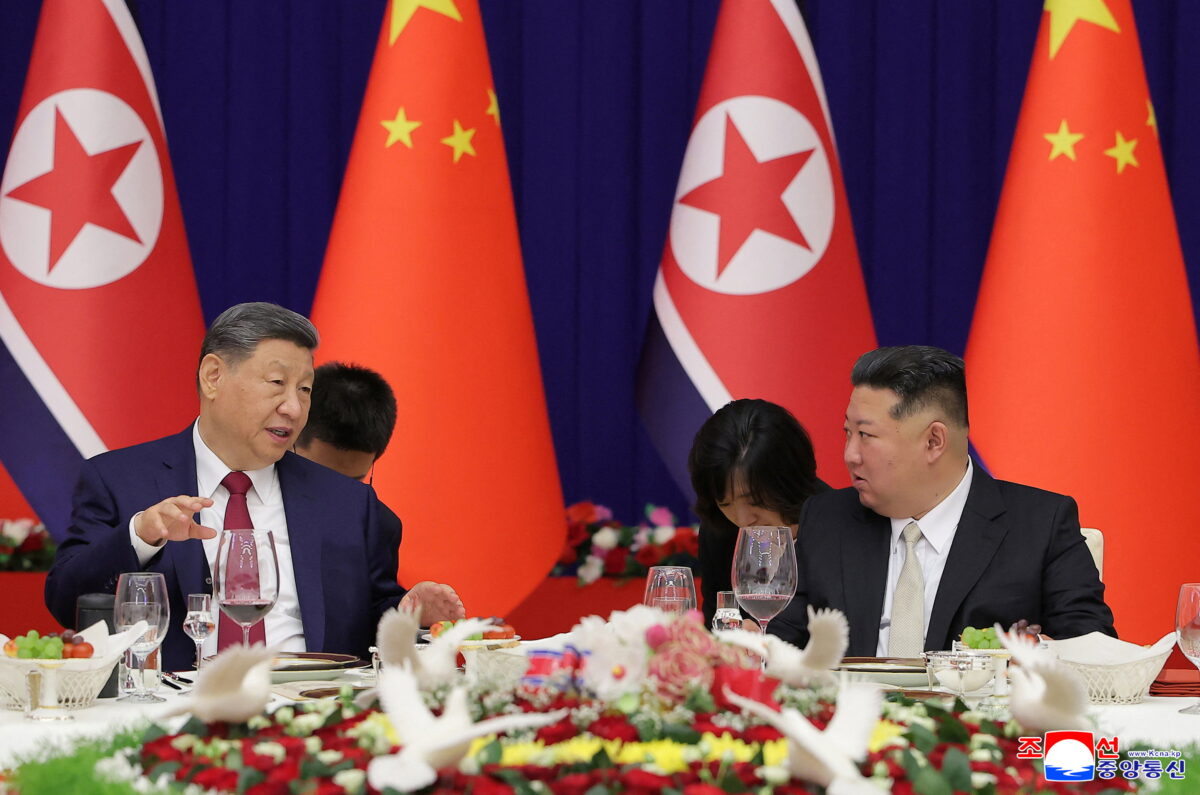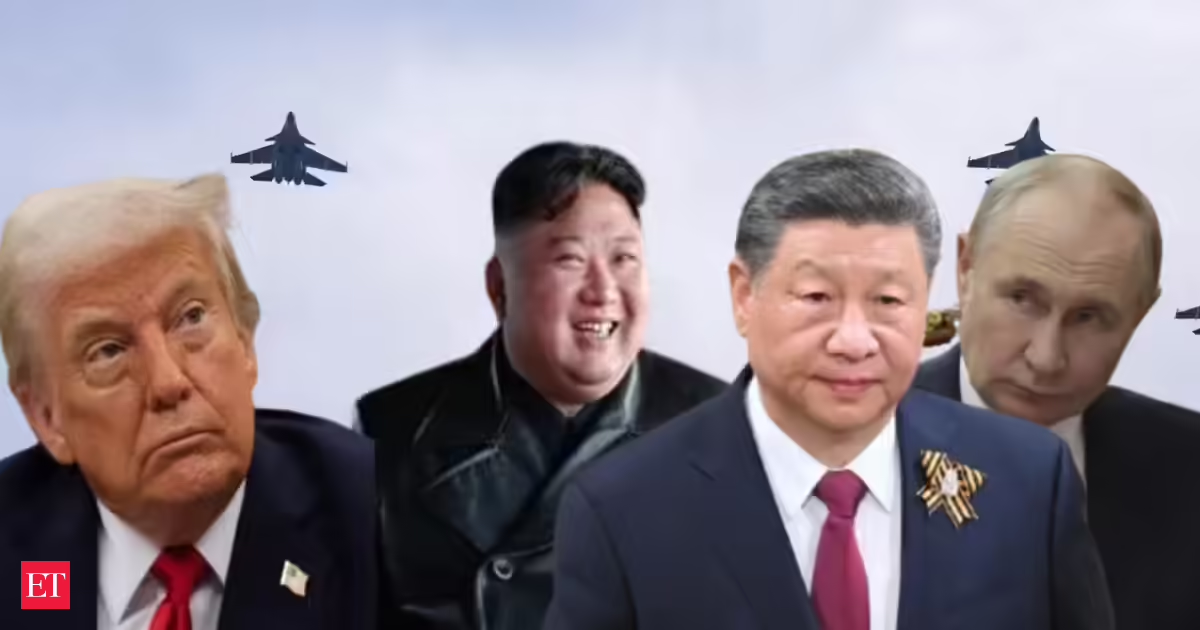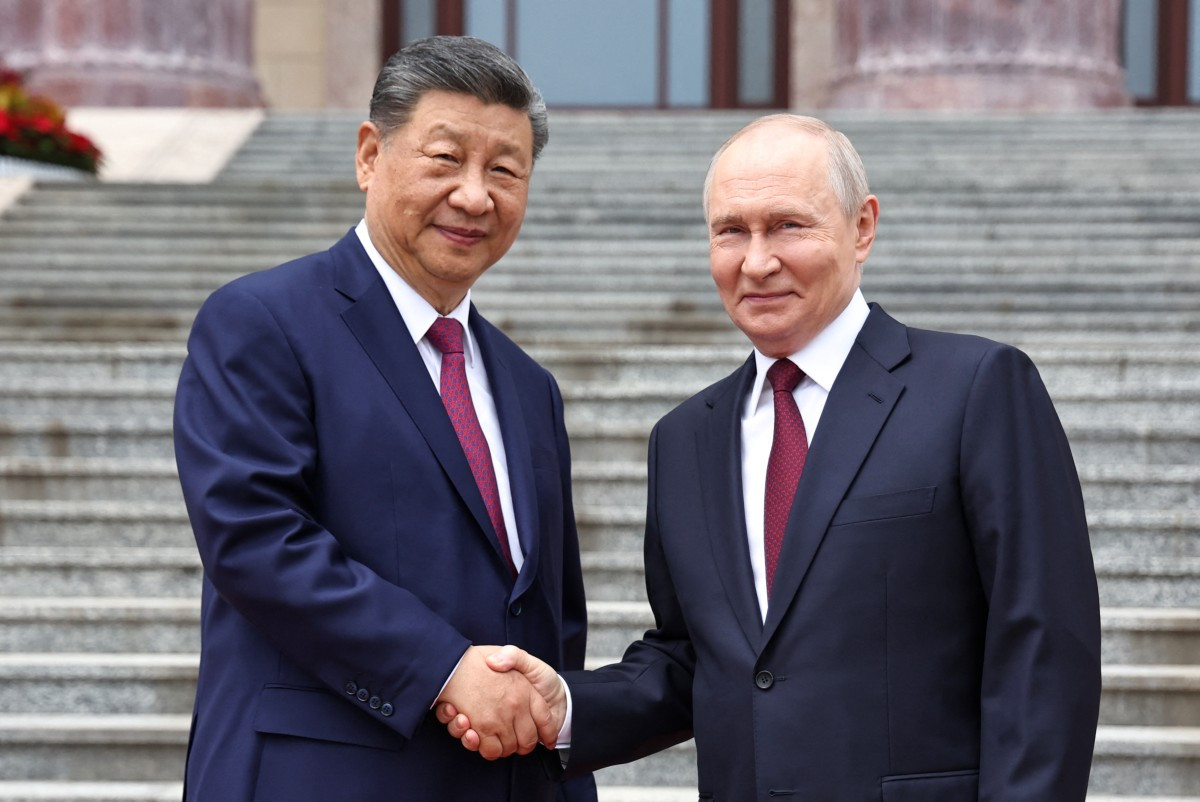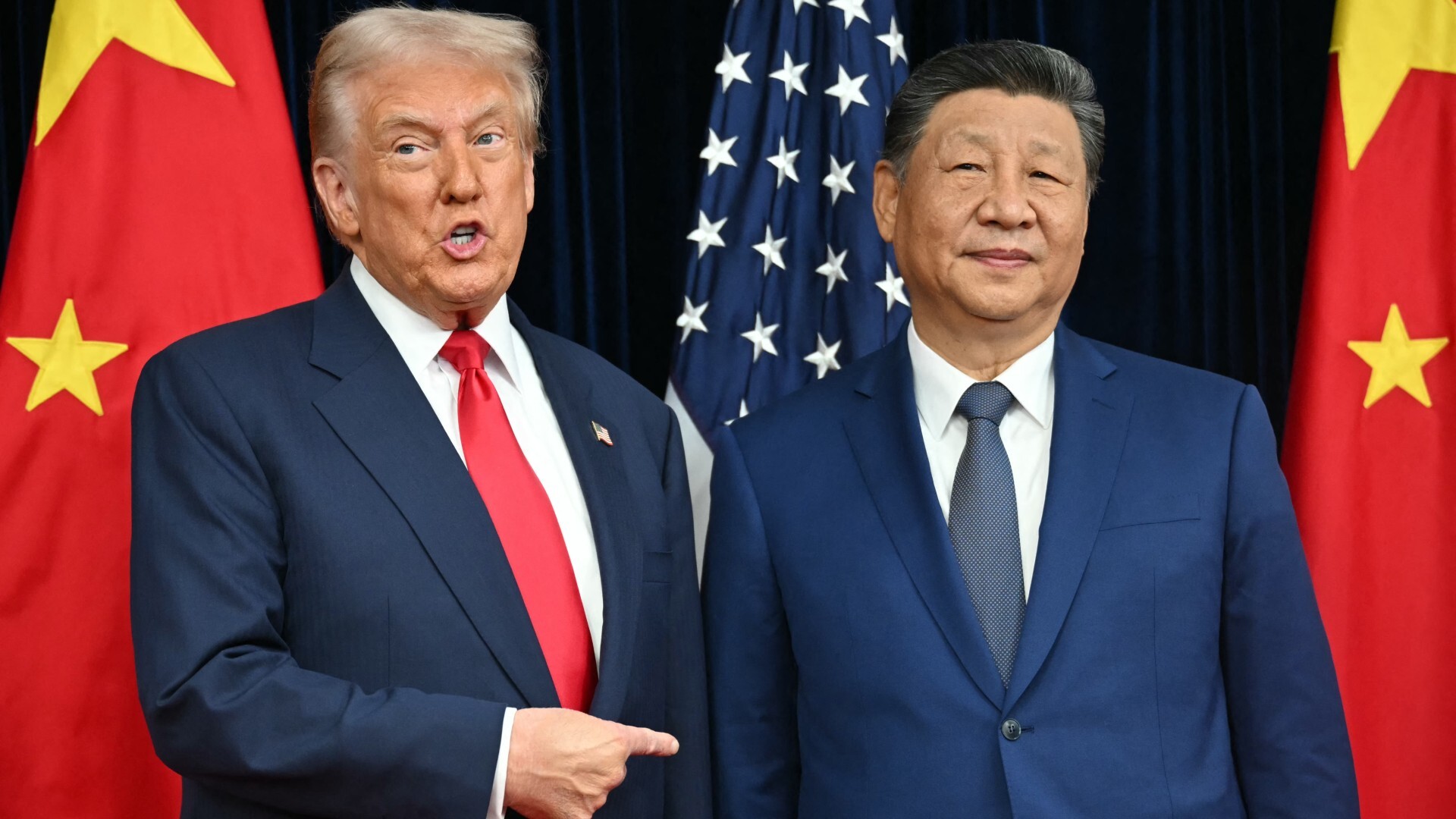
On Donald Trump’s sojourn to China – the first visit by a US president in almost a decade – North Korea was hardly at the top of the agenda. Trump and Xi Jinping had bigger fish to fry, be that China’s desire to secure rhetorical US concessions on Taiwan, Trump’s wishes for greater Chinese investment in US manufacturing or whether Beijing can compel Iran to ease the effects of the Iran War.
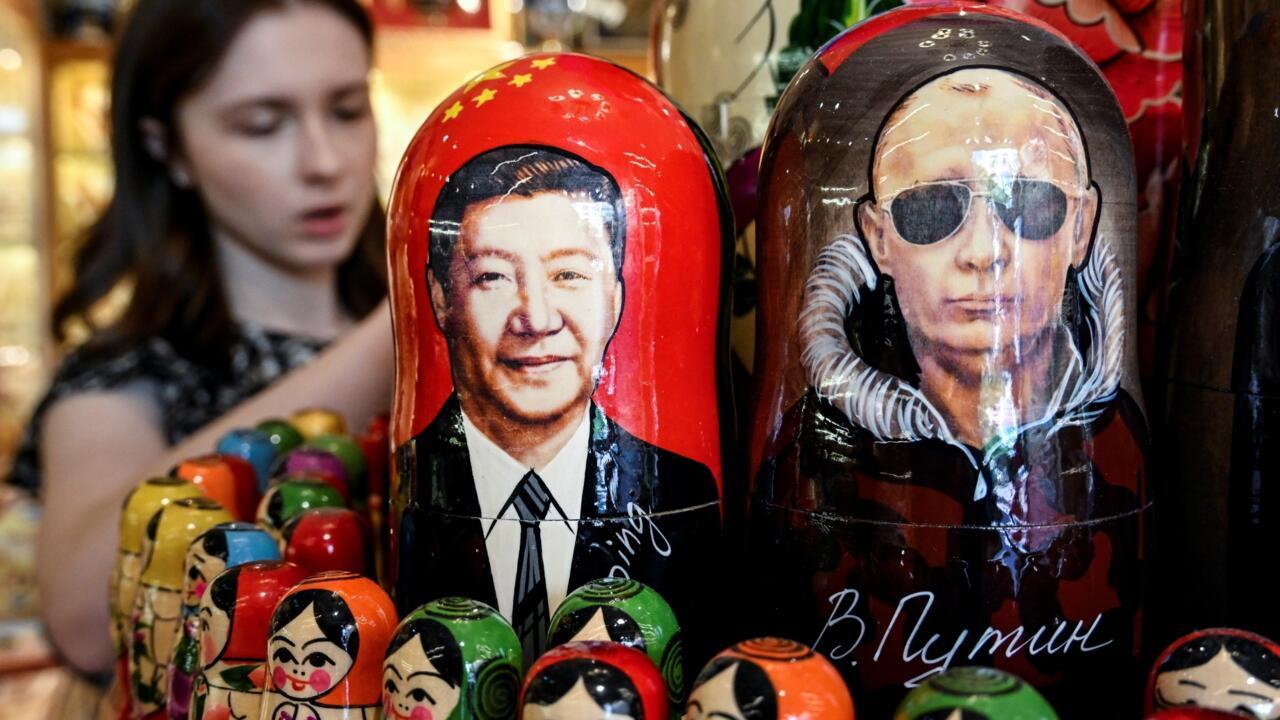
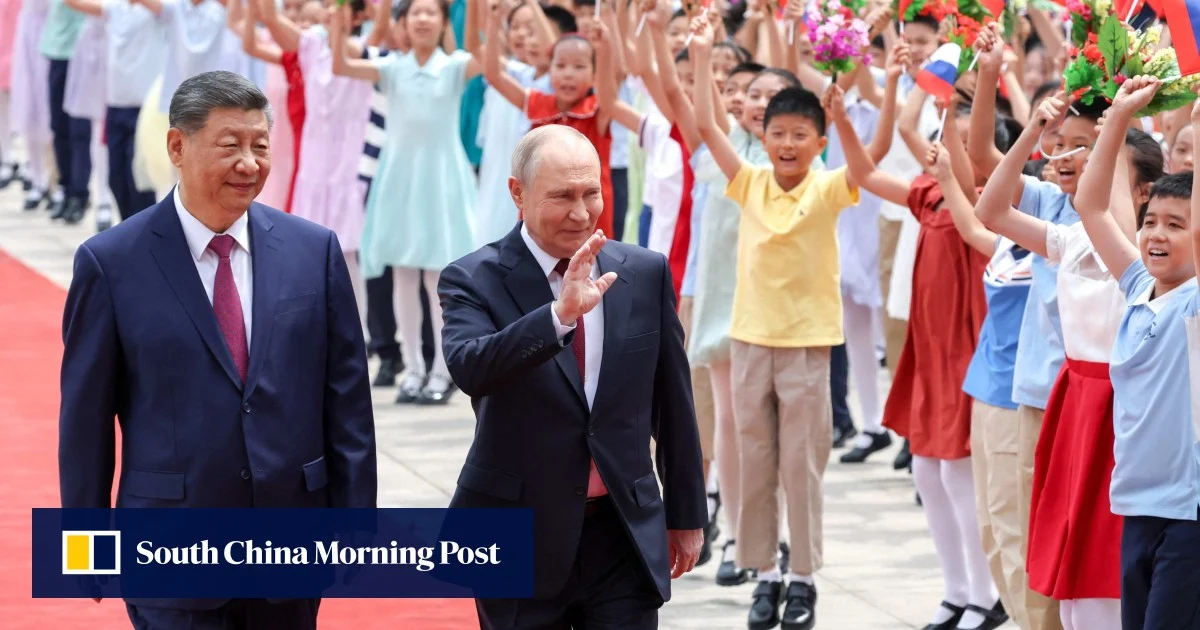
But US-China relations are not just a two-player game. Only last weekend, history was made as North Korean soldiers participated in Moscow’s Victory Day parade for the first time. A day beforehand, Kim Jong-un had pledged to Vladimir Putin that North Korea would ‘give top priority’ to its relations with Russia. With China as one of the key enablers of the Ukraine war, as well as being North Korea’s principal economic benefactor, the North Korea question cannot go away.
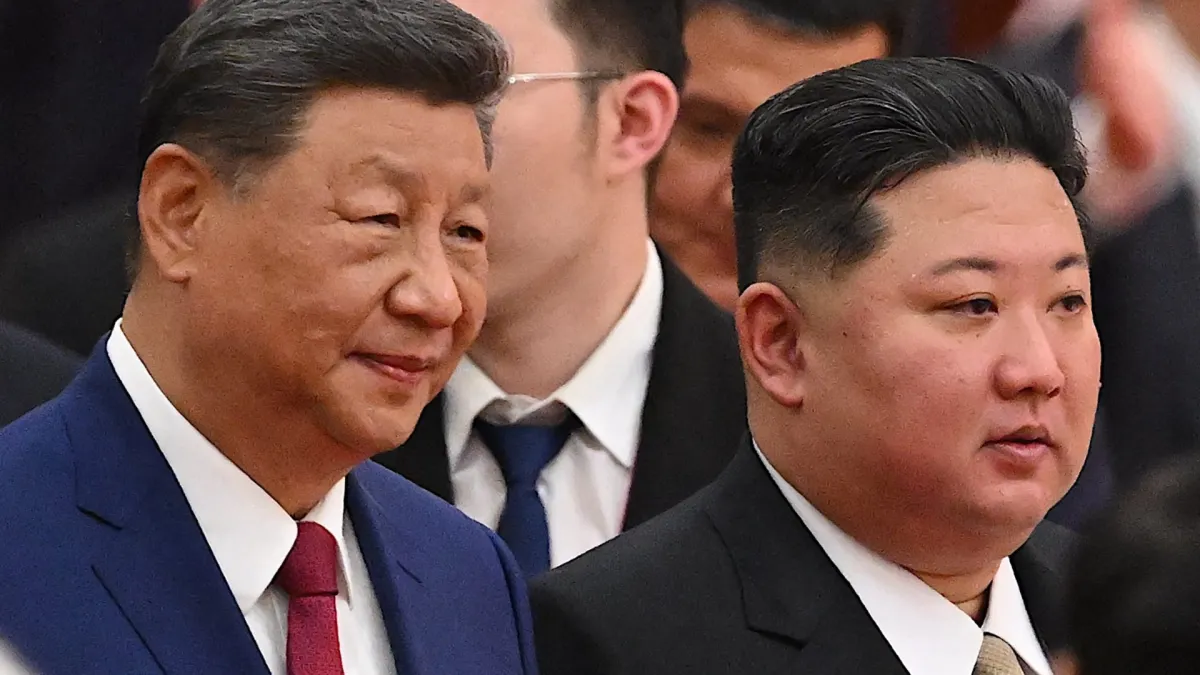
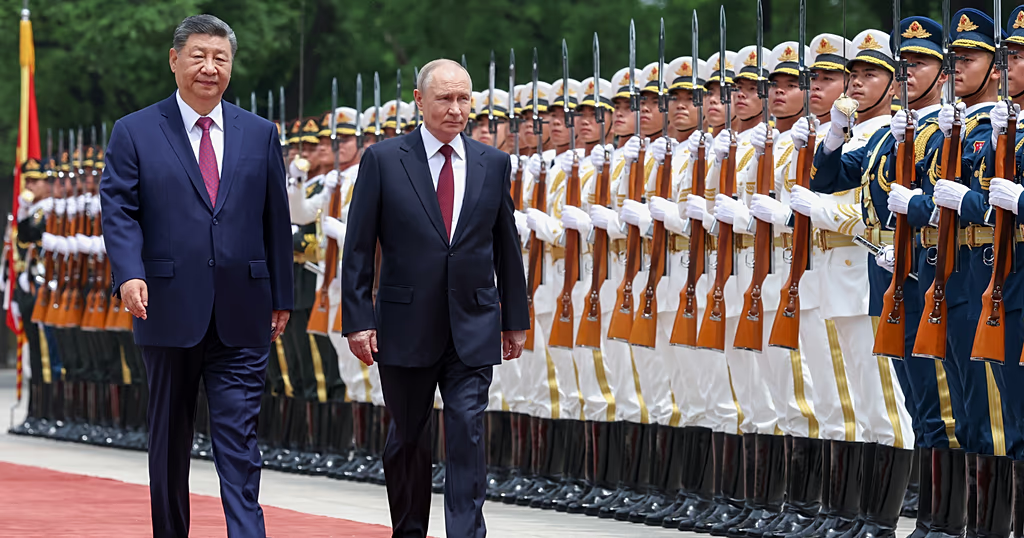
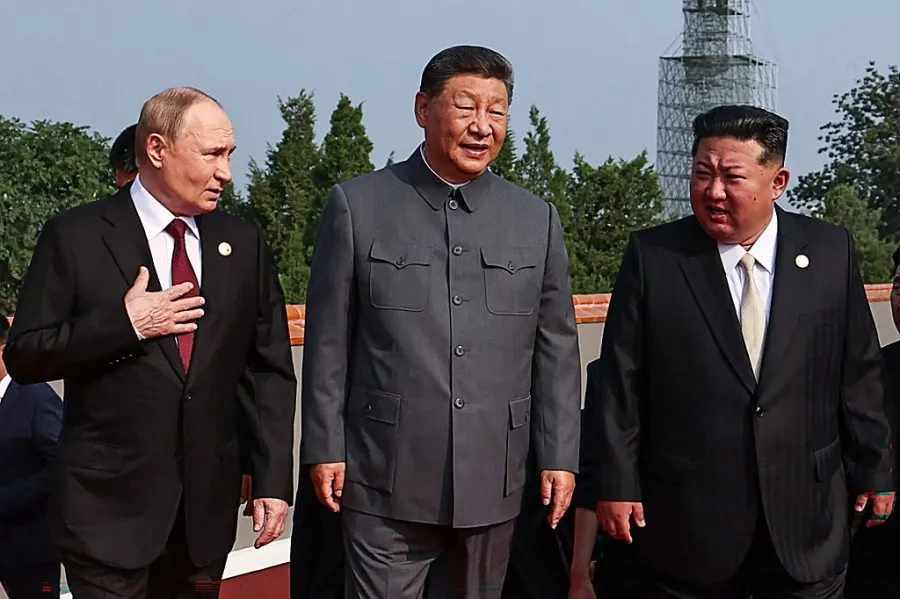
Putin’s Victory Day parade in Moscow paled in comparison to that of his Chinese and North Korean counterparts. Intercontinental ballistic missiles and tanks were nowhere to be seen. While at China’s Victory Day parade in September last year, Kim flanked Putin and Xi, in Moscow, the North Korean leader chose to stay at home. Yet, the striking sight of over 120 North Korean naval, ground, and infantry troops on parade, paying homage to their fellow men fighting in the Kremlin’s war, demonstrated that the Russia-North Korea relationship looks here to stay.