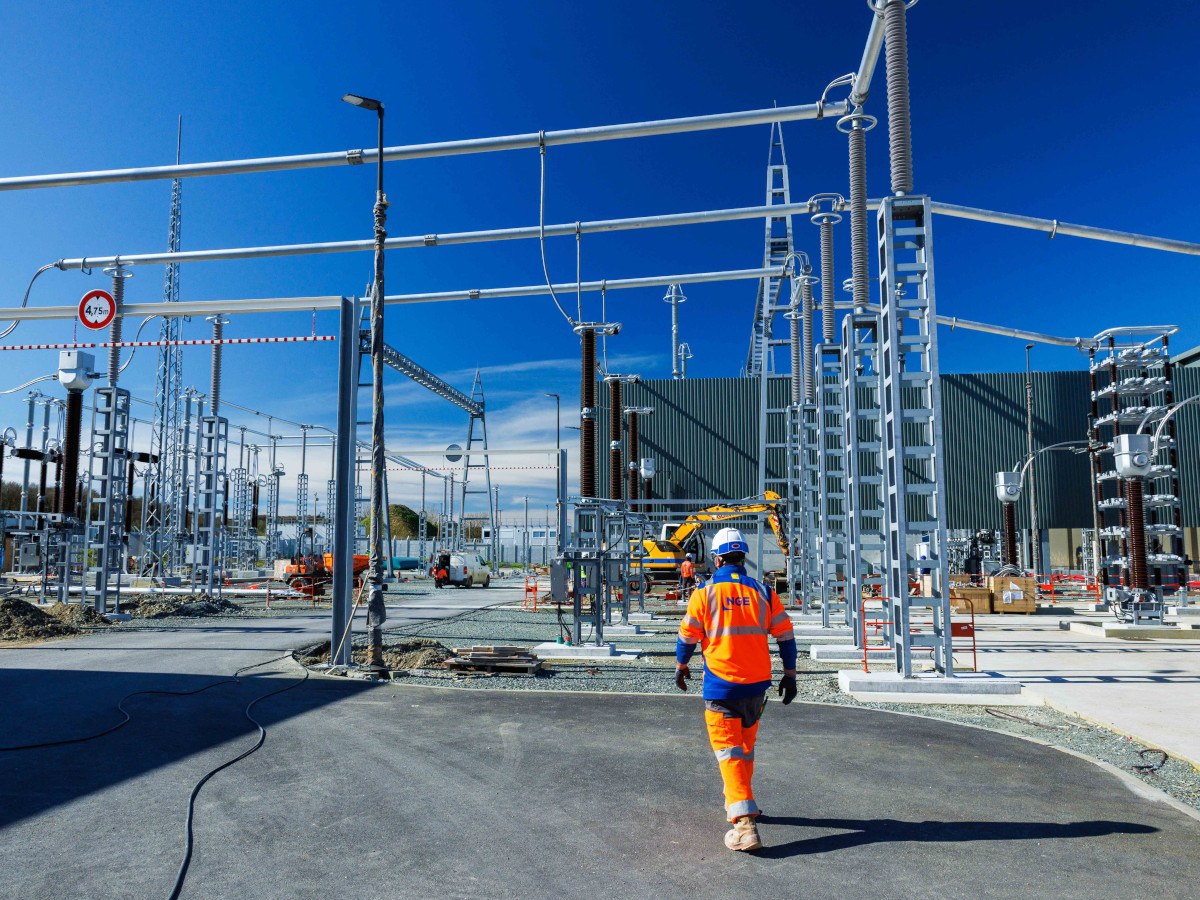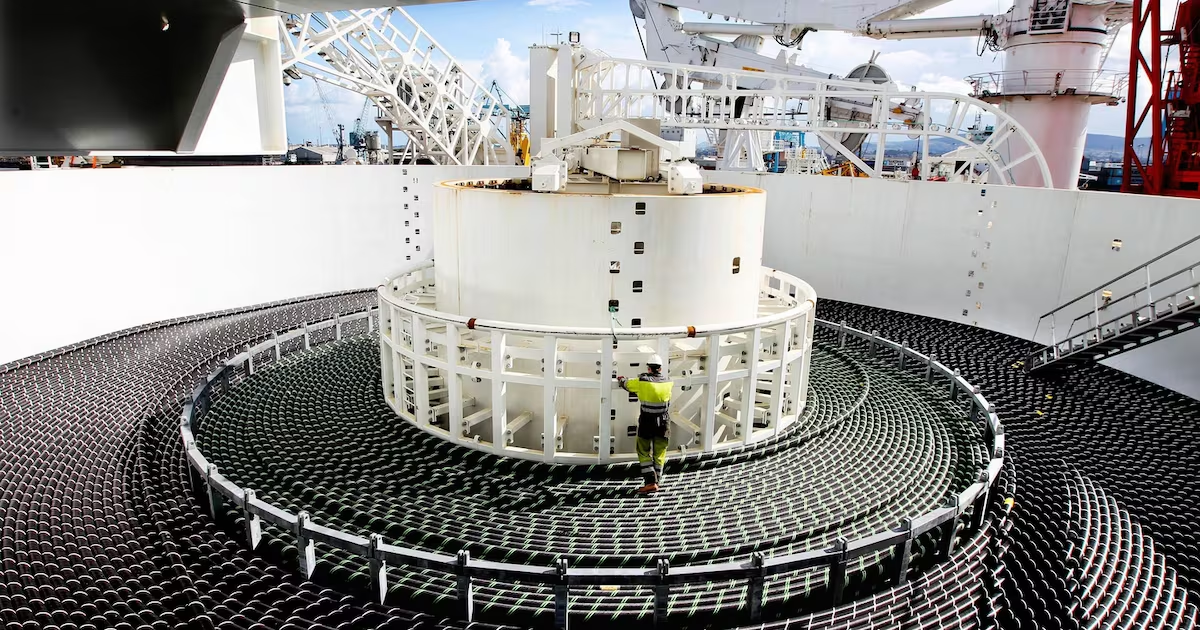
Delays to the completion of a power line linking the Irish and French electricity networks could increase the costs of the project to about €2 billion from €1.62 billion, according to some calculations.National grid operator EirGrid confirmed recently that problems have delayed the completion of the Celtic Interconnector, an electricity cable running from the Cork coast to Brittany, until late 2028, instead of next year as scheduled.Estimates of the likely final cost of the project run to more than €2 billion as a result, from the €1.623 billion announced in 2022, when work began on the project, and €930 million when it was first proposed in 2011.The Celtic Interconnector is one of the biggest infrastructure projects under way in the State. The 575km cable will be able to transmit enough electricity to power 450,000 homes in both directions when it is complete.Two sources from different branches of the Irish energy industry believe the delay will add significantly to costs, potentially increasing the final bill to about €2 billion.[ Dubliners pay EU’s biggest electricity billsOpens in new window ]Separately, consultant Alan McSweeney calculates that the cost could run from €2.1 billion to as much as €2.8 billion, in a 135-page paper assessing the Celtic Interconnector.McSweeney, one of whose specialisations is project costs, and who has previously worked in the industry, bases his assessment on publicly available material, including from EirGrid and the Commission for the Regulation of Utilities (CRU).The Celtic Inteconnector’s projected costs are already included in the network charges paid by all electricity users in the Republic.EirGrid will have to seek the CRU’s permission to include further charges to pay for the project. The State-owned company did not comment when asked about the likely final bill for the Celtic Interconnector, but said “any additional costs are subject to live commercial negotiations”.The EU paid €800 million towards the interconnector as it is a “project of common interest” linking two parts of the bloc’s electricity networks.EirGrid is responsible for 65 per cent of the final bill, while its joint-venture partner, French national grid operator, Réseau de Transport d’Électricité (RTÉ) France, will pay the balance.The French national grid operator failed to respond to a request for comment.The project has run into difficulty on two fronts, EirGrid confirmed. An initial delay in manufacturing the submarine cable extended the completion time to early 2028.“Subsequently, marine conditions and difficult seabed terrain have resulted in further adjustments to the delivery time frame to quarter four 2028,” the State company said.According to one industry source, submarine electricity cables are laid, then buried and protected, and problems with this process are partly to blame for the delay in completing the project.EirGrid had laid 44km of onshore cables and 84km offshore by the end of last year. It says “cable burial and protection and protection works” are continuing in 2026.The French national grid operator has laid 97km of undersea cable at its side and is burying and protecting this, according to EirGrid. About 500 people are working on the project in total.[ The Irish Times view on energy prices: a warning sign for next winterOpens in new window ]When it was first proposed it was thought the cable would mostly export power from the Republic to France, but that is now likely to be the other way around.Rising demand and delays in building new gas-fired and renewable power stations have forced the Republic to import increasing amounts of electricity from Britain.France, which generates high quantities of cheap nuclear power, is one of Europe’s biggest exporters of electricity. As French electricity is cheaper, it is more likely to export it to the Republic.Three interconnectors, East-West, Greenlink and Moyle, already connect Ireland with Britain.
Irish-French power line could cost €2bn due to delays
Celtic Interconnector, an electricity cable that will run from Cork coast to Brittany, faces issues on two fronts, says EirGrid
612 words~3 min read