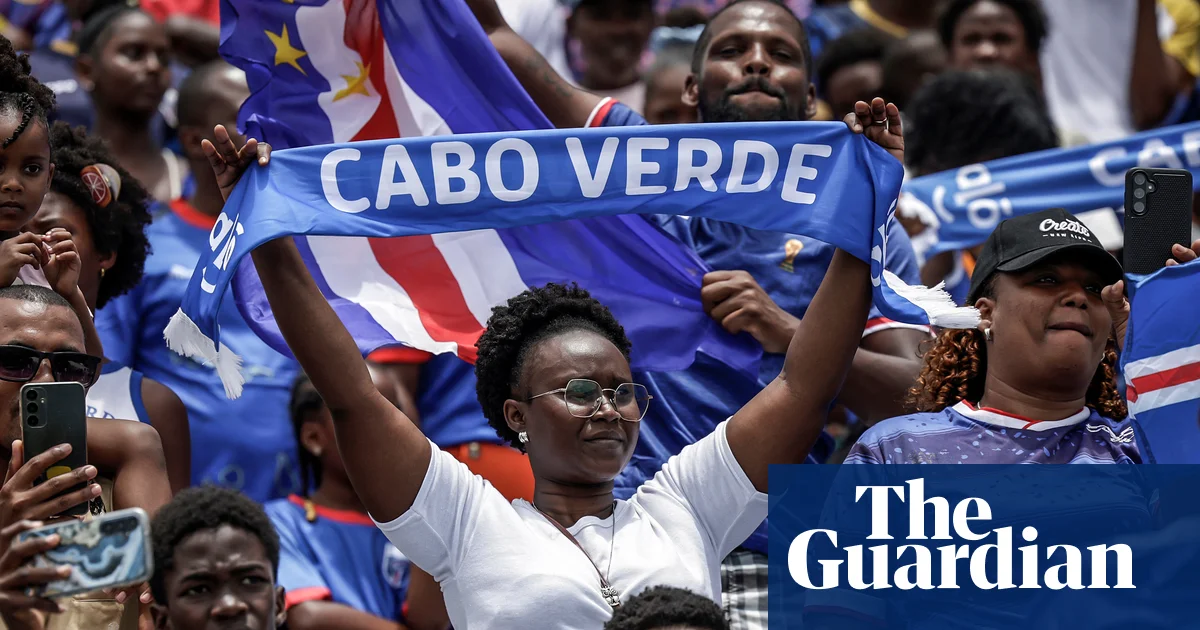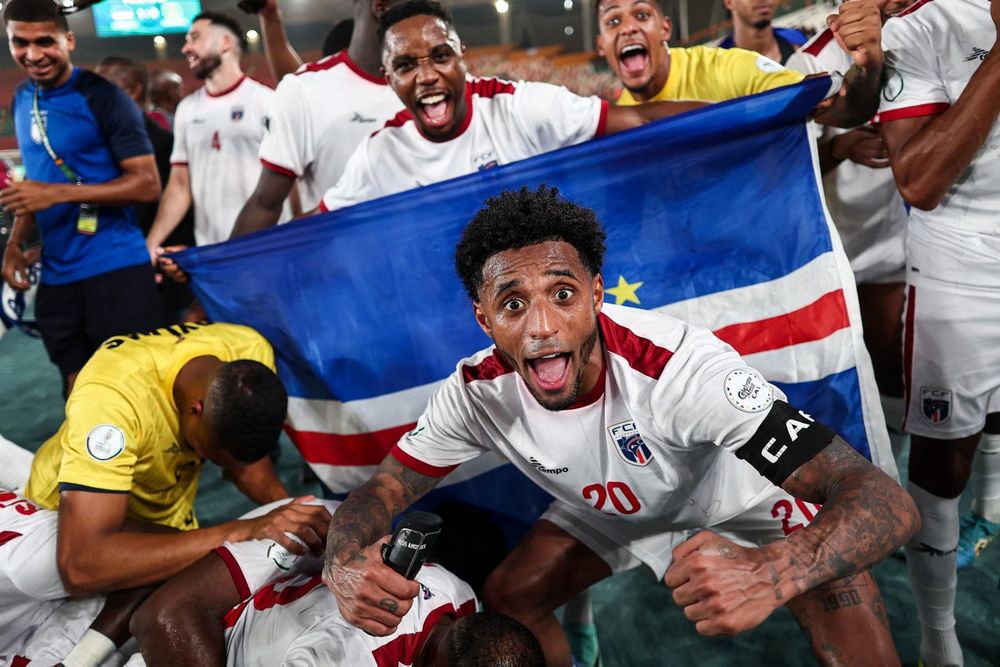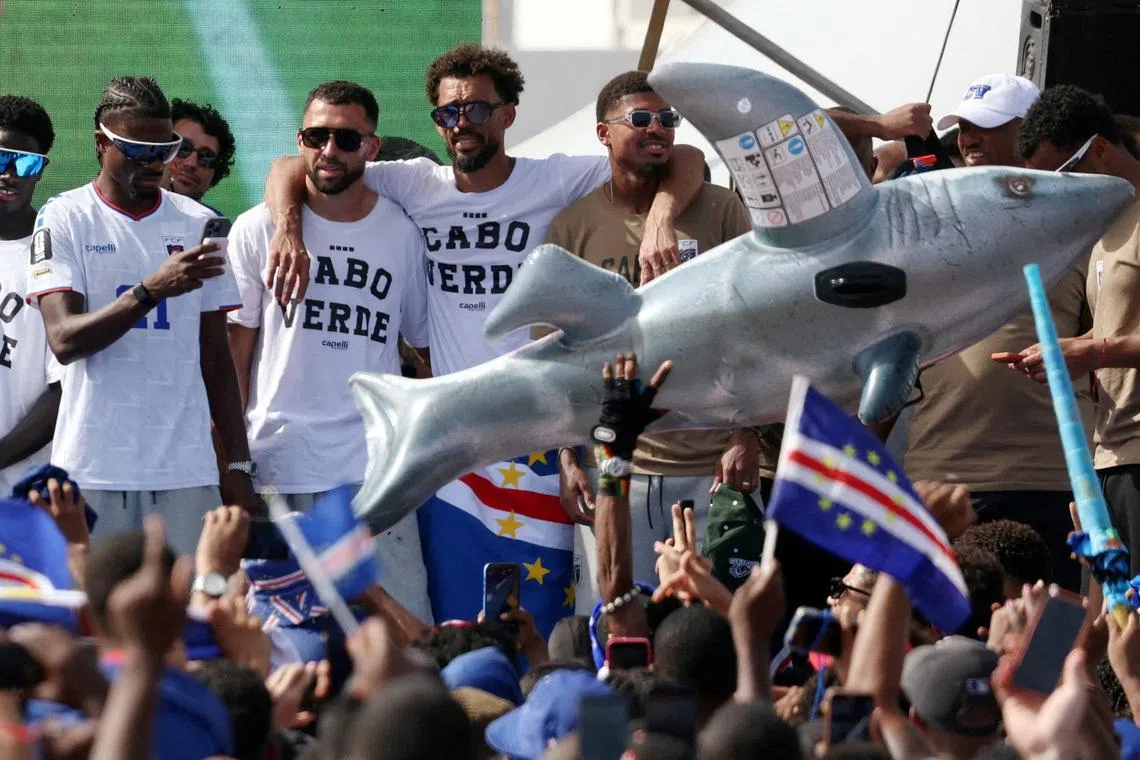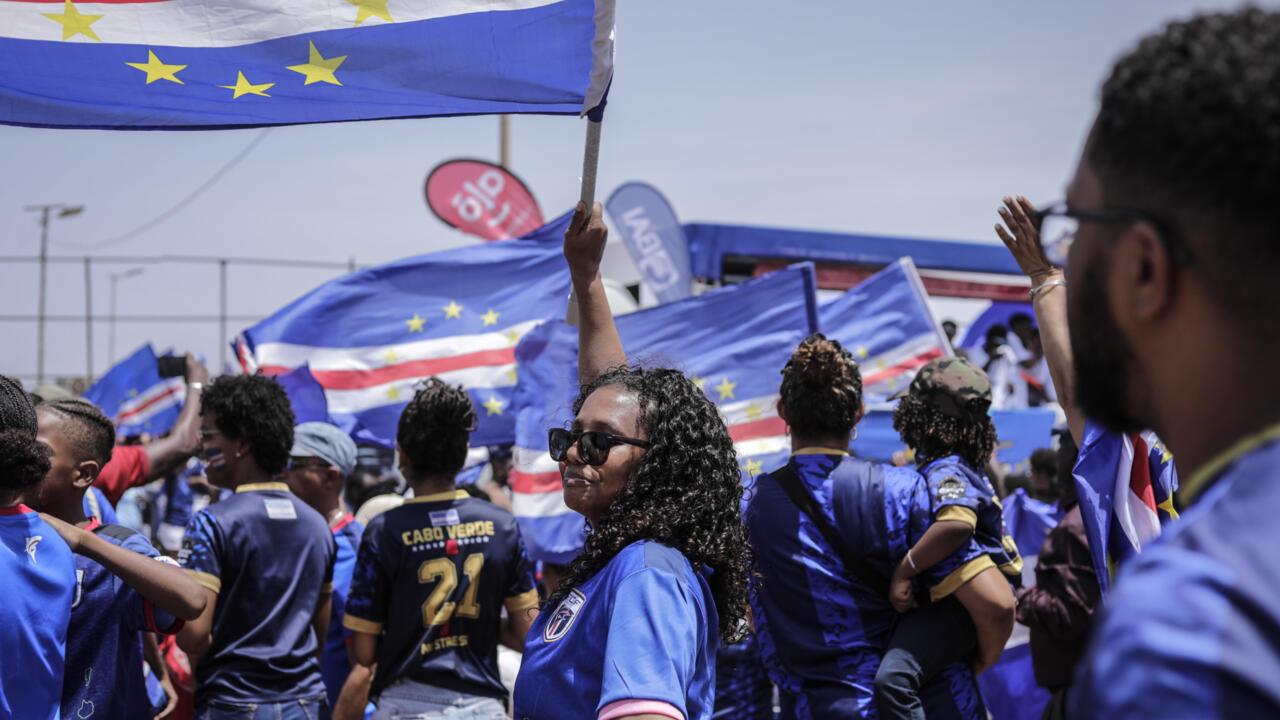
As part of our Language of Soccer World Cup series, The Athletic is speaking to supporters of all 48 nations competing at the 2026 edition to capture their unique football culture, distilled into a single phrase. You can read the articles in one place here.Os Tubaroes Azuis — The Blue SharksIt is only a few minutes into The Athletic’s chat with a group of Cape Verde fans, but everyone has told a story about the times the national team has made them cry.Previously, maybe those have been sad tears. But in the past few years, they’ve increasingly been happier ones. And much of the crying happened on the day they qualified for their first World Cup, after beating Eswatini on an extraordinary day in Praia last October.“I had to go,” says Zito da Pina, who lives in the United States but couldn’t possibly be anywhere else on that day. “It was an incredible feeling. I wasn’t expecting it to be so emotional, but when the final whistle went, I cried. I couldn’t hold it in. It was amazing. It felt like it united the entire country. Everywhere you went in Cape Verde that day, it felt like everyone was celebrating. On all the islands, people were celebrating.”“When I saw people crying in the stands,” says Antonio Alves, “I thought it was just the sort of thing I would see on TV. But I became one of them. It was so emotional. My wife asked, ‘…You’re crying?’. And I said, ‘Yeah, I’m crying — I cannot hold it’. There’s no such thing as calm when you feel it.”For Derik Lopes, it didn’t even take a big win for him to weep. “The first time we went to the Africa Cup of Nations, when they played the national anthem, I started to cry. Some ladies next to me asked, ‘Why are you crying?’. I said, ‘This is a feeling you cannot describe’. I tried to explain: this is deeper than deep. It’s something that is inside of you.”And for Jair Ribeiro, who actually played for Cape Verde — or Os Tubaroes Azuis, ‘The Blue Sharks’ — on 10 occasions and spent the latter half of his club career in the U.S., the tears haven’t come yet… but they will. “It will sink in at the first game. When our flag goes up, and the national anthem is played, here in America. I’m not the type of person who shows emotions, but I think I will cry.”So why does following Cape Verde seem to be such a uniquely emotional experience?“We’re a resilient people,” says Zito. “We got independence 50 years ago. It’s a poor country. If it doesn’t rain, we have problems. That’s why so many people emigrated. That’s why we have a big diaspora. We are people that have suffered, for all of these years. That’s why this achievement is so emotional. It brings a lot of emotion when we do something this big.”The diaspora is a big thing for the Cape Verdeans: their fans are spread far and wide, but that doesn’t mean their fandom is diminished. In fact, it might be enhanced.“We’re a small island in the middle of the ocean,” says Zito. “A little more than 500,000 population. But for us in the diaspora, we feel that connection. Everything that happens in Cape Verde has to have a hand in it from the diaspora. It’s almost impossible for it not to. Qualifying is a big thing for us, like we have contributed to this, even by following, by going to games, giving our input.”Antonio adds, “When you live in the diaspora, the Cape Verdean in you is stronger than when you’re back home. Now, I feel like I want more cachupa (a traditional Cape Verdean stew), I want more songs.”That is reflected in the team, too: over the past decade or so, a concerted effort has been made to recruit players of Cape Verdean extraction but who were born elsewhere. Five of the team that started against Eswatini were born in other countries, including Dailon Livramento, who scored the crucial first goal, Columbus Crew right-back Steven Moreira and Pico Lopes, who was recruited via LinkedIn.Pico Lopes celebrates with fans after Cape Verde secured their place at the World Cup (Cristiano Barbosa/Sportsfile via Getty Images)“Most of the players are from the diaspora,” Zito continues. “The connection is very deep. No matter how long you’ve been away, you have the same feeling.”The team’s success has meant their players’ profiles have grown internationally, but maybe even more importantly, their reputation has grown at home.“It gives our youngsters something to dream about,” says Jair. “You’ve got a lot of players now who are proud to have a chance to be professional. We don’t have the best league in our country, but this gives them something to fight for.”Derik adds: “When I was in Praia, normally in the streets you see kids playing and they’re saying, ‘I’m Messi, I’m Ronaldo’, but now you hear, ‘No, I’m Ryan Mendes, I’m Garry Rodrigues’. It’s more than football. It’s a recognition that you don’t have to play for Brazil or Argentina to become a star. We have stars now, and the world will see we have stars.”Cape Verde’s group games at the tournament will all be in the U.S., home to a significant slice of the diaspora, which for numbers, “rivals the islands’ population of 490,000”, according to the U.S. State Department.“There’s no better country for our first World Cup,” says Antonio. “Economically, the U.S. is the place where Cape Verdeans are established more than any other place in the world. We’ll see a big, big presence at our games in the U.S.”Jair adds, “Sport in general, especially soccer, is a great ambassador for our country. A lot of people didn’t know about us, but football is probably the biggest event, even bigger than the Super Bowl. Everyone watches the World Cup.”There is a temptation to think that, given the emotions involved, this tiny nation of half a million people playing in their first World Cup will just be happy to be there, and they’re not especially bothered about actually winning the games. Not a bit of it.“The team are coming with the mentality to write a little bit more of this history,” says Zito. “I don’t think they’re coming just to participate.”Cape Verde fans at their recent game against Chile in New Zealand (Joe Allison – FIFA via Getty Images)Derik adds: “We played against Portugal a few years ago and beat them 2-0 in their home. We played against the Brazil Olympic team and won 2-1. Real Madrid played against Sheriff Tiraspol in 2022, and Sheriff smashed them. Everything is possible. You have to compete, you have to fight. If you go over there like boys on a school trip, you have to stay at home. The players are hungry.”“Apart from us, nobody expects us to do anything,” says Jair. “They expect us to lose by six, seven or eight against Spain. The president and the coach were saying we’re not there just to participate. We’re competing. We’re going to show the world that we’re not just happy to be here. I really believe people will be surprised.”The final word goes to Antonio.“This means everything. When a country like Cape Verde qualifies for the World Cup, it gives inspiration to everyone back home, or in the diaspora. Anything can be conquered, as long as you fight. It doesn’t matter where you’re from, or how big you are, as long as you fight. You have to fight for everything in life.“Even though we’re small, we can make noise.”The Language of Soccer series is sponsored by Google.The Athletic maintains full editorial independence. Sponsors have no control over or input into the reporting or editing process and do not review stories before publication.
The Blue Sharks, a team with a unique capacity to make Cape Verde fans cry
As part of a special World Cup series, The Athletic is speaking to fans of all 48 competing nations to capture their unique football culture
1,304 words~6 min read