Your AI agent does not only follow the prompt you wrote. It also follows the context you forgot was there.
That context may live in CLAUDE.md, .cursorrules, MCP server descriptions, tool schemas, browser pages, RAG chunks, package README files, issue comments, support tickets, and old eval fixtures. Most of it looks harmless. Some of it quietly becomes policy.
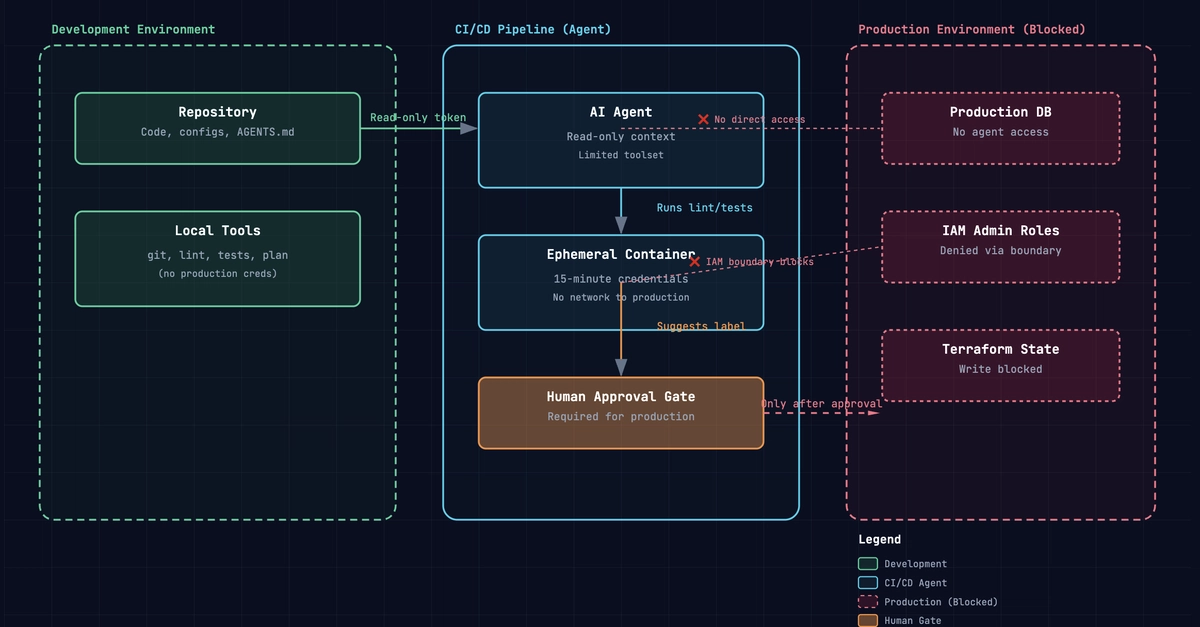
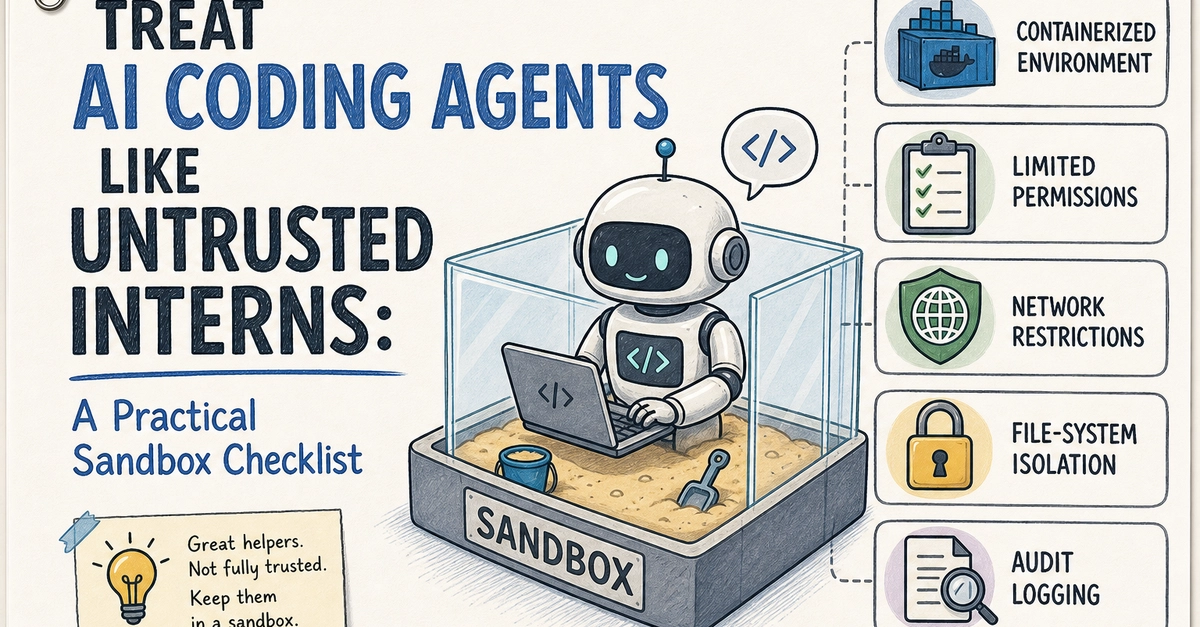
For AI SaaS builders, this is now a production security problem. Agents are getting faster, tool access is getting broader, and engineering teams are leaning on coding assistants, workflow agents, and retrieval systems as part of the normal release path. If your context layer is messy, stale, or writable by the wrong actor, your agent can make confident decisions from invisible instructions.
This guide gives you a practical system for AI agent context hygiene: how to map context sources, classify risk, scan for hidden instructions, isolate tenant data, protect repo-level rules, test prompt injection paths, and ship safer SaaS agents without turning every workflow into a security committee.
Why Context Hygiene Matters Now