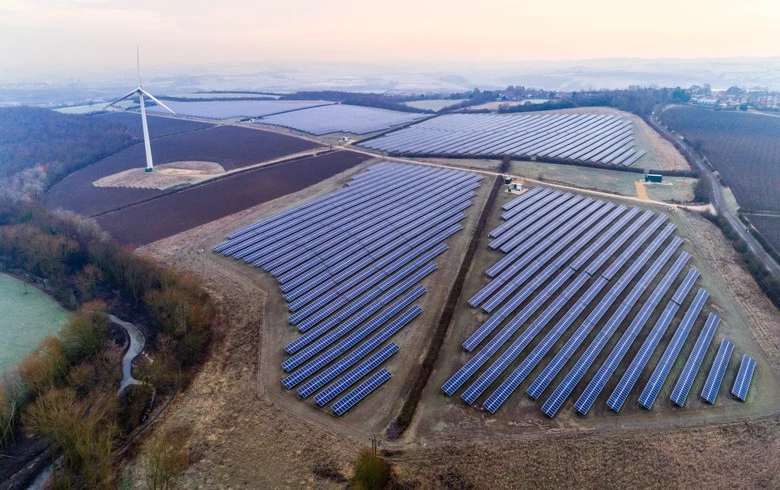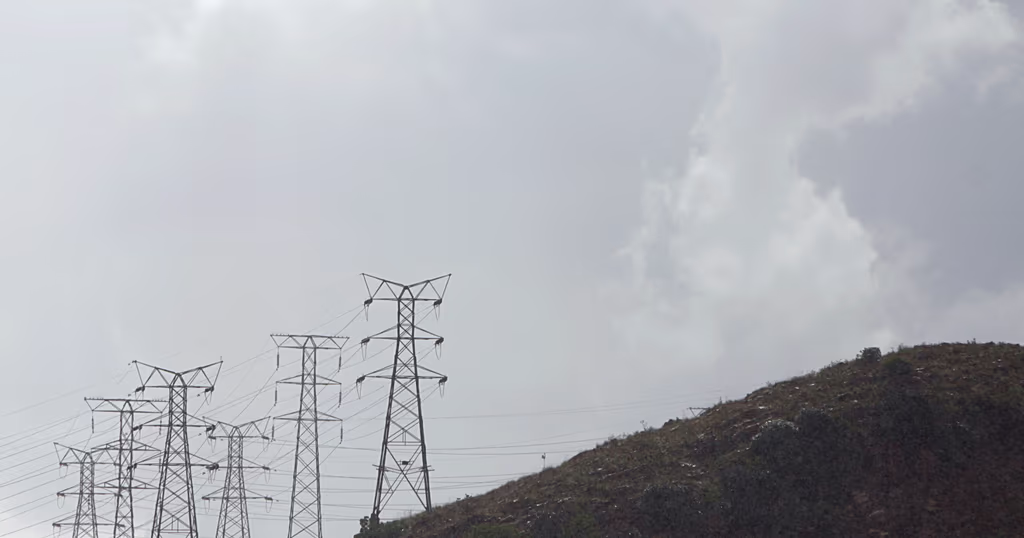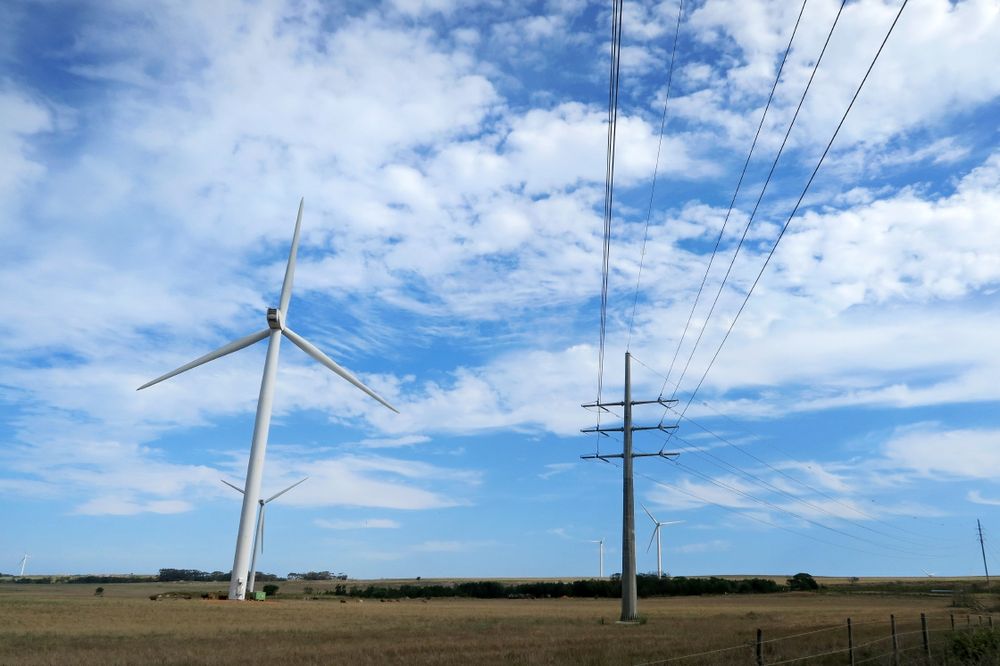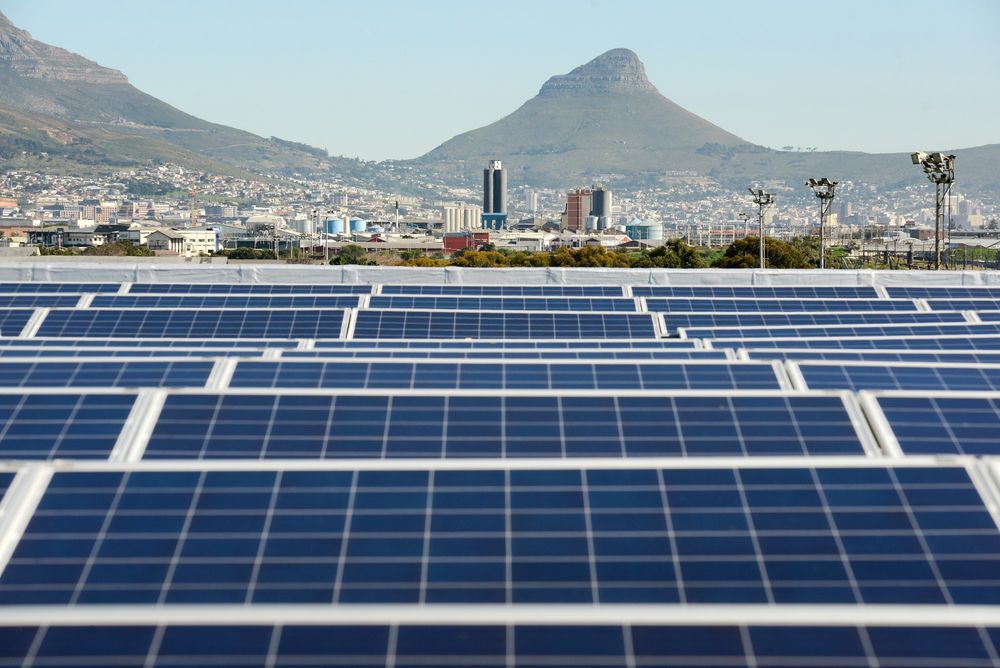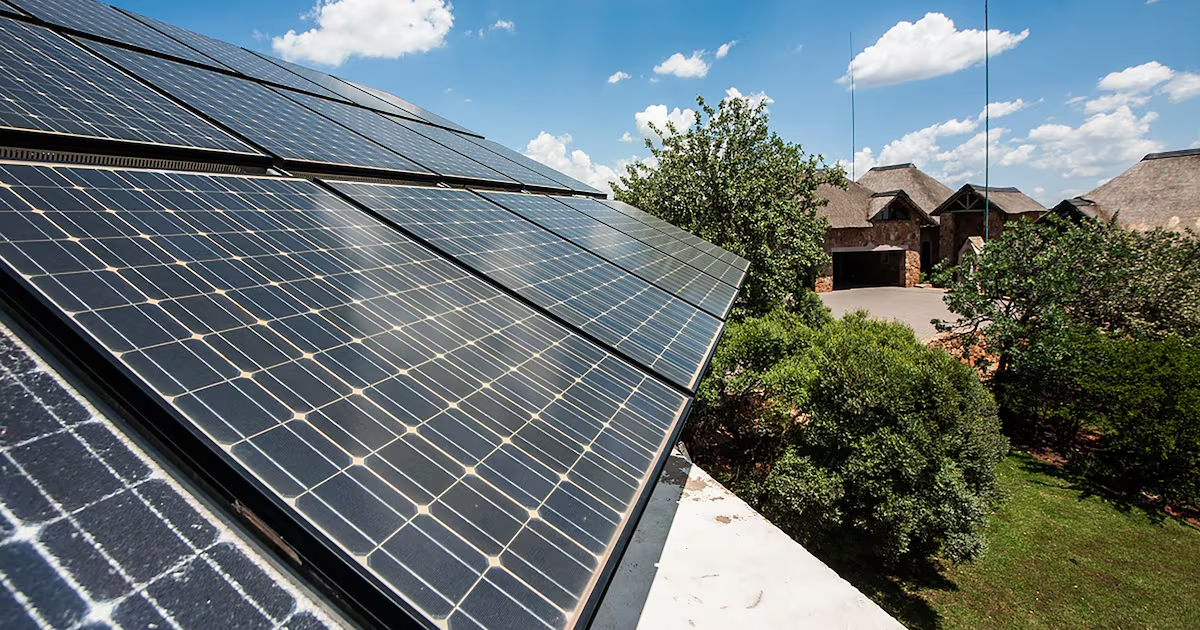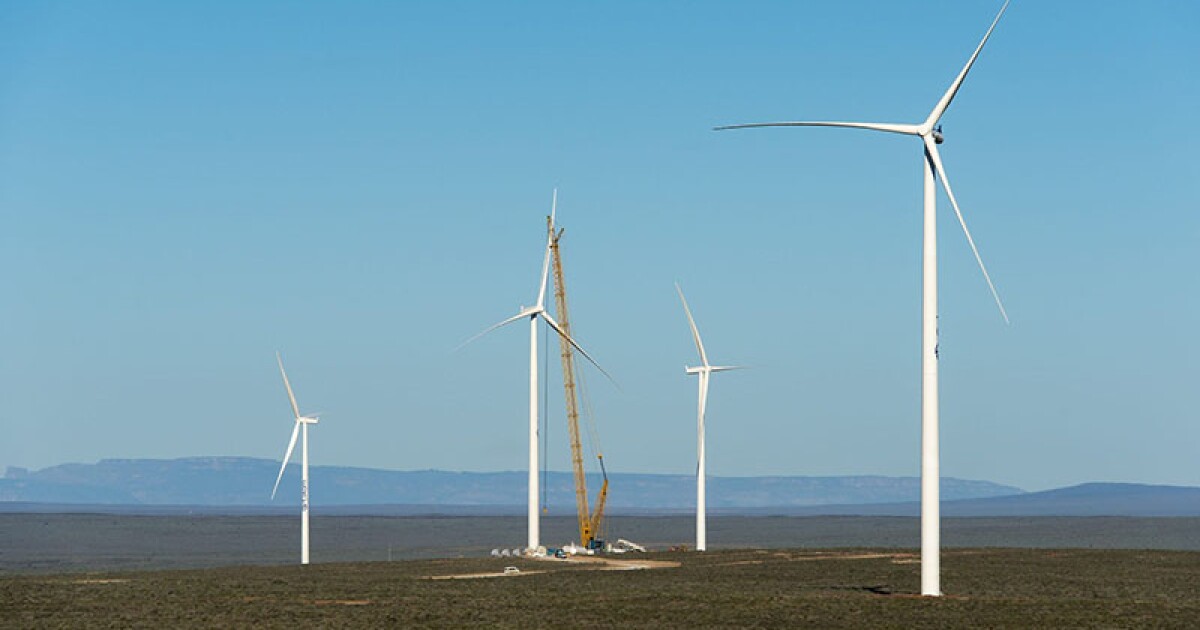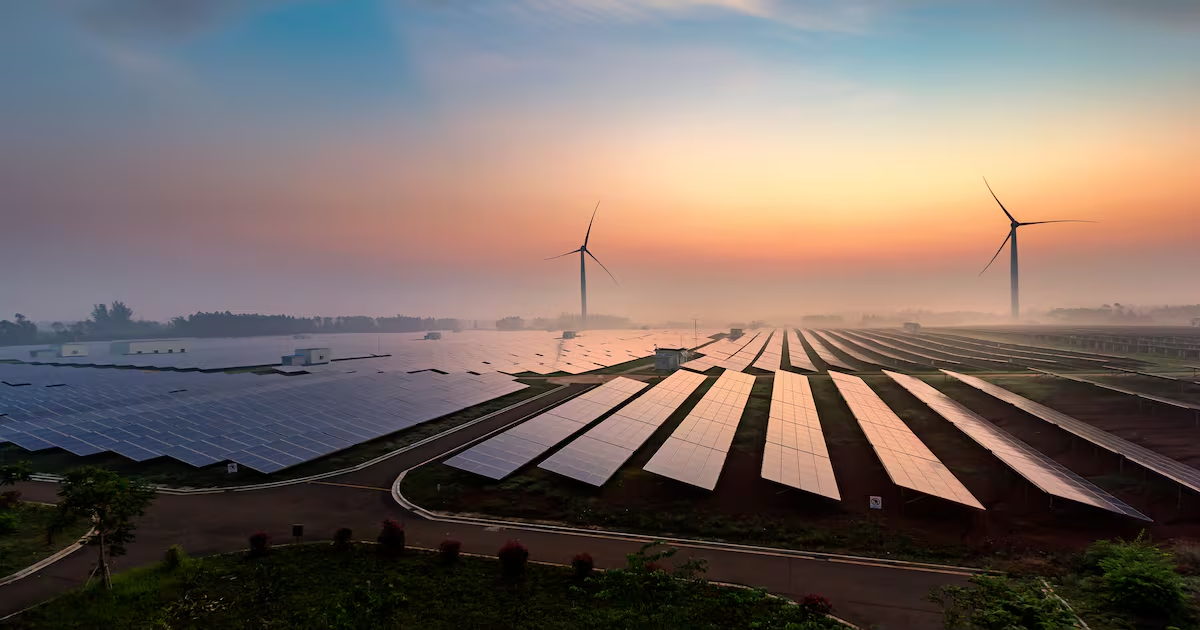
South Africa’s flagship renewable energy procurement programme has helped unlock billions of rand in investment and establish a domestic renewable energy industry, but its future role is increasingly being questioned as the country’s electricity market evolves.Energy advisory company Cresco and law firm Bowmans argue that while the Renewable Energy Independent Power Producer Procurement Programme (REIPPPP) played a critical role in addressing generation shortages and attracting private investment, South Africa’s main constraint has now shifted from generation capacity to grid infrastructure.Introduced in 2011, the REIPPPP was designed to address South Africa’s electricity supply shortages, attract private investment into power generation and diversify the country’s coal-dominated energy mix. Under the programme, private developers competed to build renewable energy projects and supply electricity under long-term agreements. Through a series of procurement rounds, known as bid windows, the REIPPPP helped establish a domestic renewable energy industry that was virtually nonexistent at the time and positioned South Africa as a leading destination for renewable energy investment. Over time, however, its focus shifted from creating a renewable energy market to expanding capacity within a sector that has matured.Cresco and Bowmans described the programme’s early bid windows as an “unequivocal success”, saying they helped establish a credible procurement framework amid acute capacity shortages, policy uncertainty and limited private-sector participation in electricity generation.Over time, restrictions on private electricity generation have been progressively eased, enabling greater private-sector participation in power production, while corporate procurement of renewable energy has expanded. Wind and solar projects are also viable without government-backed procurement frameworks.Specialists from the two firms argue that the conditions that justified the REIPPPP’s original design have shifted materially.“The market context in which REIPPPP operates has fundamentally shifted,” Cresco and Bowmans said, pointing to an electricity system now constrained more by transmission infrastructure than generation capacity, with grid access increasingly scarce in high-resource renewable energy zones.As a result, they warn that procurement rounds risk becoming less effective. “Without transmission expansion, procurement rounds risk becoming queues for scarce grid access rather than effectively allocating new capacity.”The firms argue that this raises broader questions about the future role of government-backed procurement in South Africa’s evolving electricity market.They say state support should increasingly be directed toward areas where market failures remain, rather than technologies that are already commercially mature.This, they argue, includes transmission infrastructure, energy storage, ancillary services and flexible generation capacity required to support a more variable electricity system.“The role of the state in mature, liberalised markets should be to create an enabling environment that adapts to market developments,” said Alexandra Felekis, partner at Bowmans.The firms also point to potential tensions between the REIPPPP model and South Africa’s planned South African Wholesale Electricity Market (Sawem), a proposed market structure aimed at enabling more competitive electricity buying and selling.Sawem would allow electricity to be bought and sold between multiple participants, with prices shaped more by supply, demand and grid conditions than by centrally planned procurement.Under the existing framework, REIPPPP projects operate under long-term, government-backed contracts that provide revenue certainty and shield generators from market price fluctuations.However, according to Cresco and Bowmans, this creates a structural mismatch with a market reform agenda that seeks to expose participants to price signals and encourage more flexible participation in the electricity market. “REIPPPP generators are fully hedged through transition. Everyone else pays for the spread between their contracted rate and the market price,” said Cresco Advisory partner Robert Futter.Futter means REIPPPP-backed generators are protected from electricity price fluctuations, while other market participants — including private power producers selling outside REIPPPP contracts and large electricity users buying directly from them are exposed to the difference between their contracted prices and prevailing market prices.To better align with Sawem, the firms say ongoing market reforms may require changes to procurement frameworks, including greater exposure to prices shaped by supply and demand, stronger incentives for flexible generation and improved recognition of project location on the grid.They say future procurement rounds should increasingly focus on transmission-constrained areas, better integration with grid planning and technologies that improve system stability as renewable penetration rises.“REIPPPP has played a foundational role in South Africa’s energy transition,” the experts said. “However, the conditions that justified its original design no longer fully apply.”
Flagship renewable energy programme’s future role questioned as SA market evolves
Grid infrastructure, rather than generation capacity, is the bottleneck
694 words~3 min read