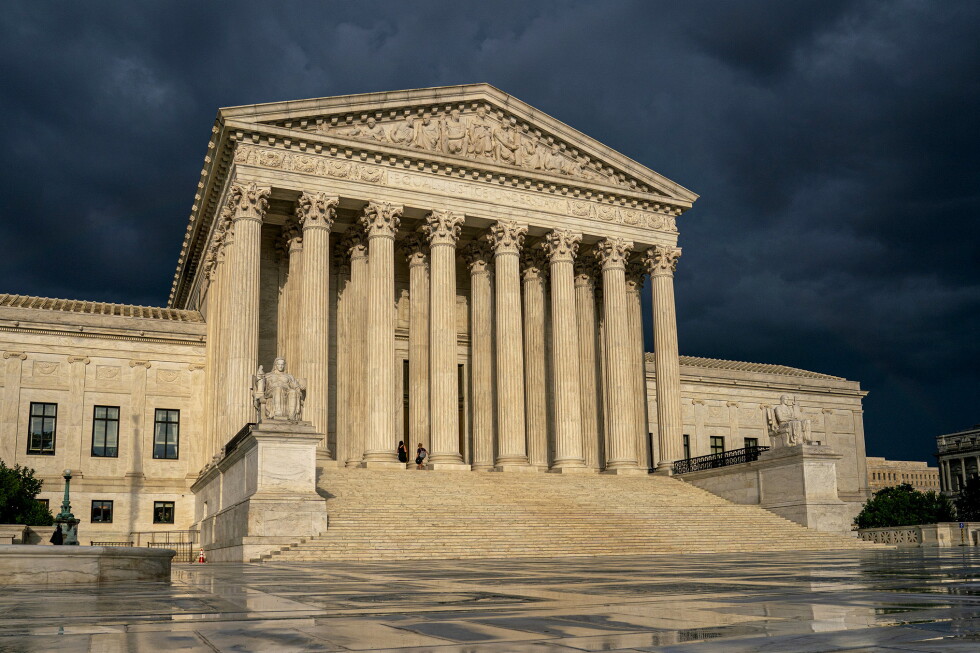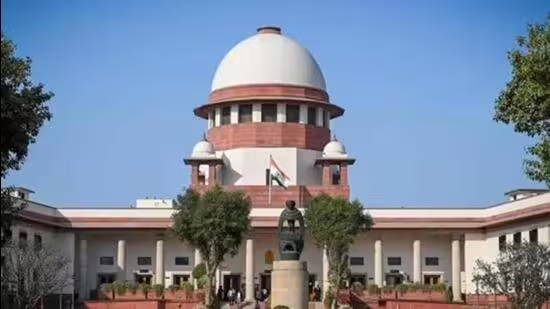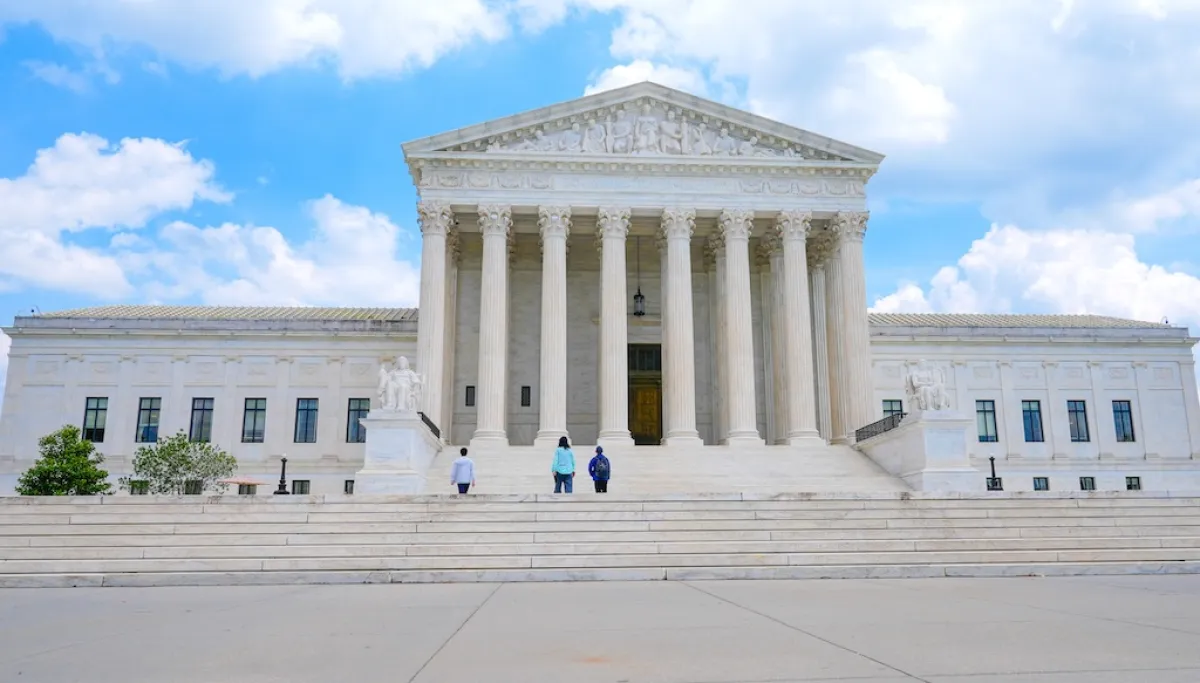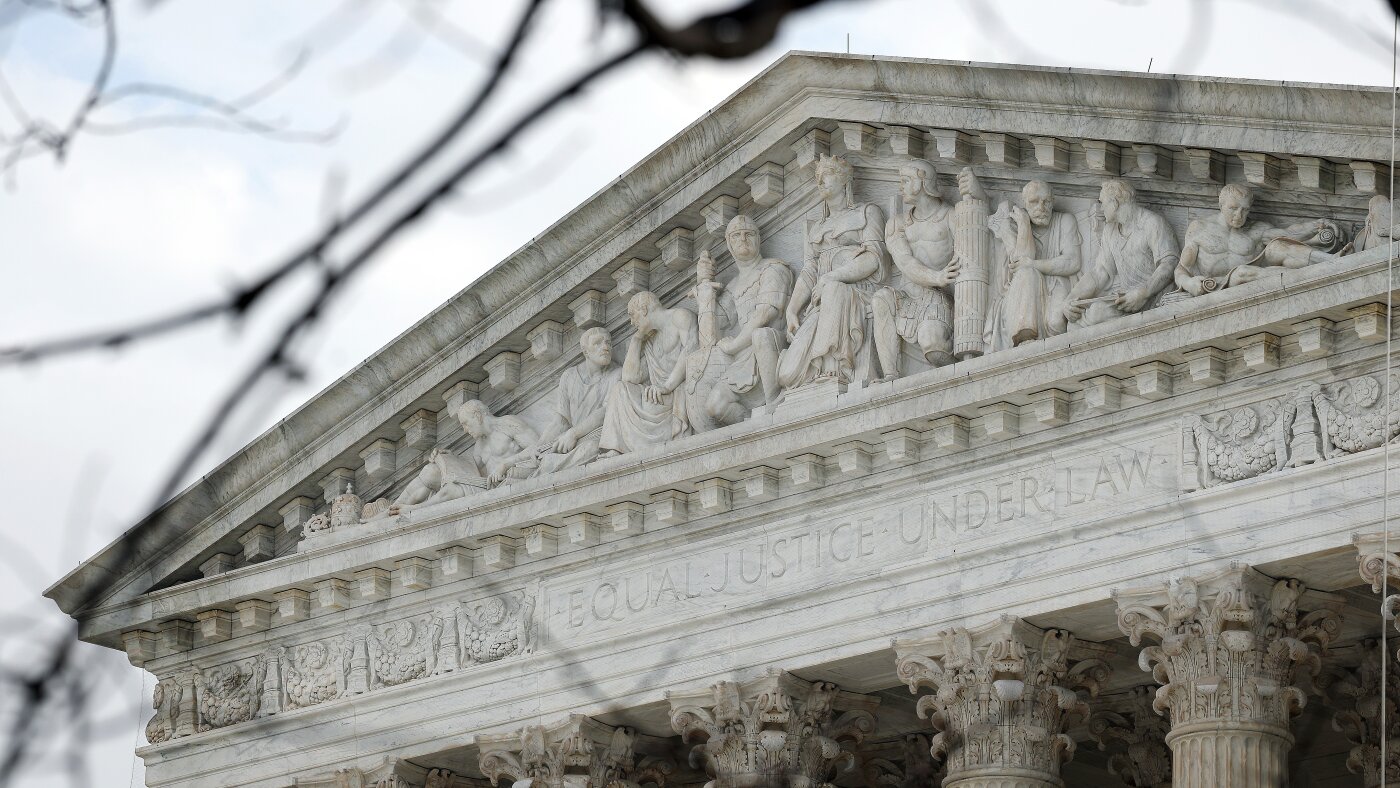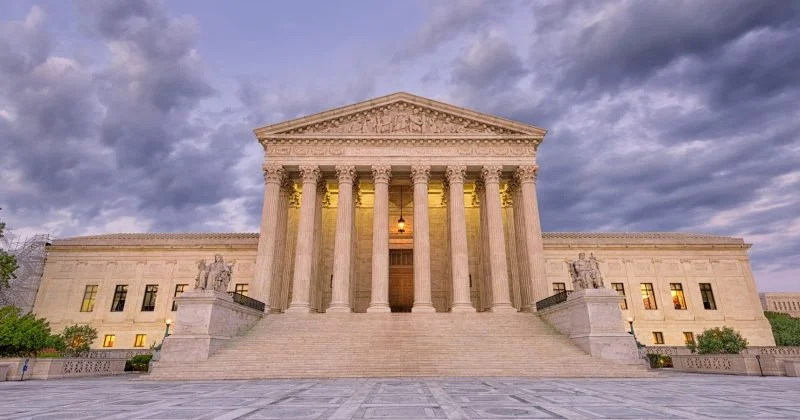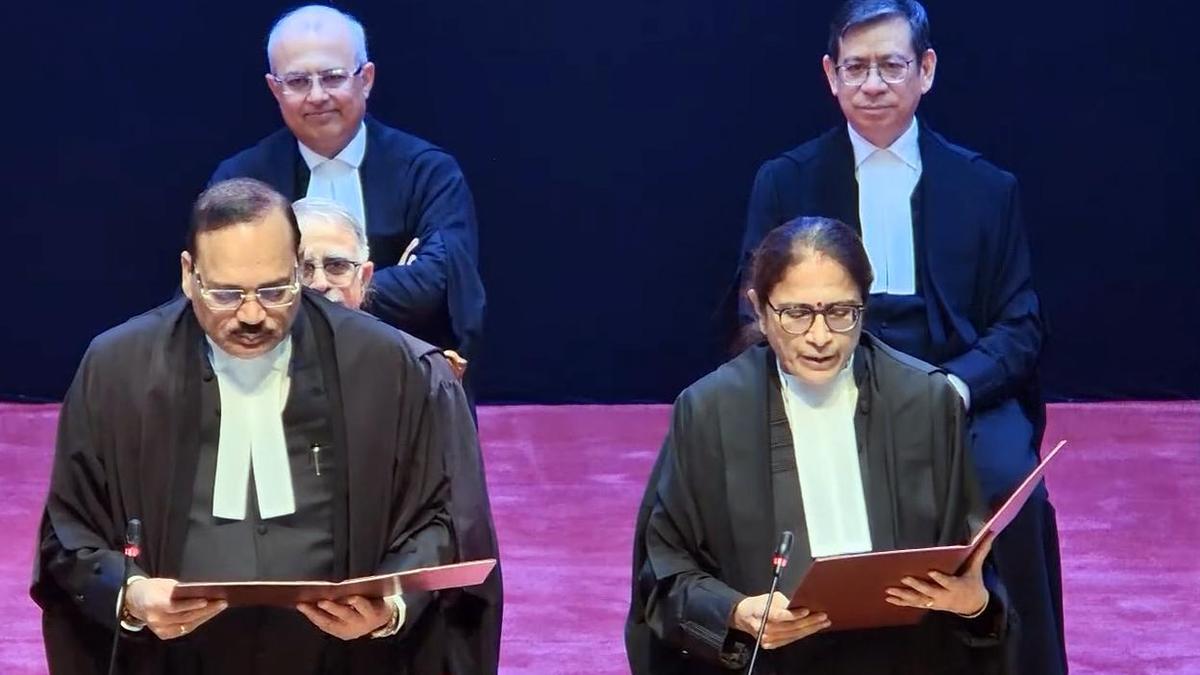
In February 1937, the President of the United States of America, Franklin D. Roosevelt, asked Congress to enlarge the nine-judge Supreme Court. He sought a new justice for each one past 70 who refused to retire, up to 15 in all. The Senate Judiciary Committee saw through it. It preferred “an independent Court, a fearless Court,” to one that bent “out of fear or sense of obligation to the appointing power.” The Senate refused, with 70 members voting against and 20 in favour, and the plan was dead.In Delhi last week, five judges took the oath; three occupy chairs, that no statute has created. They sit because the President, by Ordinance, lifted the sanctioned strength from 34 to 38.Ordinance-made seatsThe five are fit for office: four sat as Chief Justices of High Courts, the fifth came from the bar. Their elevation is not the grievance; the manner of it is. The Ordinance was promulgated on May 16, when the Court sat at 32 against a sanctioned 34. Two lawful vacancies existed; two of Tuesday’s appointments filled them. The other three rest on the Ordinance alone.Article 124(1) leaves the number of judges to what Parliament may prescribe. An Article 123 Ordinance carries, for its life, the force of an Act. Independence of the judiciary is a basic feature of the Constitution. It is also about whether the court holds its seats free of obligation to the political branch. A court that owes three chairs to a six-week renewable Ordinance holds them at the executive’s sufferance.A test of principleIn 2015, a Constitution Bench decided Supreme Court Advocates-on-Record Association vs Union of India. It struck down the 99th Amendment and the National Judicial Appointments Commission. Parliament had passed it 367 to nil in the Lok Sabha, with the States ratifying. The commission was to have six members: the Chief Justice, the two senior-most judges after him, the Union Law Minister, and two eminent persons. The eminent persons were to be chosen by a panel of the Prime Minister, the Chief Justice, and the Leader of the Opposition. That composition was meant to keep the choice neutral. Yet the Act provided that any two members could veto a name. The court feared that the Law Minister and even one eminent person could thus block a candidate the judges favoured. It held that this destroyed the judiciary’s primacy in its own appointments.Yet the Supreme Court Collegium has accepted an Ordinance that seats three of its own, despite the uncertainty over its fate. Under Article 123, the President may withdraw an Ordinance at any time. Both Houses may disapprove it by resolution. Otherwise, it ceases to operate six weeks after Parliament reassembles.The court itself taught the country to distrust the Ordinance. In D.C. Wadhwa vs State of Bihar (1986), it called governance by repromulgated ordinance a fraud on the Constitution. In Krishna Kumar Singh vs State of Bihar (2017), a seven-judge Bench ruled against using ordinance-making power as a parallel source of legislation.If the Bill replaces the Ordinance, the anomaly closes. If not, the apex court’s strength reverts to 34, and the executive cannot bridge the gap by repromulgation, the fraud Wadhwa condemned. Whether a judge appointed to an Ordinance-created post can be removed once that post lapses is untested. Their judgments hold under the de facto doctrine, affirmed in Gokaraju Rangaraju vs State of Andhra Pradesh (1981). The subtler harm is to appearance: in any matter touching the Union, the government whose majority must regularise their seats may appear before them. A judge whose tenure lies, even loosely, in one party’s gift cannot wear the detachment the office demands.The calculated riskThe court sits at 37; the 38th and last sanctioned post is empty, the calendar suggests why. Justice Pankaj Mithal retires on June 16 and Justice J.K. Maheshwari on June 28. Their retirements reopen two lawful seats, into which two of the three Ordinance judges move. A judge in the 38th post would be the junior-most. Its occupant would reach a lawful seat only at Justice Satish Chandra Sharma’s retirement on November 29, months after the Ordinance expires. Leaving it empty spares the court a judge stranded that long.That leaves Justice V. Mohana, alone of the five from the bar and so junior-most, on an Ordinance post. She can reach a lawful seat only when Justice Sanjay Karol retires on August 22. Here, the Collegium seems to have taken a calculated risk. Justice Karol’s retirement all but coincides with the Ordinance’s likely lapse, six weeks into the monsoon session. The replacing law should thus arrive first, and even a short delay is caught by his vacancy, which absorbs her. Her position turns precarious only if the Ordinance is rejected or lapses before August 22. Then the strength reverts to 34, the court still sits at 35, and she holds a post that the law no longer recognises. That a judge of the highest court should depend on which reading prevails, and on when Parliament meets, is the disquiet.Larger questionThe wager will likely be won; the government has the numbers, and the Opposition will not unsettle freshly sworn judges. But that is not the point. The court has staked its independence and its judges’ security of tenure on the goodwill of the executive and Parliament.The U.S. Senate’s warning of 1937 was against a court bound by obligation to the appointing power. The graver danger is a court that no longer notices the obligation. Independence of the judiciary is not only the right to say no to the executive. It is the instinct to want to.(V. Venkatesan is Contributing Editor at Supreme Court Observer. Views expressed are personal)
The Ordinance question before the Supreme Court
The Supreme Court's recent appointments raise concerns about judicial independence and the implications of Ordinance-created positions.
941 words~4 min read