T
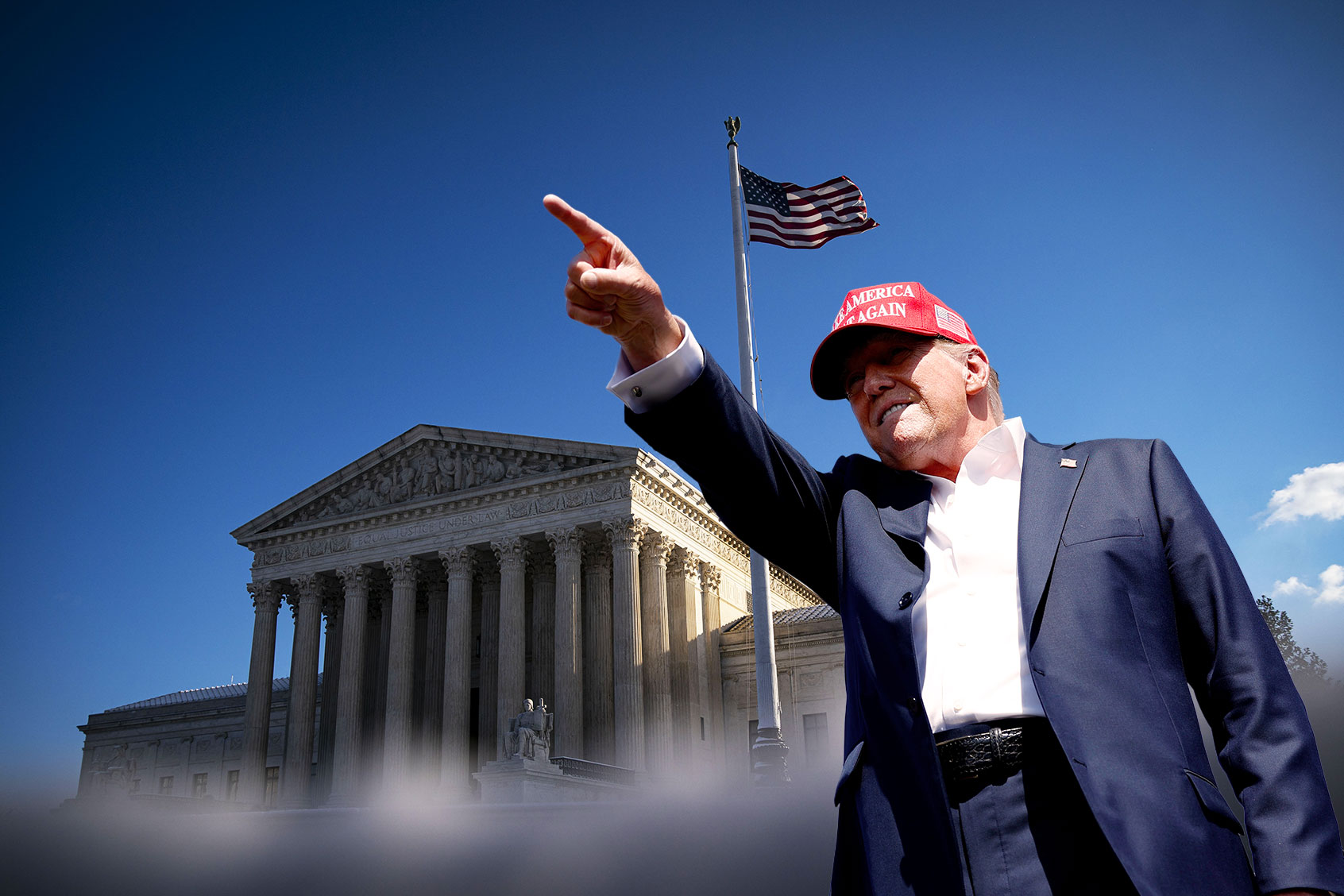
he independence of the judiciary is a foundational principle of the United States constitutional system, enshrined in the Constitution. Federal judges are appointed for life (shielded from presidential whims) and their salaries cannot be reduced by Congress. Another principle, only implicitly included in the Constitution, became reality with the Marbury v. Madison ruling in 1803. This principle was articulated by Alexander Hamilton (1757-1804), one of the United States' founding fathers, in Federalist No. 78: the judiciary's responsibility is to review the legality and constitutionality of the president's actions and the laws passed by Congress.
Since Donald Trump returned to power on January 20, he has been determined to govern like a monarch, disregarding Congress and other checks and balances. He signed more than 210 executive orders (according to the Federal Register), nearly all of which were challenged in court. Almost all judges who heard these cases suspended or invalidated the orders, finding them in violation of the Constitution or federal law. According to law expert Steve Vladeck, at least 97 rulings have been issued by 73 different judges from 25 courts and 10 appellate jurisdictions. The resistance has been widespread, with judges compelled to respond decisively.