Get the latest news and updates from Dawn
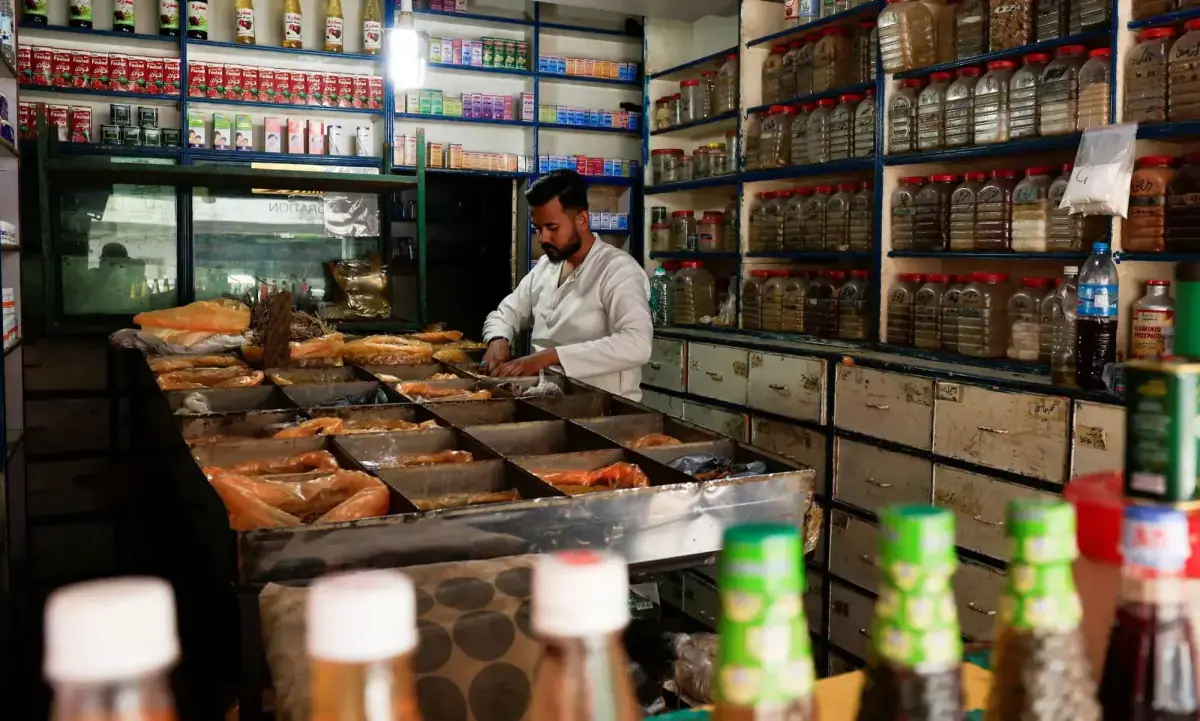
The government will market its new “small trader scheme” as an effort to bring retailers into the tax net and generate Rs50 billion annually. A cursory look would, however, reveal that it is less a tax reform initiative and more a negotiated settlement with one of Pakistan’s most under-taxed yet politically influential constituencies.
The scheme offers traders with annual sales of up to Rs200 million a simplified one per cent turnover tax on a voluntary basis. Participants will face minimal compliance requirements and will be exempt from audits, point-of-sale systems, digital invoicing and most forms of scrutiny. Existing non-filers can join under certain conditions.
The government insists this is not a tax amnesty. But exempting traders from the very documentation tools — POS [point-of-sale] systems, digital invoicing — that the state claims to be expanding elsewhere makes that position hard to sustain. If the purpose is to integrate retailers into the documented economy, the scheme does the opposite. It risks entrenching the cash-based practices that have long kept retail trade outside the tax net.
This follows a familiar pattern. Whenever governments attempt to broaden the tax base, trader resistance produces a compromise — a concessionary regime that falls short of genuine documentation. The Tajir Dost Scheme, introduced last year, largely failed; at one point, only a few dozen traders had reportedly joined. The new scheme is a variation of the same scheme, not a more effective alternative.