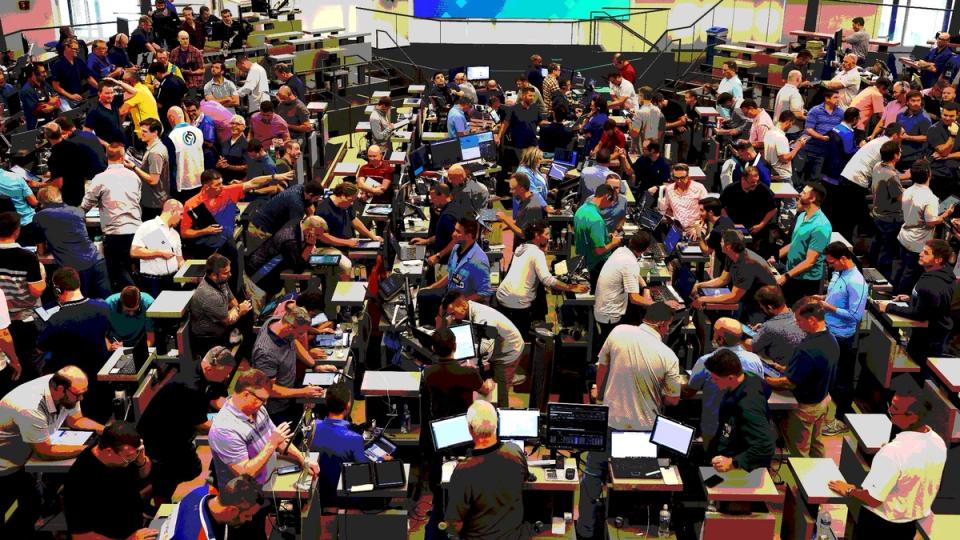
Crypto market structure refers to the framework of participants, platforms, rules, and infrastructure that comprise the digital asset markets. It includes crypto exchanges, brokers, custodians, market makers, token issuers, investors, and the regulators that oversee them. When lawmakers and analysts talk about “crypto market structure,” they are usually talking about who is allowed to do what in the digital asset economy and which rules apply at each step.
In traditional finance, these questions were settled decades ago through laws such as the Securities Act of 1933, the Securities Exchange Act of 1934, and the Commodity Exchange Act of 1936. In crypto, they are still being worked out, which is why “market structure” has become one of the most common phrases in U.S. crypto policy.
Why Does Market Structure Matter?
Market structure determines who is protected, how prices are set, and whether large institutions can participate. It is important for several major reasons:
Investor Protection: Clear rules about disclosure, custody, and conflicts of interest reduce the risk that retail investors lose money to fraud or hidden conflicts. The collapse of FTX in 2022 is the example regulators most often cite when explaining why these rules matter.