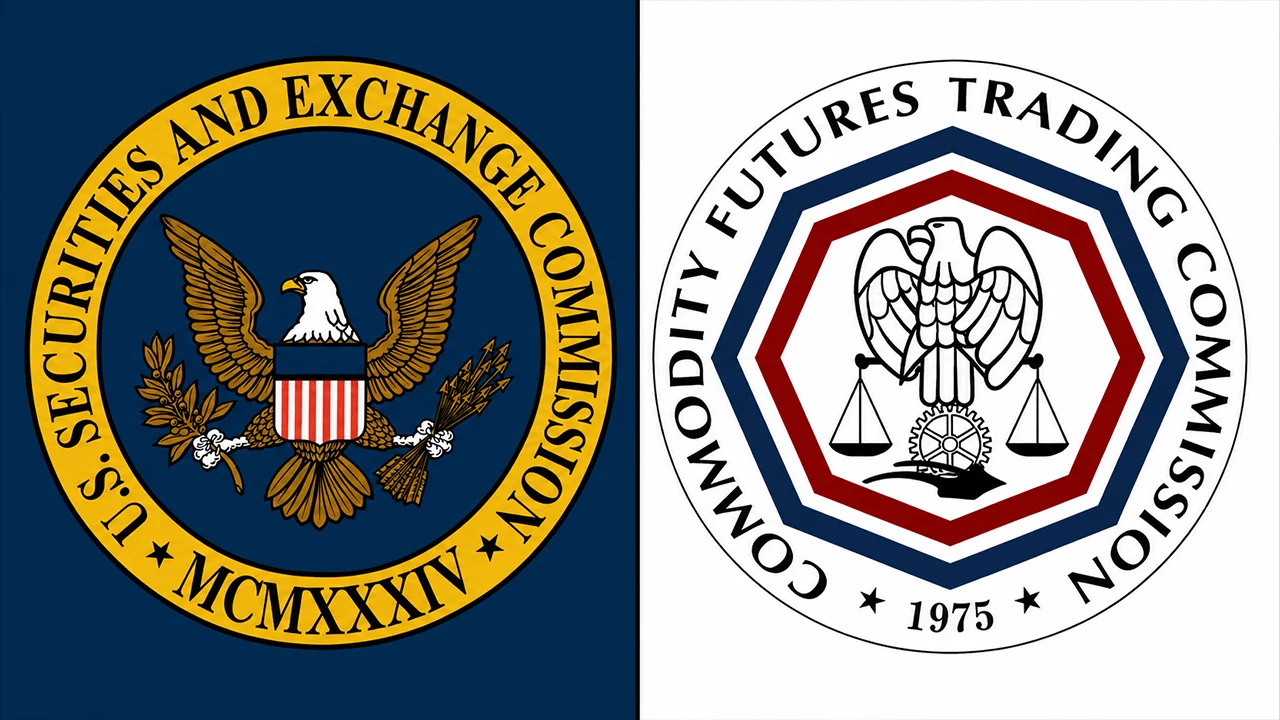
Crypto oversight is split mainly between two agencies: the Securities and Exchange Commission (SEC) and the Commodity Futures Trading Commission (CFTC). In broad terms, the SEC handles crypto assets that behave like investments in a company. Meanwhile, the CFTC handles assets that behave like commodities, along with futures and other derivatives tied to them. Which agency has authority over a given token depends on how that token is classified.
In this article, we’ll cover the roles and responsibilities of each of these main U.S. crypto regulators.
Why Is Crypto Regulation So Complicated?
Crypto regulation is complicated because the technology arrived decades after the laws now being applied to it. The core U.S. securities and commodities laws date back to the 1930s. Neither was written with a global, software-based, borderless asset in mind.
The deeper problem is that crypto can be a complicated asset class to define. A token can behave like a share in a startup, like a raw commodity, like a currency, like a software license, or like several of these at once. Its character can also change over time. Two agencies with different mandates can each look at that asset and reasonably see something that falls under their authority.