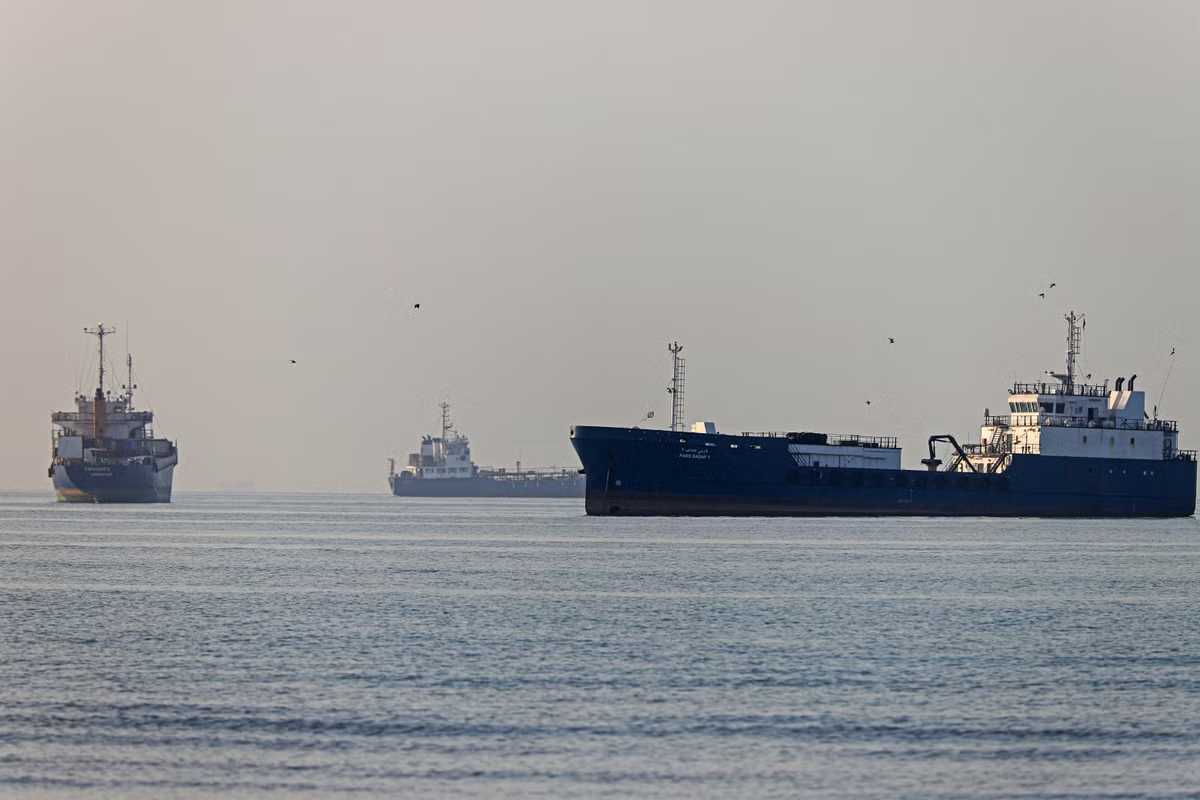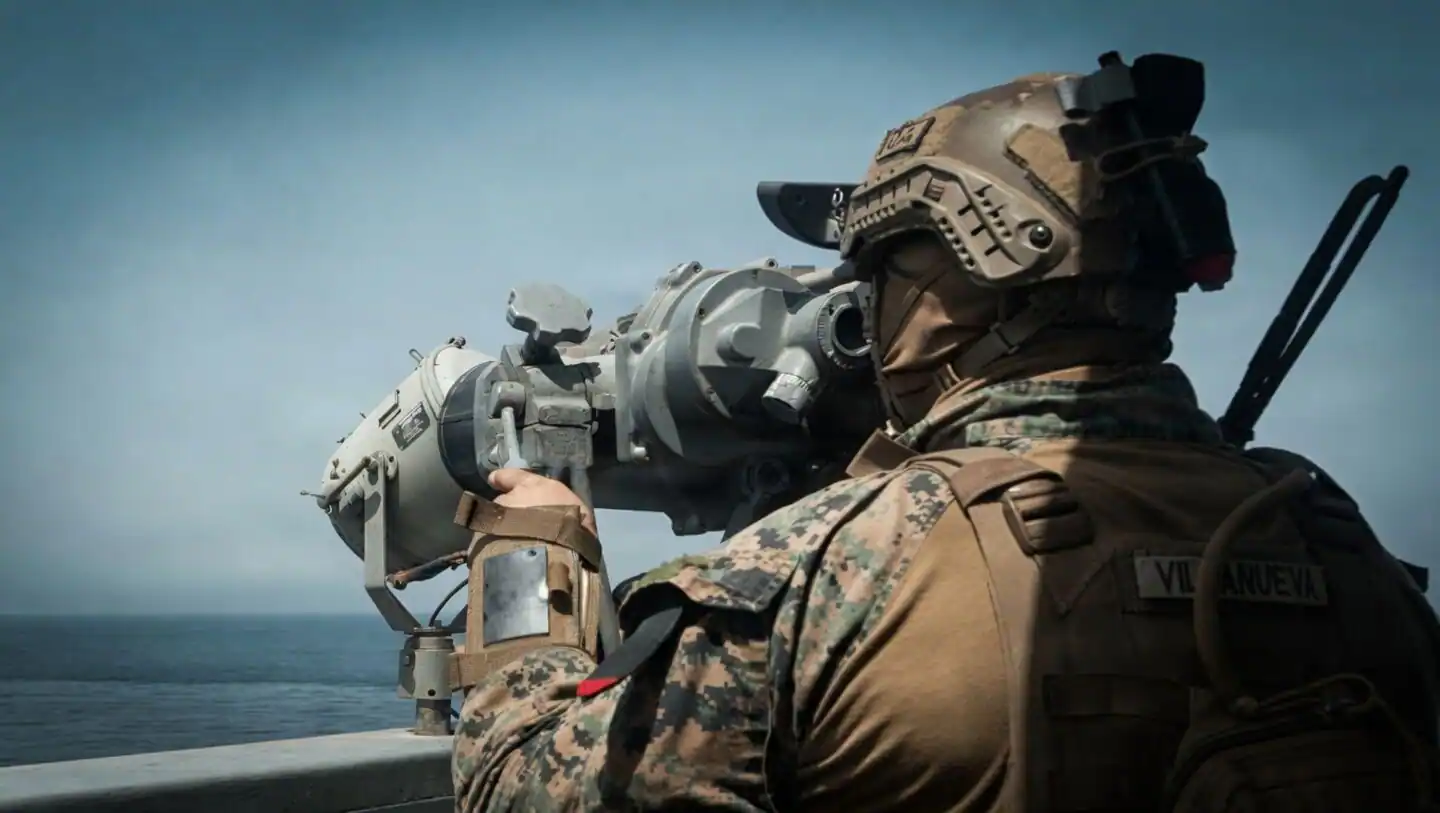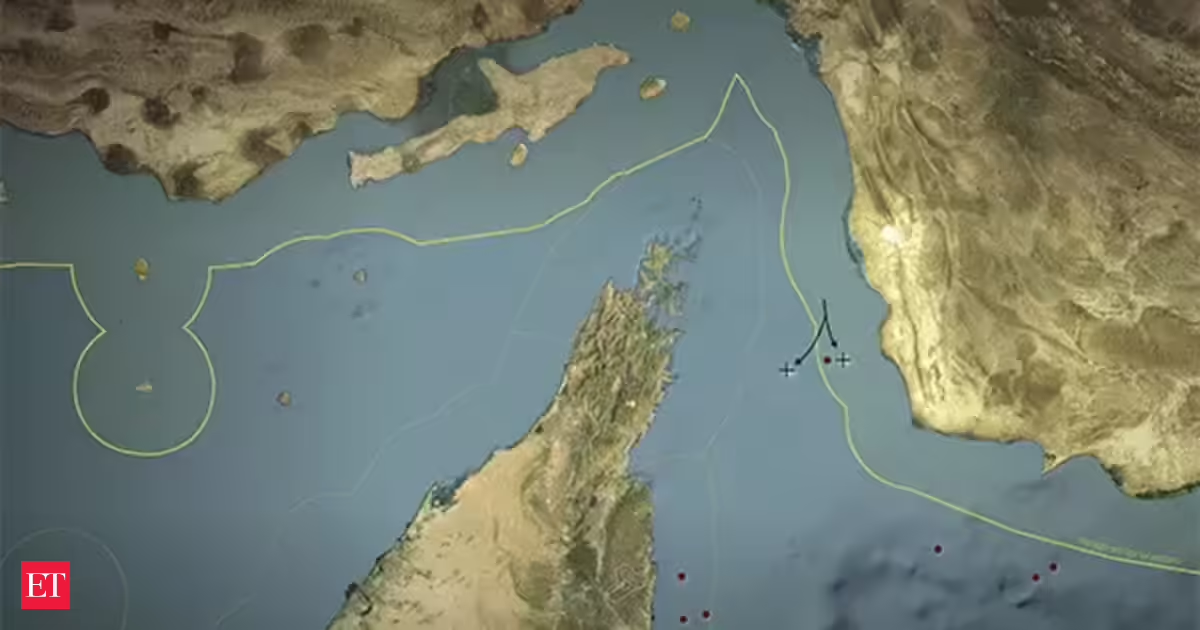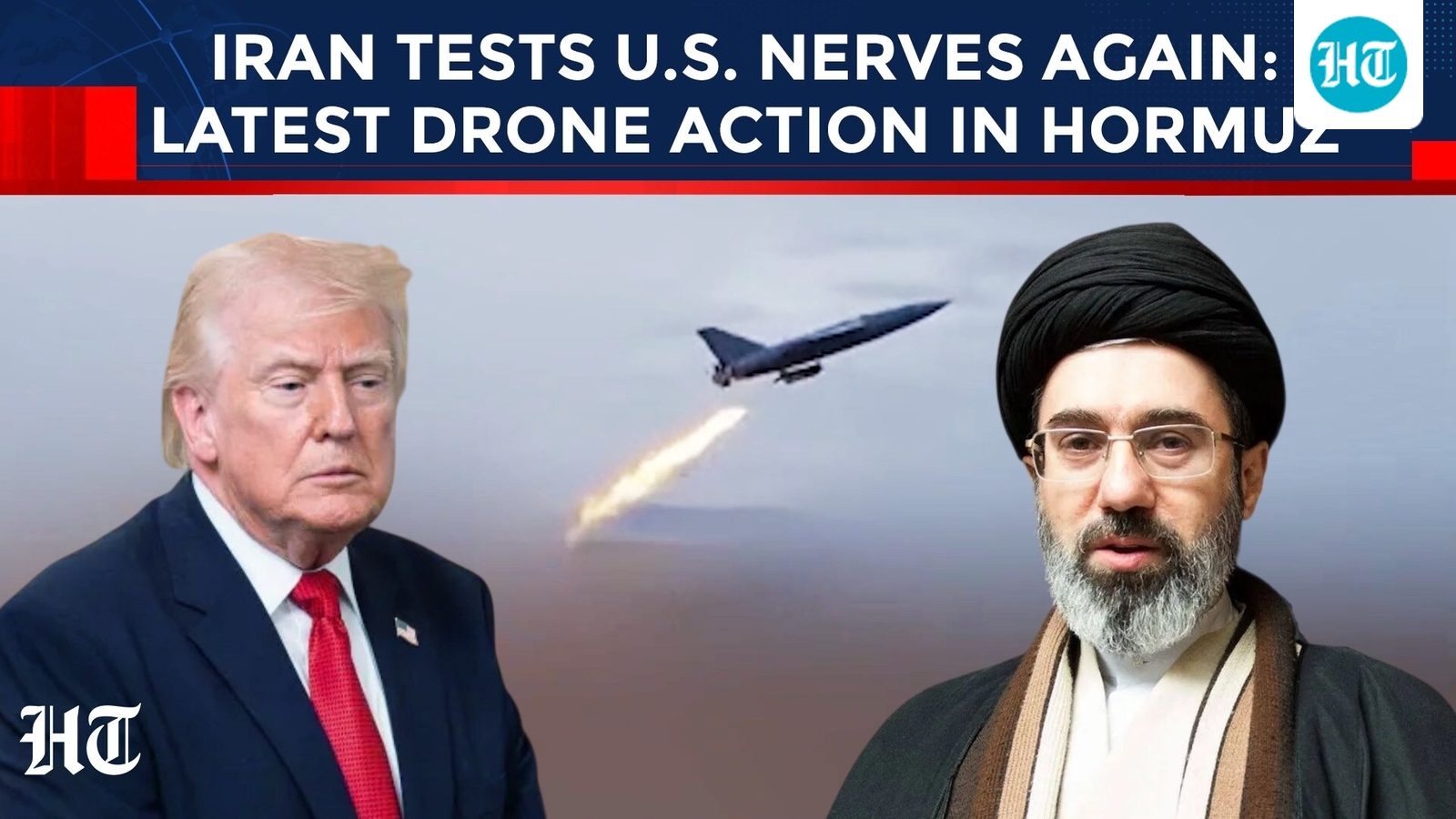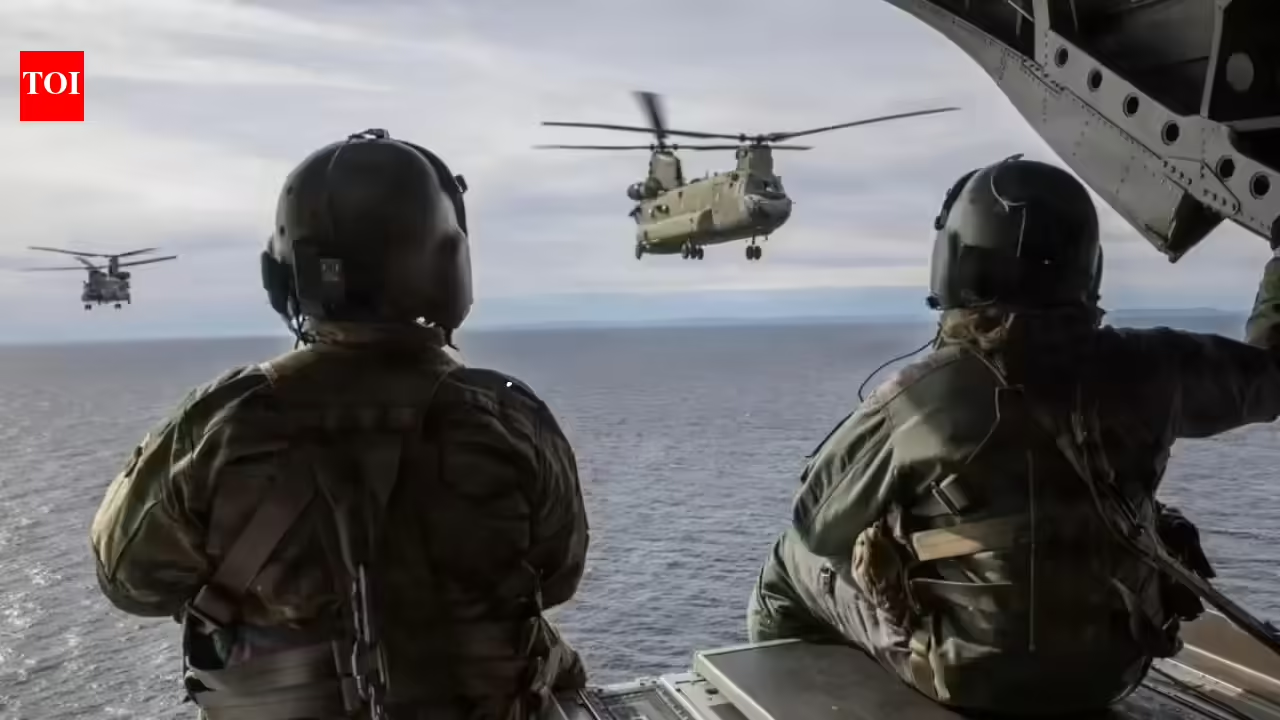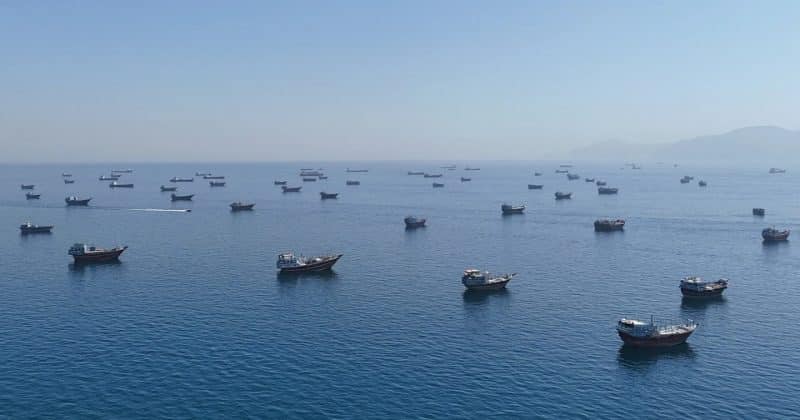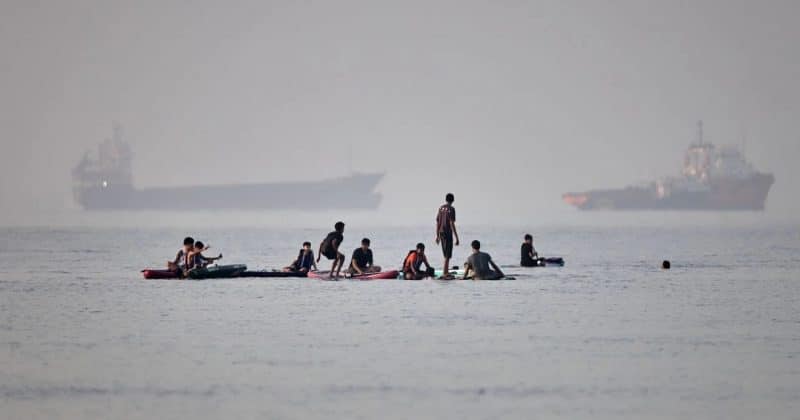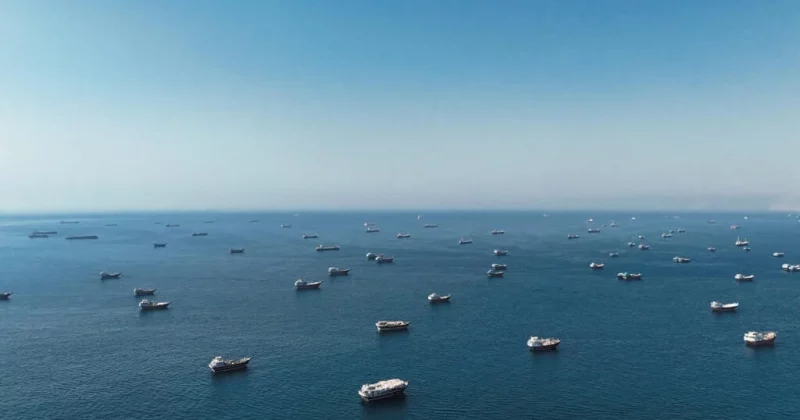
US forces shot down four Iranian one-way attack drones targeting the Strait of Hormuz on June 5, marking a significant escalation in what has become the defining geopolitical crisis of 2026. US Central Command confirmed the intercepts, citing an imminent threat to maritime traffic in one of the world’s most critical shipping chokepoints.
The drone launches weren’t the only provocation. Iran also fired seven ballistic missiles toward Kuwait and Bahrain on the same day, with six of those successfully intercepted by regional defense systems. In response, the US conducted follow-up strikes on Iranian coastal radar installations and drone-related sites, framing the action as self-defense.
What happened and why the Strait matters
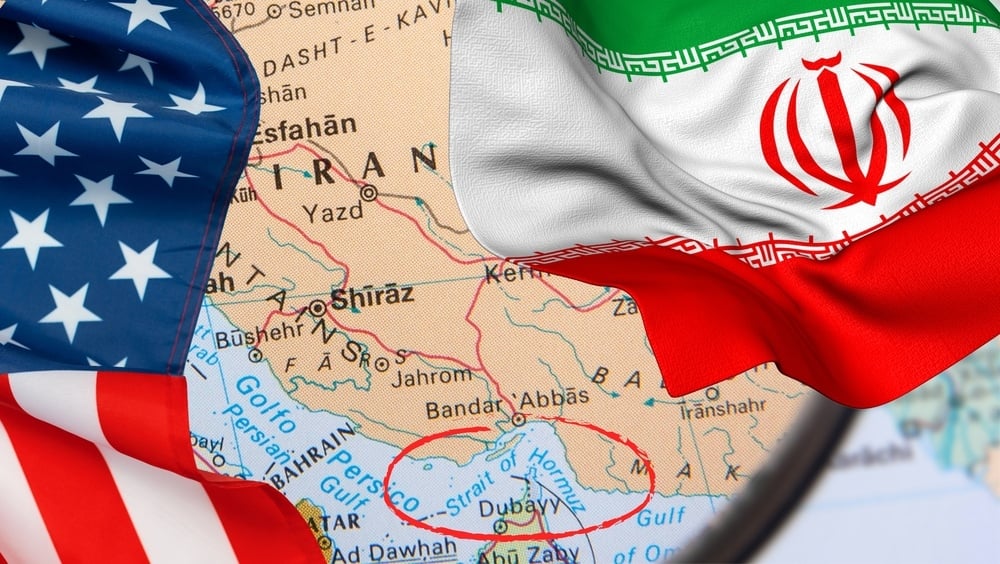
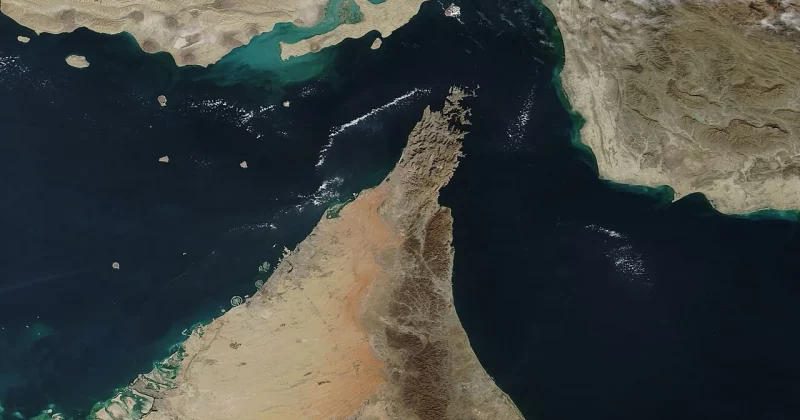
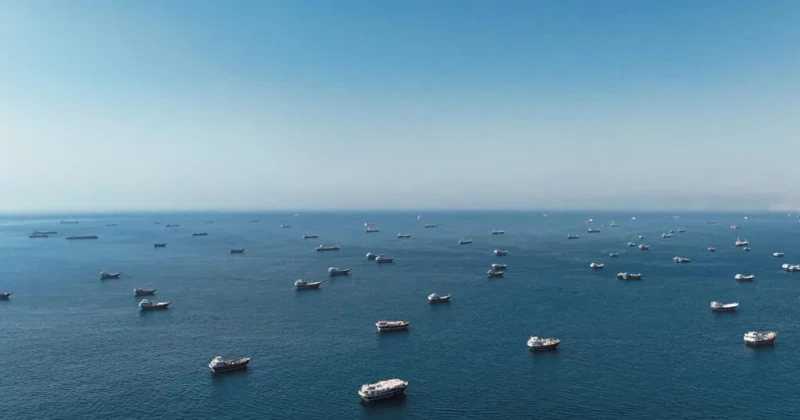
The Strait of Hormuz is the narrow waterway connecting the Persian Gulf to the open ocean. Roughly 20% of the world’s oil supply passes through it on any given day.
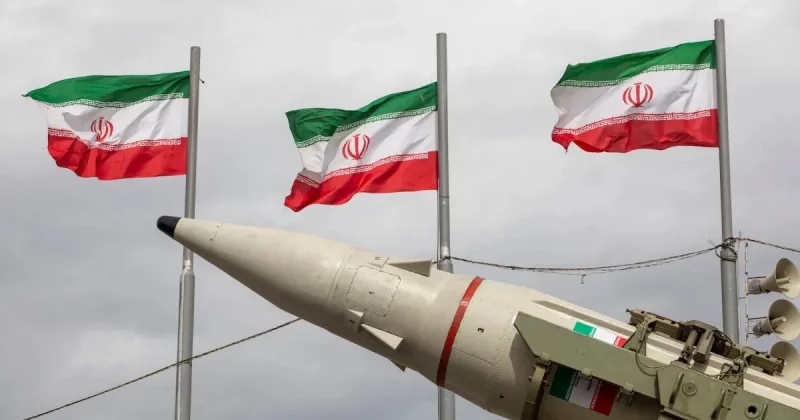
CENTCOM described the four intercepted drones as “one-way attack” variants, meaning they were designed to crash into their targets and detonate. After neutralizing the airborne threats, American forces struck Iranian coastal radar and drone infrastructure to degrade Tehran’s ability to launch follow-up attacks. The simultaneous ballistic missile barrage toward Kuwait and Bahrain suggests this wasn’t an isolated incident but a coordinated military operation across multiple fronts.