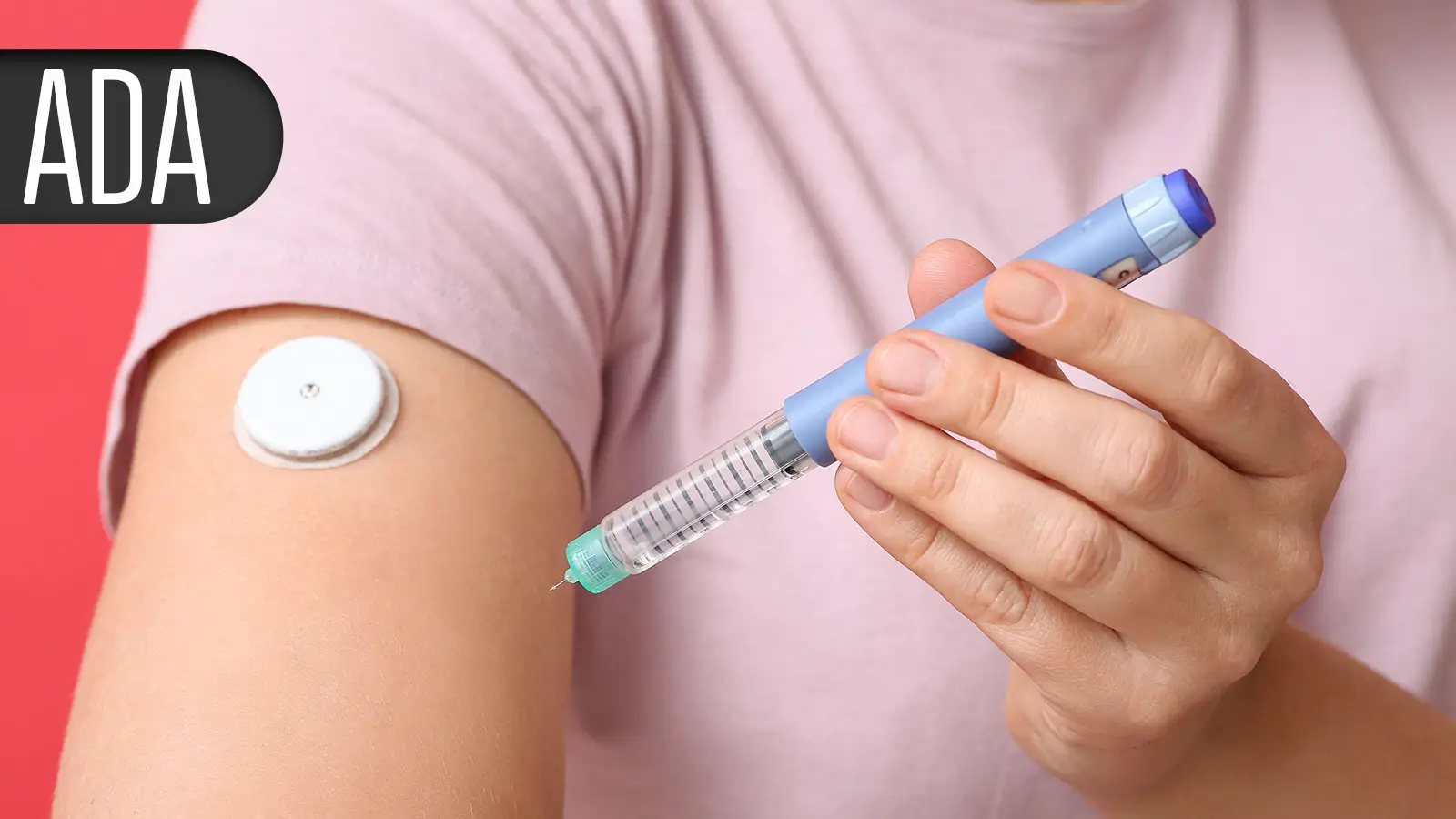
NEW ORLEANS -- Petrelintide, an investigational long-acting amylin analog, induced significant weight loss with minimal side effects in the global phase II ZUPREME-1 study.
By week 28, all five investigational doses of petrelintide yielded significantly greater weight loss compared with placebo when added to a reduced-calorie diet and exercise in people with obesity or overweight.
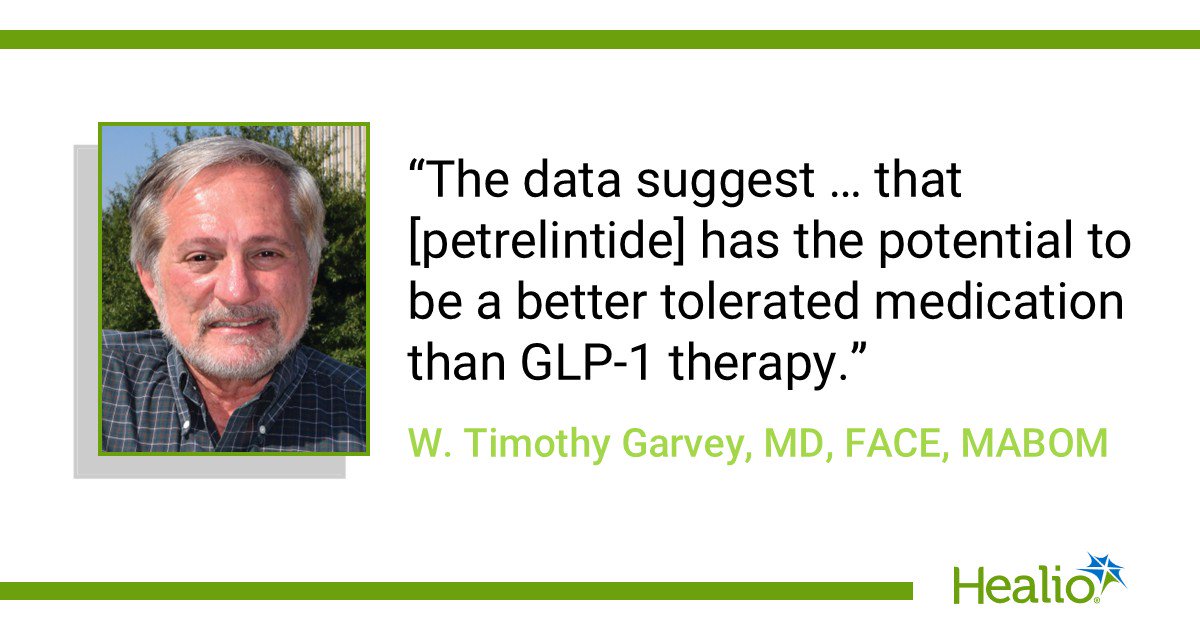
Weight loss was maintained through a 42-week maintenance period where weight losses ranged from 8.7% to 10.7% across petrelintide groups versus 1.7% with placebo, reported W. Timothy Garvey, MD, of the University of Alabama at Birmingham, at the American Diabetes Association (ADA) Scientific Sessions.
This 10% weight loss is "a safe, moderate weight loss that most of our patients with obesity require," noted Garvey during a press conference. "A lot of patients don't require 25%, 30% weight loss -- they don't feel good, they have higher risk of malnutrition and changes in body composition that may be deleterious in some patients."
Notably, the rate of diarrhea matched placebo (7.4% across pooled petrelintide groups vs 7.4%), while the rate of vomiting was lower (3.0% vs 6.2%). Nausea was more common with petrelintide (19.6% vs 6.2%), as was constipation (6.9% vs 3.7%). Most gastrointestinal (GI) events with petrelintide were mild (77%).