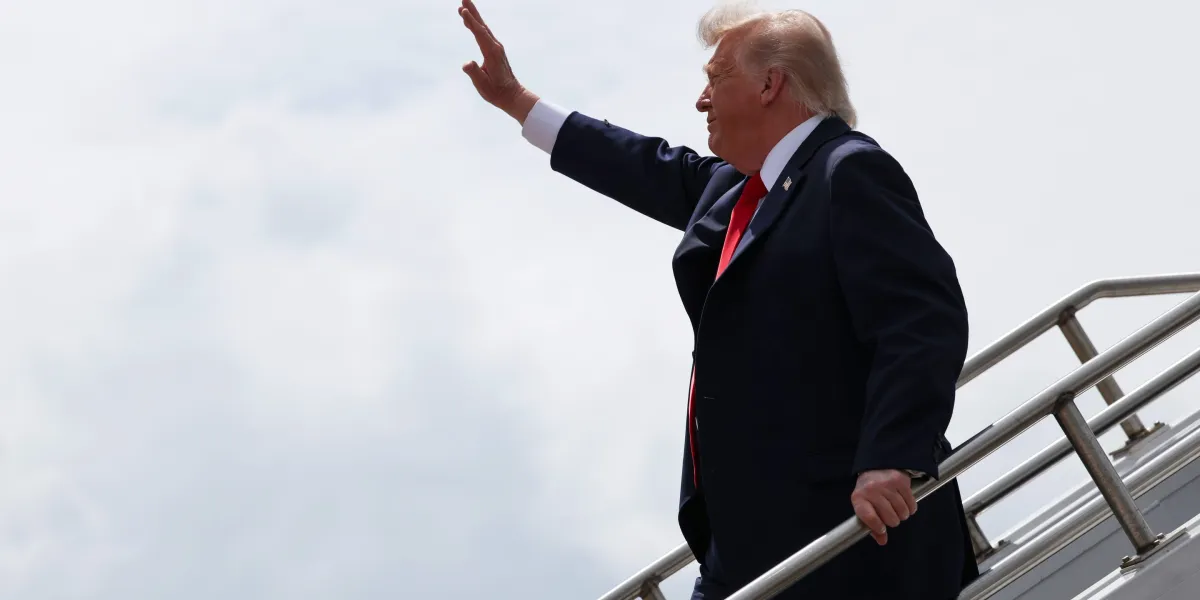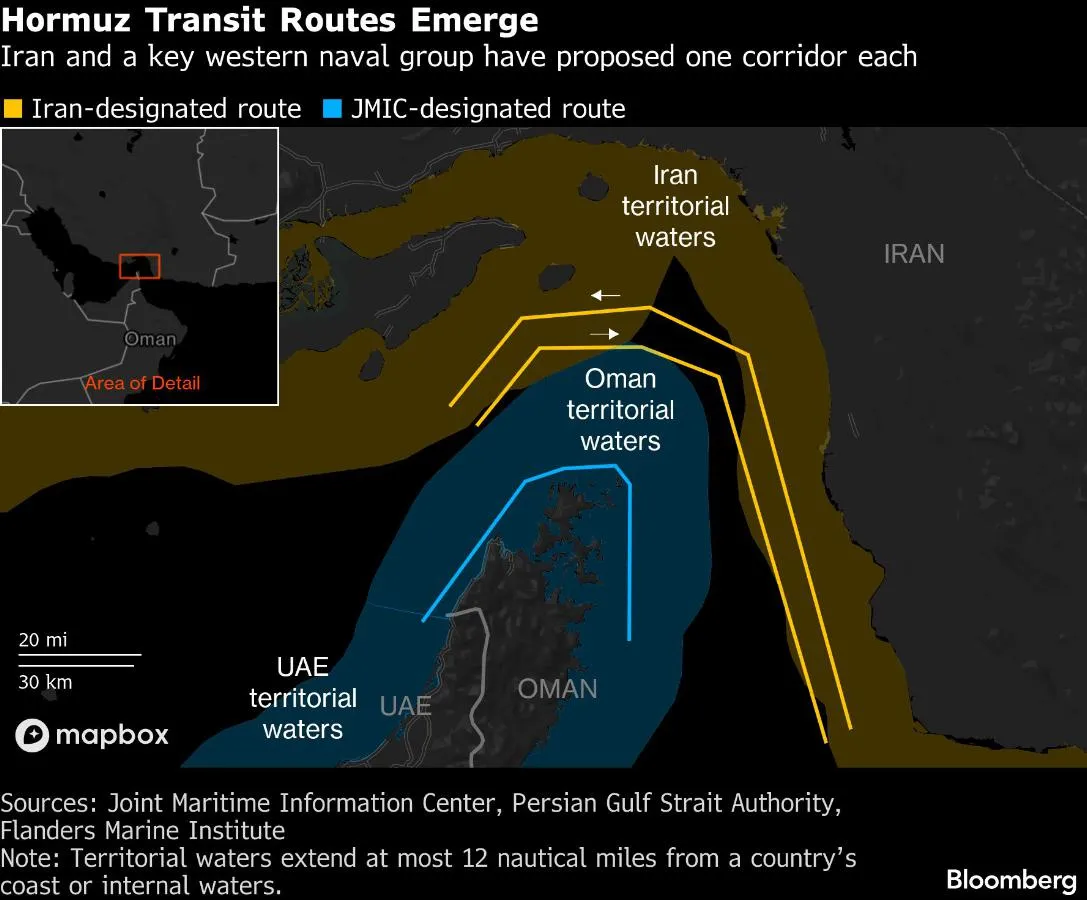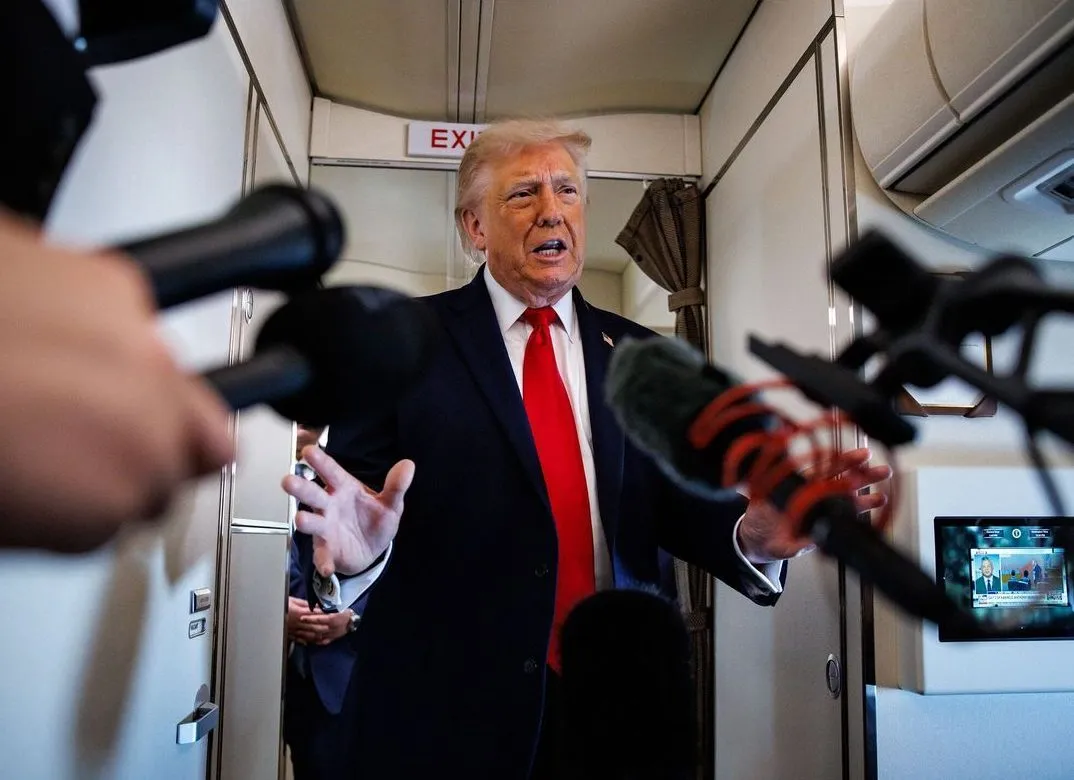
Skip to Content Subscribe Our Offers My Account Manage My Subscriptions FAQ Newsletters Canada Canadian True Crime Canadian Politics Health World Israel & Middle East Financial Post NP Comment Longreads Puzzmo Diversions Comics NP News Quiz New York Times Crossword Horoscopes Life Eating & Drinking Style Sponsored Play for Ontario Travel Travel Canada Travel USA Travel International Cruises Travel Essentials Culture Books Celebrity Movies Music Theatre Television Business Essentials Advice Lives Told Tails Told Shopping Buy Canadian Home Living Outdoor Living Tech Style & Beauty Kitchen & Dining Personal Care Entertainment & Hobbies Gift Guide Travel Guide Deals Savings National Post Store More Sports Hockey Baseball Basketball Football Soccer Golf Tennis Driving Vehicle Research Reviews News Gear Guide Obituaries Place an Obituary Place an In Memoriam Classifieds Place an Ad Celebrations Working Business Ads Archives Healthing Epaper Manage Print Subscription Profile Settings My Subscriptions Saved Articles My Offers Newsletters Customer Service FAQ Newsletters Canada World Financial Post NP Comment Longreads Puzzmo Diversions Life Shopping Epaper Manage Print Subscription HomeNewsWorldIsrael & Middle EastIran and U.S. appear no closer to a deal as war reaches 100 daysFresh attacks throughout the Middle East pile pressure on the fragile ceasefireAuthor of the article: You can save this article by registering for free here. Or sign-in if you have an account.U.S. President Donald Trump speaks with reporters while aboard Air Force One, en route to Chippewa Falls, Wisconsin, on June 5, 2026. Photo by Samuel Corum /Photographer: Samuel Corum/GettyThe U.S. and Iran appear to be making little progress toward an interim deal to end the war Washington and Israel began 100 days ago, as fresh attacks pile pressure on a fragile ceasefire.Enjoy the latest local, national and international news.Exclusive articles by Conrad Black, Barbara Kay and others. Plus, special edition NP Platformed and First Reading newsletters and virtual events.Unlimited online access to National Post.National Post ePaper, an electronic replica of the print edition to view on any device, share and comment on.Daily puzzles including the New York Times Crossword.Support local journalism.Enjoy the latest local, national and international news.Exclusive articles by Conrad Black, Barbara Kay and others. Plus, special edition NP Platformed and First Reading newsletters and virtual events.Unlimited online access to National Post.National Post ePaper, an electronic replica of the print edition to view on any device, share and comment on.Daily puzzles including the New York Times Crossword.Support local journalism.Create an account or sign in to continue with your reading experience.Access articles from across Canada with one account.Share your thoughts and join the conversation in the comments.Enjoy additional articles per month.Get email updates from your favourite authors.Create an account or sign in to continue with your reading experience.Access articles from across Canada with one accountShare your thoughts and join the conversation in the commentsEnjoy additional articles per monthGet email updates from your favourite authorsSign In or Create an AccountorThe past week saw the worst flare-up in tensions since the truce started around April 8. Negotiations between Washington and Tehran are bogged down over the fate of billions of dollars of frozen Iranian assets and a parallel conflict between Israel and Iran-backed Hezbollah in Lebanon.U.S. Central Command said early Sunday it downed two Iranian attack drones that threatened international maritime traffic in the Strait of Hormuz, the waterway crucial to global energy exports that’s also been at the heart of discussions.Columnist Jesse Kline keeps you up to date with what’s happening in Israel and the effects of antisemitism on life here in Canada. Friday mornings.By signing up you consent to receive the above newsletter from Postmedia Network Inc.A welcome email is on its way. If you don't see it, please check your junk folder.The next issue of Channel Israel will soon be in your inbox.We encountered an issue signing you up. Please try againOn Friday, six ballistic missiles fired at Bahrain and Kuwait were intercepted and another failed to reach their intended target, hours after four unmanned craft headed to Hormuz were shot down, Centcom said. The U.S. struck Iranian coastal surveillance radar sites in Goruk and on Qeshm Island, it added.Since the U.S. and Israel began hitting Iran on Feb. 28, Tehran and its proxies have launched missile and drone attacks on oil infrastructure, industrial sites and US military facilities across the Gulf. Saudi Arabia, the United Arab Emirates, Kuwait and Bahrain have all sustained damage.In Washington, President Donald Trump’s administration is floating a plan to steer Iranian assets frozen in the U.S. toward helping those Gulf allies rebuild from damage inflicted by the Islamic Republic.Tehran, meanwhile, insists those assets be released. The dispute risks derailing the discussions on a truce extension, reopening the Strait of Hormuz and future talks over Iran’s nuclear program.Iran’s neighbour, Pakistan, has played a key mediating role. The Islamic Republic’s foreign ministry said on Sunday that Pakistani Interior Minister Mohsin Naqvi met Iran’s top envoy Abbas Araghchi in Tehran and passed along a letter from his premier to Iran’s supreme leader. There were no further details.Trump, who has insisted for months Iran was near its breaking point, conceded Friday the country retains some missile and drone capacity. In an interview with NBC News, he said about 21 per cent to 22 per cent of Tehran’s missile arsenal remains.“It’s a lot of missiles, but it’s not what it was when we first attacked,” he told the television network during a visit to Wisconsin. maezlx4v0gw94{]32qanyooc_media_dl_2.png Bloomberg reportingEarlier Friday, he told reporters the U.S. is “having great success with Iran,” and “they’re in no position to have a nuclear weapon.”The ceasefire saw its biggest test on Wednesday, when Iranian strikes killed one person at Kuwait’s main airport and injured dozens. Bahrain was also attacked and the U.S. struck an oil tanker headed to the Islamic Republic. Kuwait has been one of Tehran’s main targets during the truce.Fighting between Israeli troops and Hezbollah continued over the weekend. The Israel Defence Forces said they’d intercepted two projectiles launched from Lebanon into Israel on Sunday.Hezbollah last week rejected a U.S.-brokered ceasefire between Israel and Lebanon announced by the State Department just hours before.Iran has demanded a ceasefire in Lebanon before an accord can be reached with the U.S. A military adviser to Iranian Supreme Leader Mojtaba Khamenei told CNN, “the ball is in Trump’s court” when it comes to a deal.The effective shuttering of the Strait of Hormuz since the start of the war has caused global oil prices to spike, prompting fears of an inflationary wave. Rising fuel costs are a sensitive issue for American voters, threatening to punish Trump’s Republican party at midterm elections due in months.The president again downplayed the higher cost of oil on Friday. “People thought it was going to be a lot worse,” he told reporters. “Today I looked at US$96 a barrel, people thought that was going to be $300 a barrel.”West Texas Intermediate crude ended the week above $90 a barrel and global benchmark Brent closed near $93. While contracts have eased from earlier peaks since the war began on Feb. 28, they remain significantly above levels before the conflict.Our website is the place for the latest breaking news, exclusive scoops, longreads and provocative commentary. Please bookmark nationalpost.com and sign up for our newsletters here. Join the Conversation This website uses cookies to personalize your content (including ads), and allows us to analyze our traffic. Read more about cookies here. By continuing to use our site, you agree to our Terms of Use and Privacy Policy.
Iran and U.S. appear no closer to a deal as war reaches 100 days
The U.S. and Iran appear to remain far apart on finalizing a peace deal to bring about an end to hostilities that began 100 days ago.
1,238 words~6 min read