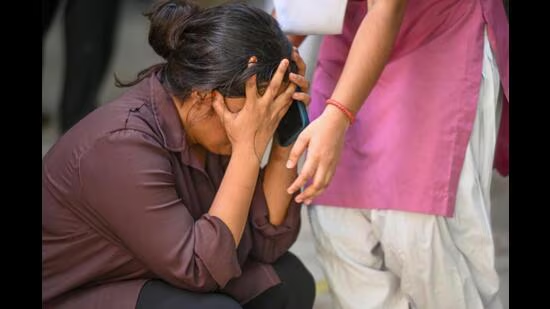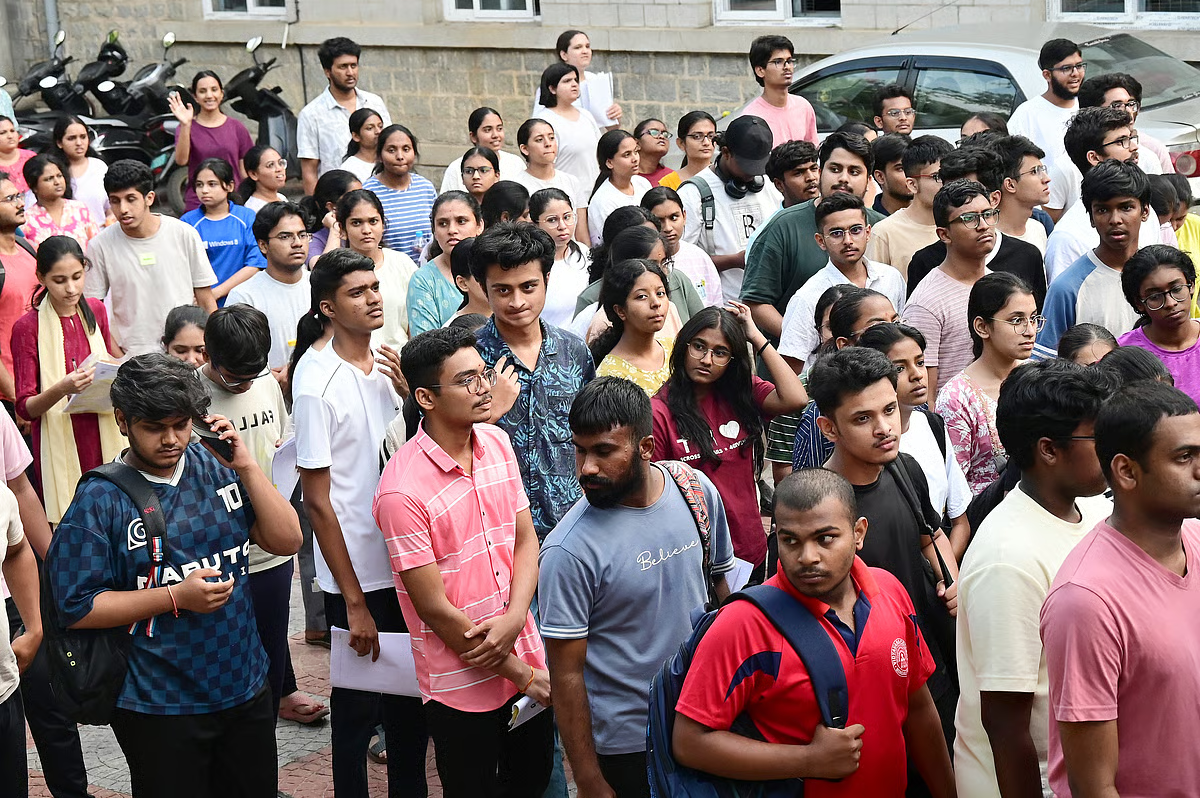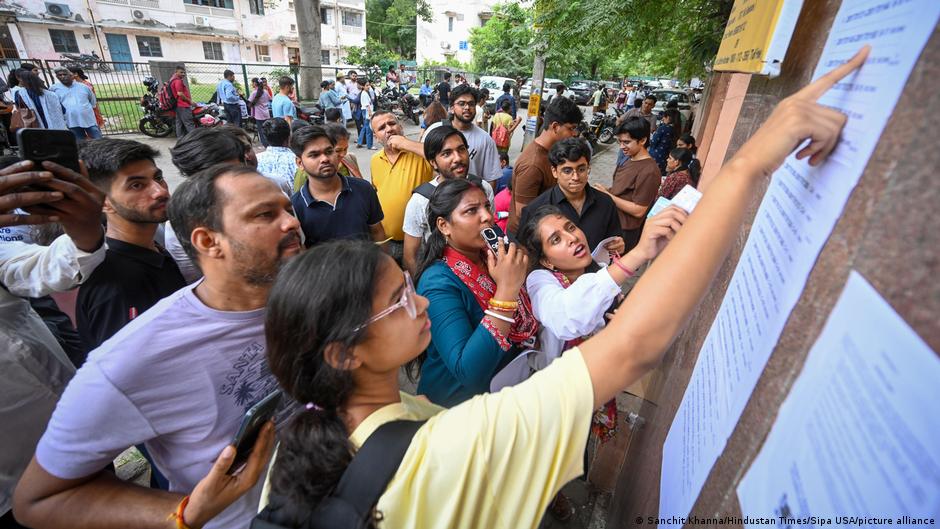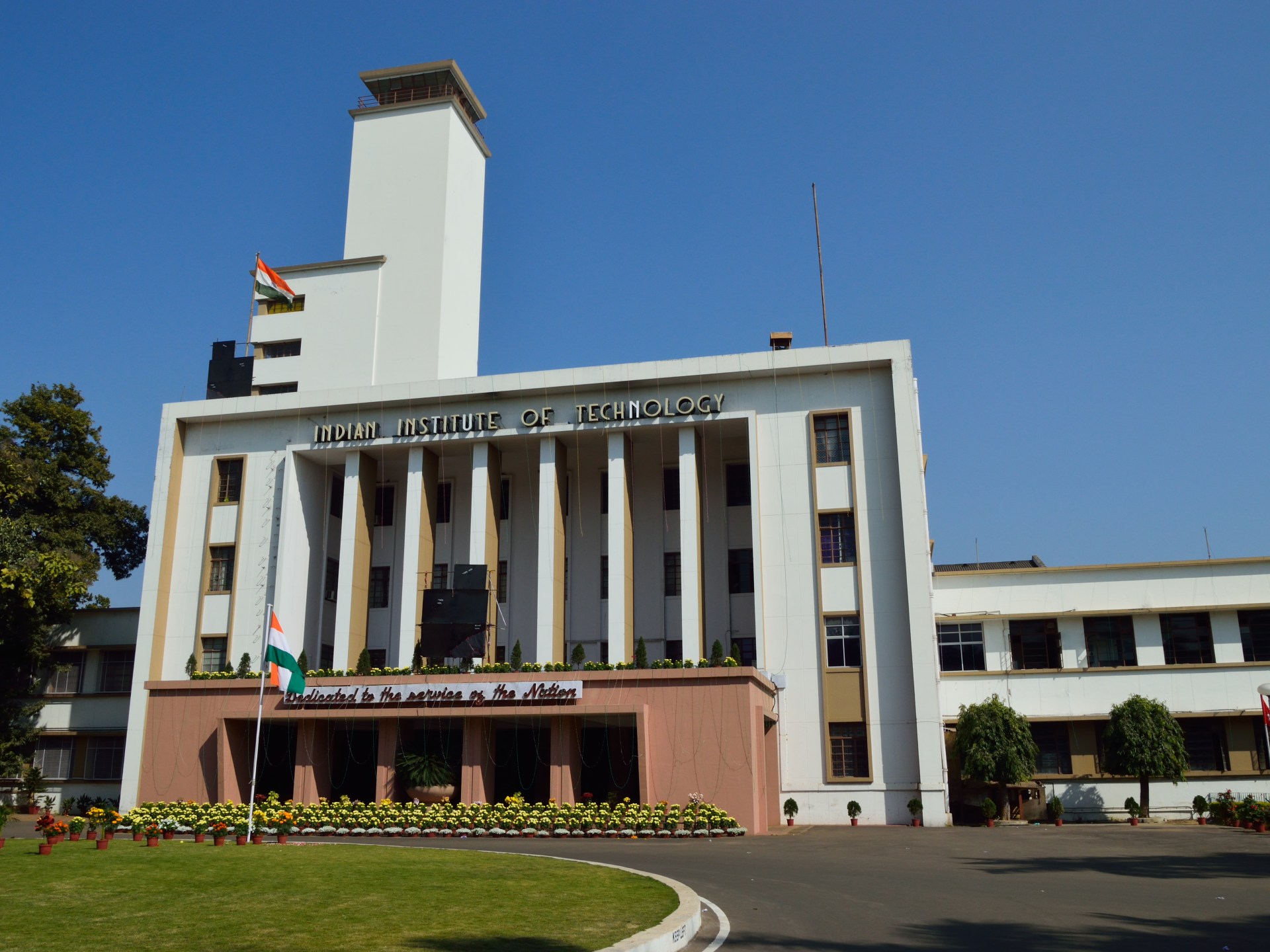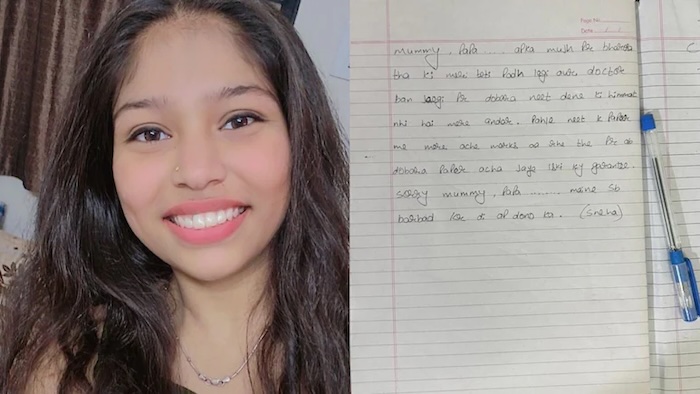
For over two decades, India has lost, on average, one student to suicide every hour of every day. Yet the alarming magnitude of this crisis is equalled only by the magnitude of the silence around it. Tragically, even after all these deaths, the question remains painfully relevant: how many more students must die before India treats this as a national emergency?The urgency of that question has been underscored yet again in recent weeks. Allegations surrounding the National Eligibility-cum-Entrance Test for undergraduate medical course and controversies over the evaluation process of the Central Board of Secondary Education have triggered widespread anxiety among students and parents, reigniting concerns about the credibility and fairness of India’s education system. Thousands of students and other young people recently gathered at Jantar Mantar in New Delhi under the banner of the Cockroach Janta Party, demanding accountability for examination irregularities and calling for the resignation of the Union Education Minister. Whatever one’s political views, the protests reflect a deeper reality: a generation increasingly convinced that the institutions governing its future are failing it.The latest National Crime Records Bureau (NCRB) figures reveal a grim reality. In 2024, 14,488 students died by suicide, the highest number ever recorded. This represents an increase of 4.3% over 2023 and a rise of more than 40% since 2019. Over the past decade and a year, student suicides have surged by about 72%, from 8,423 in 2013 to 14,488 in 2024. Students now account for 8.5% of all suicides in India, up from 6.2% in 2013.For a society plagued by apathy, these numbers can easily dissolve into statistical abstractions, eliciting little more than a passing sigh of disbelief. Yet every single death stands as a moral indictment of a country that has failed its young. They speak of futures cut short, families left irreparably broken, and institutions that have abandoned their most fundamental responsibility: to nurture, protect, and sustain the lives entrusted to them.The scale of the tragedy becomes even clearer by way of a decadal comparison. Roughly 62,147 student suicides were recorded during 2002-2011. During 2015-2024, the cumulative toll exceeded 1,15,850 deaths— about 86% higher than the total recorded in 2002-2011 — highlighting a crisis that has intensified over time..A striking shift occurred in 2021 when student suicides exceeded suicides among persons engaged in the farming sector for the first time in NCRB records. In that year, student deaths stood at 13,089, compared with 10,881 among the farming community. The gap has widened every year since. Between 2021 and 2024, India recorded 54,513 student suicides, about 25% more than the 43,503 suicides in the farming sector during the corresponding period. For decades, farmer suicides have rightly occupied a central place in public discourse. Student suicides now demand similar national attention.Yet the statistics, however alarming, explain little unless they are situated within the wider social and institutional conditions that make students vulnerable to despair.Devastating blowStudent suicides in India are often discussed in the aftermath of examinations, as though a mark sheet were capable of explaining a death. This framing mistakes the trigger for the cause. The deeper problem lies in the extraordinary weight that contemporary Indian society places upon educational success. In an economy marked by insecurity, inequality and limited pathways to stable employment, academic credentials have come to bear the burden of aspirations that were once distributed across family, community, and labour markets. Examinations are, therefore, invested with meanings they were never designed to carry. They are treated as referendums on intelligence, character and future worth. Under such conditions, the prospect of failure can assume a devastating psychological force.Yet examination pressure alone cannot account for the crisis. More than 160 suicides have been reported in the Indian Institutes of Technology over the past two decades, indicating that admission into the country’s most coveted institutions is no guarantee of psychological security. This pressure is neither accidental nor evenly distributed. It is produced by a system that combines intense competition with inadequate support. Families make immense financial and emotional sacrifices, coaching centres cultivate a culture of perpetual comparison, and educational institutions frequently privilege performance over well-being. Students navigate these demands while confronting bullying, discrimination, social isolation, and, in many cases, untreated psychological distress. The tragedy is that distress often remains invisible until it erupts into crisis. By then, what appears to be a sudden act is more accurately understood as the endpoint of a prolonged process of exhaustion, fear, and diminishing hope.Most troubling of all is the broader societal indifference. Mental health remains burdened by stigma. Students experiencing distress are often told to work harder, be stronger or simply endure. Seeking help is still viewed by many as a sign of weakness rather than wisdom.Educational institutions bear a significant share of responsibility. Many colleges and universities continue to lack adequate counselling services, trained mental health professionals, and effective grievance-redress mechanisms. Time and again, regulatory responses have focused on issuing fresh guidelines. Yet the problem is seldom the absence of rules. It is the failure to implement and enforce existing ones.Recent judicial interventions offer a measure of hope. For perhaps the first time, the Supreme Court, terming it an “epidemic”, has treated student suicides as a systemic constitutional concern rather than a collection of isolated tragedies. In 2025 and 2026, the court directed the University Grants Commission to frame regulations against caste discrimination in higher educational institutions, mandated stricter police procedures in cases of student deaths, constituted a National Task Force on Prevention of Suicides in Higher Educational Institutions under Justice S. Ravindra Bhat (retired) , and issued binding guidelines for educational institutions and coaching centres. Yet judicial action can only partially address the problem, not substitute for sustained political and administrative leadership. Nor is there any guarantee that new directives will fare better than the many existing regulations whose implementation has remained uneven.Multiple factorsThese interventions, however, recognise an essential truth: student suicides are not simply matters of individual vulnerability. They are often the consequence of institutional environments, social attitudes, and public policies. Accountability cannot stop at expressions of grief after a tragedy occurs. It must extend to preventing the conditions that make such tragedies possible.To frame the issue primarily as a mental health crisis is, therefore, inadequate. Such a formulation risks locating the problem within distressed individuals rather than in the social arrangements that produce distress on this scale. Therefore, this must be treated as being much more than a mental health crisis. It is, in fact, a national developmental crisis, a social justice crisis, and a constitutional crisis.Ultimately, however, this is not only a question of policy but also of moral responsibility. There is a tragic irony at the heart of the word “student”. Derived from the Latin studēre, it means both “to take pains” and “to be eager, devoted and enthusiastic in pursuit of learning”.Yet far too many of our students know only the first meaning. Even more heartbreaking is that so many suicide notes are notes of apology — children spending their final moments saying “sorry” to parents, teachers, and other loved ones.The undeniable truth, however, is that the apology is ours to make, the forgiveness ours to seek, and the obligation ours to act upon.(Those in distress can reach out to Tele-MANAS 14416 for assistance)Abhishek Matta is a former associate at the UN Youth Office and UNICEF; Ashok Dhanavath is a doctoral student in the University of Amsterdam. Views expressed are personal
The great despair: why are students dying
Explore the alarming rise in student suicides in India, highlighting societal pressures and the urgent need for systemic change.
1,232 words~6 min read