Peru’s central bank just gave its digital currency experiment more runway. The Banco Central de Reserva del Perú (BCRP) has extended its retail CBDC pilot through March 2027, a decision driven by surprisingly strong adoption numbers in the country’s most financially underserved regions.
The pilot, which launched on 14 October 2024, has already attracted more than 3.5 million users as of late August 2025. Digital currency balances in circulation hit S/7.5 million, representing a 182.7% increase at one reporting point. For a program targeting areas where most people don’t have a bank account, those are not small numbers.
How the pilot works
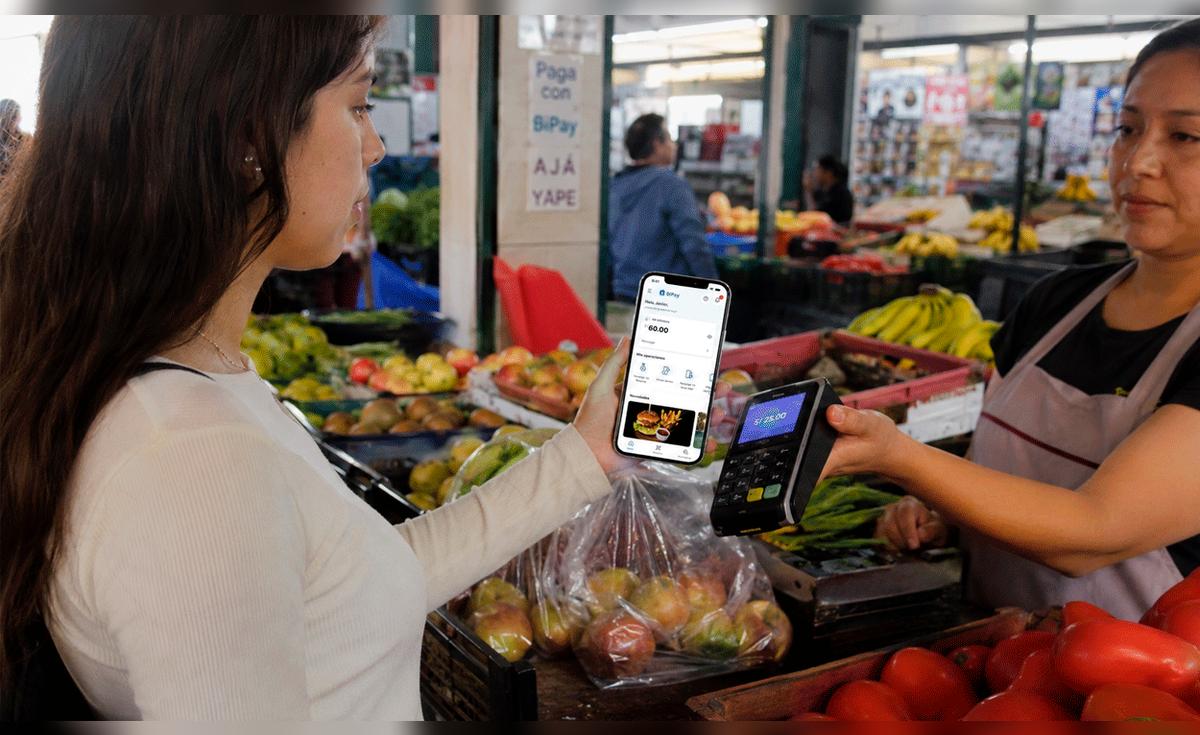
The BCRP partnered with Bitel, a telecom operator with significant reach in Peru’s rural areas, to distribute its digital money through a wallet called BiPay. Think of it as a government-issued Venmo that runs on central bank money rather than commercial bank deposits.
Users can make peer-to-peer transfers and pay bills directly from the BiPay wallet. By piggybacking on telecom infrastructure instead of traditional banking rails, the BCRP is reaching populations that conventional financial services have historically ignored.