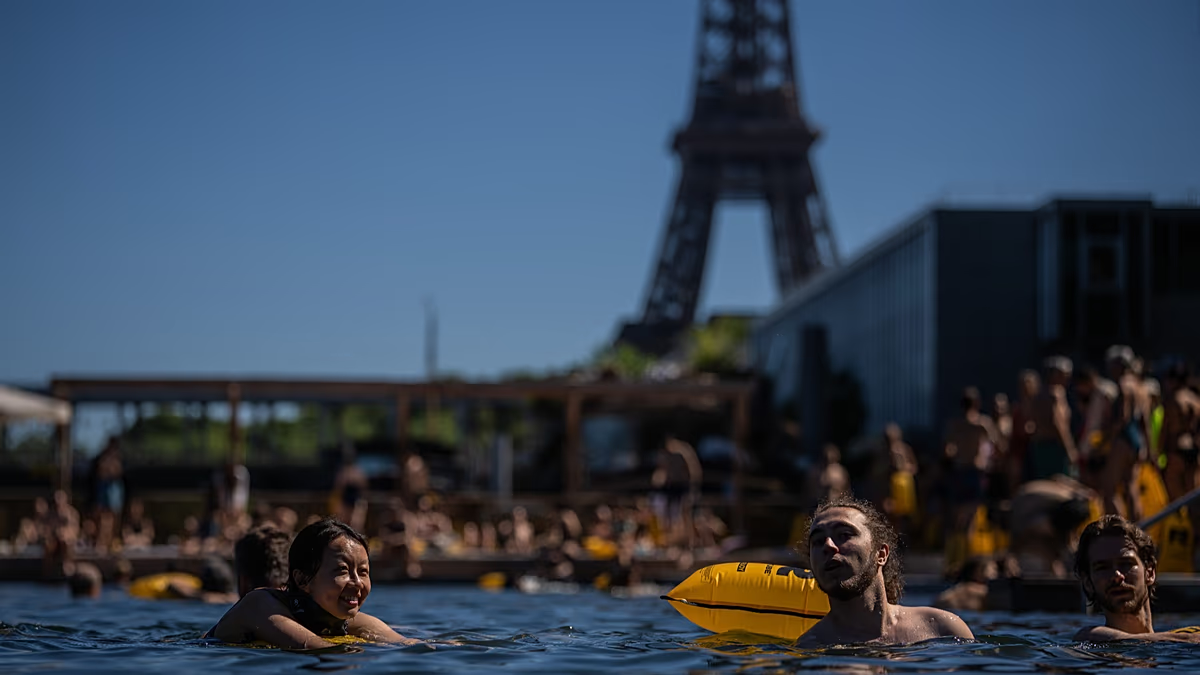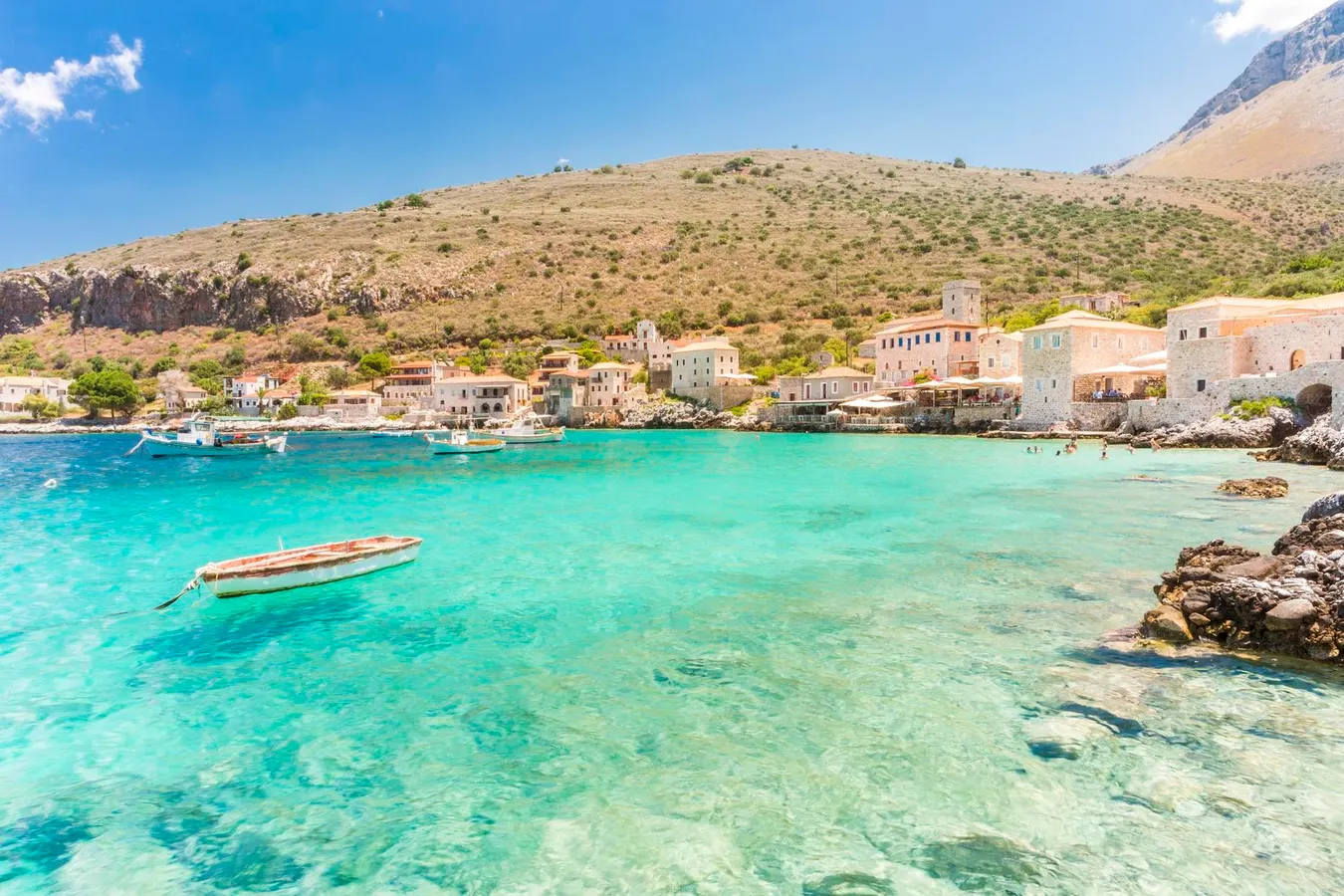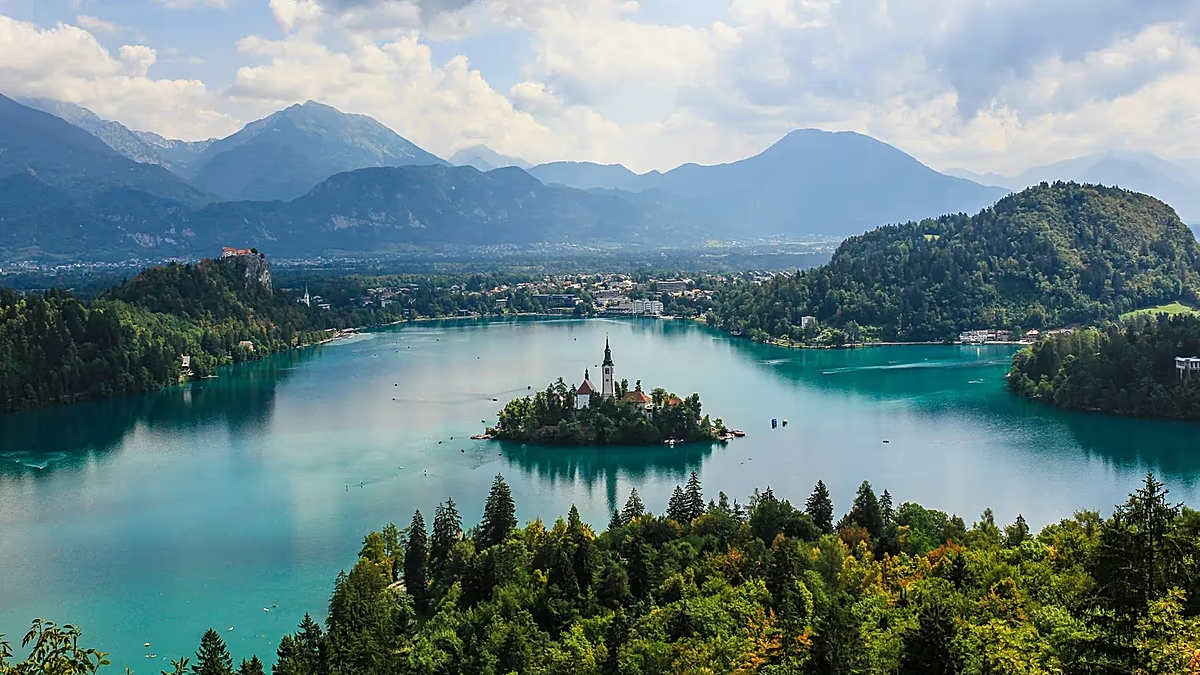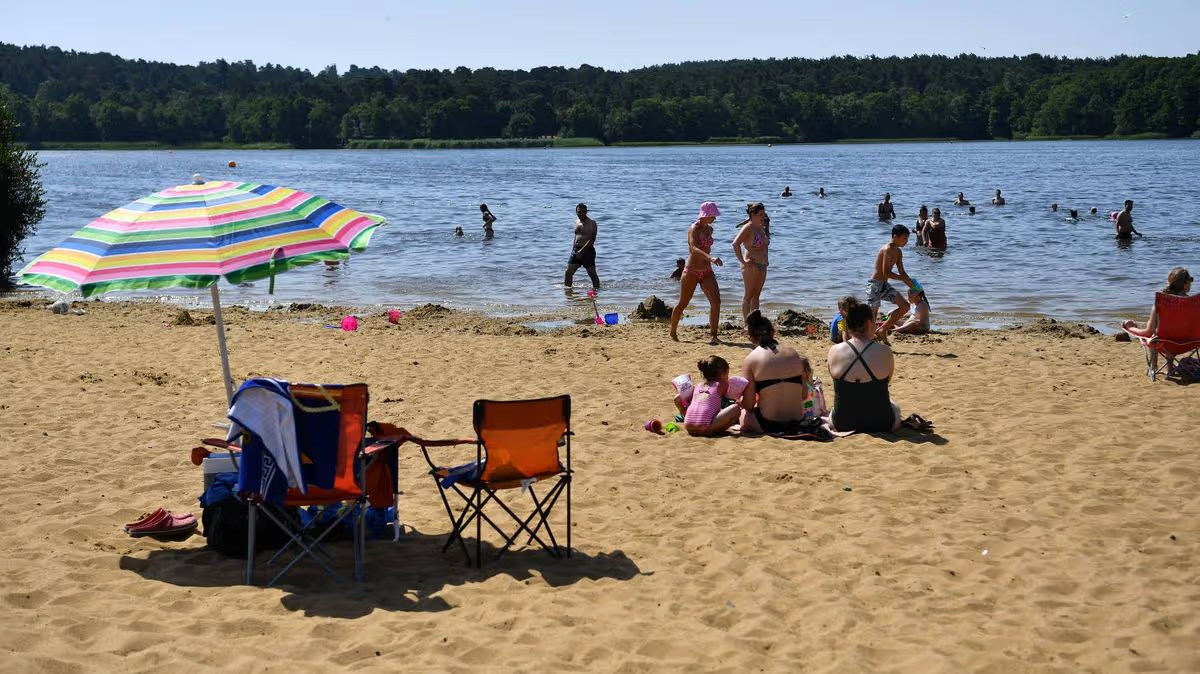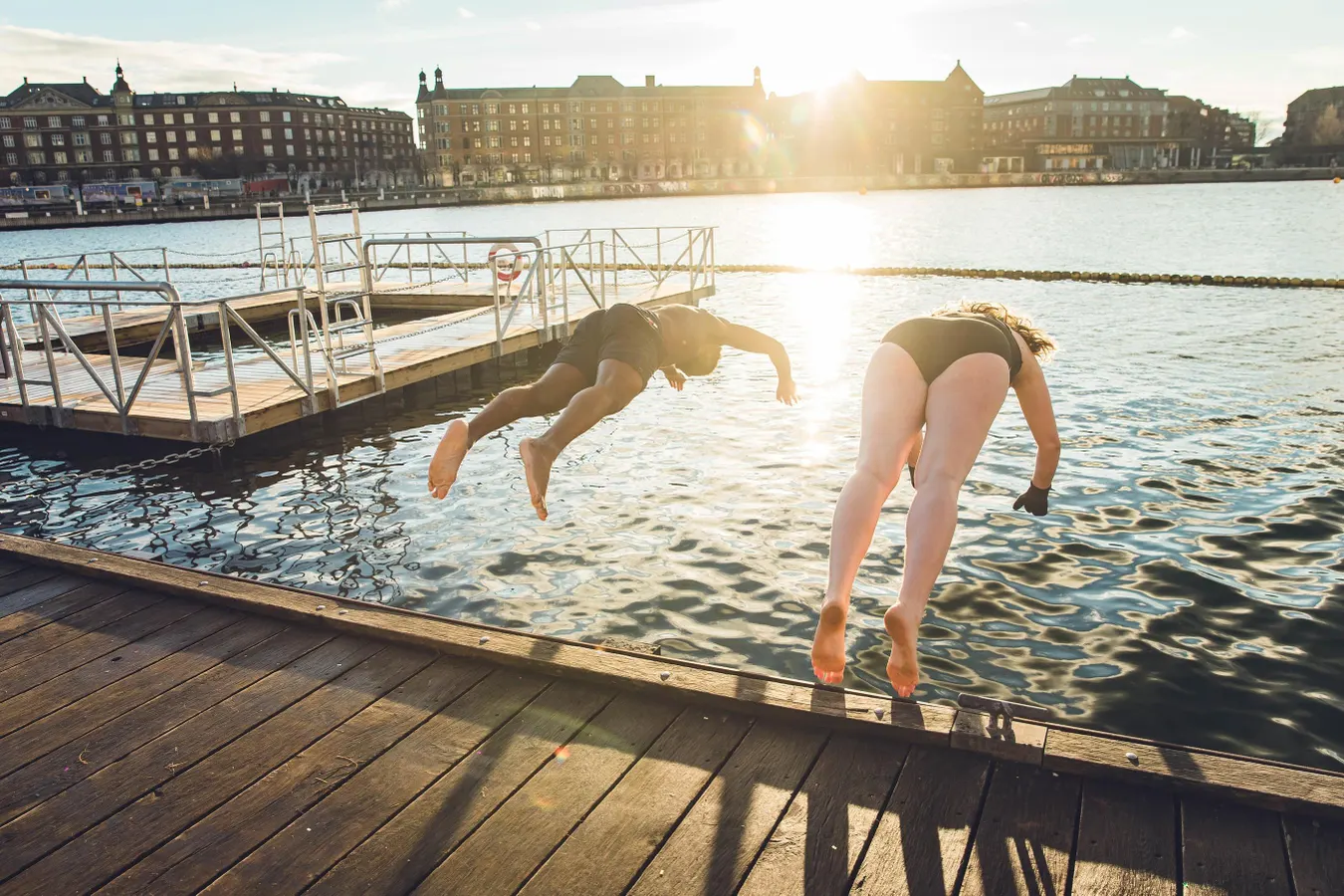
Copenhagen, Denmark—now introducing public saunas.gettyIn Scotland, historic tidal pools are being restored by communities and in Hampstead, London, year-round swimmers flock to centuries-old bathing ponds. Meanwhile, across the Channel, two of Europe’s coolest cities prove that industrial waterways can be repurposed to combat climate change and improve biodiversity and quality of life. Here are four interesting options to seek out on your next European trip.Wild Swimming In Europe At The Scottish Tidal Sea PoolsAn open-air swimming pool in Dunbar, East Lothian, Scotland, in 1923.Getty ImagesThere are roughly six or seven tidal pools along the Scottish coasts, depending on how you define a tidal pool.Scotland might be a small country, but it has an incredibly long coastline of more than 11,000 miles, around 800 islands, and you're never more than 40 miles from the sea.In the 1900s, the expansion of railway lines made it possible for the working classes to head to the seaside. Seapools were built by local communities with stone walls in sheltered bays; they fill with seawater at high tide as the waves wash over them, and at low tide, they're the perfect place to swim.In the 1970s, they were in decline as travelers headed to the now-accessible beaches of Europe in warmer weather. They are slowly being regenerated, however, particularly with the resurgence of outdoor and wild swimming.You can find seapools along the Scottish coast at St Monans, Pittenweem, Cellardyke, Castle Sands, and the two pools at Wick, plus others on the east coast. Cellardyke even has a sauna and a pizza shack.It remains to be seen what impact global warming will have on Scottish coasts; rising temperatures may attract more tourists, although sea-level rise will radically alter the landscape. In European cities, open water is being used to combat global warming. Many cities are planning to expand access to what The New York Times calls their “blue infrastructure”—using their famous waterways for residents and visitors to cool down in the summer months, but also to help cities literally cool down under rising temperatures and to improve biodiversity.Wild Swimming In Europe At Hampstead Heath, LondonIn the 17th and 18th centuries, at Hampstead, ponds were dug as reservoirs and over time, residents began using them to swim. In the 1840s, a more formal pool area was built, and by the early 20th century, swimming on Hampstead Heath had become a local tradition. In 1938, the open-air Parliament Hill Lido was added, and when authorities tried to close the bathing ponds in 2004, swimmers won a High Court case to keep them open, cementing Hampstead’s status as London’s iconic wild swimming destination. In its 2028 management strategy, the City of London says that since 2018, the number of swims at Hampstead has tripled from 200,000 in 2020 to just under 620,000 in 2023/2024.Wild Swimming In Europe In The Seine, ParisThe swimming pools along the Seine have been fully revived since the 2024 Summer Olympics in Paris.gettyThe most famous, more recently, is Paris, which managed to clean the once-infamously dirty River Seine to host the 2024 summer Olympics, despite some teething issues with bacteria and a controversial $1.5 billion cost, which amounts to an astonishing $5.6 million per competing athlete in the Olympics and Paralympics. Swimming had been banned since 1923, and it took decades to clean up enough for swimming. The Paris Plages (Paris Beaches) are open from July to September and feature deckchairs. They test bacterial levels first thing before swimmers are allowed in—CNTraveler reports that up to 1,000 swimmers swam daily at three newly designated zones in summer 2025.Wild Swimming In Europe In Copenhagen, DenmarkIn 2023, Denmark was ranked the second-safest country in the world, and the port area of Havnen ranked fourth among the coolest neighborhoods in Time Out's survey. It’s known for its friendly, playful vibe, no less because everyone hangs out on the water on boats, paddleboards, kayaks, pools, and even the new winter public saunas. The city modernized its sewage system in the 1990s, rerouting its wastewater into underground basins and expanding treatment plants, much as Paris did to prepare for the Olympics. Island Brygge havnebad (harbor bath), opened in 2002 with five different pools, and the city’s winter bathing clubs have doubled membership since 2015. In 2025, the city opened its first public saunas.If you’re heading to Europe in summer 2026, wild swimming in Europe in some of the most-visited must-see destinations might offer some respite from the rising temperatures and the crowds.MORE FROM FORBESForbes"One Journey, One Ticket"—The EU Unveils Cross-Border Train Travel PlanBy Alex LedsomForbesMore Americans, Especially Women, See Europe As A Plan BBy Alex Ledsom
Wild Swimming In Europe: Discover Four Natural Spots In Unusual Places
Some of Europe's most-visited destinations have the best wild swimming and offer the chance to cool down from rising temperatures and experience something different.
765 words~3 min read