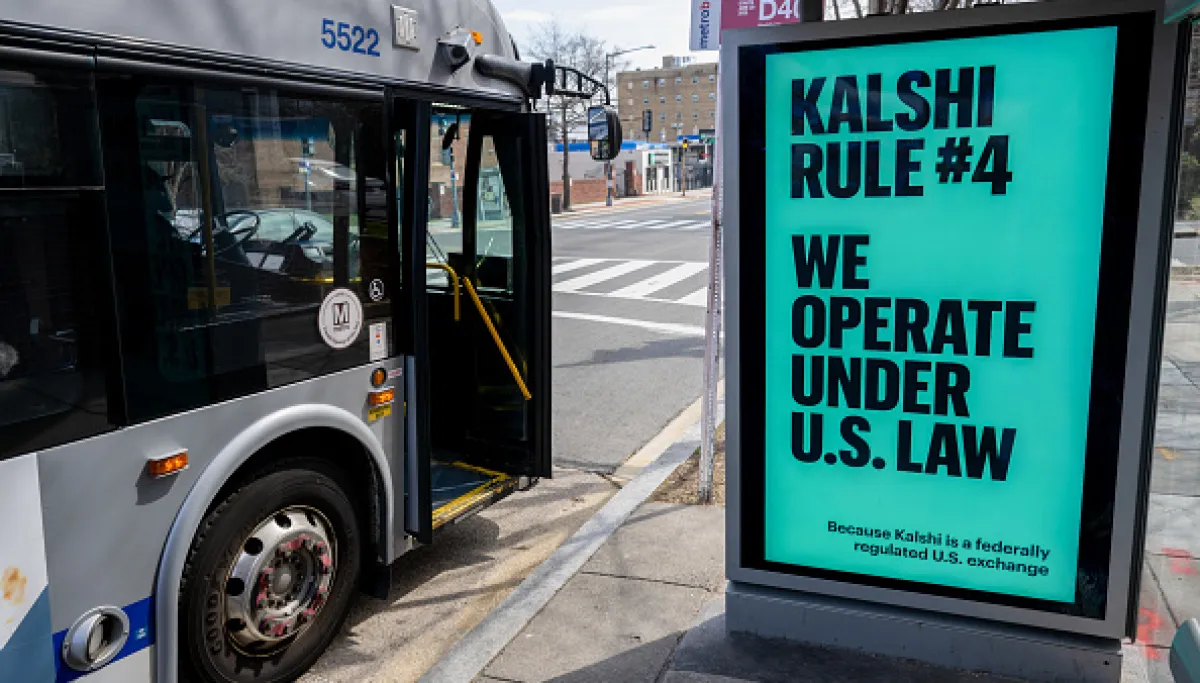
For decades, gambling has been regulated by states that decide which forms of wagering are allowed and which are prohibited within their borders.Now, a growing wave of lawsuits over prediction markets is testing whether that authority still applies. At the center of the dispute is the following question: Are contracts tied to real-life events a form of gambling that should be regulated by the states, or financial products governed by federal regulators?The answer could determine the future of companies such as Kalshi and Polymarket, as well as the balance between state and federal powers.
Is it a bet or a trade?
A series of lawsuits has exposed a fundamental disagreement over the scope of the Commodity Exchange Act, a federal law regulating futures contracts and options. The 1930s law was expanded to establish the Commodity Futures Trading Commission, which serves as the federal watchdog policing trading practices, ensuring financial integrity, and preventing market manipulation.
The CFTC has filed legal challenges against seven states — Arizona, Connecticut, Illinois, Wisconsin, Minnesota, New York, and Rhode Island — opposing their cease-and-desist orders, lawsuits, criminal charges, and, in one case, legislation seeking to ban prediction markets. The agency has also intervened in related cases in Ohio, Massachusetts, and Nevada, though it has not sued those states directly.