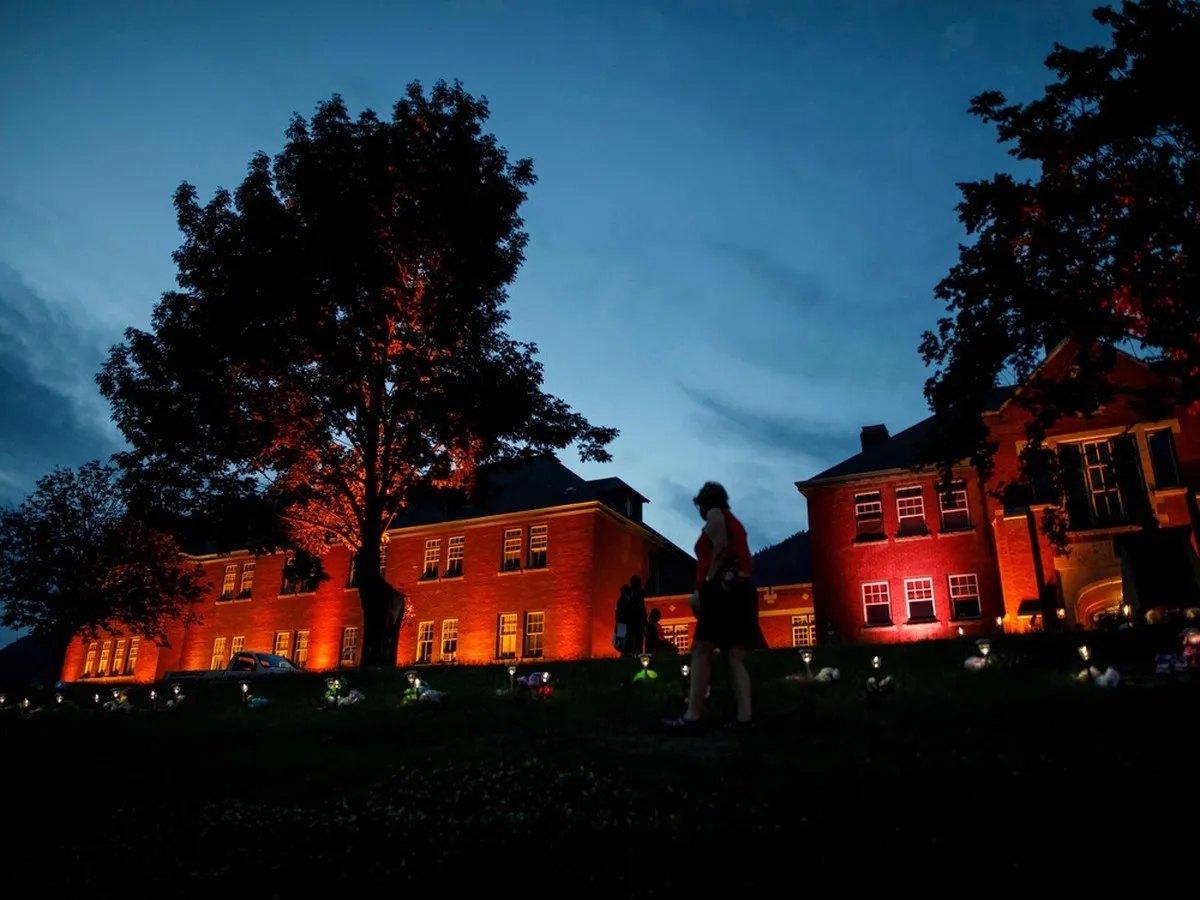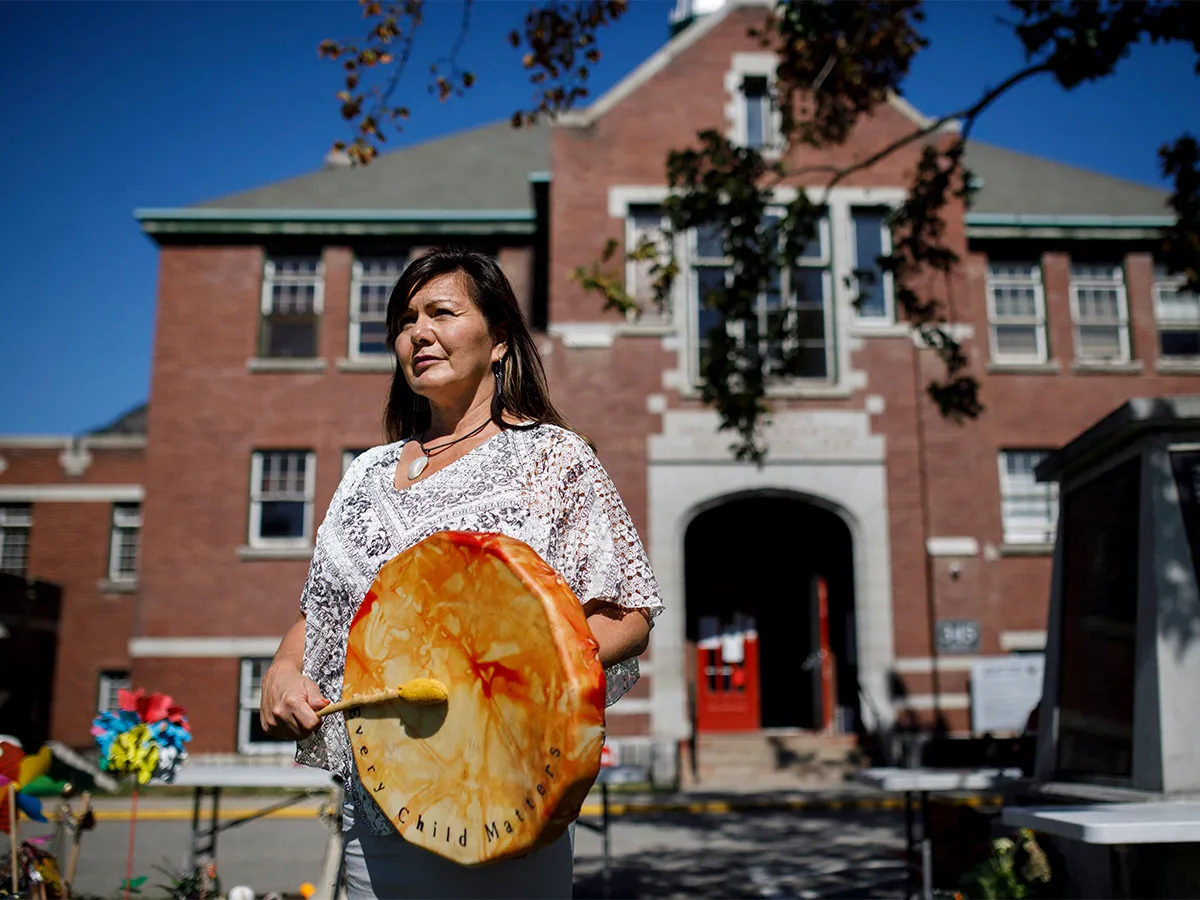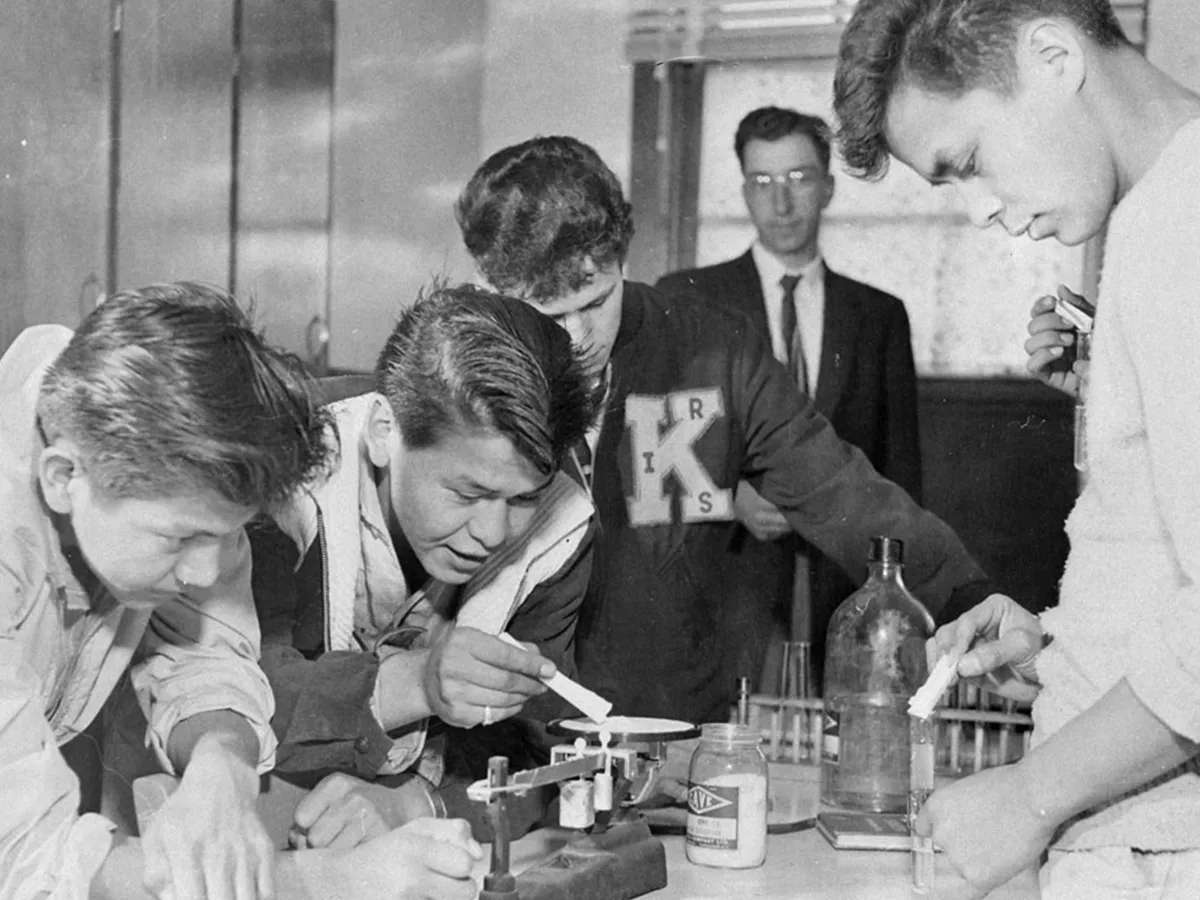
Skip to Content Subscribe Our Offers My Account Manage My Subscriptions FAQ Newsletters Canada Canadian True Crime Canadian Politics Health World Israel & Middle East Financial Post NP Comment Longreads Puzzmo Diversions Comics NP News Quiz New York Times Crossword Horoscopes Life Eating & Drinking Style Sponsored Play for Ontario Travel Travel Canada Travel USA Travel International Cruises Travel Essentials Culture Books Celebrity Movies Music Theatre Television Business Essentials Advice Lives Told Tails Told Shopping Buy Canadian Home Living Outdoor Living Tech Style & Beauty Kitchen & Dining Personal Care Entertainment & Hobbies Gift Guide Travel Guide Deals Savings National Post Store More Sports Hockey Baseball Basketball Football Soccer Golf Tennis Driving Vehicle Research Reviews News Gear Guide Obituaries Place an Obituary Place an In Memoriam Classifieds Place an Ad Celebrations Working Business Ads Archives Healthing Epaper Manage Print Subscription Profile Settings My Subscriptions Saved Articles My Offers Newsletters Customer Service FAQ Newsletters Canada World Financial Post NP Comment Longreads Puzzmo Diversions Life Shopping Epaper Manage Print Subscription HomeNP CommentBarbara Kay: Globe digs itself even deeper with mea culpa about Kamloops coverageDefensive editorial about significant journalistic shortcomings was flawed itselfLast updated 12 minutes ago You can save this article by registering for free here. Or sign-in if you have an account.A chemistry class at Kamloops residential school is seen in a circa 1959 archival photograph. Photo by ArchivesOn May 30, the Globe and Mail editorial board issued a mea culpa, titled “There is no reconciliation without truth,” attesting to the newspaper’s failure to meet professional standards on an important national story. Ironically, for a piece centred on journalistic shortcomings, this defensive editorial not only itself contains significant journalistic shortcomings, but fails to deliver the only conclusion that merits genuine approval.Enjoy the latest local, national and international news.Exclusive articles by Conrad Black, Barbara Kay and others. Plus, special edition NP Platformed and First Reading newsletters and virtual events.Unlimited online access to National Post.National Post ePaper, an electronic replica of the print edition to view on any device, share and comment on.Daily puzzles including the New York Times Crossword.Support local journalism.Enjoy the latest local, national and international news.Exclusive articles by Conrad Black, Barbara Kay and others. Plus, special edition NP Platformed and First Reading newsletters and virtual events.Unlimited online access to National Post.National Post ePaper, an electronic replica of the print edition to view on any device, share and comment on.Daily puzzles including the New York Times Crossword.Support local journalism.Create an account or sign in to continue with your reading experience.Access articles from across Canada with one account.Share your thoughts and join the conversation in the comments.Enjoy additional articles per month.Get email updates from your favourite authors.Create an account or sign in to continue with your reading experience.Access articles from across Canada with one accountShare your thoughts and join the conversation in the commentsEnjoy additional articles per monthGet email updates from your favourite authorsSign In or Create an AccountorIn the first paragraph, they admit that they wrongly accepted as true the 2021 allegation of “unmarked graves” near the former Kamloops, B.C., residential school without a shred of evidence to back up the claim. Fine. But in the very next paragraph, they state: “3,200 Indigenous children, at least, died at residential schools, according to the 2015 report of the Truth and Reconciliation Commission.”This newsletter from NP Comment tackles the topics you care about. (Subscriber-exclusive edition on Fridays)By signing up you consent to receive the above newsletter from Postmedia Network Inc.We encountered an issue signing you up. Please try againNot true, according to Nina Green, an independent researcher whose website Indian Residential School Records is a documentary treasure trove on this issue. For many years, it has been Green’s regular habit to send mass emails to politicians and journalists across Canada, including the Globe, correcting the errors she finds in their reportage. With attached receipts, of course. (The Globe has never responded to them, Green tells me.)In her latest missive, which unpacks the Globe editorial, she writes that the Truth and Reconciliation Commission (TRC) claimed no such thing. The TRC states that 423 named children died “on the premises” of a residential school, or 832 when the named and unnamed registers are combined. Which amounts to 832 children “out of the 150,000 children alleged to have attended the 139 schools over a period of 133 years” — a little over six deaths a year in the entire residential school system.For another error, the Globe editorial states that an unnamed “government official” in the early 1900s considered deaths at residential schools to be the result of negligence so pervasive it “came unpleasantly close to manslaughter.” But the source was not a government official. Toronto judge and reformer Samuel Hume Blake wrote a pamphlet in the form of a letter to the Minister of the Interior in January 1907. His subject was not the residential schools, but the “lack of sanitation in Indian homes on reserves” that led inevitably to tuberculosis.Blake wrote: “(D)oing nothing to obviate the preventable causes of death brings the Department within unpleasant nearness to the charge of manslaughter.” (My emphasis.) Amongst other recommendations, Blake called for the establishment of clinical centres with trained nurses to give instruction to Indian women and children “in the ordinary hygienic rules — the non-observance of which cultivates tuberculosis and scrofulous affections — principal causes in the high death rate.” The Globe’s error turned beneficence into wickedness.Many Canadians now feel they have been gaslighted for five long years. Not just by the Globe and the CBC. With the exception of the National Post and independent media like Rebel News, True North, Juno News and the Dorchester Review, Canadian journalists as a whole showed virtually no curiosity regarding a story absolutely riddled with implausibilities. For example, Kamloops always had Indigenous staffers. They would have been aware of these alleged burials. Yet we are to believe there wasn’t a single whistleblower amongst them in all these years? No missing-child reports filed by families whose children allegedly never came home from school? Please.The consequences of choosing advocacy over journalism have been dreadful: aside from 100-plus burned or vandalized churches (including two deaths) and a marked rise of anti-Catholicism, we have also seen a heavy price paid by honourable scholars who voiced their evidence-based skepticism from the get-go. Misleading media endorsements have been largely responsible for trivialization of the Holocaust and a race for supremacy in virtuous distancing from “denialism” amongst professional associations, school boards and universities, not to mention cabinet ministers.It is because of these harms, intimately connected to media dereliction of duty, that I believe the Globe editorial should not have been written by the board, but by the editor-in-chief, David Walmsley, at whose desk the buck stopped on how the Kamloops story should be framed. And the final words of that editorial should have been the announcement of his resignation.For this was not just a sorry-we-goofed error in need of correction. Chief Roseanne Casimir asserted, in a resolution put forward at a July 2021 meeting of the Assembly of First Nations, that “the mass grave discovered at the former Kamloops Indian Residential School reveals Crown conduct reflecting a pattern of genocide against Indigenous peoples.” Yes, she said “mass grave” — implying it was a horrific massacre — and nobody in the media said boo. That’s a blood libel of priests and nuns and missionaries who aren’t here to defend themselves.Worse, the allegation was directly implicated as motivation for an all-party Parliamentary resolution recognizing the residential schools as a “genocide.”The Kamloops fiasco has changed this nation for the worse. Canadians were made by their government to feel shamed, demoralized and bitter in being labelled génocidaires. The breadcrumb trail from these feelings leads directly to the media. Sorry, but a head must roll for that. Reconciliation? When First Nation leaders join other Canadians in calling for an annulment of the genocide resolution, we will know that the reconciliation process has begun.National Post Get the latest from Barbara Kay straight to your inbox Join the Conversation This website uses cookies to personalize your content (including ads), and allows us to analyze our traffic. Read more about cookies here. By continuing to use our site, you agree to our Terms of Use and Privacy Policy.
Barbara Kay: Globe digs itself even deeper with mea culpa about Kamloops coverage
Defensive editorial about significant journalistic shortcomings was flawed itself
1,373 words~6 min read