Five things you need to know about ocean plastics
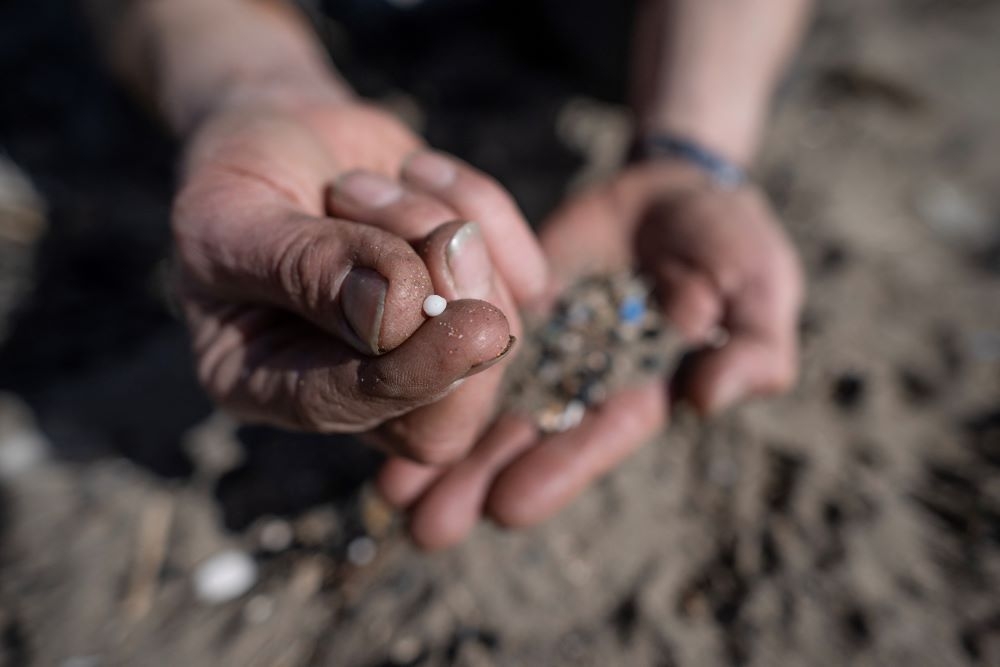
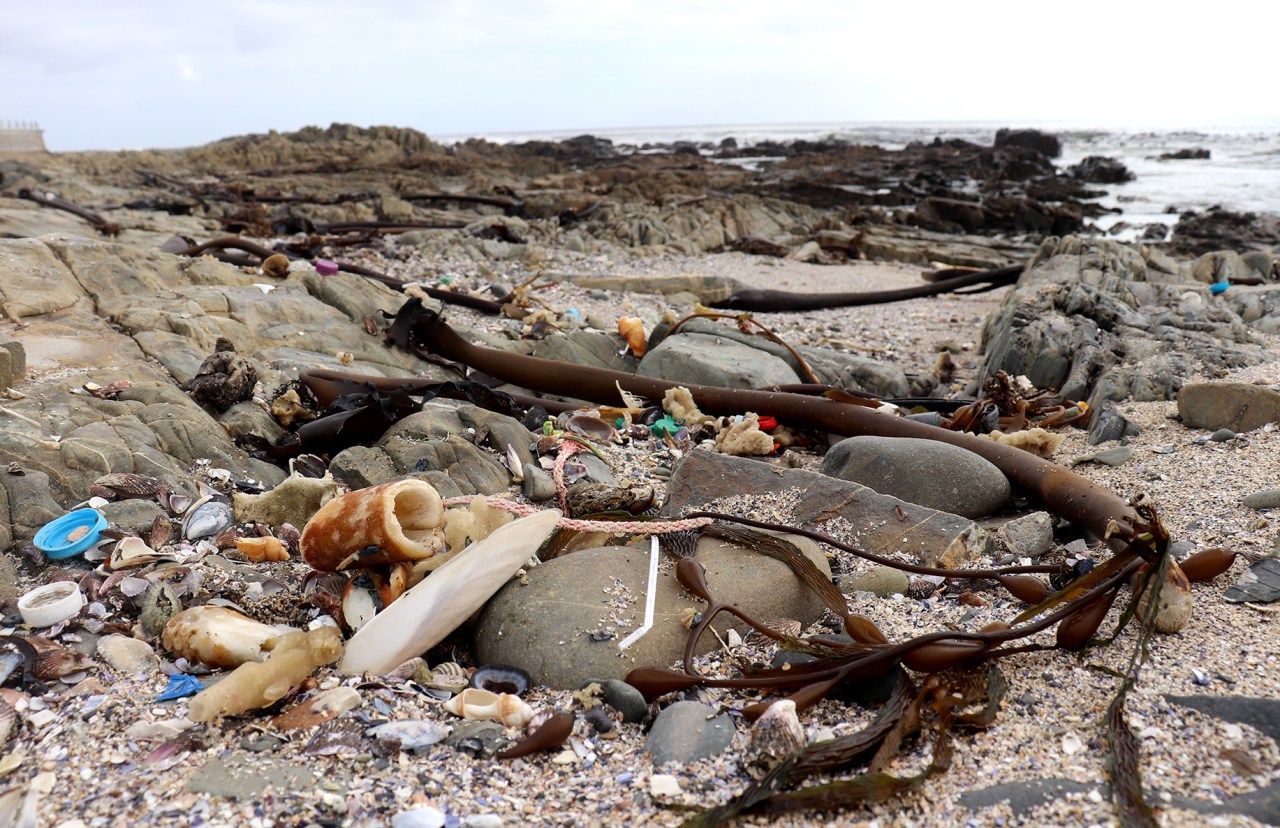
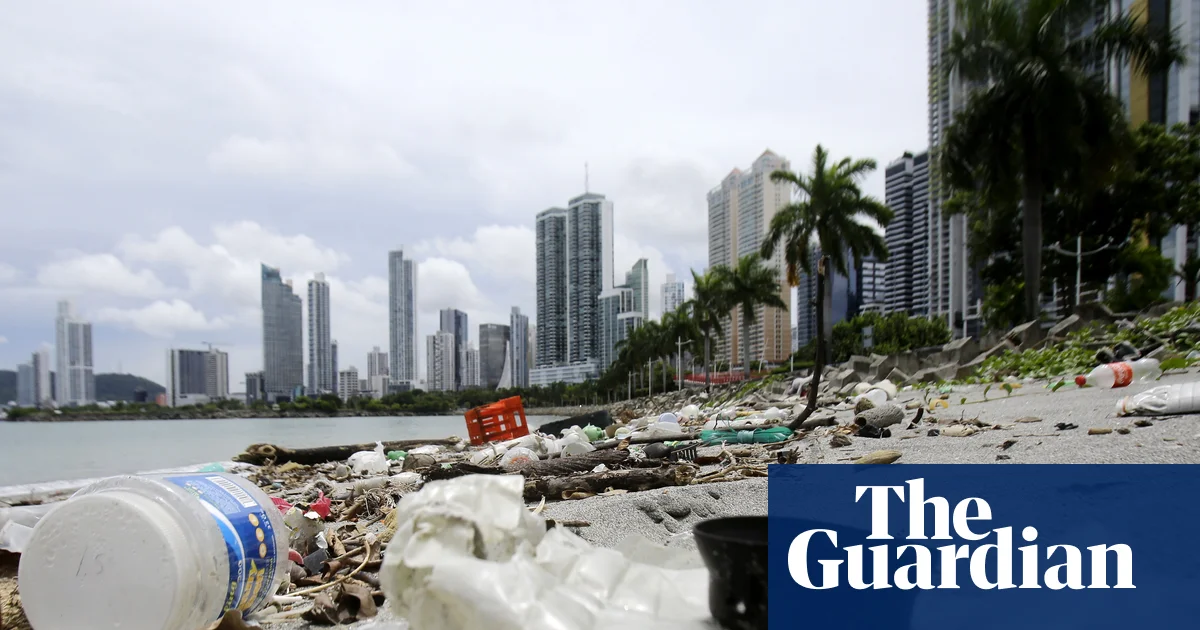
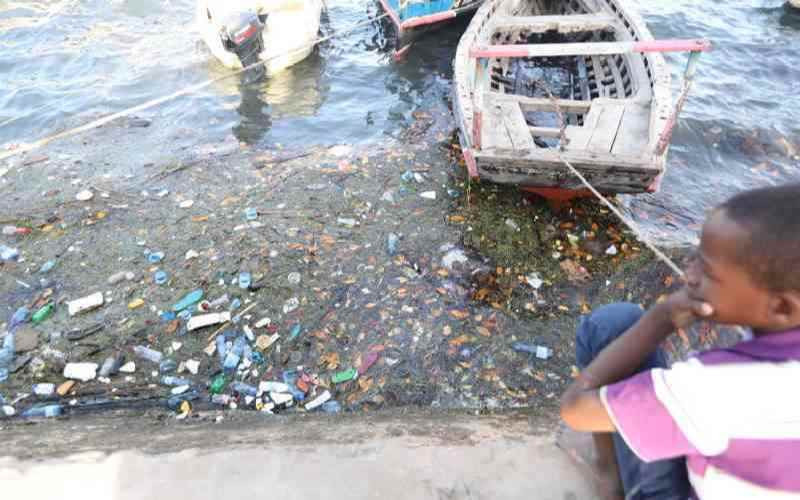
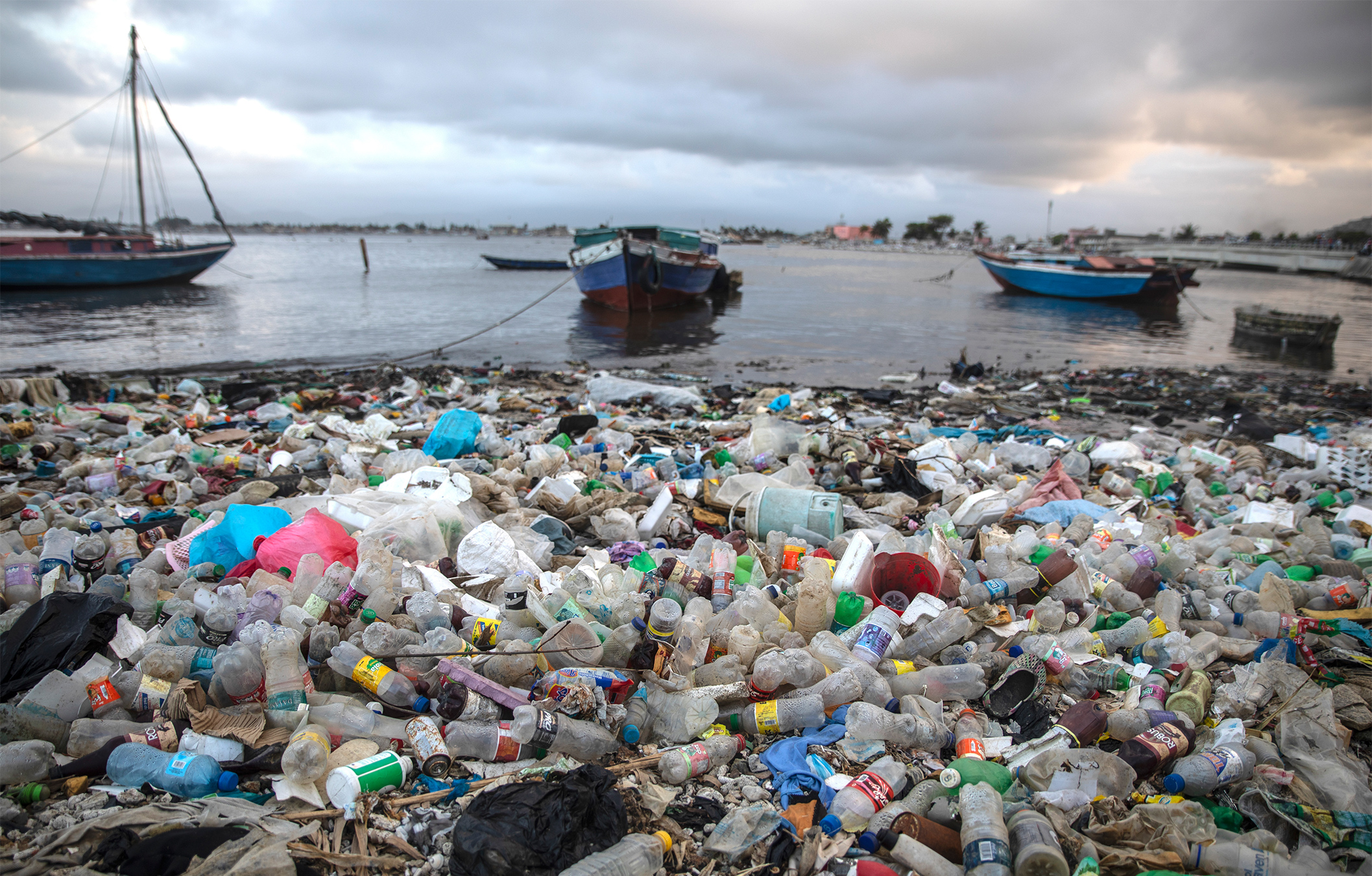
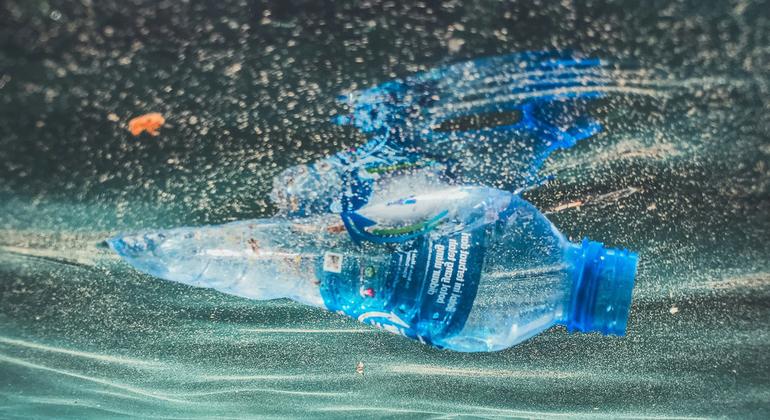
Once plastics are released into the marine environment, large pieces choke wildlife and disturb fragile habitats like coral reefs before breaking down into toxic microplastics that poison the food chain. Even when they have fully disintegrated physically, their chemical bonds remain and the impacts persist. Today, more than 4,000 marine species are known to be affected by plastics, according to the World Ocean Assessment, the only analysis of the world’s ocean across the three pillars – environmental, economic and social – of sustainable development. Dr Ian Butler, an editor of the 1,600-page report that includes contributions from over 650 experts, said the whole marine system is being affected: “it’s their feeding, their metabolism, their immune function, their growth and reproduction. It weakens and kills them, and changes populations.” Ahead of World Ocean Day on June 8, here are five things you need to know about ocean plastics: 1. Ocean plastic pollution is still risingThe amount of plastic in the ocean is still rising, driven by mismanaged waste, littering, microplastic abrasion and marine activities. Plastic waste emissions are estimated at 52.1 million metric tonnes per year. There are also different regional patterns: littering is described as the largest source of pollution in the Global North, while uncollected waste dominates in the Global South. These ‘leakages’ are what causes the ocean so much damage. “What our eyes see is the tip of the iceberg,” Dr. Butler warned.Floating and beach macro- and microplastics account for only three to four per cent of total ocean plastic, meaning much of the problem is dispersed, submerged, fragmented or otherwise hard to recover.