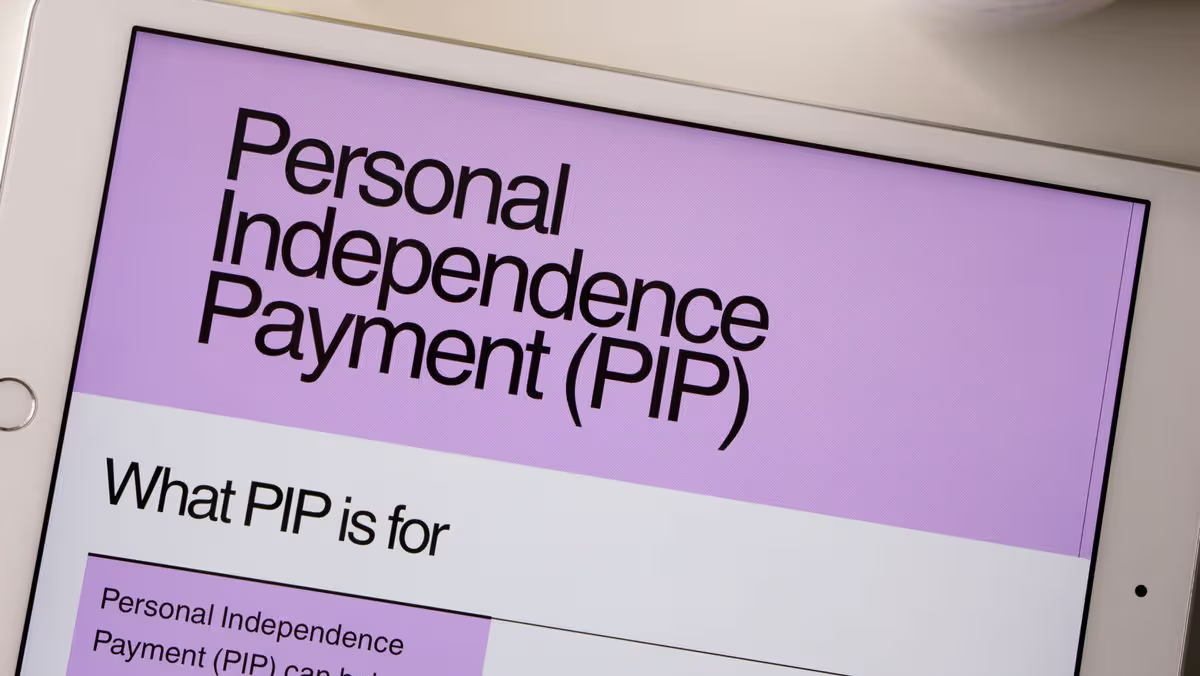
The number of middle–class families in Britain receiving disability benefits has nearly doubled over the past four years.The Department for Work and Pensions (DWP) estimates suggest that almost 200,000 households with annual incomes exceeding £100,000 are now receiving Personal Independence Payment (PIP), a benefit designed to support people with long–term physical or mental health conditions and is not means–tested.The figures are likely to intensify scrutiny of welfare spending and the scale of reform needed to curb the growing benefits bill.The number of people claiming PIP has reached a record 3.9million. The benefit currently costs taxpayers around £26billion a year, with spending projected to rise to £41billion by the end of the decade.Critics have accused Labour of backing away from welfare reform despite the escalating cost. Last year, Labour rebels forced Sir Keir Starmer to abandon plans to take a tougher approach to controlling the PIP bill.Concerns have also grown over the sharp increase in claims linked to mental health conditions, including anxiety, depression and ADHD. Psychiatric disorders now account for 39 per cent of all PIP claims, making them by far the largest category. Sir Keir Starmer has been accused of significantly watering down disability benefits Chancellor Rachel Reeves introduced welfare reforms that extended award review periods to reduce reassessment stress, while adjusting the strict PIP eligibility threshold following parliamentary concessions
Britain's disability benefits bill soars among middle-class families
The Department for Work and Pensions (DWP) estimates suggest that almost 200,000 households with annual incomes exceeding £100,000 are now receiving PiP
777 words~4 min read