Get the latest news and updates from Dawn
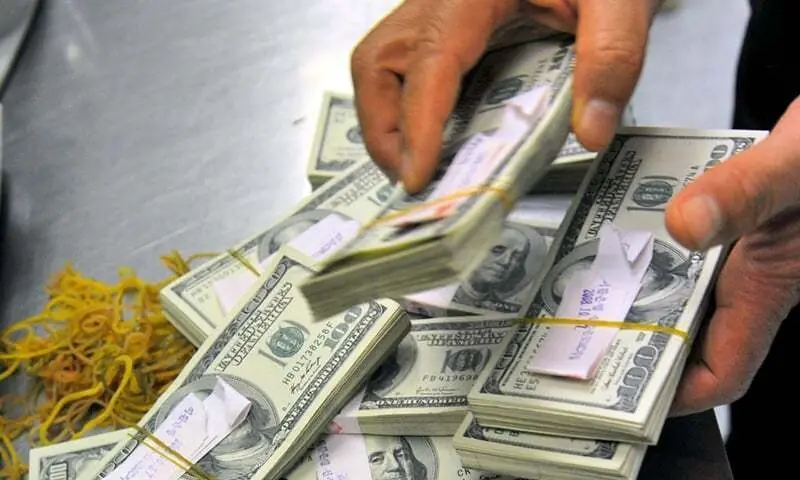
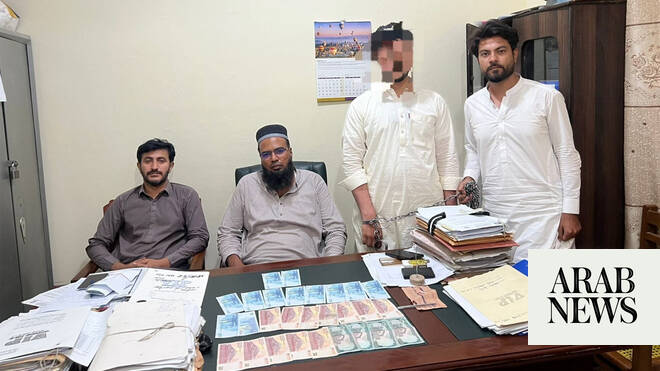
In July 2025, agents from a regulatory body raided the backroom of a cash-based business in Quetta. They were astounded to discover a miniature central bank containing Rs684,000, 230.5 million Iranian riyals, more than 135,000 Afghanis, $700, 200 Saudi riyals, and 150 Australian dollars; the drawers were spilling over with cash, reflecting the thriving hawala/hundi network.
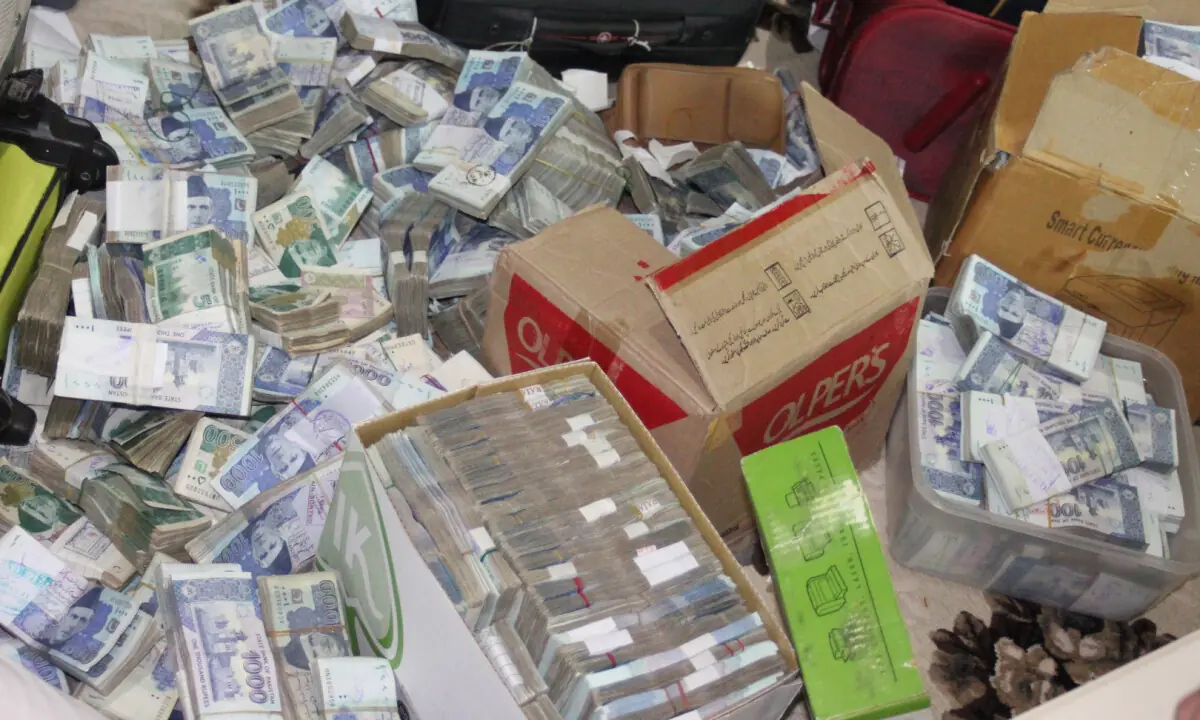
Not so long ago, the Federal Investigation Agency raided a travel agency in Karachi and discovered an underground remittance ring that transferred money abroad through shell companies; it also seized Rs25m in cash and various valuables, such as computers, mobile phones, prize bonds, and checks. From border communities to the nation’s financial centre, these ‘spec-ops’ sort of raids reveal an open secret: despite years of regulation, Financial Action Task Force (FATF) inspections, and numerous ‘crackdowns’, Pakistan’s informal hawala economy continues to flourish.
Although Pakistan has officially adopted the FATF framework, unofficial money transfers continue. According to a 2015 State Bank of Pakistan (SBP) meeting, hawala payments had already topped $15 billion annually, accounting for a significant share of the year’s remittances.