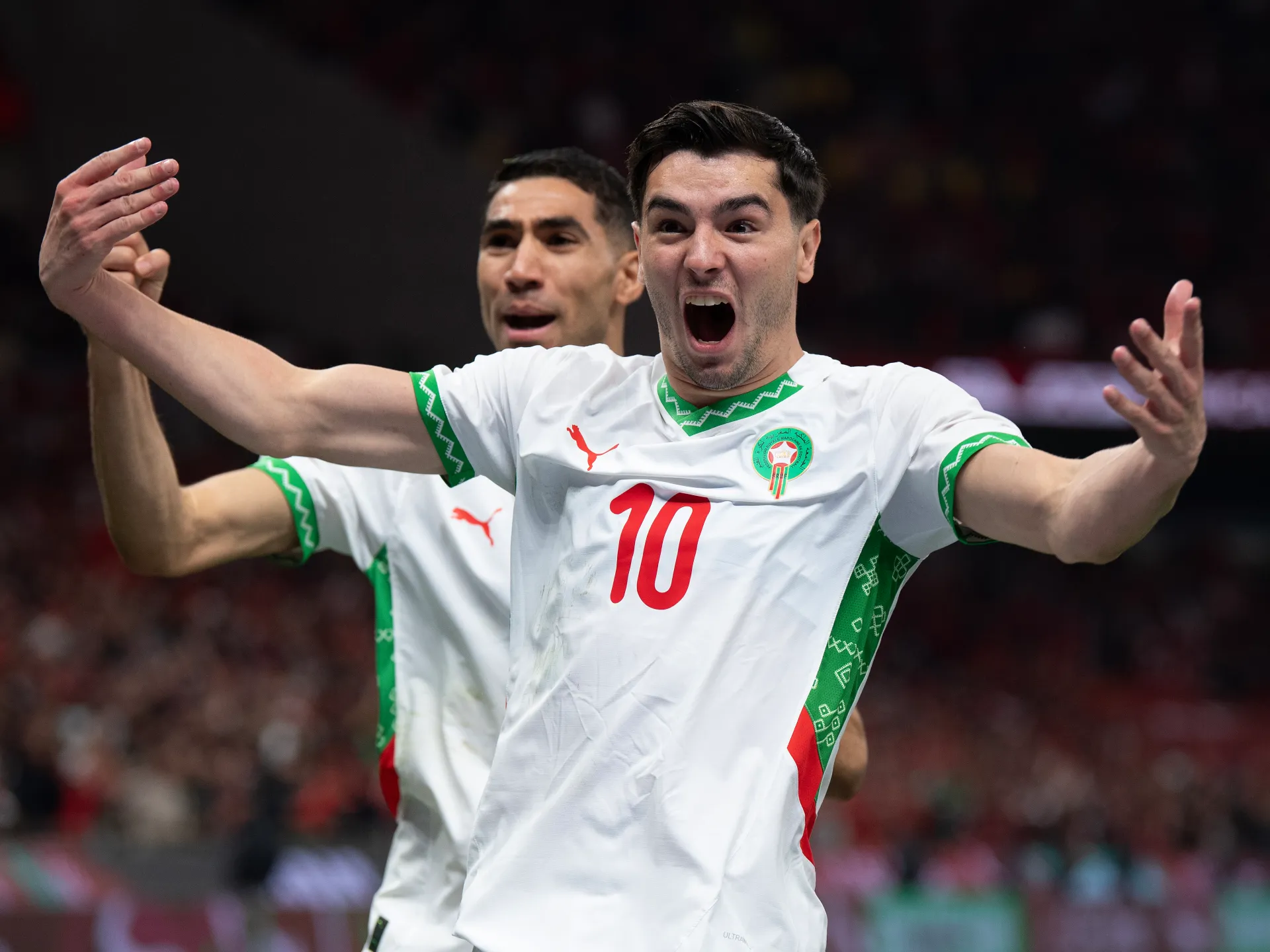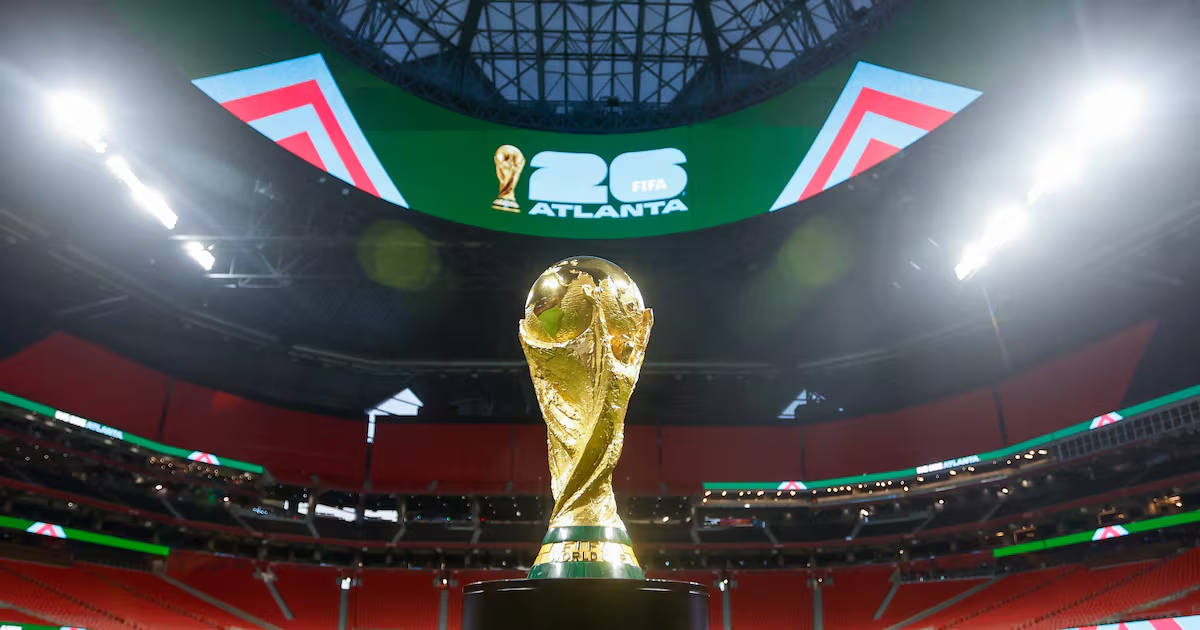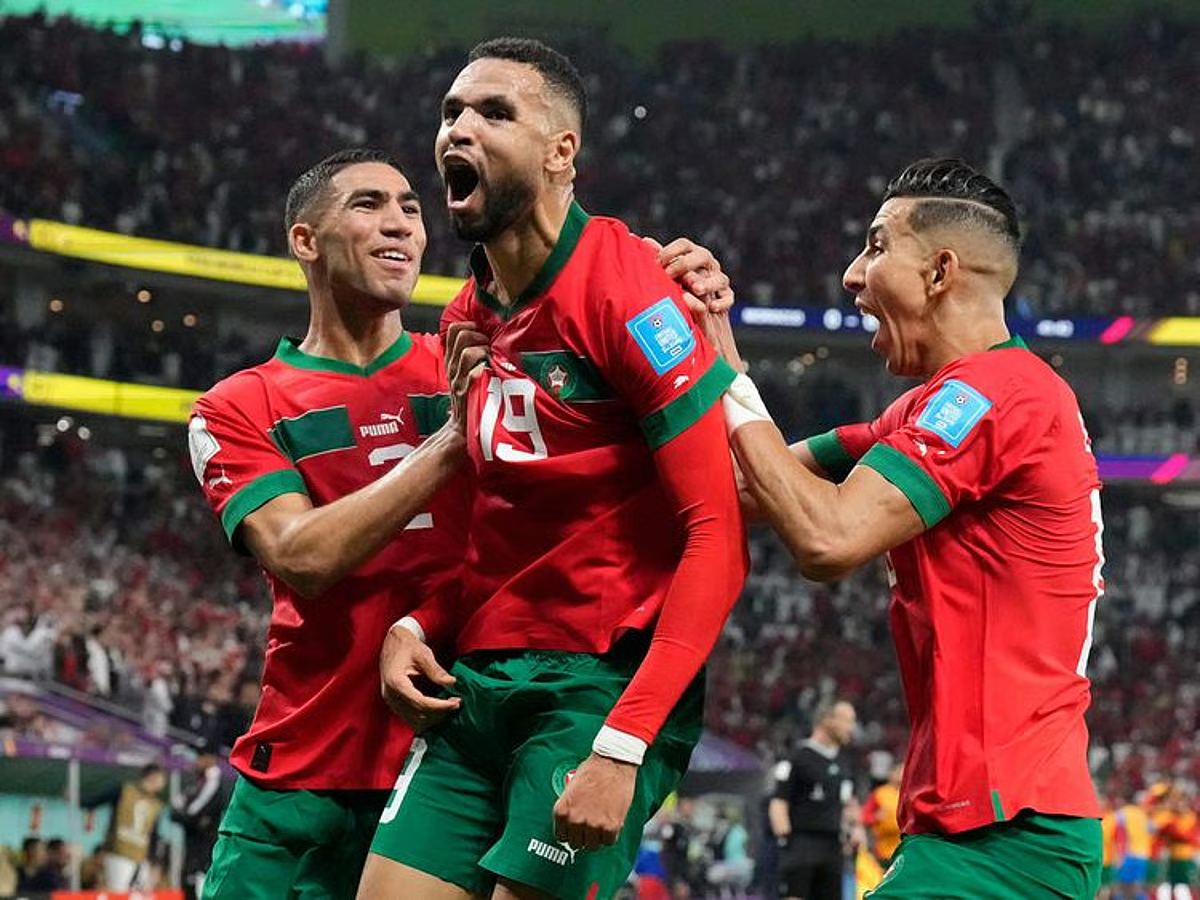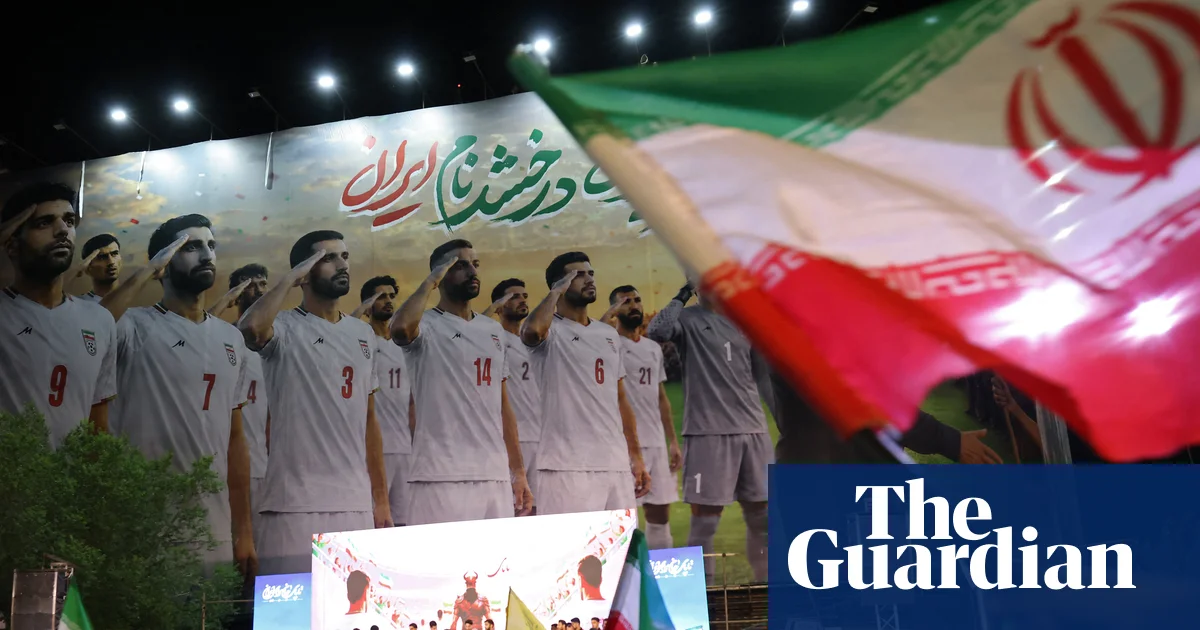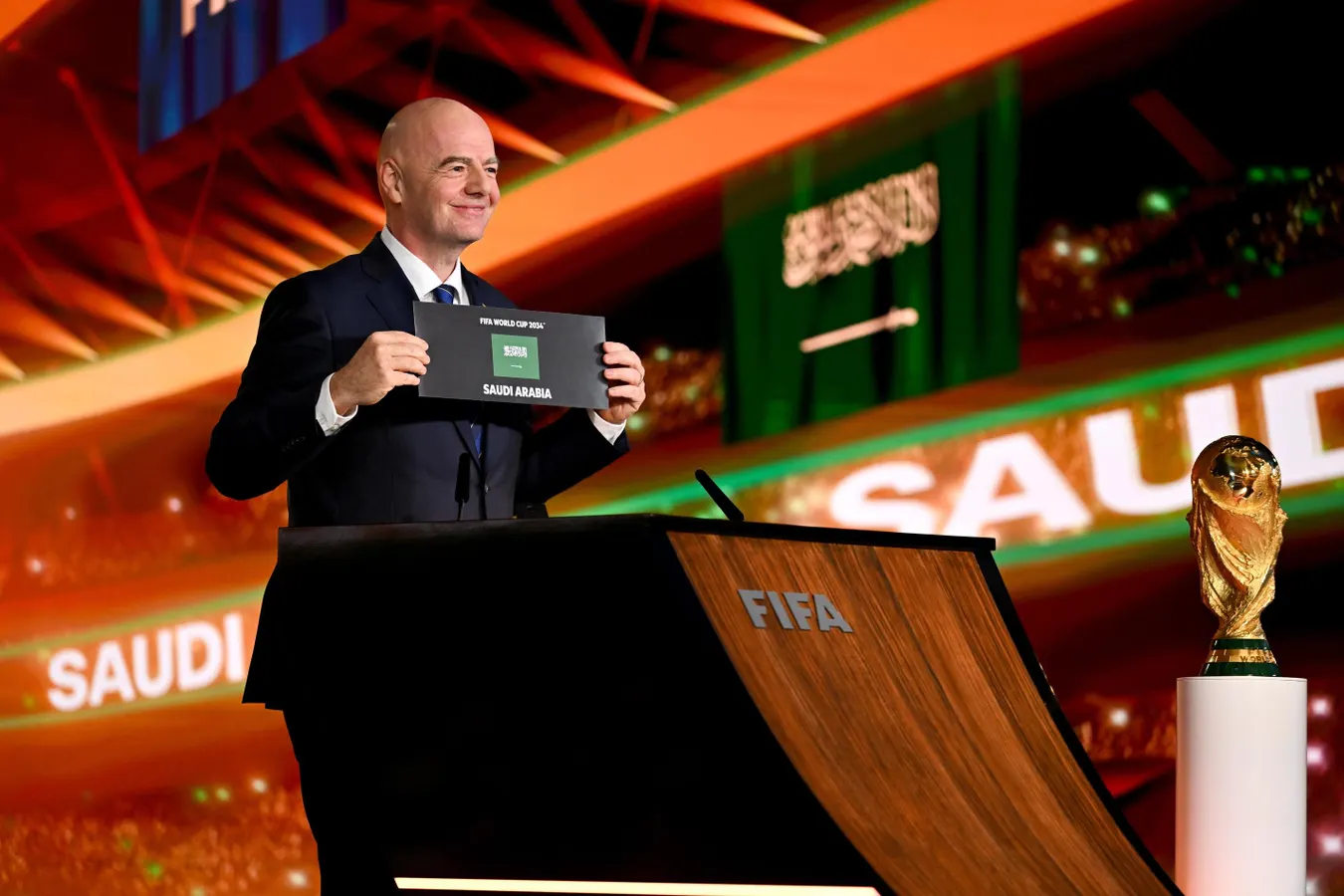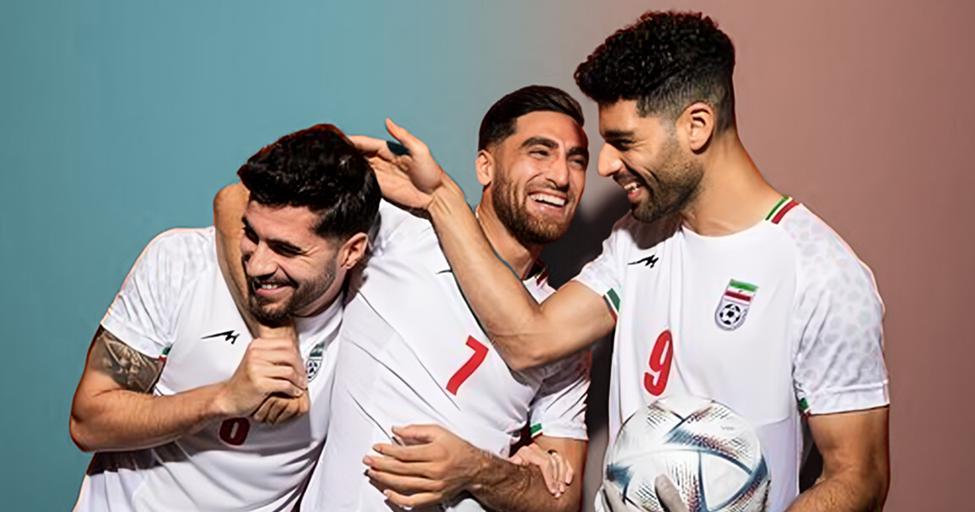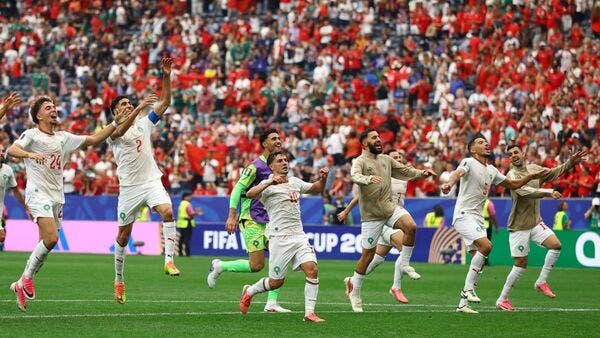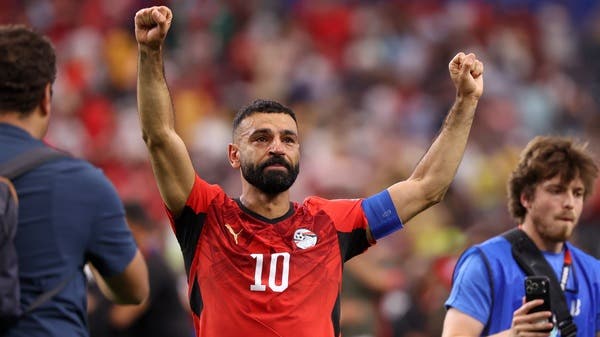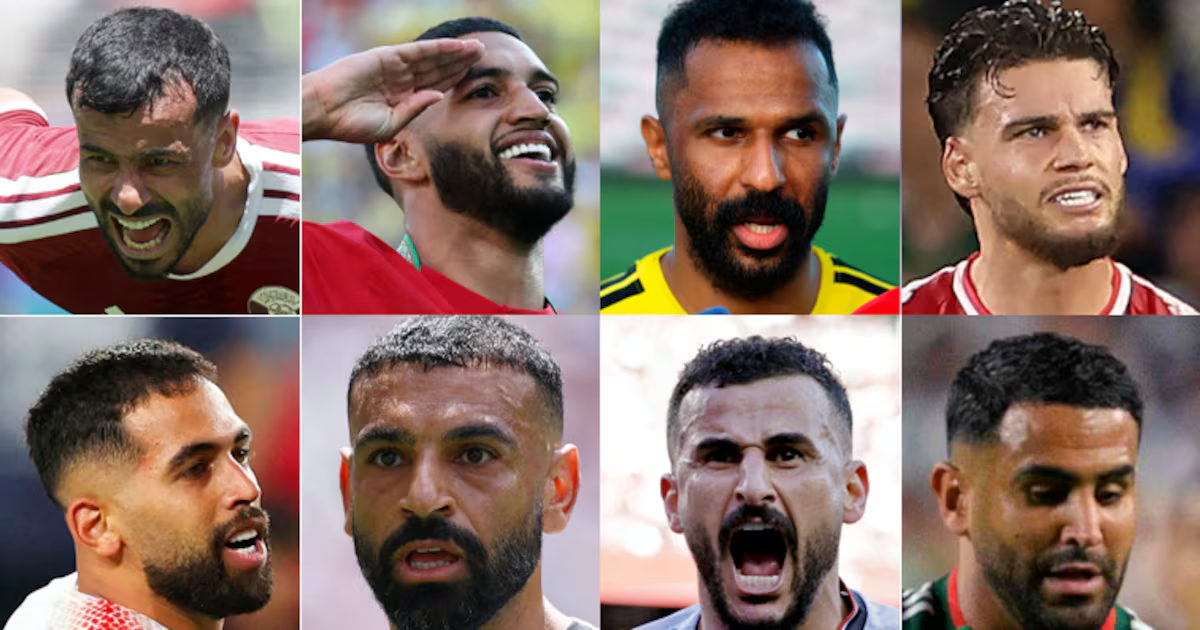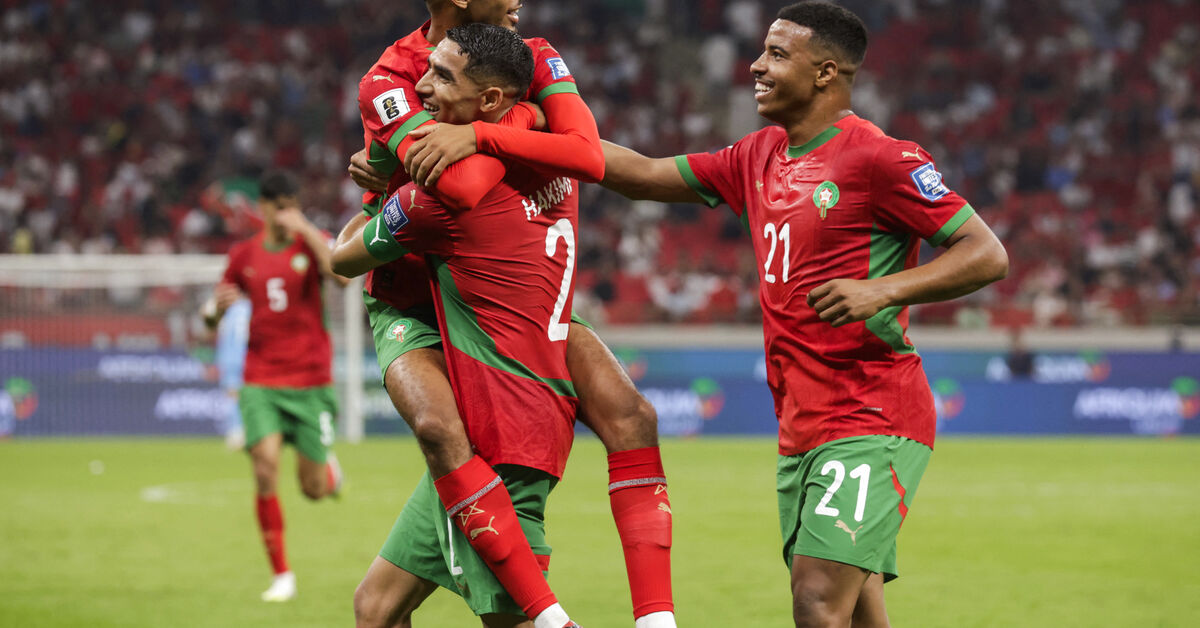
NEW YORK — A total of 10 teams from the Middle East and North Africa will compete in the 2026 FIFA Men’s World Cup, with Morocco considered a contender to win it all and Iran seeking to play in the United States despite the war.The quadrennial association football (soccer) tournament kicks off on Thursday and will run until July 19. Matches are being held throughout the US, Canada and Mexico, with the final set to take place in the New York City area.The following teams from the MENA region are competing.QatarThe 2022 host, Qatar, will become the first team from the region to play in this year’s World Cup when it faces Switzerland on June 13 in California. It will then go on to play Canada in Vancouver on June 18 and Bosnia and Herzegovina on June 24 in Seattle.Qatar was the first Middle Eastern team to host a World Cup, but it had a lackluster performance on its home turf, losing all three of its Group Stage matches. Qatar is currently ranked 55th in the FIFA world rankings, ahead of Bosnia and Herzegovina (64) but behind Canada (30) and Switzerland (19).MoroccoMorocco is the highest-ranked MENA country in the tournament and rose to seventh earlier this month — its highest ranking ever.Morocco made history in the 2022 World Cup, becoming the first Arabic-speaking and African nation to reach the semifinals. It ultimately lost to France 2-0 and then fell to Croatia in the match for third place, but it gained considerable support across the region during its run.A number of players from the 2022 squad are playing again, including star Paris Saint-Germain defender Achraf Hakimi and goalkeeper Yassine Bounou, who plays for the Saudi club Al Hilal.
10 MENA teams at 2026 World Cup: Morocco eyes title, Iran faces visa hurdles
Jordan is competing in its first World Cup, while Iraq is making only its second appearance, as teams from the region seek to advance against European and Latin American powerhouses.
TL;DRAI
Ten MENA teams at 2026 World Cup; Morocco ranked 7th all-time high contender, Iran obtained delegation visas 10 days before start. Geopolitical barriers and security screening signal operational friction in coordinating large international events.
1,654 words~8 min read