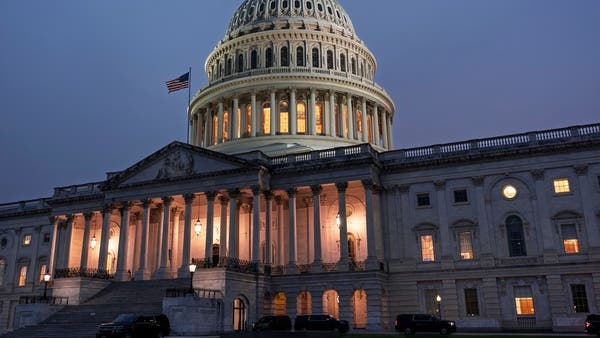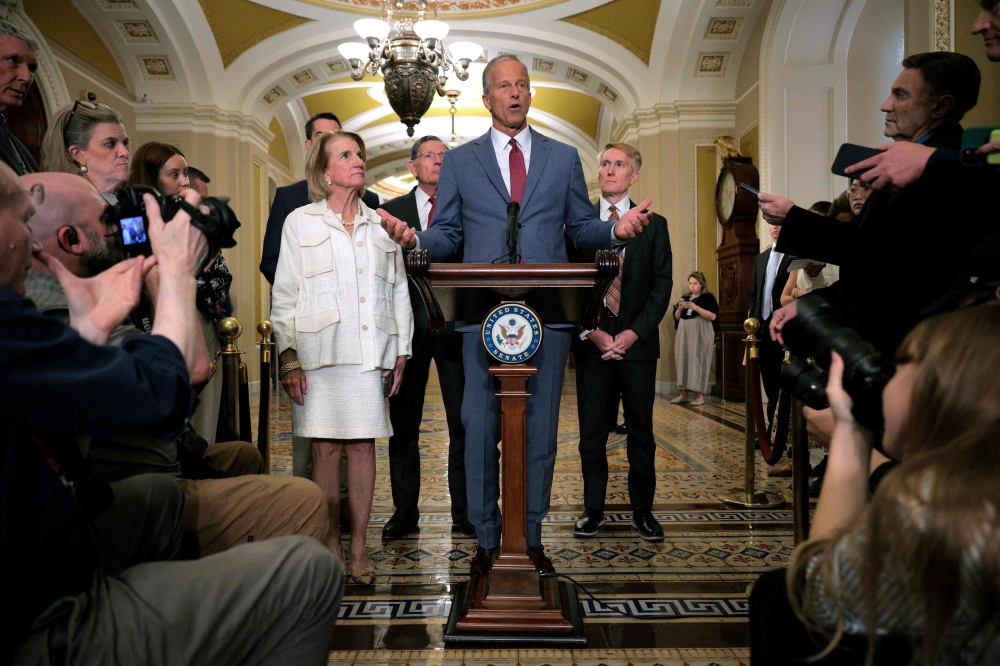
The US Senate voted 52-47 on June 5 to block advancement of a bill that would have reauthorized one of America’s most powerful, and most controversial, surveillance tools. Section 702 of the Foreign Intelligence Surveillance Act, which allows US intelligence agencies to collect communications of foreign targets without a warrant, now faces an expiration date of June 12 with no clear path forward.
The vote needed 60 to clear the procedural hurdle. It didn’t come close.
What happened and why it matters
Section 702 is the legal backbone of a surveillance program that lets agencies like the NSA intercept emails, texts, and phone calls of non-US persons located abroad. In English: the government can vacuum up foreign communications that pass through American internet infrastructure without going to a judge first.
The catch, and the reason civil liberties groups have been fighting this for years, is that Americans’ communications frequently get swept up in the process. When a US citizen emails or calls someone overseas who’s being monitored, that data gets collected too. Accessing that incidentally gathered data on Americans without a warrant has been the core sticking point in every reauthorization battle.