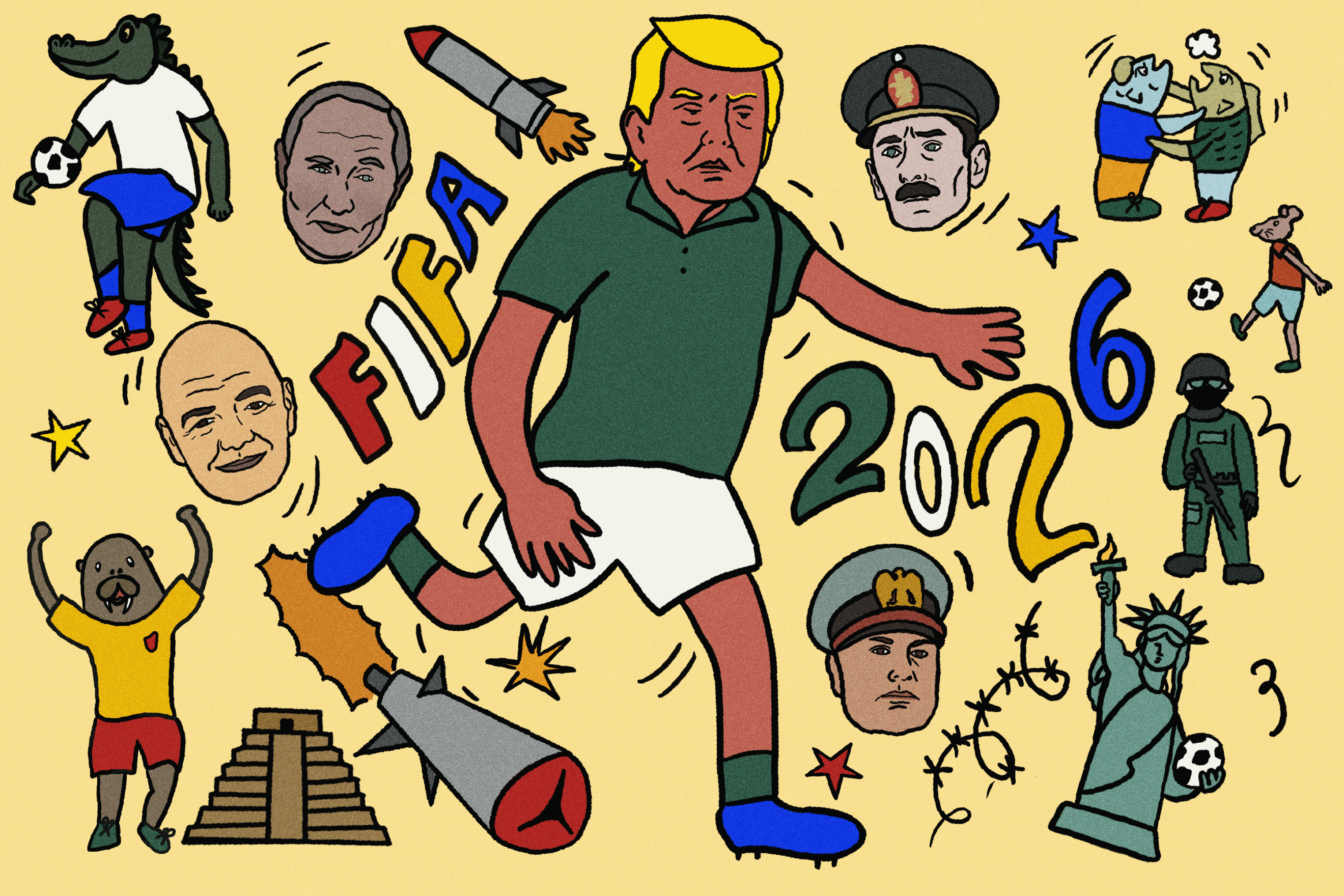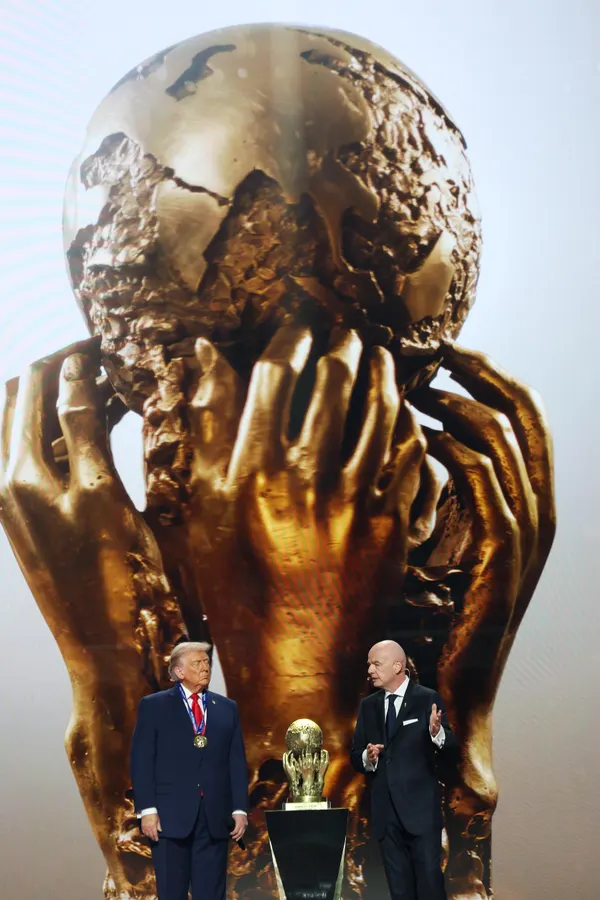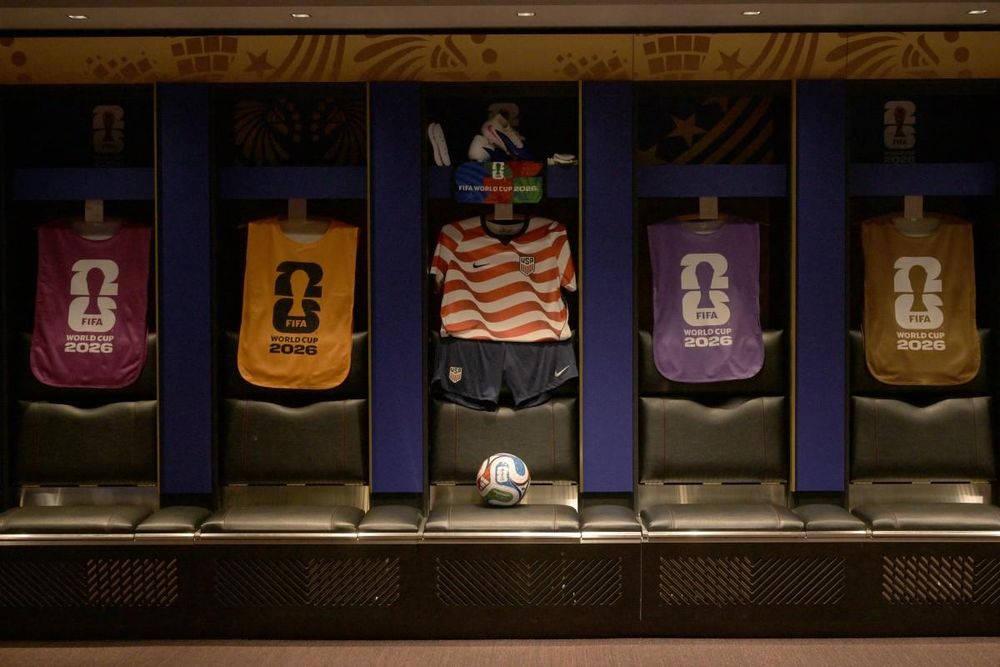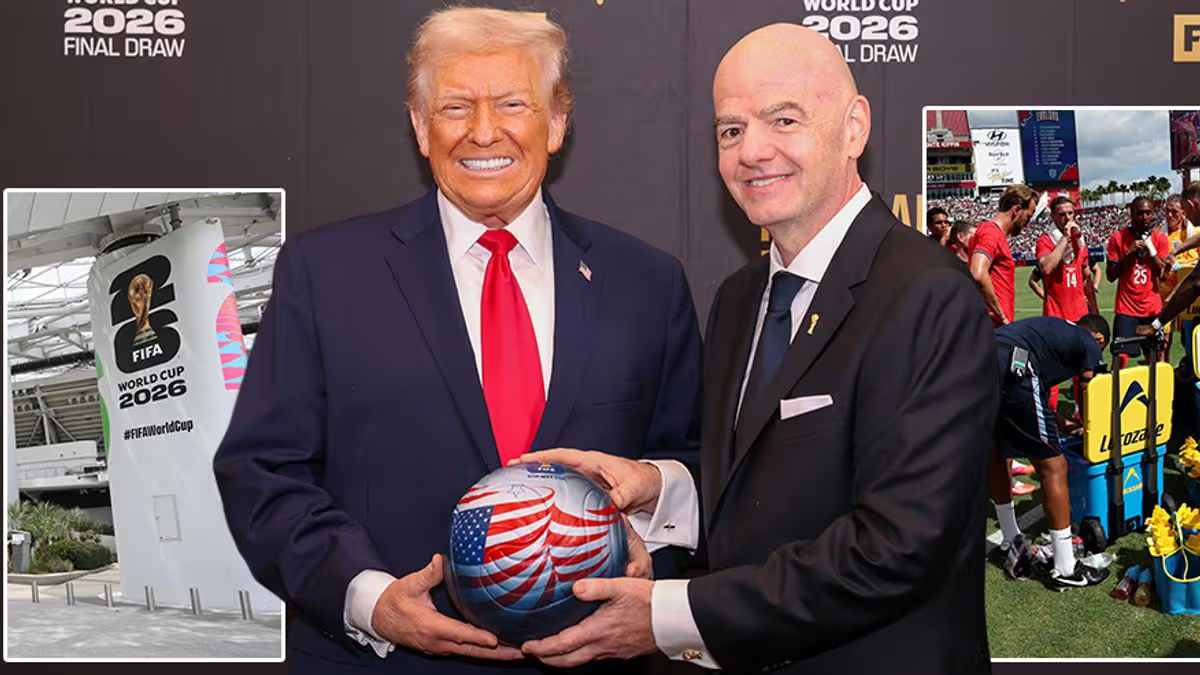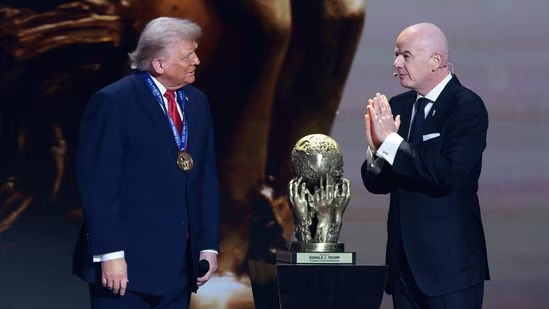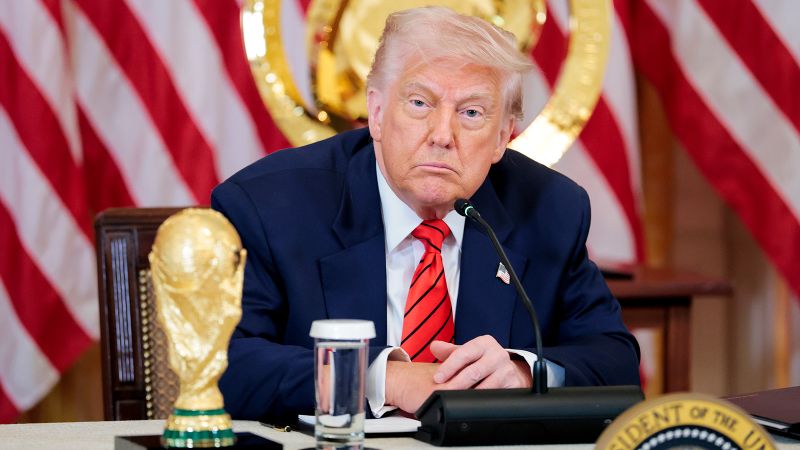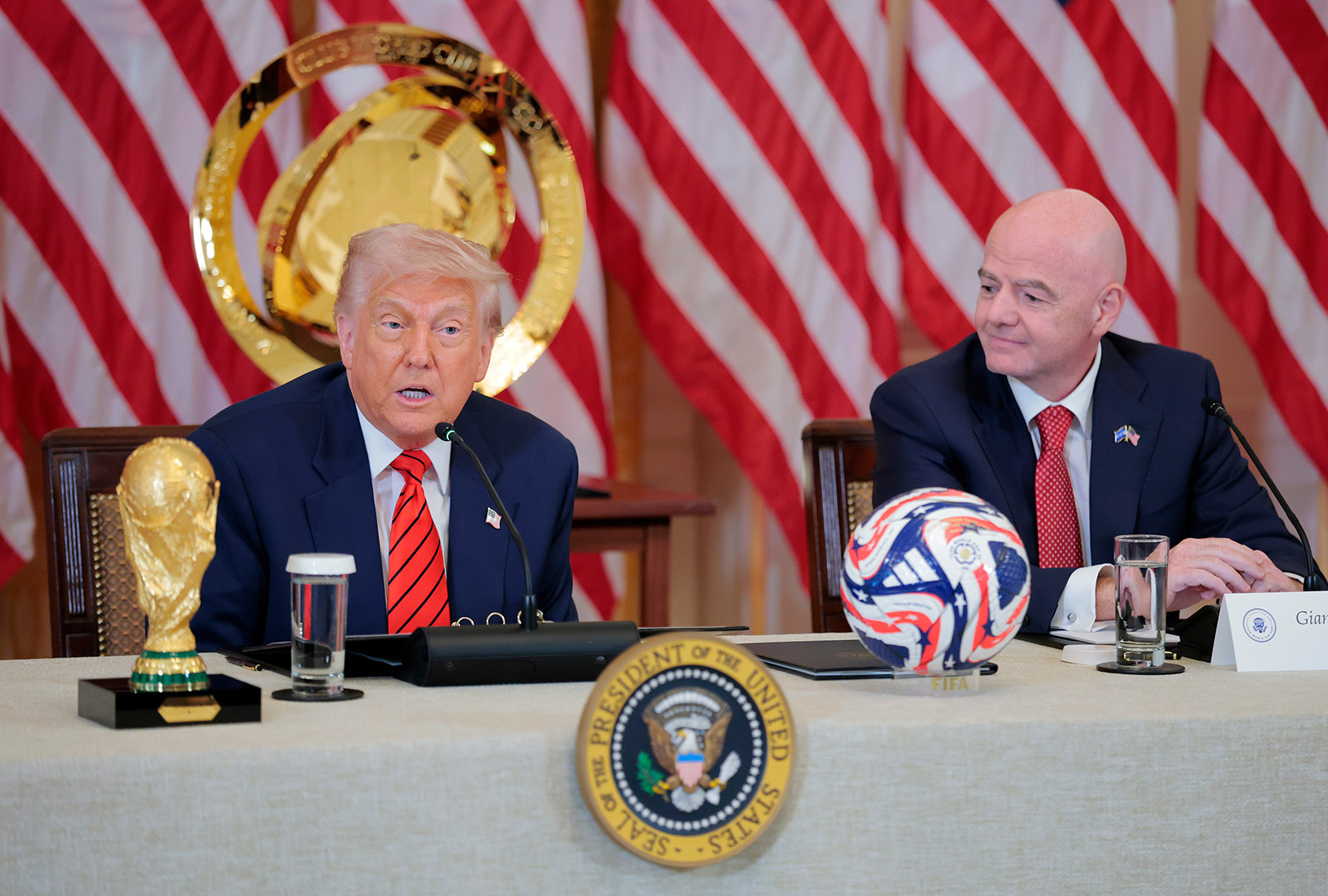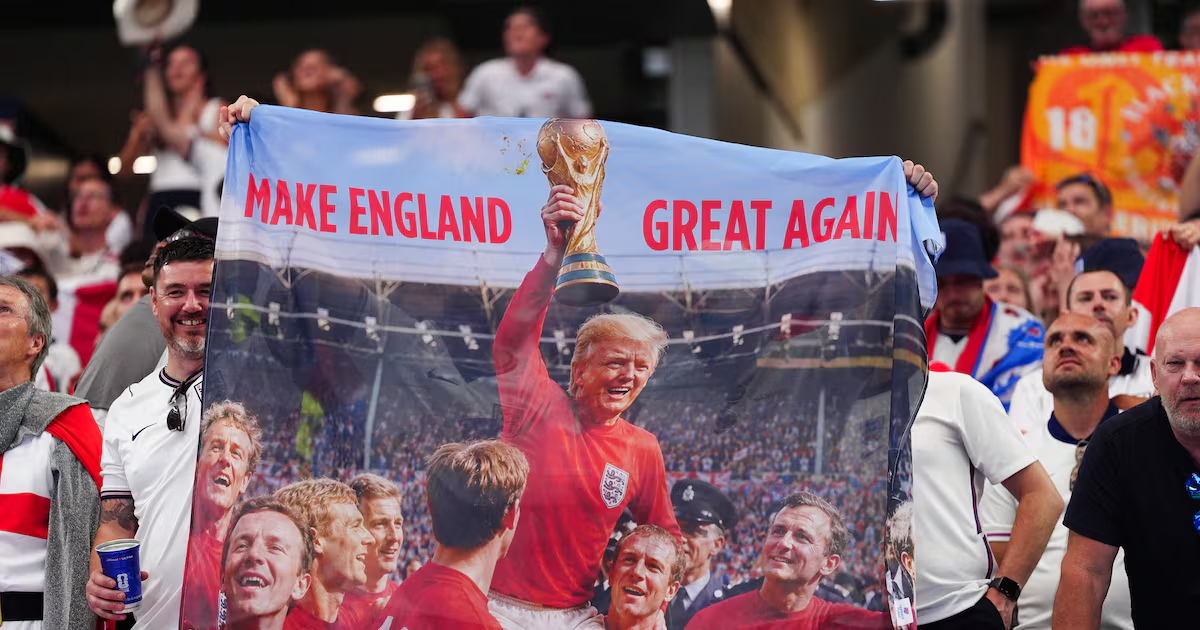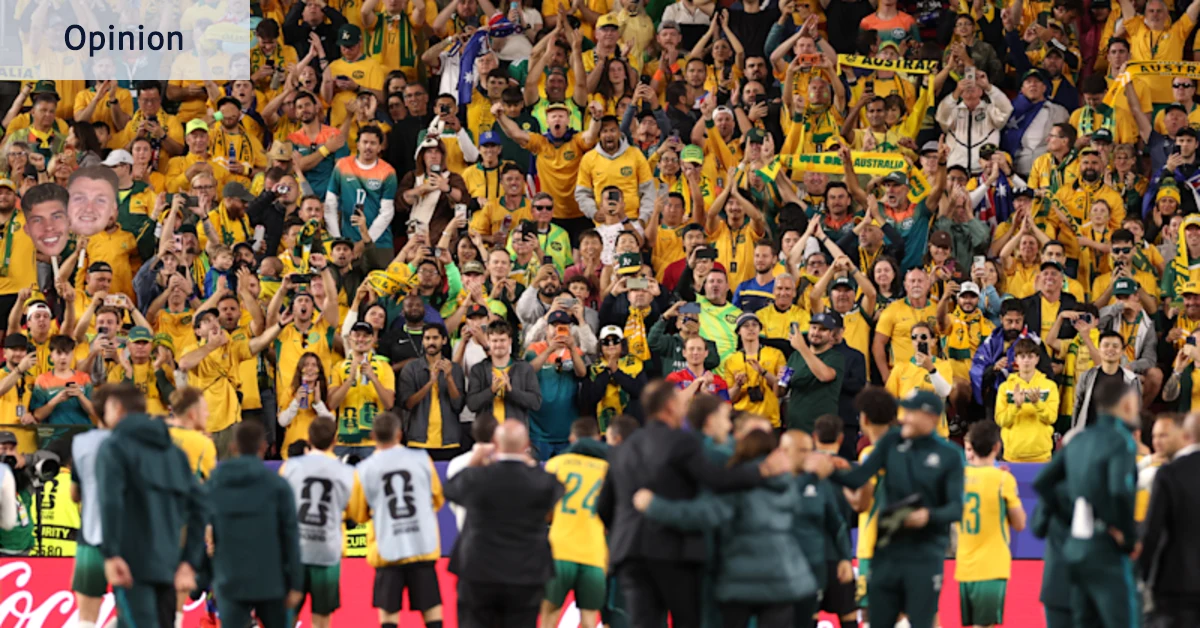
It is almost upon us. The previews are out, the wallcharts are being blue-tacked up, the microphones are in place in 16 venues from Mexico City to Philadelphia to Vancouver and soon everyone will be telling each other about what games they stayed up for and for how long.“Did you watch the South Korea–Czech Republic game from Guadalajara that kicked off at 3 o’clock on Friday morning?“No, neither did I.”But from next Thursday what we can call the 15th “TV World Cup” will come to sway our conversations over 39 nights; just 24 hours short of a wilderness, some might say. Given it is, logistically, the largest-ever – 12 groups, 48 teams, 104 matches across three countries – we will do well on July 19th to recall June 11th. We will spend a lot of time in front of screens, taking it all in, then realising it’s already tomorrow. It begins with Mexico versus South Africa. In olden days this would be previewed as a clash of continents and styles. There would be sporting anticipation. And for some this opening fixture will rekindle thoughts of the first night of the 2010 World Cup, when the same two countries met in the tournament opener at the new Soccer City stadium in Soweto in Johannesburg. South Africa fans ahead of the 2010 World Cup match against Mexico at Soccer City Stadium in Johannesburg. Photograph: Phil Cole/Getty Images “It’s Time for Africa.” That was a strapline and here was Africa’s big night as the continent staged its first finals. Siphiwe Tshabalala scored the first goal for the hosts and the euphoric noise inside the stadium was louder than a million vuvuzelas, almost. Rafael Marquez, then with Barcelona and one of Mexico’s greats, equalised. Everyone left knowing they had seen the start of a football competition. In the days prior, those of us lucky enough to be there had seen some of Soweto and walked down Vilakazi Street where Nelson Mandela lived. There was a Mexican mariachi band doing the same. That was the mood and though it was dampened when Mandela missed the opener, he made the final. The world contained a statesman teeming with empathy, generosity, wisdom. Sixteen years on, it will not be the same. Mandela is gone and sporting anticipation for this World Cup is at an all-time low, and for good reason. We should not pretend there was no scepticism in 2010. There was plenty and (surprise, surprise), it was mainly to do with Fifa, its leader – then Sepp Blatter – and, shall we say, accounting? World Cup trophy on stage during draw at John F. Kennedy Center for the Performing Arts in Washington, DC. Photograph: Michael Regan/Fifa via Getty Images In Brian Glanville’s tournament preview in World Soccer magazine, he lamented Blatter’s ongoing influence and highlighted corruption involving Fifa officials. This led, ultimately, to the suspension and 10-year ban from football of Fifa’s secretary general Jerome Valcke. It also fuelled our dislike of celebrity administrators and Fifa’s apparent aim to be an independent state floating around the planet reminding all of its wealth.Glanville also described ever-expanding finals as “a 32-team monstrosity”, so what he would make of 48 is foreseeable, as is what his opinion of Blatter’s successor, Gianni Infantino, might be. This is, again, Gianni’s World Cup. Here he is, the boy with freckles turned admin-millionaire, pushing others out of the way to get to the front to lecture us on behaviour, the crass ego who tried to orchestrate a handshake between Palestinian and Israeli officials, a “peacemaker”. Gianni can do obsequiousness, too. Being bald hasn’t stopped him tugging the forelock when there’s a tyrant about and he’ll be at the White House in his white trainers and red MAGA cap, giggling beside the high priest of personal greed, Donald Trump, with his Trump bible (Luke 12:15). Fans from 48 nations will cheer on their teams. Photograph: Getty Images What will Trump think of when he sees the South Africa team – Barack and Michelle Obama and the apes video uploaded on to his social media in February? Maybe Gianni can distract him with another prize. What will Trump think when he sees Iran lining up in Los Angeles and Seattle – if they get there? They have only been granted visas by Mexico so far. Does he know Iraq will be playing in Boston and Philadelphia? Then there’s Jordan v Algeria in San Francisco.It is match 44, 12 days in. Even in supersize-me USA, appetites may be on the wane by then. This is another World Cup, but it’s not just another World Cup. It is abnormal as normal. Even if things go wrong, it’ll still be all right because though making a spectacle of yourself used to be a reproach, now it’s Steve Bannon policy. Flood the zone, remember. California wildfires? So what. Player burnout – what’s that? The escalating teachers’ strike in Mexico could have actual football repercussions. The teachers’ slogan is: “Without a solution, there will be no kick-off.” Gianni won’t like that.Far away, we will watch. The world has done so since 1970, when television ownership had spread. Those were the first finals broadcast in colour, the first to use slow-motion replays, hence in part why the Gordon Banks save from Pelé received such acclaim. Gordon Banks saves from Pele's headed shot in Mexico, 1970. Photograph: Daily Mirror/Mirrorpix via Getty Images Looking back, even the kits – Brazil’s yellow, Banks’s blue – carry a feeling of the beautiful game. It resonated through the decades. Mexico ’70 and its glow lifted coverage, and the game itself.There were 16 countries present, pleasingly “compact” as Glanville had it. Of course, that excluded so many and, if there is an upside to expansionism, it is in the citizens of Haiti, Uzbekistan and elsewhere feeling part of a global event. Fifa’s motivation is always the lurking question. We can be sure it entails a trademark and money. There will be few complaints from participating nations, however – it’s estimated the Scottish FA will bring in £9-£10 million (€10.4-€11.6 million) from Scotland’s qualification. Roughly two-thirds is expected to depart in costs, but the SFA can note it’s more than what the FAI and IFA are earning this summer. How will Scotland do? How relaxing it would be to think in purely football terms. Will Spain win? What about Messi? [ Has the World Cup arrived yet? In the US, it depends on who you askOpens in new window ]The players will appreciate faster offside calls, as promised, and the quartering of matches – as seen in the Champions League final. Water breaks will bring respite from heat, though they will lengthen the spectacle. Still, more advertising airtime to sell. Fifa will declare World Cup 2026 a success regardless. Its desire (economic) and others’ (cultural) for the US to “get” soccer is clear but, really, it doesn’t matter. North America has its own sports and should not be admonished for it. Football will continue whether South Dakota is interested or not and next season’s Premier League fixtures are out on Friday week. Over 39 nights, occasionally stimulated, intrigued, bored, we can form our own judgment.
Politics of Donald Trump and Gianni Infantino dominate event with flood the zone defence
Sporting anticipation for this World Cup is at an all-time low, and for good reason
1,197 words~5 min read