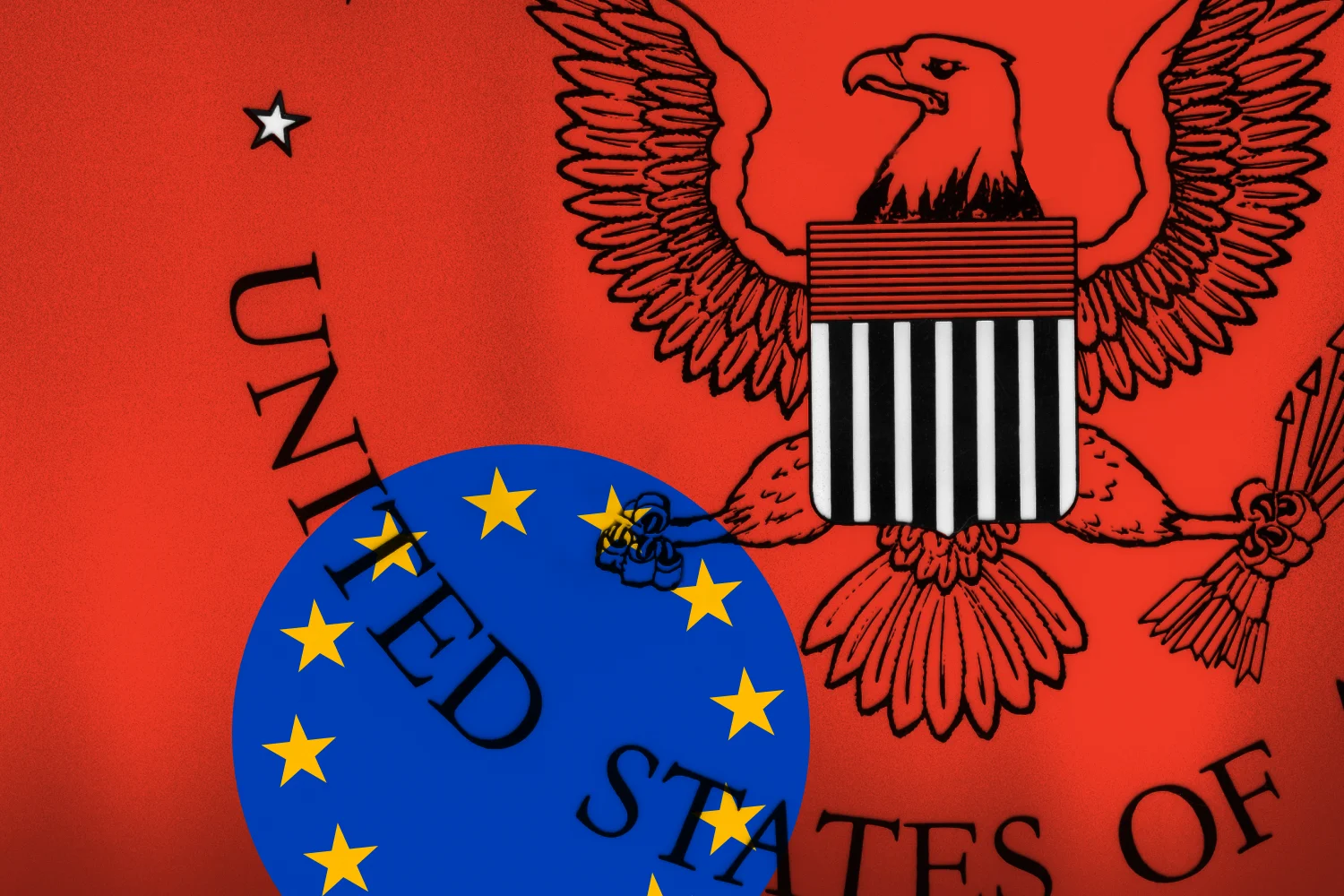
Last December, the US government published its National Security Strategy, a 33-page briefing on the Trump administration’s view of national security concerns and how it intends to deal with them. In general, the document signalled a more conciliatory mood towards Russia and China than previous administrations – both Biden’s presidency, and Trump’s first term – and projected a view of the world where great powers have their spheres of influence. There is no intimation in the text of the great fiasco Trump was about to unleash barely three months after its publication: the initiation, with Israel, of a war with Iran, one of the great unforced errors of recent history. He may or may not have read the document, but he did write, or at least sign his name to, a brief prefatory letter in which he provides the following useful information: “America is strong and respected again – and because of that we are making peace all over the world.” Huge, as they say, if true.Perhaps even more remarkable, though, is the extent to which the document reflects the view, on the American right, of Europe as the weakened and beleaguered homeland of western civilisation. Europe, it claims, faces the prospect of “civilisational erasure”, due in no small part to the corrupting influence of the European Union, along with associated “transnational bodies that undermine political liberty, migration policies that are transforming the continent and creating strife, censorship of free speech and suppression of political opposition, cratering birth rates, and loss of national identities and self-confidence.”The question of Russia’s invasion of Ukraine, and European fears of larger threats to the region, are framed as “managing European relations with Russia.” It views the problem less as one of Russian imperial aggression than of Europe’s lack of self-confidence; despite an apparent hard power advantage over Russia, European nations are cowering in fear of Putin, and relying on US military support to defend the region. The problem, in other words, is the EU, which is suppressing the sort of patriotic nationalism the Trump administration wishes to see more of in Europe. And this problem is inextricable from the larger one of Europe’s apparent opposition to “free speech”, and its total transformation through foreign migration. So what is to be done for (or to) poor old Europe, the cradle of an America currently being made great again? Well the plan is to make it, too, great again – by restoring its lost “civilisational self-confidence and Western identity”, and by “cultivating resistance to Europe’s current trajectory within European nations.” You barely need to read between the lines here to understand that the Trump administration aims to help Europe by directly opposing the European Union, and by giving assistance to political groups within it who oppose its “trajectory” (or indeed its existence). [ Controversial candidate Graham Platner presents the Democrats with a dilemmaOpens in new window ]US vice-president JD Vance. Photograph: Matt Rourke-Pool/Getty Images At last year’s Munich Security Conference, in the wake of the annulment of Romanian election results due to apparent interference, JD Vance attacked EU leaders over immigration policy, and accused them of suppressing freedom of speech. During the conference, he also met with Alice Weidel, the leader of the far-right populist Alternative für Deutschland (AfD), the largest German opposition party. This was a signal of the Trump administration’s view of the party as a preferred partner for the Magafication of Europe, and its contempt for the other German parties’ firewall strategy to keep the AfD out of government. In recent months, the Trump administration has started putting money on the table to back up this rhetoric; the State Department is currently preparing to announce a wave of grants aimed at refashioning European politics into a more Maga-like shape. This is to be administered by a previously somewhat obscure office known as the Bureau of Democracy, Human Rights, and Labor; before it turned its attentions on Europe, the bureau was largely focused on promoting democracy in places like China, Cuba, the Middle East, and Russia. Among the office’s most prominent and ideologically committed figures is Samuel Samson, a 27-year-old former Marco Rubio adviser. Last year, Samson was propelled to mild notoriety for calling Europe a “hotbed of digital censorship, mass migration, restrictions on religious freedom, and numerous other assaults on democratic self-governance.” In Washington last September, Samson met with representatives from the AfD; according to the New York Times, the group discussed “a bogus far-right conspiracy theory that mainstream European leaders were seeking to replace white populations with nonwhite immigrants.”He was also part of a delegation that visited Ireland for a meeting with Coimisiún na Meán, which as Ireland’s media regulation body, holds at least notional authority over the major social media companies whose European operations are based here. Samson’s role was to dissuade the commission from enforcing the EU’s Digital Services Act, aspects of which might get in the way of, for instance, Elon Musk’s X pumping the digital atmosphere with the noxious fumes of anti-immigrant hate speech. [ Elon Musk accused of ‘interfering’ in British politics with posts on Henry Nowak deathOpens in new window ]Elon Musk. Photograph: Mark Schiefelbein/AP Samson is now in charge of handing out grants from the state department to European groups – think tanks, media organisations and the like – the Trump administration hopes will increase Europe’s civilisational self-confidence. (If we want a sense of what this civilisational self-confidence might look like, we should direct our attention towards the AfD’s explicit rejection of Germany’s postwar culture of remembrance, with its focus on atonement for the Holocaust, in favour of a more positive, and decidedly more völkisch, view of German history.) The office’s budget is hardly massive, but it could scatter enough seed-funding into Ireland’s cultural ecosystem to cultivate a new crop of mini Breitbarts. Whether this effort to cultivate links between the Trump administration and the European far-right will gain any serious purchase on European politics is an open question. Trump is an increasingly unpopular figure outside of America, and since the disaster of the war with Iran, right-wing populist parties in Europe have started to distance themselves from any association with him. JD Vance’s strenuous (and unprecedented) campaigning in Hungary for the reelection of Viktor Orbán probably helped propel his centre-right rival Péter Magyar to victory. The effort to meddle in European politics could wind up accelerating the continental drift already separating Europe from America. If there is any optimism to be gleaned from the chaos of the present moment, it might be the prospect of Europe gaining civilisational self-confidence in a form entirely distinct from the dead-end ethno-nationalism the Maga right wants to cultivate. [ Trump says he will nominate his former lawyer Todd Blanche as US attorney generalOpens in new window ]
Mark O'Connell: Trump is offering grants to make Europe great again. This may not have the desired effect
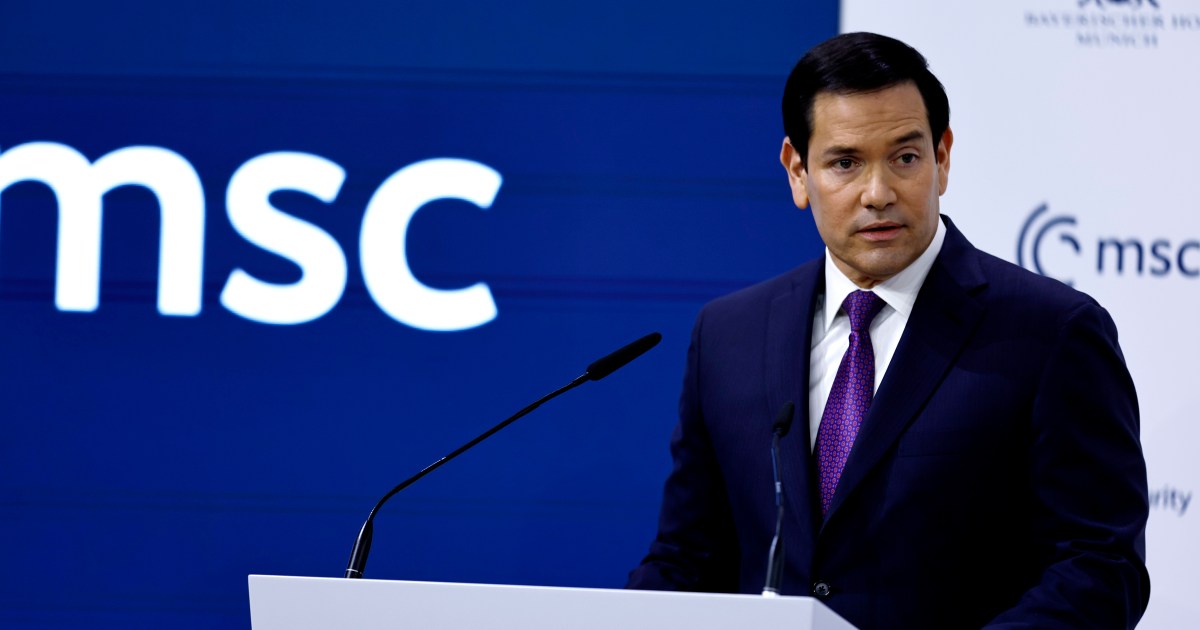
Marco Rubio’s state department will fund European groups that the Trump administration hopes will increase Europe’s civilisational self-confidence
1,129 words~5 min read