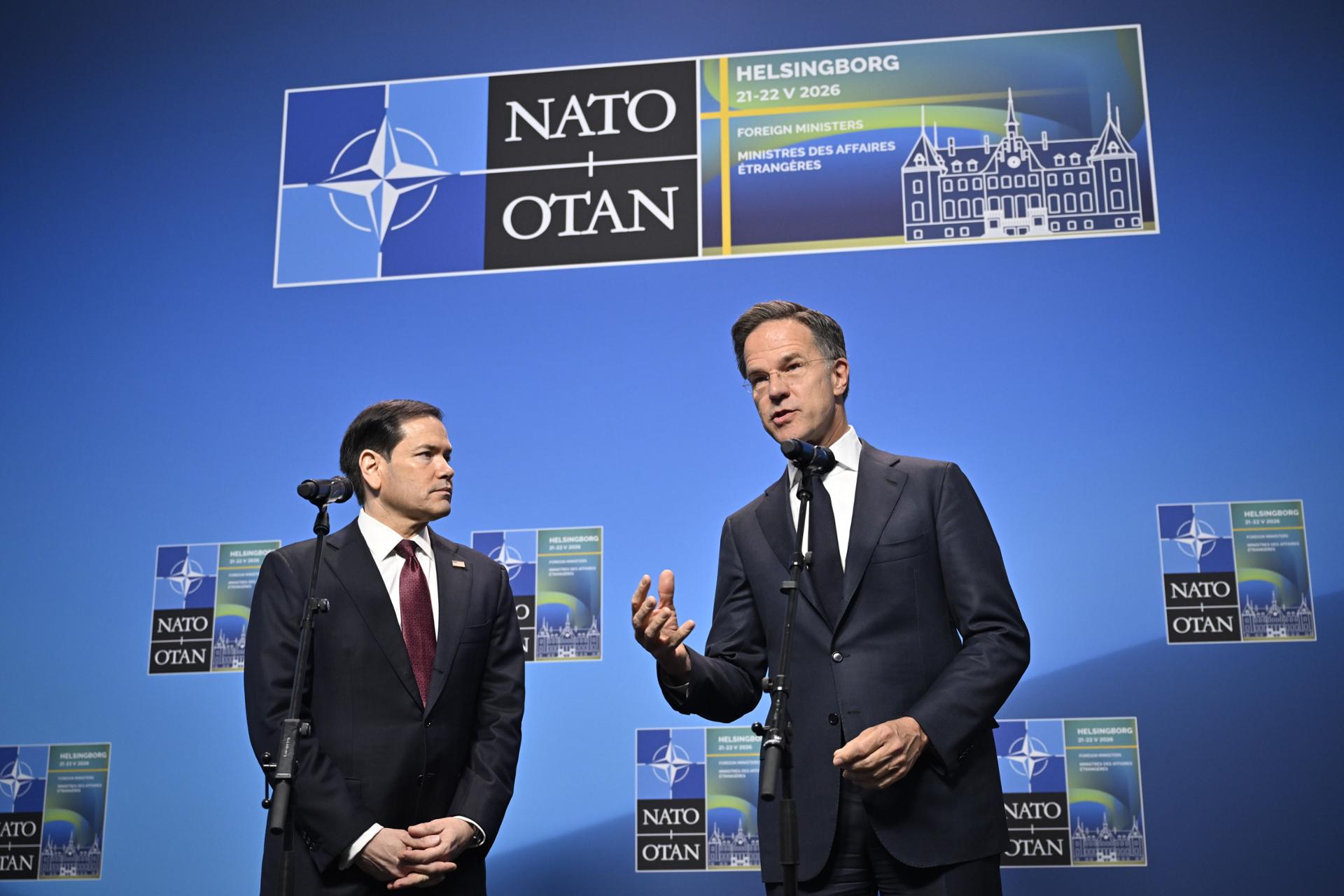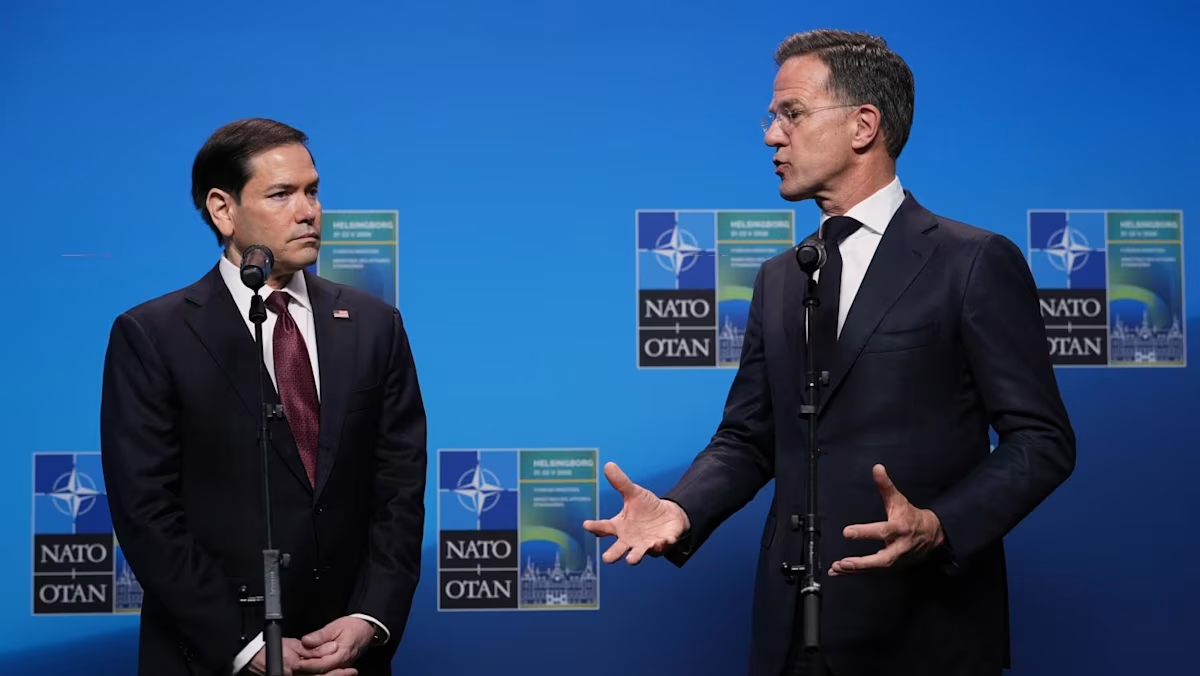
Joining NATO talks in late May, Secretary of State Marco Rubio warned that the alliance’s status quo was not working. “There’s a broad recognition that there are going to be eventually less U.S. troops in Europe than there have historically been,” Rubio told reporters. Still, he argued that he was a “strong supporter” of NATO, calling it an important enabler of U.S. national security. The Europeans are certainly taking notice.The war in Ukraine and Trump’s perceived unreliability as an ally have provoked most European governments into higher defense spending. European military expenditure reached $864 billion in 2025, a 14% increase from the previous year. Germany, Europe’s biggest economy, is at the forefront of that shift, with a 24% rise in its defense budget over the same time period. Still, the recent chaotic disputes over U.S. troop levels in Europe have led the Trump administration to search for a way to bolster the alliance. Its possible solution?
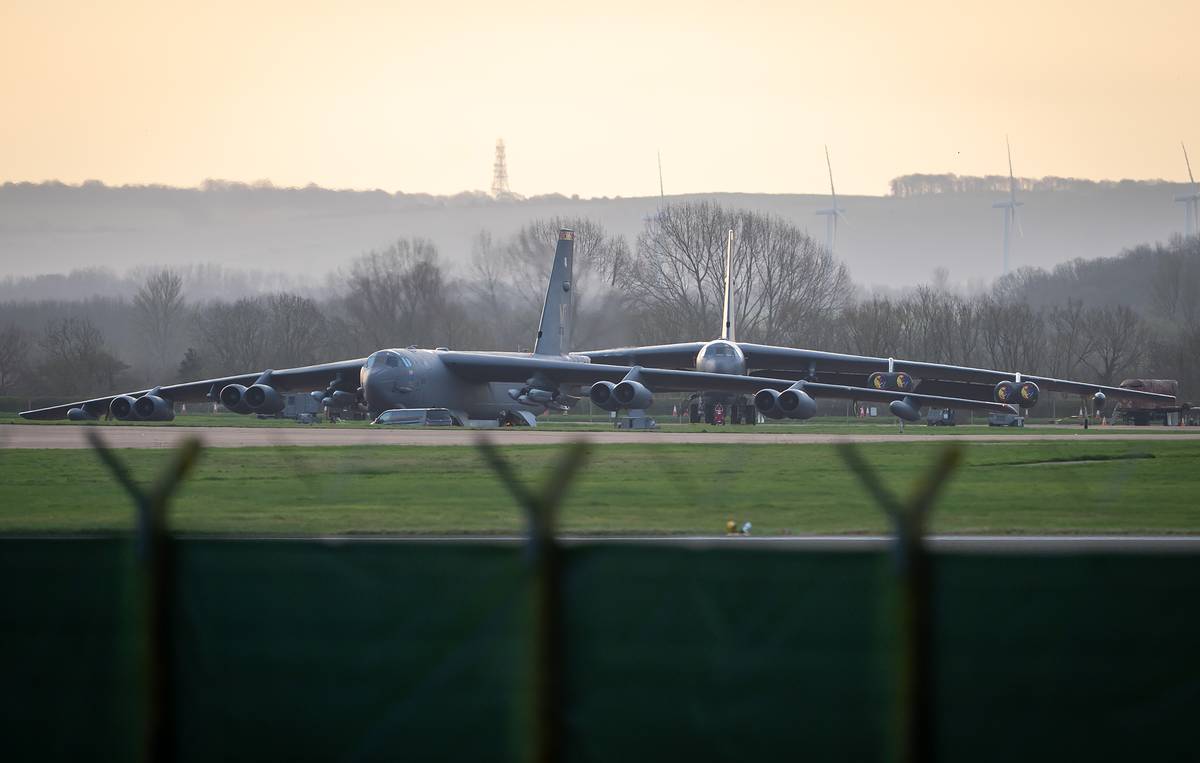
Bring more U.S. nuclear weapons capable bombers, and perhaps more U.S. nuclear bombs, into more of Europe. A final decision hasn’t yet been made, but there’s no doubt that at least some European countries, particularly Poland and the Baltics, wouldn’t mind stationing U.S. nuclear-capable assets on their soil. Some politicians in Warsaw, such as Prime Minister Donald Tusk, have even broached Poland obtaining its own nuclear weapons.