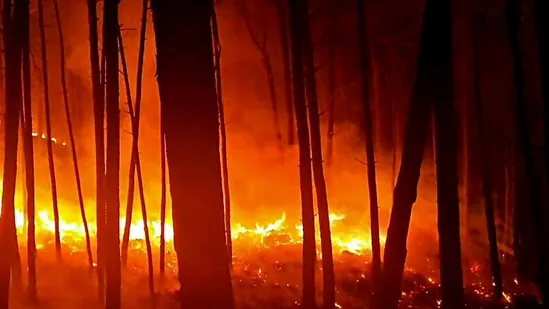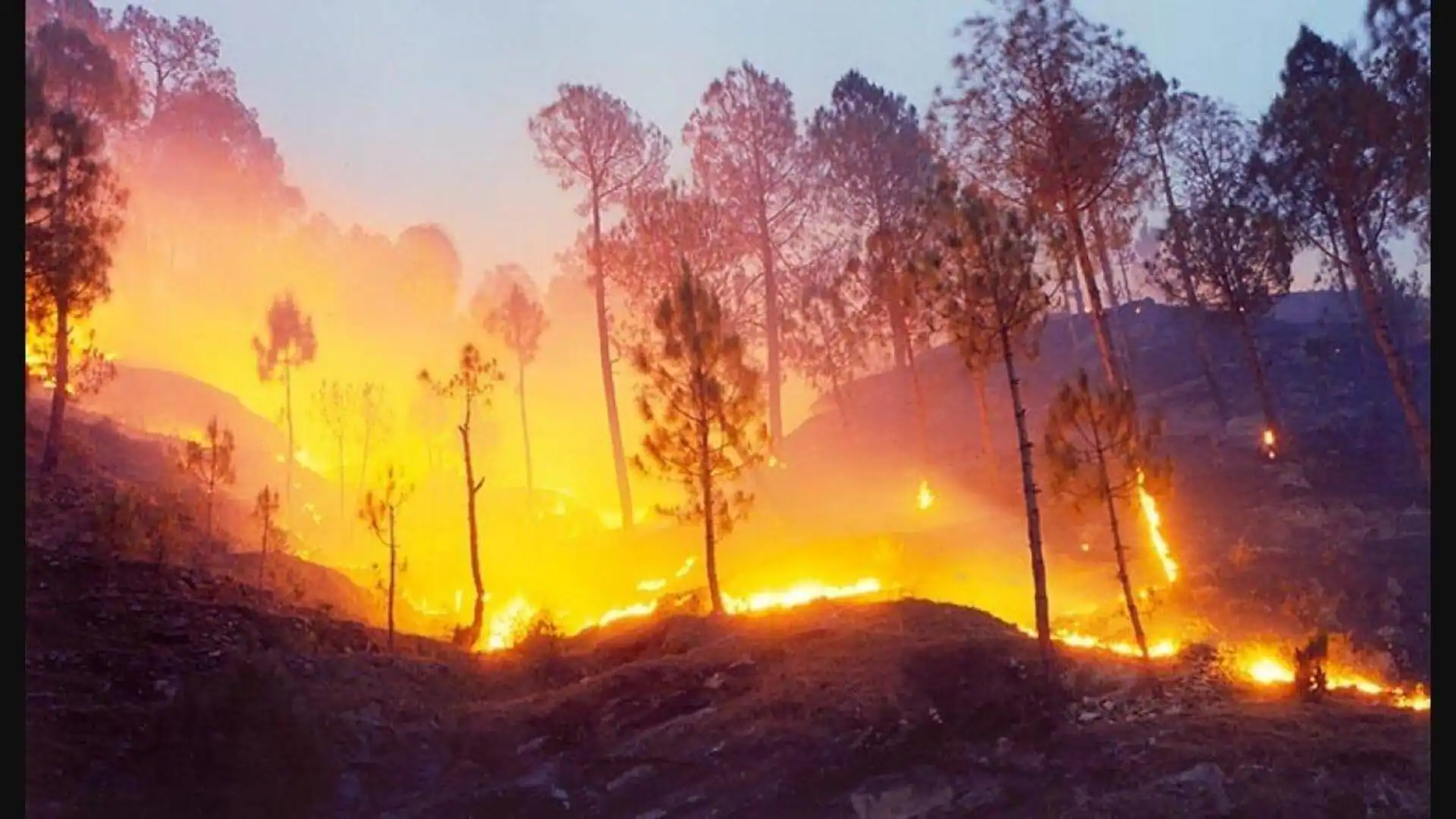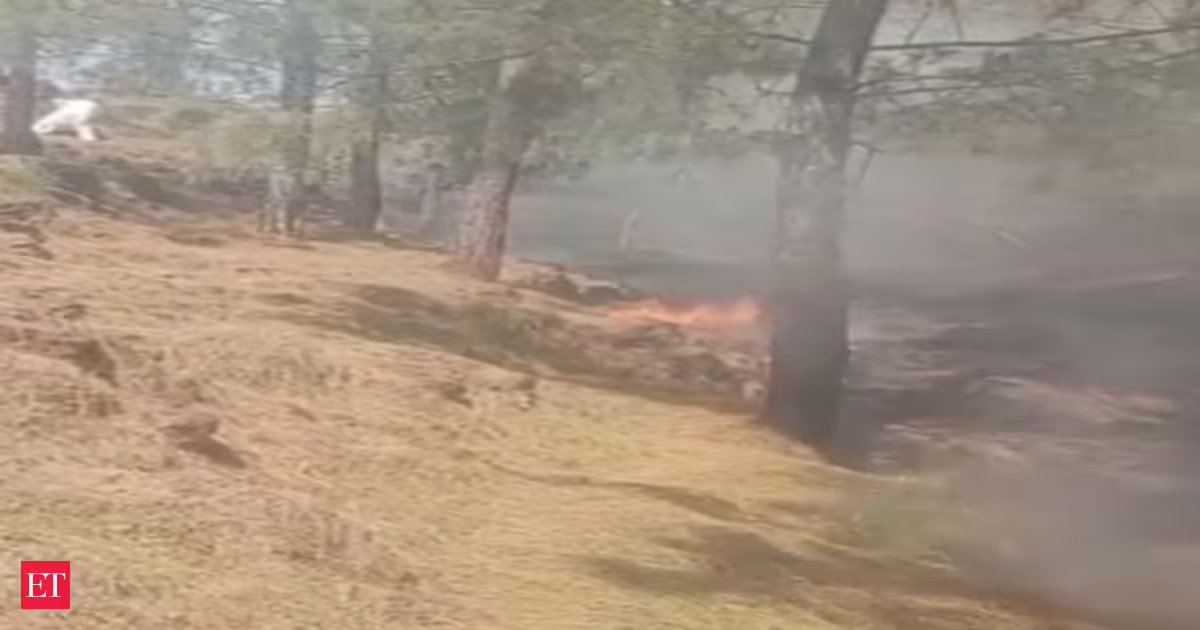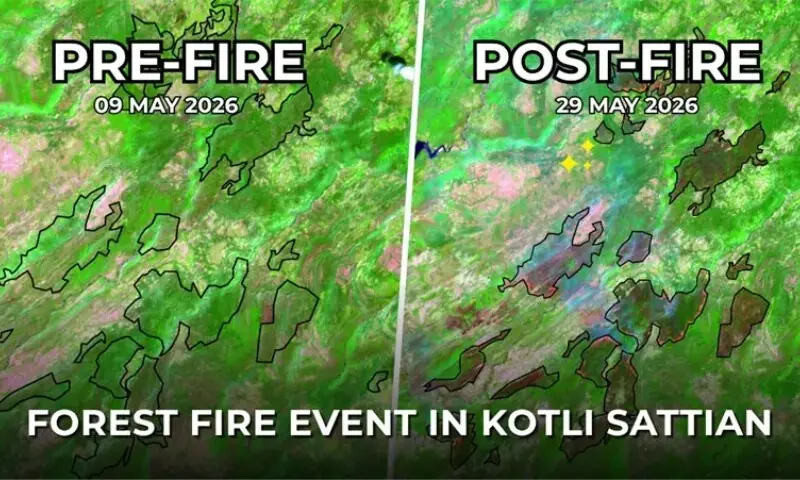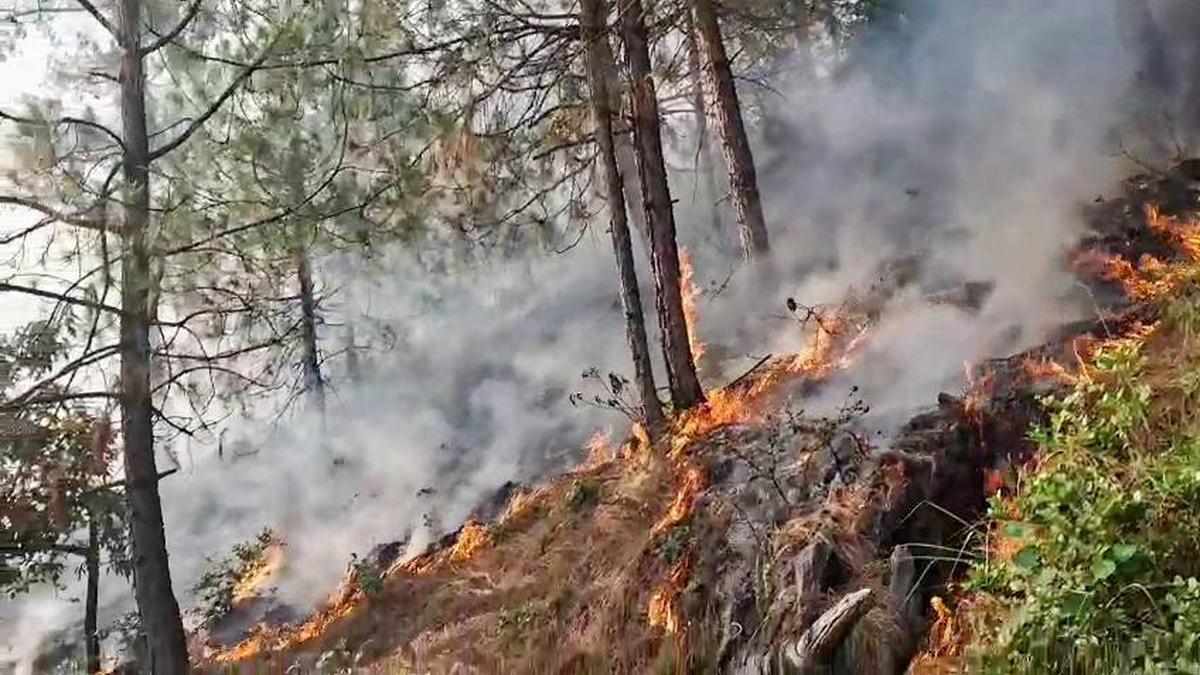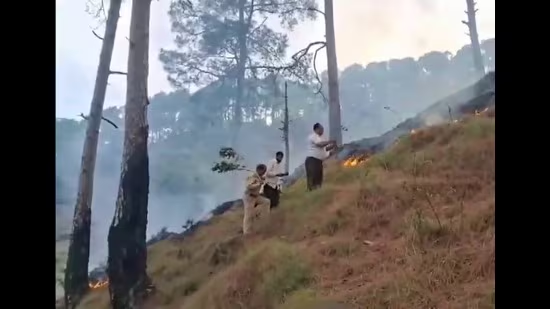
A total of 378.87 hectares of forest area was affected in 197 forest fires since 2020-21 in Ramnagar forest division that spans over 37,252 hectares and 95% fires were man-induced.A total of 378.87 hectares of forest area was affected in 197 forest fires since 2020-21 in Ramnagar forest division that spans over 37,252 hectares and 95% fires were man-induced. (HT Photo)Every summer, jungles across Jammu region where mercury soars above 43 degree Celsius, the forest fires take a heavy toll on flora and fauna including wildlife.The Ramnagar Division Forest officer Naresh Majotra pointed out that the majority of fire incidents in J&K occur in pine forests during the dry summer months, especially in Jammu division.“Most fires are surface fires affecting leaf litter, grasses, shrubs, and regeneration. However, 90% of the fires are human induced,” he said.“It is important to note that area affected by fire does not necessarily imply complete destruction of forest cover. In most cases, fires are low-intensity surface fires, and mature trees often survive, though regeneration, biodiversity, soil moisture, humus, and wildlife habitat may get adversely impacted,” he added.The DFO informed that the major challenges faced by the forest guards during contingencies were difficult terrain, remote forest locations, extreme temperatures, dry conditions, strong winds, limited road connectivity and delayed accessibility to fire sites.Roughly J&K has a forest cover of around 21,34,639 hectares--nearly half of the region’s total landmass.The fast forest areas vis-à-vis limited frontline manpower and simultaneous occurrence of multiple fire incidents during peak season is another challenge for us, he said.“High proportion of human-induced fires, pine needle accumulation, which acts as highly inflammable fuel and no availability of water sources in upper forest compartments pose another challenge,” he said.However, the DFO said that despite challenges, frontline forest staff, forest protection force personnel, seasonal workers, local communities, and volunteers work tirelessly, under extremely harsh conditions to control fires and minimise damage to the green gold.“Most forest fires in J&K are controlled primarily through ground-based manual operations, which include creation and maintenance of fire lines, beating and smothering techniques using green branches and fire beaters, back-burning and controlled counter-fire techniques in specific situations, removal of combustible material from vulnerable areas and deployment of forest staff besides local volunteers for rapid response,” said Majotra.During peak summers, the forest department deploys fire watchers for three months when the risk is at its peak.On usage of modern technology, the DFO said satellite-based forest fire alerts through the Forest Survey of India (FSI), use of mobile communication networks and WhatsApp-based rapid coordination groups besides GIS-based mapping of fire-prone areas were some of the technological interventions that were relied upon.“However, there remains substantial scope for strengthening technological infrastructure, dedicated fire forecasting systems, communication networks, and specialized firefighting resources,” he said.The official informed that the department regularly takes up large scale afforestation and reforestation programmes, eco-restoration of degraded forest landscapes, catchment area treatment works, urban forestry and plantation drives.On human-induced fires and preventive measures, the officer said, studies and field observations indicate that nearly 90–95% of forest fires were linked to human activities, whether intentional or accidental, like “setting fire for fresh grass growth, negligence during picnics, burning agricultural residue near forest boundaries, careless disposal of cigarettes or matchsticks.
197 fires ravage 378 hectares of Ramnagar forest area since 2020-21
90 to 95% fires are man-induced; hilly & remote terrain, limited roads compound challenges: DFO Ramnagar
535 words~2 min read