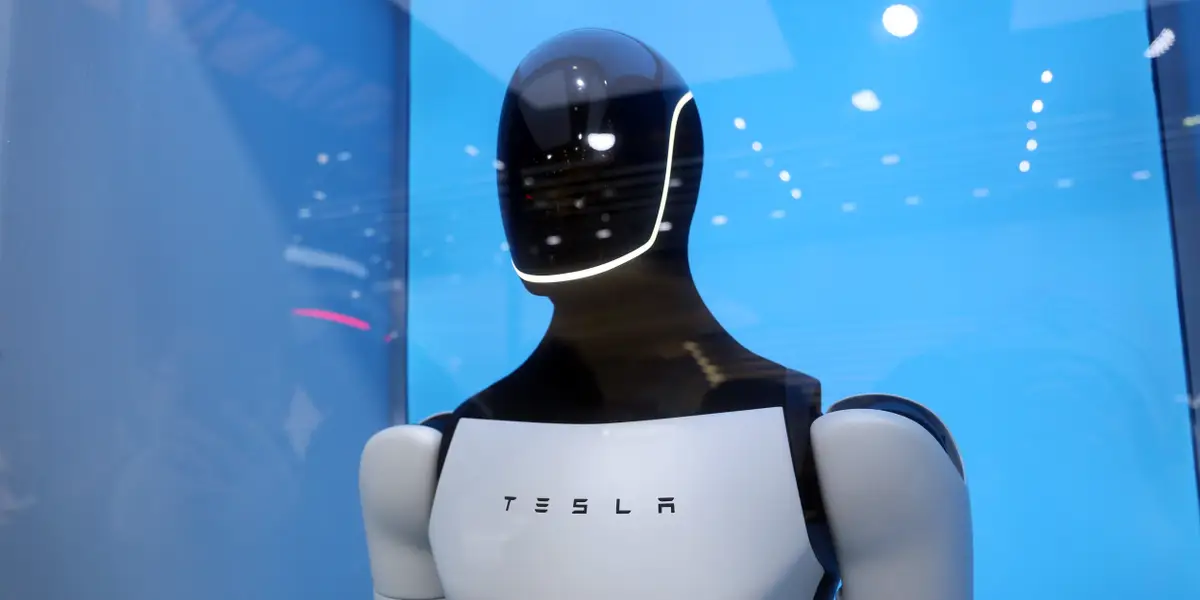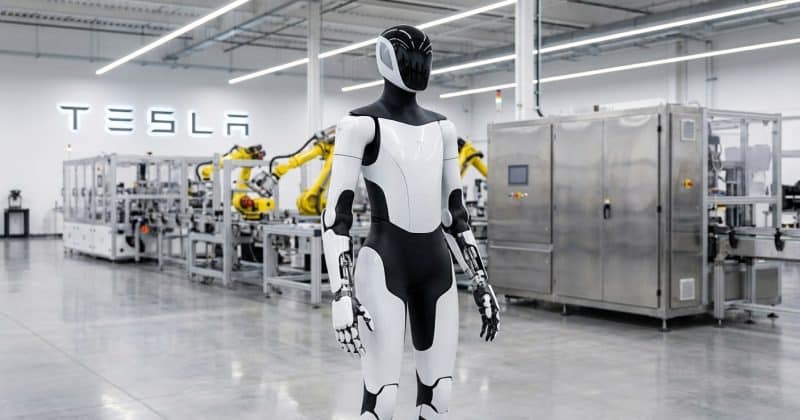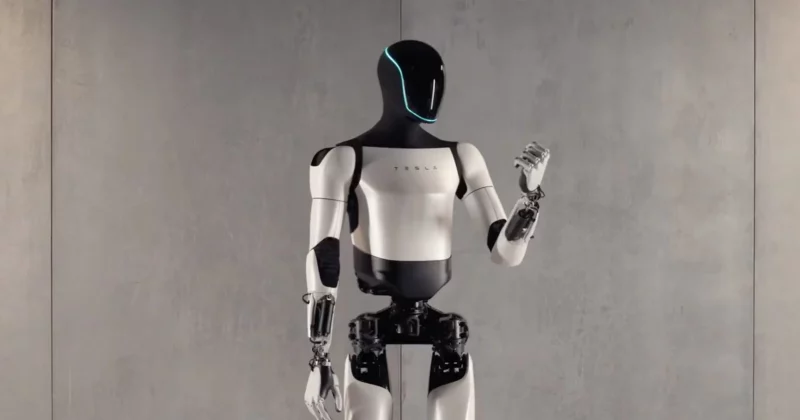
Building a humanoid robot turns out to be a lot like building a human: the legs do most of the heavy lifting, both literally and financially.
A Morgan Stanley analysis pegs the total bill-of-materials for Tesla’s Optimus Gen 2 humanoid robot at roughly $55K. The single largest cost bucket? Locomotion components, including legs and related hardware, which run approximately $21K, or about 38.6% of the entire build cost.
Where the money goes
After legs, the next most expensive component is the hands, estimated at about $9.5K, or 17.2% of the total BOM. Shoulders, waist, and pelvis components round out the remaining high-cost categories.
Here’s the thing: $55K for a full humanoid robot is actually not outrageous by industry standards. Boston Dynamics’ Atlas platform, arguably the most capable humanoid robot prior to the current wave, was never commercially priced but was widely estimated to cost well into six figures per unit. Agility Robotics’ Digit, a simpler bipedal design focused on warehouse logistics, has been discussed in the $100K-plus range for early customers.