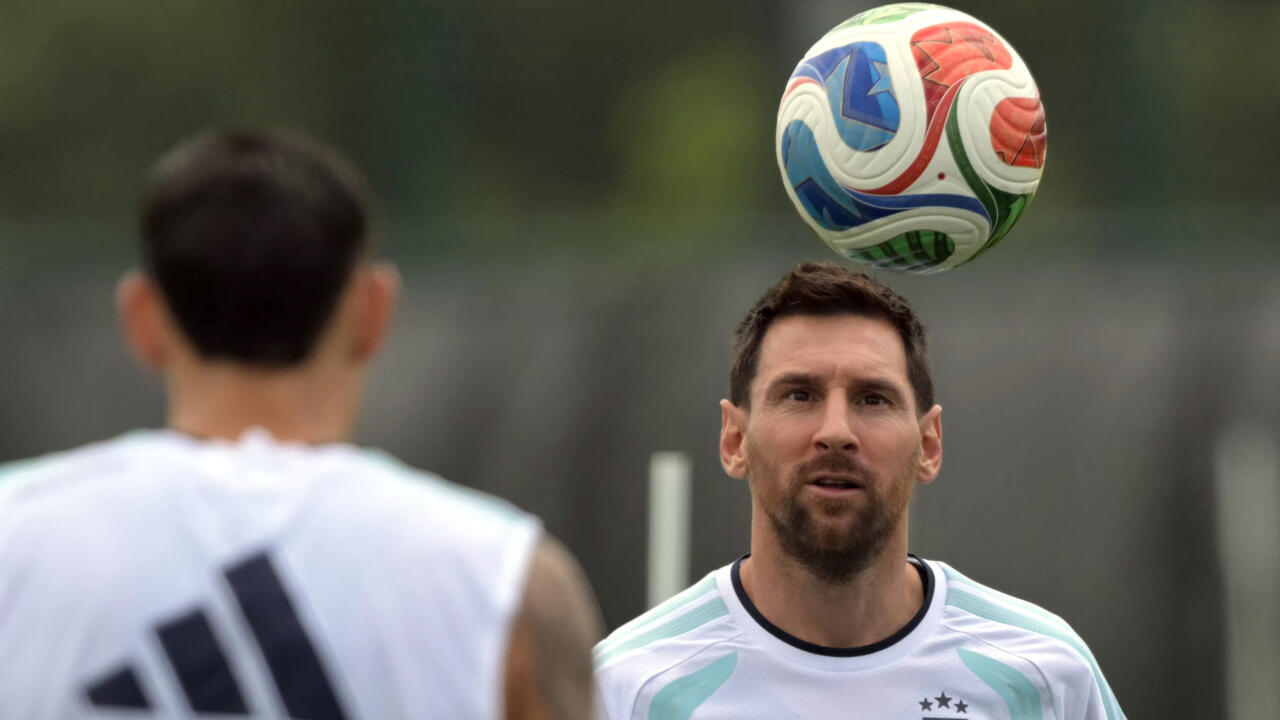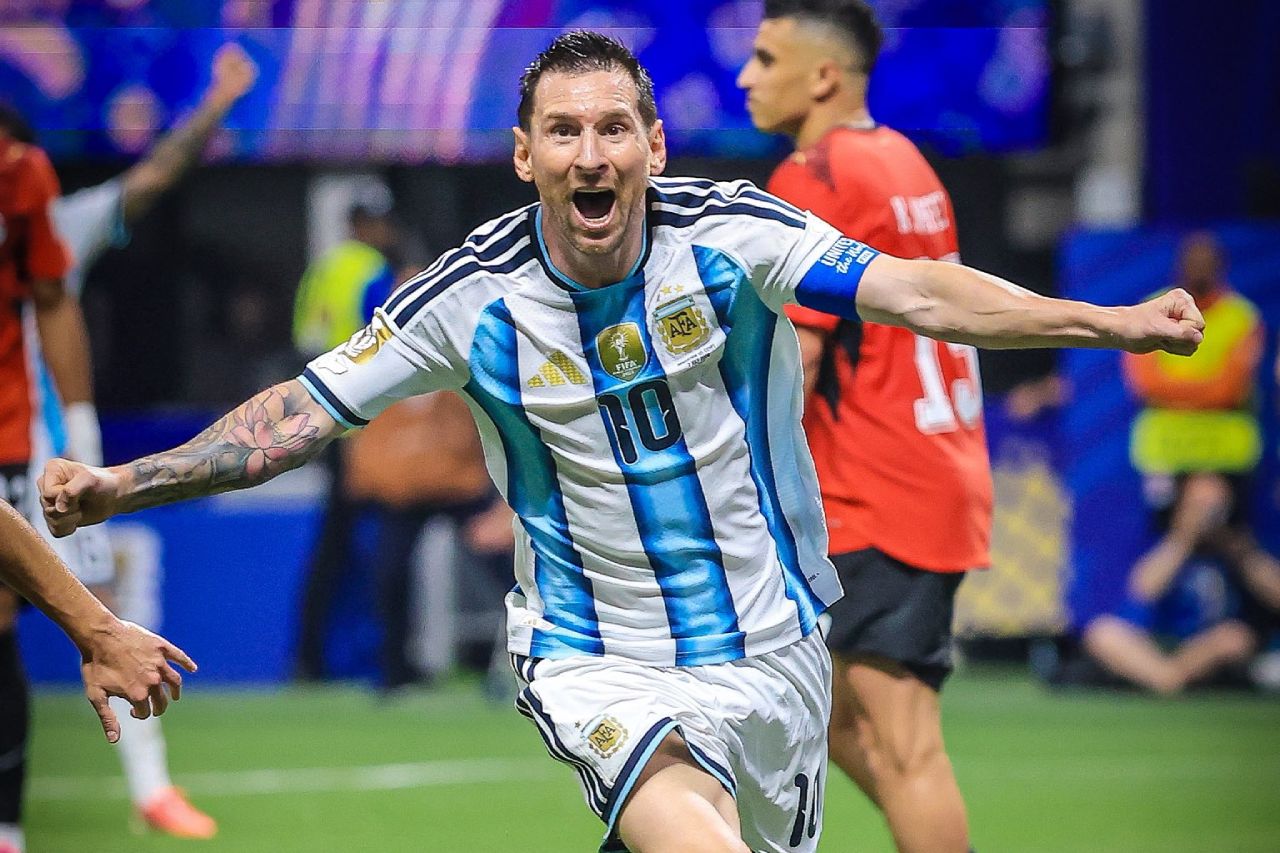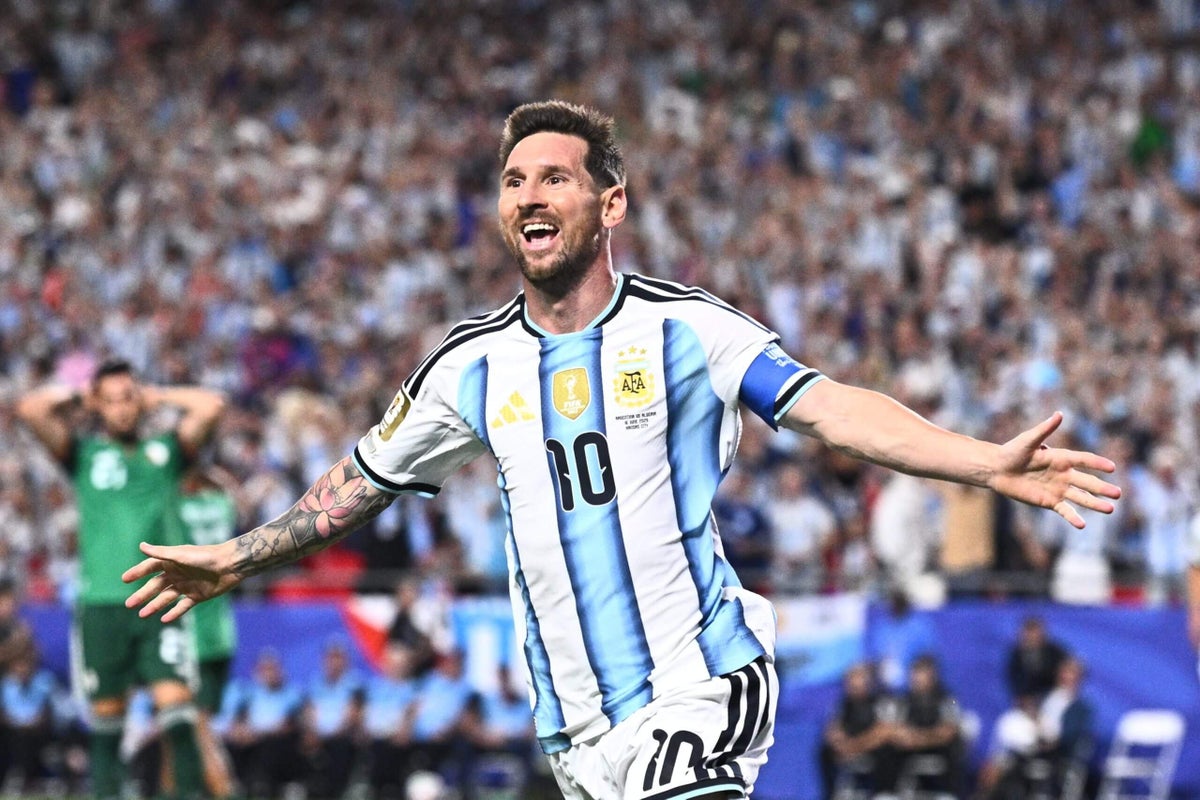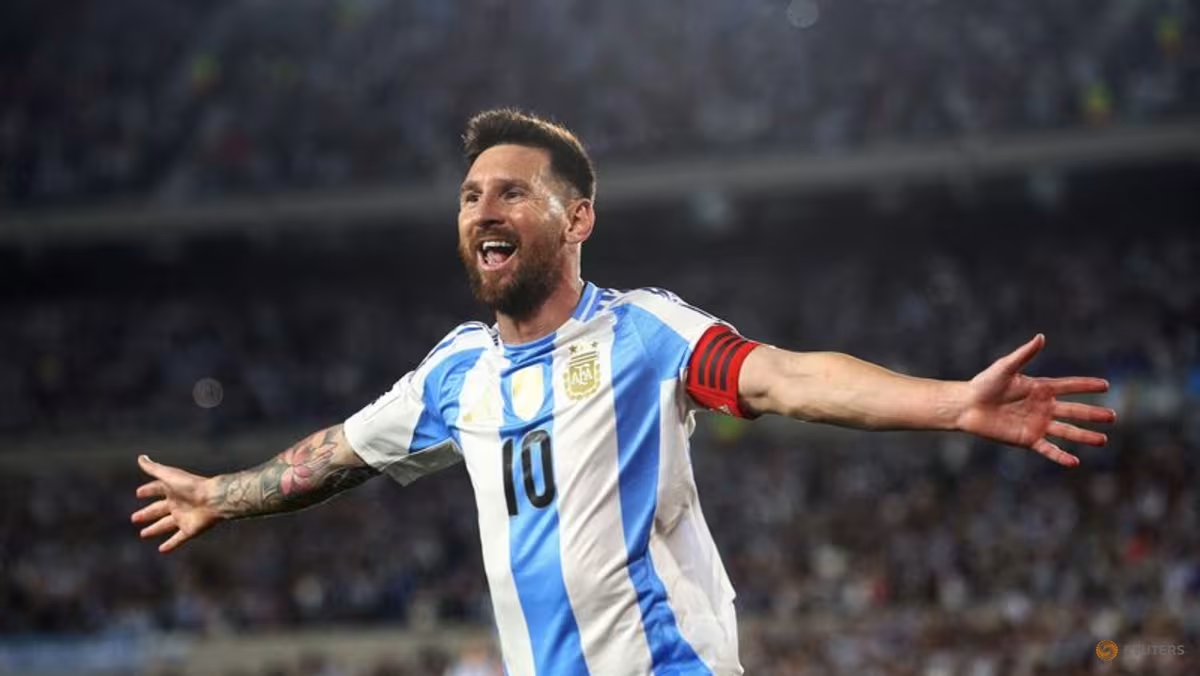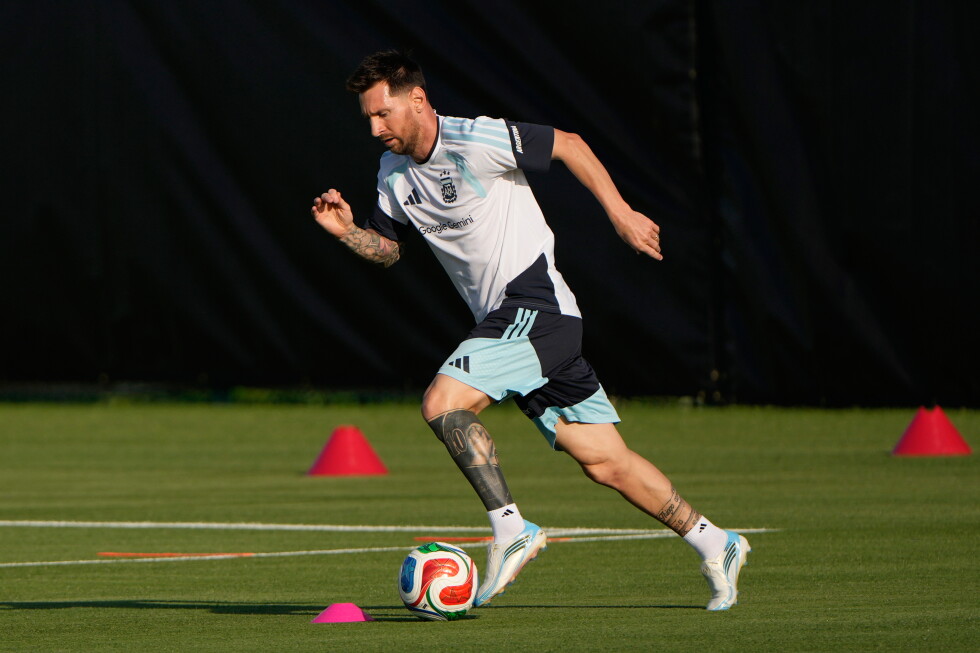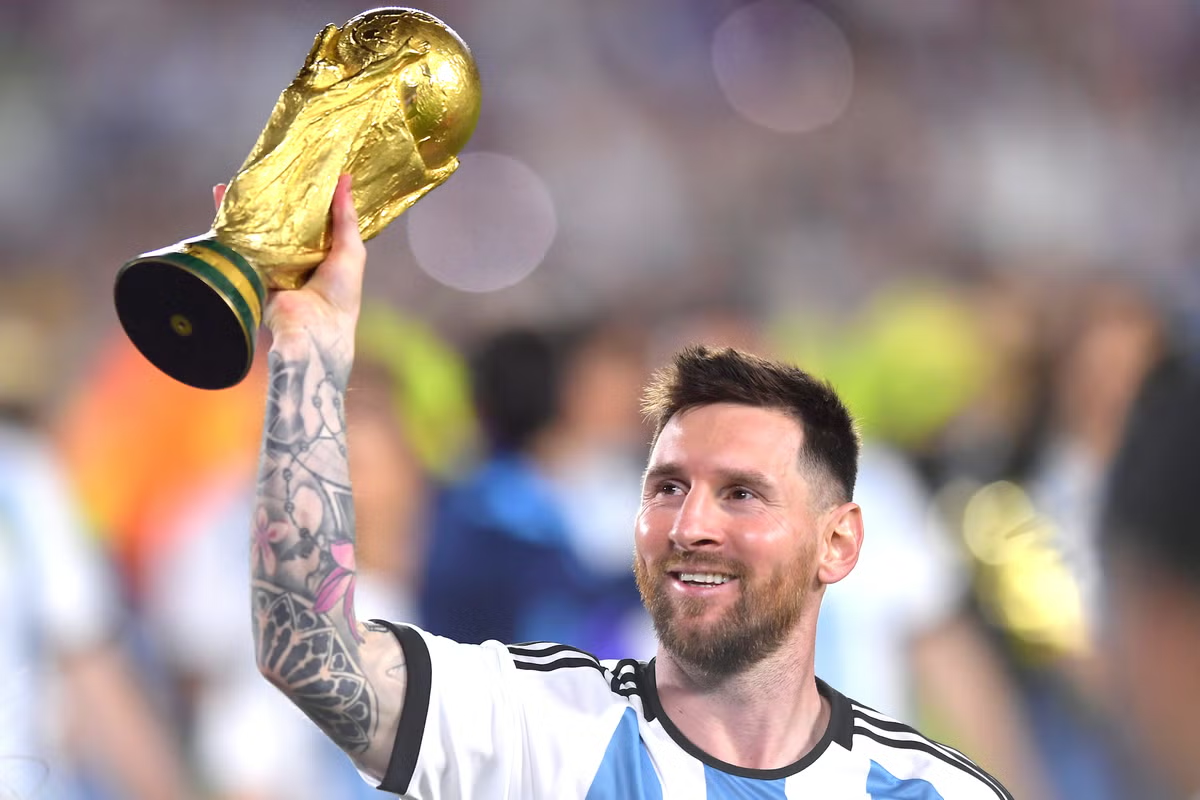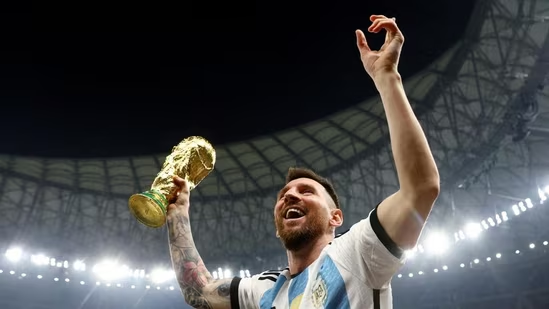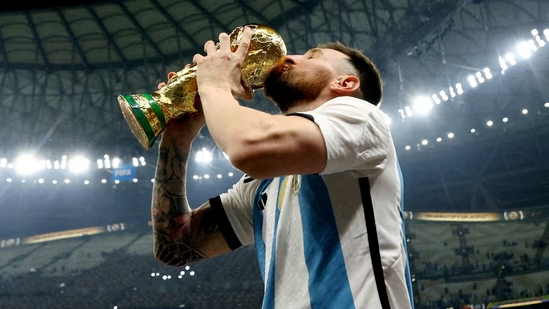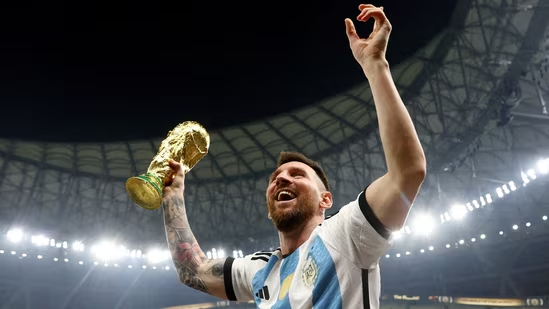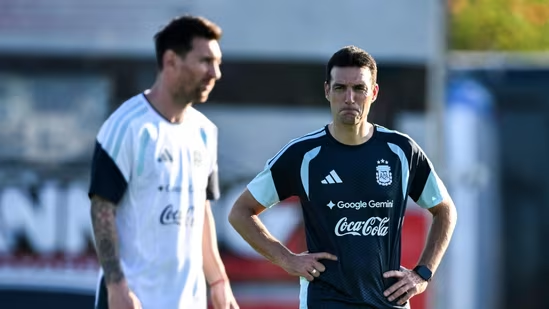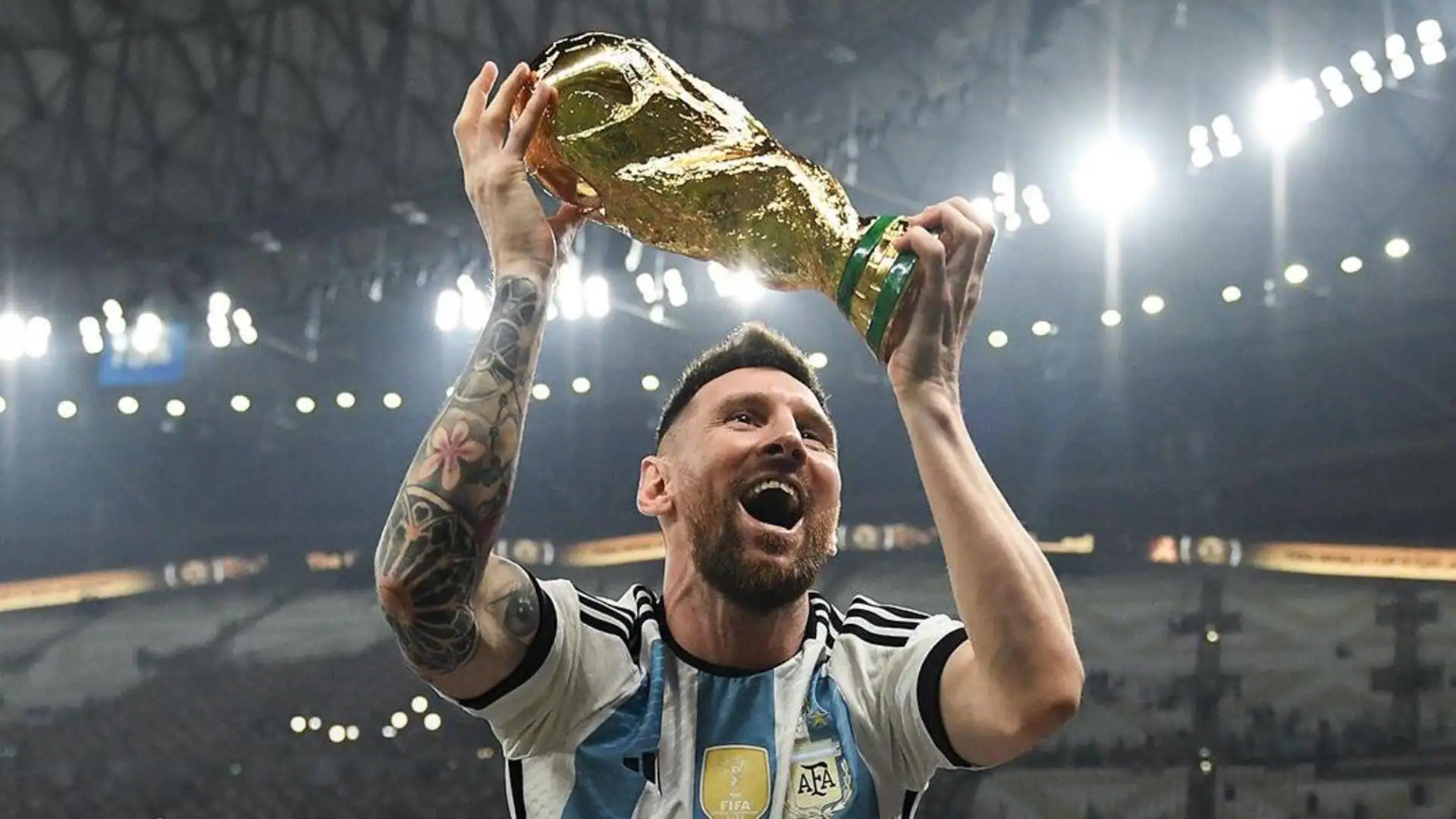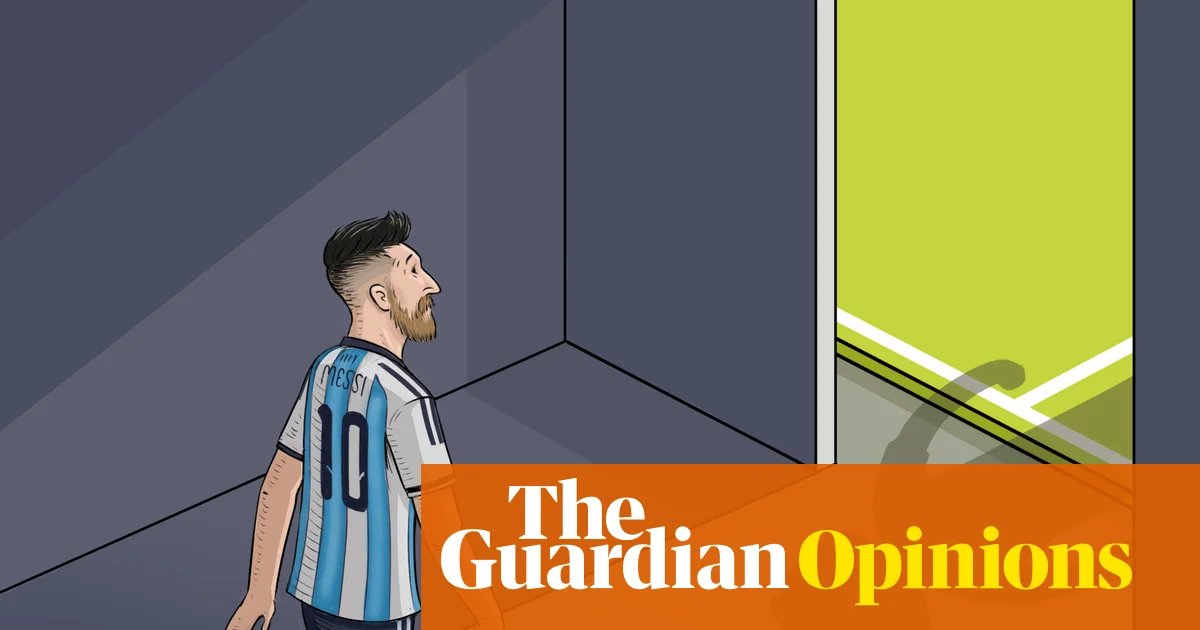
Lionel Messi in Qatar felt like the perfect story. It was the great finale. He is doomed always to be compared with Diego Maradona and, placed alongside a life of operatic ups and downs, of injury and addiction, drugs bans and organised crime, the highest highs and the lowest lows, his narrative always seemed a little flat: a kid was good at football, and then was consistently good at it for two decades, winning title after title. Yes, there were tears and frustrations, moments of doubt, but he wasn’t nearly drowning in a cesspit, shooting at journalists with an airgun or using a fake penis to evade the drugs testers.Qatar offered at least a degree of dramatic intrigue. Club success evidently wasn’t enough. Messi was driven. He had overcome his natural reserve to become the true leader of the team while winning the Copa América in Brazil the previous year. He gave team talks. When, giving a TV interview after the quarter‑final win over the Netherlands he snapped at Wout Weghorst: “Que mira, bobo?” – what are you looking at, idiot? – it was celebrated as the quiet man coming out of his shell, albeit with an oddly childish phrase. Could the Argentinian finally lift the trophy in what was assumed to be his final World Cup? In the knockout stage, it felt every game could be his last; his genius and its apparent fragility seemed a constant reminder of mortality.Qatar felt like the completion of the circle. It had been in Qatar in 1995 that Argentina had won the first of their five Under-20 World Cups in 12 years under José Pékerman and Hugo Tocalli. Lionel Scaloni, the manager, had been part of that first team. So had two of his assistants, Walter Samuel and Pablo Aimar. Messi had been part of the last of those sides, in 2007. So had his teammate Papu Gómez, while Ángel Di María had played in 2005. The Pékerman/Tocalli spirit ran through the squad, amplified by the fear that the most sustained run of success in the history of youth football might yield nothing at senior level. What had begun in Qatar, it seemed, had ended gloriously in Qatar.If Messi had been motivated by the demands of narrative, he would have shrugged off the bisht draped over his shoulders during the trophy presentation and announced his retirement. He could have performed his lap of honour, carried shoulder-high, evoking Maradona’s triumph at the Azteca in 1986. The perfect climax. Fin. Roll credits.All of which makes it slightly awkward that, four years later, Argentina are preparing for another World Cup with Messi. He has betrayed the narrative. He will have had more one-last-jobs than Danny Glover. He will turn 39 during the tournament, making him the oldest Argentinian to play at the World Cup (although he will only be the 10th-oldest player in the US, Mexico and Canada; players generally are getting older). There is a major risk he departs on a low, with an anticlimax reminiscent for Argentina of all those World Cups before Qatar.Lionel Messi during an Argentina World Cup training session in Kansas City. Once it has been accepted that a player can’t run, an incremental decrease in physical capacity doesn’t matter all that much. Photograph: Jamie Squire/Getty ImagesBut there is a possibility of triumph. Could he do it again? A layperson may think there is nothing left to prove, that the job is done and it’s time for him either to relax or to find an alternative career, whether in coaching, punditry or something entirely different. It’s almost a prerequisite of elite sportspeople for them to have robust, irrational self-belief. Perhaps he thinks he can inspire Argentina to glory once more.After years of living in Maradona’s shadow, of hearing at every turn the jibe that, for all his success with Barcelona, he had never done what Maradona did and won the biggest prize of all for his country, could he perhaps surpass him and win it twice? Is there a future in which Argentinians gathered around the asado pit ruefully acknowledge that, great as Diego was, he won the World Cup only once?Yet how likely is that? Messi in Qatar felt old. He drifted on the periphery of games, flitted in for a moment of genius and then vanished again. Rodrigo De Paul became his legs to such an extent that Inter Miami felt compelled to sign him to do the same job for Messi in MLS, but Julián Alvarez and Enzo Fernández also did a lot of work to cover. But perhaps once it has been accepted that a player essentially can’t run, an incremental decrease in physical capacity doesn’t matter all that much. Wandering in the shadows, he becomes a danger; he is not gumming up the mechanisms in a central role.But before the last World Cup Messi was playing regularly at a relatively high level. In the half-season before the tournament, he played 13 times in Ligue 1 and five times in the Champions League. This year he has played 14 MLS and two Concacaf Champions League games, which sounds roughly equivalent. But while a familiarity with conditions may be a benefit, the level is nowhere near that of even France’s top division. Messi, though, has remained productive for Argentina. In the last Copa América – which Argentina won – and in subsequent qualifiers and friendlies.Is he equipped for this? Who knows? The fear is that Messi may become a parody of what he was, an impotent reminder of past glories. There lurks that horror that all people contemplating retirement and their legacy must have of clinging on beyond the point of utility, terrified of losing a sense of purpose.What comes next for Messi? He is such an enigmatic presence it is very hard to know if he would have any aptitude for coaching or punditry, or even has any ambitions in that direction. If life is to be no more than a series of brand appearances and endless games on the PlayStation, a reluctance to contemplate the end of the playing phase of his career is readily understandable.But perhaps that’s to project the standards of normal mortals upon him and those have never really applied to Messi. Qatar seemed like the great climactic finale, but there is a possibility that it was just the first part of an even greater denouement. Perhaps he really could win it twice.
If this is Messi’s last World Cup, could he eclipse Maradona and win it twice?
After living in the Argentina idol’s shadow, the 39-year-old star of 2022 is still capable of a final glorious chapter
1,071 words~5 min read