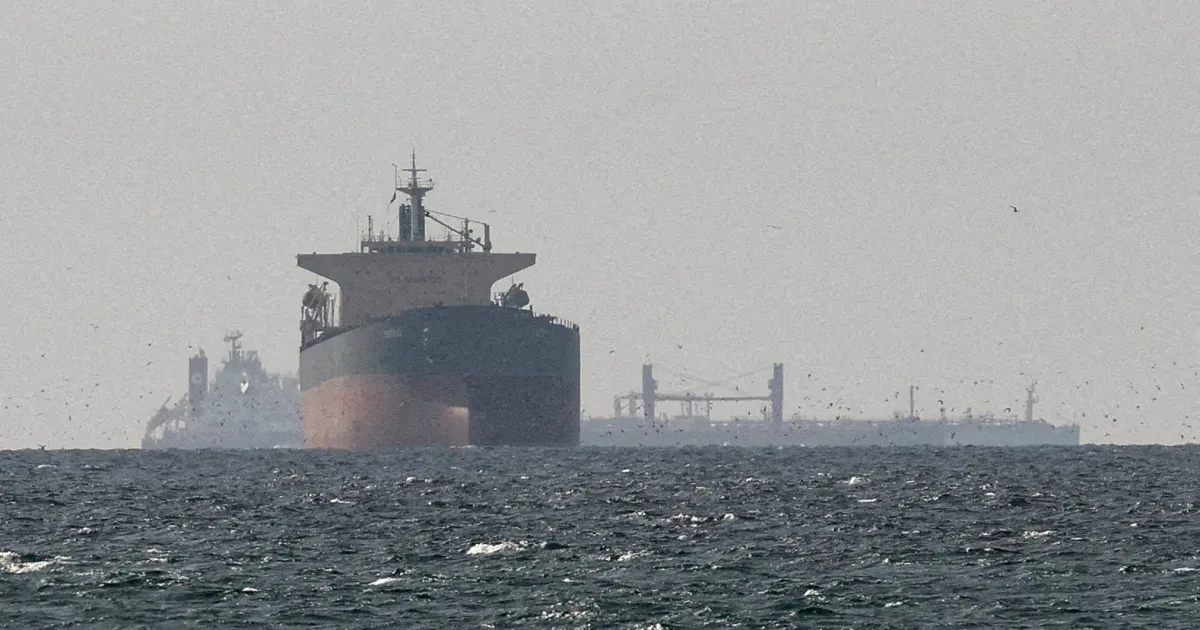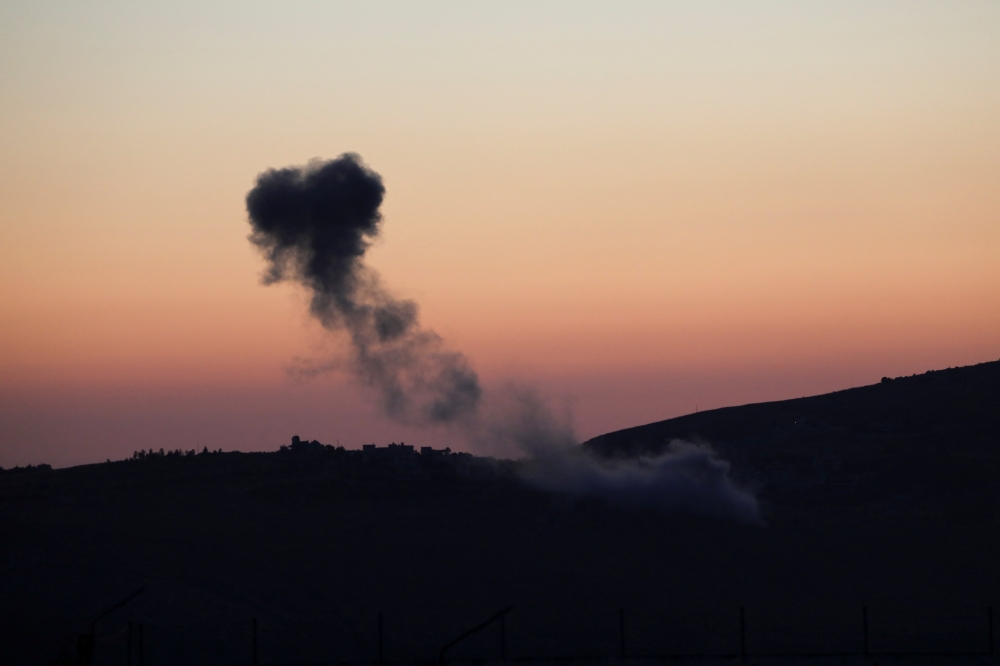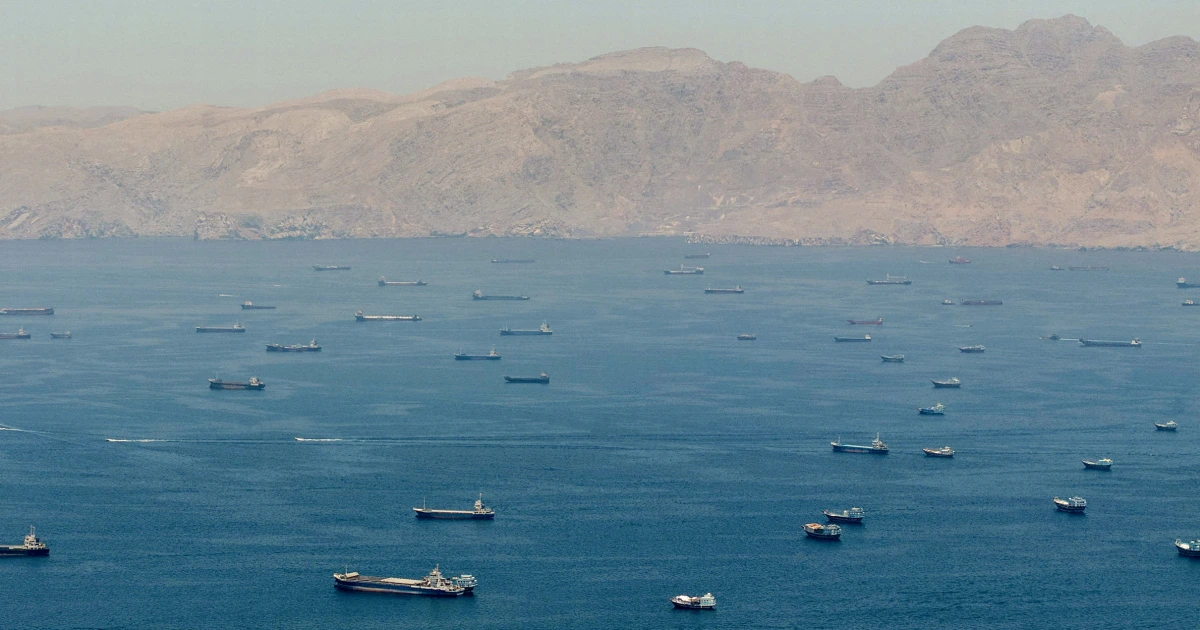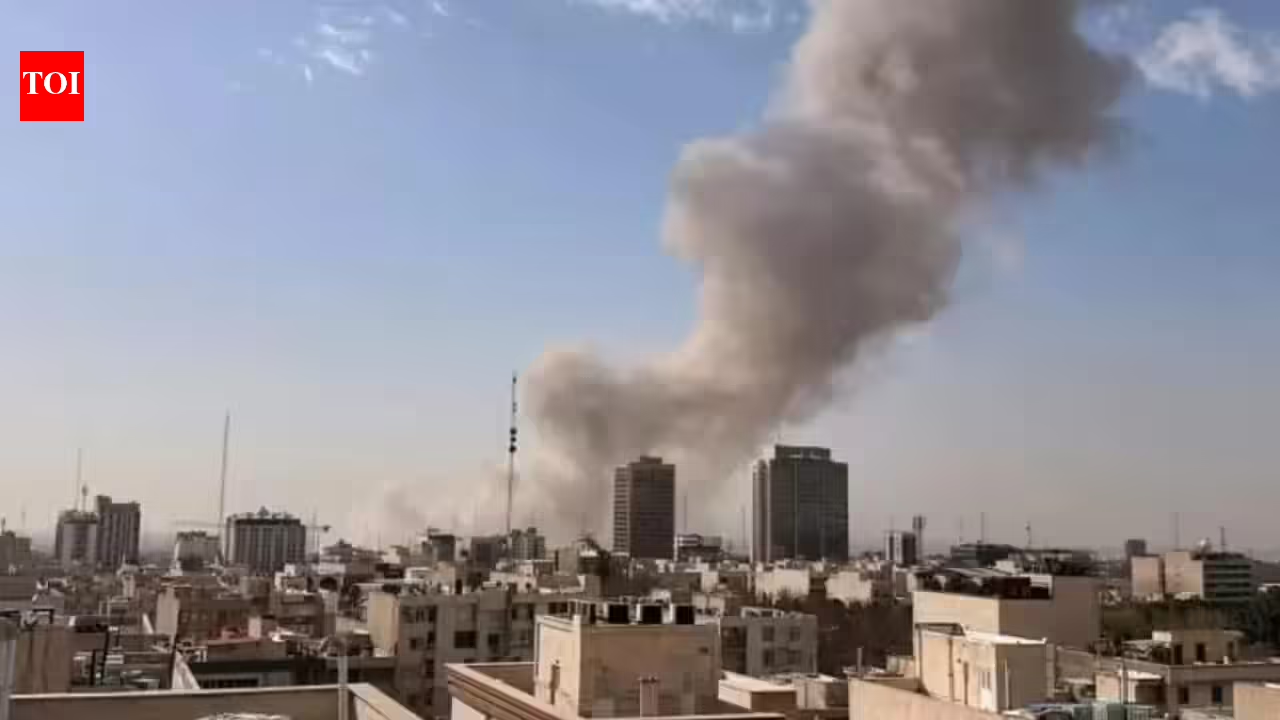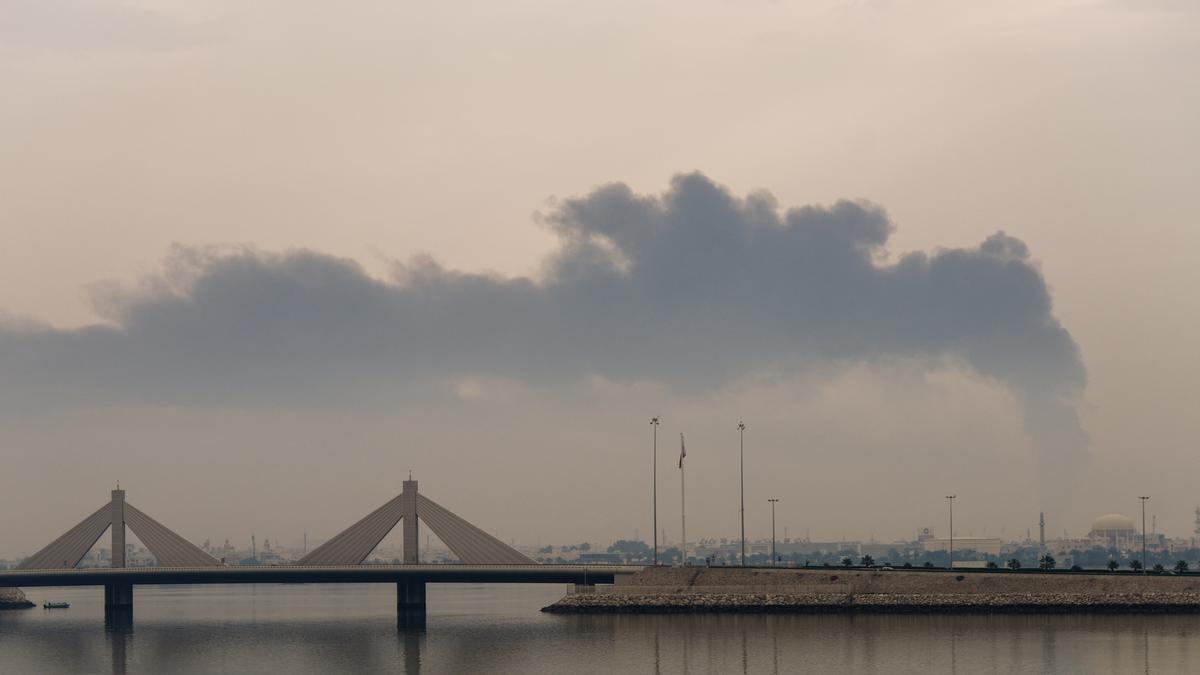
Iran launched a salvo of missiles at US allies Bahrain and Kuwait on Saturday after fresh American strikes, drawing a furious response from the Gulf monarchies and further straining a fragile truce. Weeks of indirect talks marked by tit-for-tat threats and sporadic exchanges of fire have failed to secure a deal to end the Middle East war or reopen the Strait of Hormuz, a chokepoint for Gulf oil and gas shipments. Iran's foreign ministry said the US early Saturday attacked surveillance facilities on Qeshm Island and near Sirik that it said were used to protect borders and “ensure the security of navigation in international waters." Tehran called the attack a violation of the fragile ceasefire. US Central Command (CENTCOM) said its forces first shot down four Iranian attack drones launched toward the strait. It then struck the Iranian coastal surveillance radar sites, CENTCOM said. Iran's Revolutionary Guards said early Saturday they had responded by targeting "enemy bases in the area" with missiles. The Revolutionary Guard said it targeted the Ali Al Salem air base, which hosts US forces in Kuwait, and the US Navy’s 5th Fleet in Bahrain, according to the state-run IRNA news agency. The US military said there were no reports of harm to US personnel. CENTCOM said Iran had launched seven ballistic missiles towards Bahrain and Kuwait, but that six had been intercepted and one had fallen short. Bahrain denounced the latest attacks, the second against both nations in a matter of days, as "blatant aggression", while Kuwait said they "represent a dangerous escalation". In Bahrain's capital Manama, an AFP journalist heard three explosions as air raid sirens sounded. In Kuwait, another AFP journalist heard repeated blasts near the country's international airport, which had been struck on Wednesday in an attack blamed on Iran that killed one person. "We woke up to a huge explosion," said Reem, an Egyptian mother of two. "My children were terrified, and I couldn't calm them down." 'Flagrant violations' A ceasefire in the war -- which was triggered almost 100 days ago by US and Israeli strikes -- has been in place since April 8, despite the occasional flare-ups. Iran's foreign ministry denounced the latest US strikes as "flagrant" violations, while condemning Washington's "hostile and provocative behaviour". Efforts to turn the truce into a lasting settlement have repeatedly stalled, while the conflict has rattled global markets and increased pressure on US President Donald Trump at home ahead of midterm elections. Read moreIran says no 'tangible progress' in war talks, Trump says deal close "The negotiations are at a deadlock and Trump must break this deadlock," Mohsen Rezaei, military adviser to Iran's supreme leader, told CNN on Friday, as he called for the release of frozen Iranian assets to the tune of $24 billion. Lebanon -- which was drawn into the Middle East war when Iran-backed Hezbollah attacked Israel on March 2 -- called on Friday for Iran to stop interfering in its affairs. Beirut's army chief Rodolphe Haykal left on Saturday for Pakistan, where he will meet his counterpart Asim Munir, who has become a central figure in mediation efforts between Iran and the US. An army statement said Haykal was travelling at Munir's invitation, while a source with knowledge of the matter told AFP the visit was "linked to the Pakistani mediation". Iran, in its peace negotiations with Washington, has insisted that the fighting in Lebanon and the war in the Gulf are inextricably linked. On Saturday, Lebanon said an Israeli strike in the south of the country had killed three of its soldiers. The Israeli military said it was "reviewing the incident" and insisted its campaign in Lebanon was targeting Hezbollah, not the government's forces. A ceasefire announced in April did not stop the fighting in Lebanon, and a new conditional truce deal announced this week was flatly rejected by the militant group. The Tasnim news agency reported that Pakistan's interior minister was also in Iran on Saturday, where he was expected to meet senior officials including top diplomat Abbas Araghchi. Football flare-up The latest strikes in the Gulf came as a diplomatic row was flaring over the United States' refusal to grant visas to some staff members of Iran's national football team to travel to this year's World Cup. US Ambassador to Turkey Tom Barrack said on Friday that visas had been issued for the players, saying "sports transcends borders". Iranian state television also confirmed that the team's players and technical staff had received their visas, but reported that 15 administrative and managerial members of the delegation had been refused. An unnamed US administration official said: "We will not allow the Iranian team to abuse this system to sneak terrorists into the United States under false pretenses." Iran's embassy in Turkey demanded FIFA "hold the US accountable for violations of its rules and for the discriminatory treatment" of the Iranian team. Iran's Football Federation, whose chief Mehdi Taj was reportedly among those denied a visa, also hit out, describing the decision as "political interference in sport in its worst form". Iranian state TV said the team departed from Turkey, where they had been training, headed for Mexico, where they will be based during the tournament -- which is being co-hosted by Mexico, Canada and the US. (FRANCE 24 with AFP and AP)
Iran launches ballistic missiles at Bahrain, Kuwait after US hits its radar sites
Iran on Saturday fired ballistic missiles and drones at US allies Bahrain and Kuwait hours after the US conducted strikes on Iranian coastal surveillance radar sites in tit-for-tat attacks that further…
883 words~4 min read