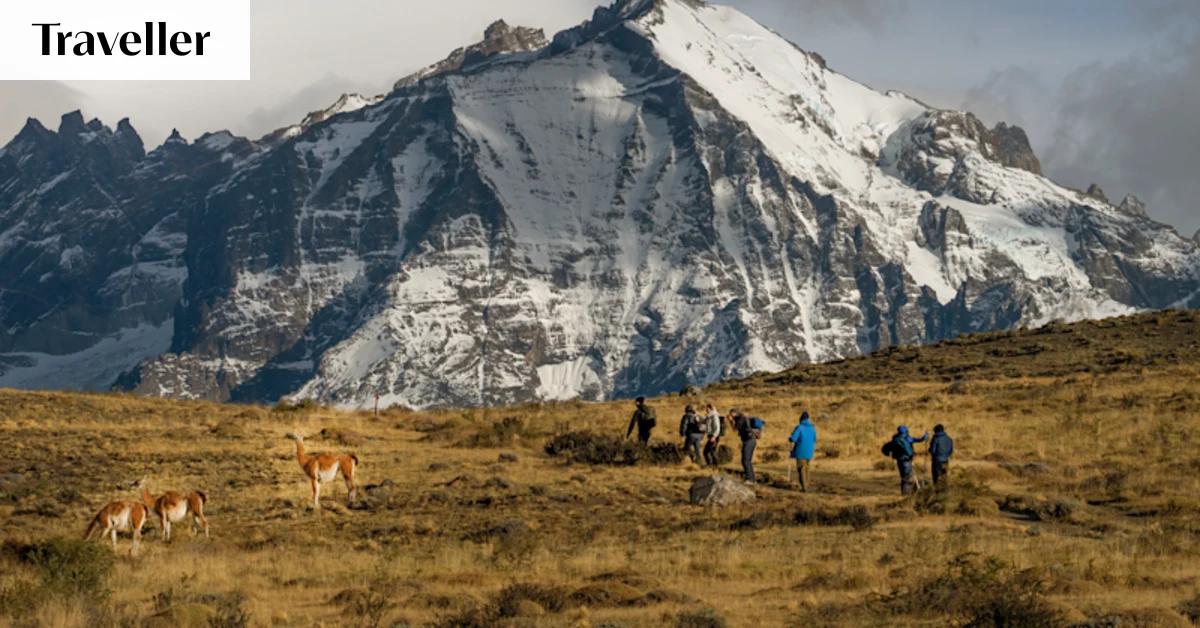
OpinionMark ChipperfieldJune 7, 2026 — 5:00amEvery walker knows that horrible moment when a gentle stroll morphs into an epic outdoor drama. For me, this happened in 2012, during a long hike into the Andes. High above the snow line, I am slipping off the mountain path as my boots struggle to grip the frozen terrain.“Come with me,” shouts my guide Jose, as he plunges into the windswept forest. A few minutes later, Jose, a jovial Chilean, holds up a few strands of barbed wire, which he fashions into a pair of crampons.Illustration: Jamie Brown“Perfect,” I declare, thumping him on the back, confident that I will now return safely to my family in Australia with tales of Patagonia and its pumas, condors, glaciers, fjords and hard-living gauchos.As the saying goes: “There is no such thing as bad weather, only inappropriate clothing.”Ice, snow and exposure are not the only dangers facing hikers in the Patagonian Andes, where wind speeds of more than 150km/h have been recorded. “Sometimes,” says Jose, pausing for extra effect, “the wind is so terrible that it blows people off the mountain. Puff.”Sign up for the Traveller Deals newsletterGet exclusive travel deals delivered straight to your inbox. Sign up now.An element of physical danger, or at least discomfort, is an essential part of any great hiking adventure. The best trails do not simply traverse the world’s most glorious landscapes but also challenge the walker’s physical fitness, mental resolve and, yes, willingness to endure pain.Physical danger, or at least discomfort, is an essential part of a great hiking adventure.From blistered feet to leeches, rain-sodden socks, sunburn and stomach cramps (or worse), I have endured just about every indignity known to the hiking fraternity, but my passion for hiking is stronger than ever.My walking career began on Dartmoor, near our family farm in south-west England, but in my teenage years, I graduated to the higher peaks of the Lake District, and Snowdonia and the Black Mountains in south Wales. In later years, I tackled celebrated multi-day treks, such as Camino de Santiago in Spain, New Zealand’s Heaphy Track and the Overland Track in Tasmania.My greatest walking achievement was completing a 270-kilometre trek across the mountains of Slovenia, following the route taken by 120 Allied prisoners of war in 1944 and led by Ralph Churches, a true Aussie hero.The Blue Mountains is a popular among Sydney hikers.As a newly minted Sydneysider, I spent most weekends hiking in the Blue Mountains and Royal National Park before venturing further afield to the Barrington Tops, Mount Kosciuszko and Lord Howe Island.The health benefits of walking are well-documented and widely known, but the dedicated hiker who spends days (or weeks) in the wilderness is often treated with suspicion – sometimes ridicule. Far from being eccentric loners escaping the clutches of modern society, most people you encounter on The Overland Track or the Camino de Santiago are gregarious and well-read, but inspired by a sense of adventure and a love of wild places.In essence, walking is a simple matter of putting one foot in front of the other but, as our ancestors knew, walking with purpose is also about divesting yourself of life’s burdens and finding an inner peace.The natural world has inspired countless poets, from Geoffrey Chaucer to Robert Frost. “Come forth into the light of things, Let Nature be your teacher,” wrote William Wordsworth, who popularised fell walking in the Lake District long before Gore-Tex jackets and light-weight hiking boots.I’m perplexed and saddened when I meet someone who has never been hiking (or tramping), because walking is one of life’s simple, elemental pleasures – a rare chance for self-reflection and meditation. For hikers, the best moment comes at the end of another torrid day on the track. Cold, tired and miserable, you vow never to do this again. Ever. But you always do.From our partners
Hiking leaves me cold, tired and miserable. I always come back for more
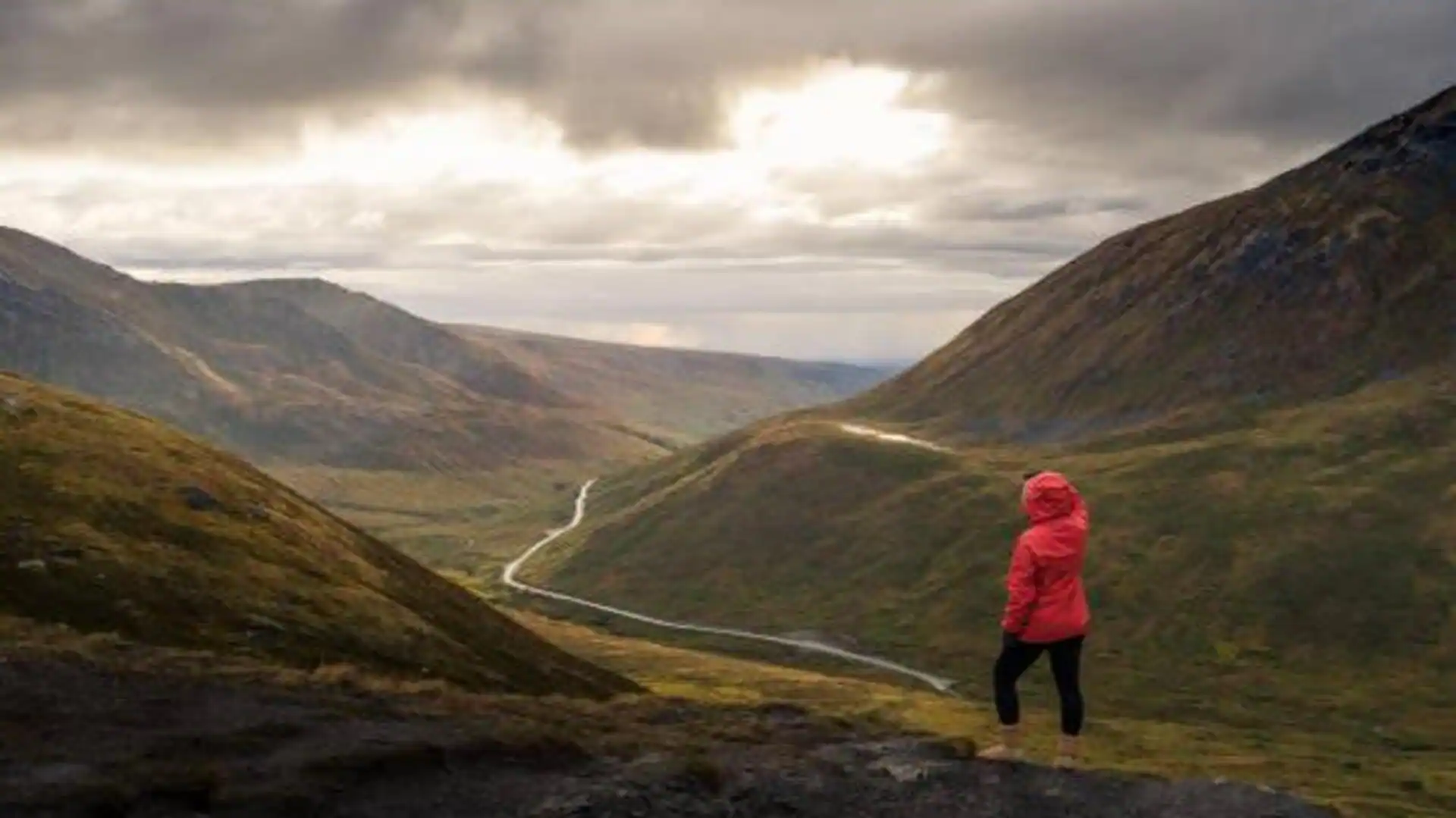
The best trails don’t just showcase glorious landscapes; they challenge your physical fitness, mental resolve, and willingness to endure pain.
640 words~3 min read