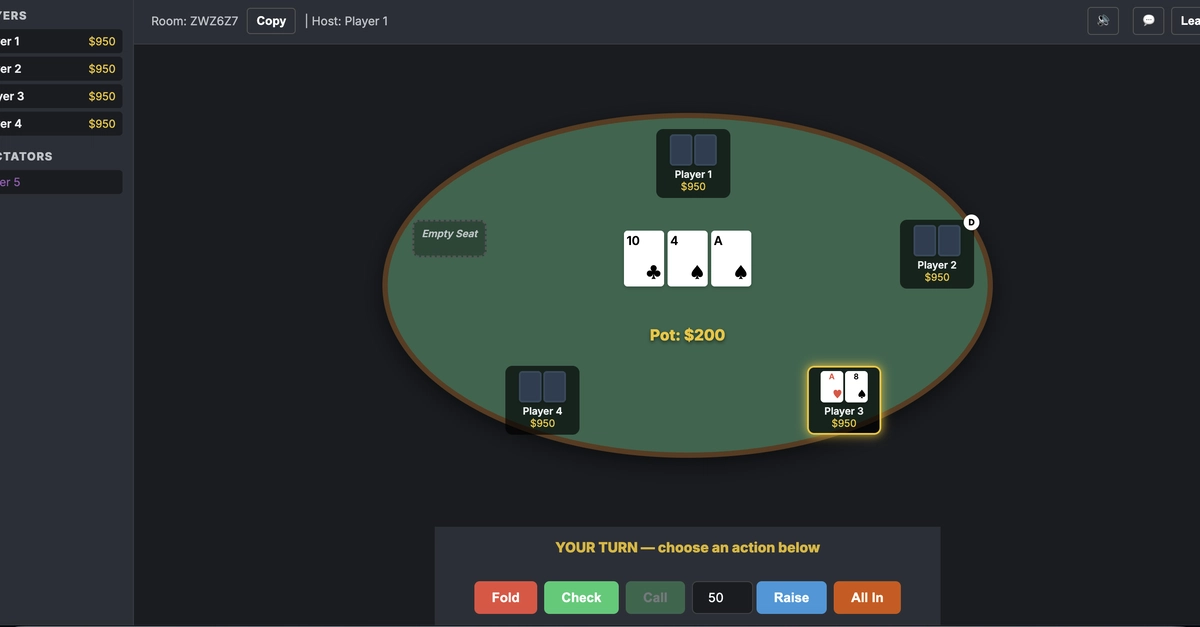
Developing a poker application requires a rigorous architecture that balances real-time low-latency gameplay with strict cryptographic security and regulatory compliance. The core challenge lies in synchronizing game state across thousands of concurrent players while ensuring the Random Number Generator (RNG) is certified, the network is anti-collusion hardened, and the financial ledger is immutable.
Core Architecture Overview
Modern poker apps typically follow a microservices architecture to decouple the game logic from the user interface, payment processing, and analytics. The system is generally split into:
Game Server (Matchmaking & Logic): The authoritative source of truth for the game state.
Signal Server (WebSockets): Handles the persistent connection for real-time events.