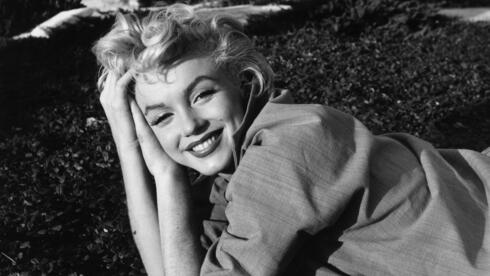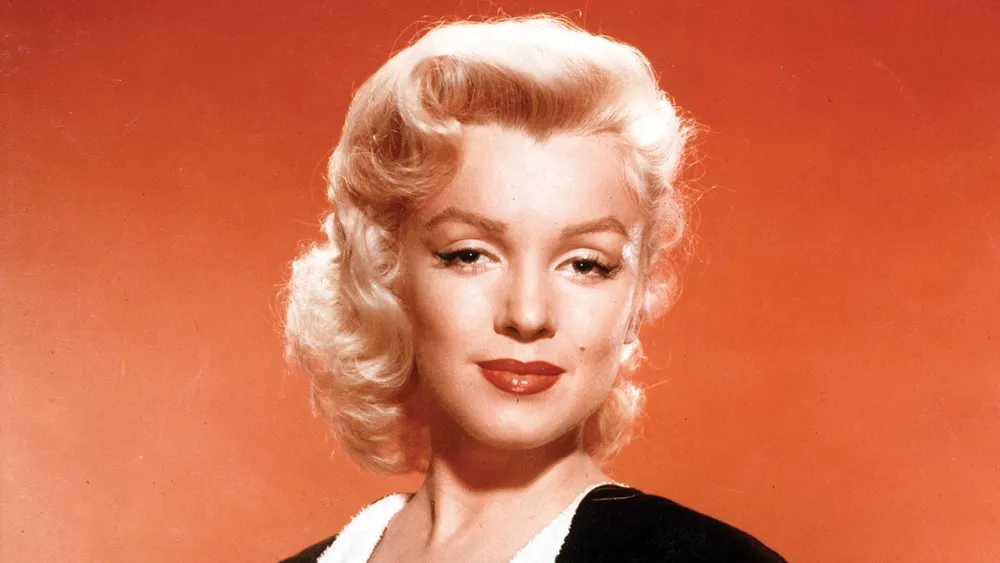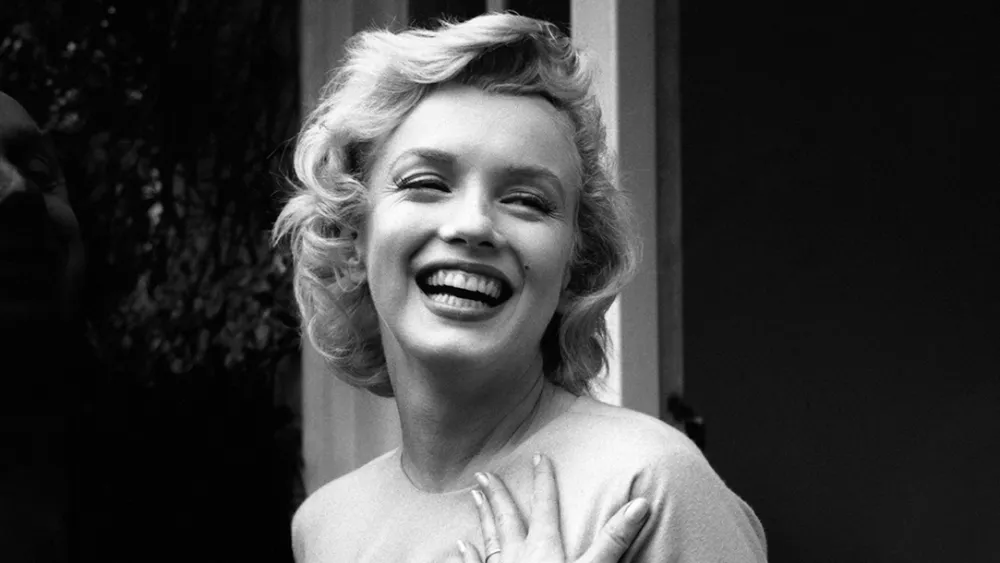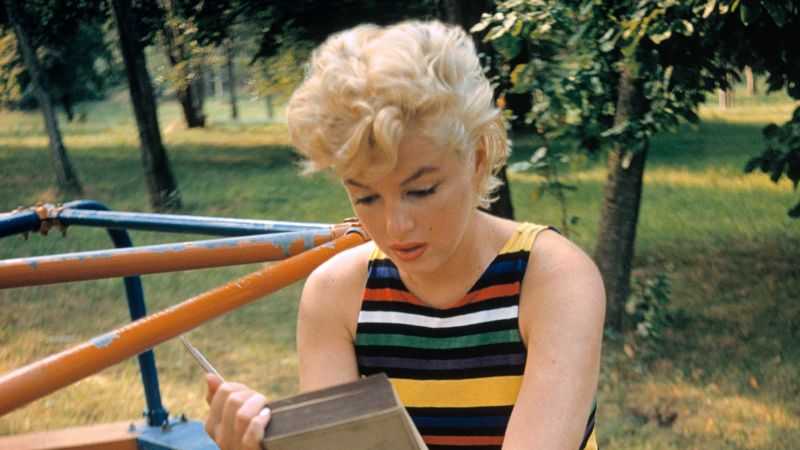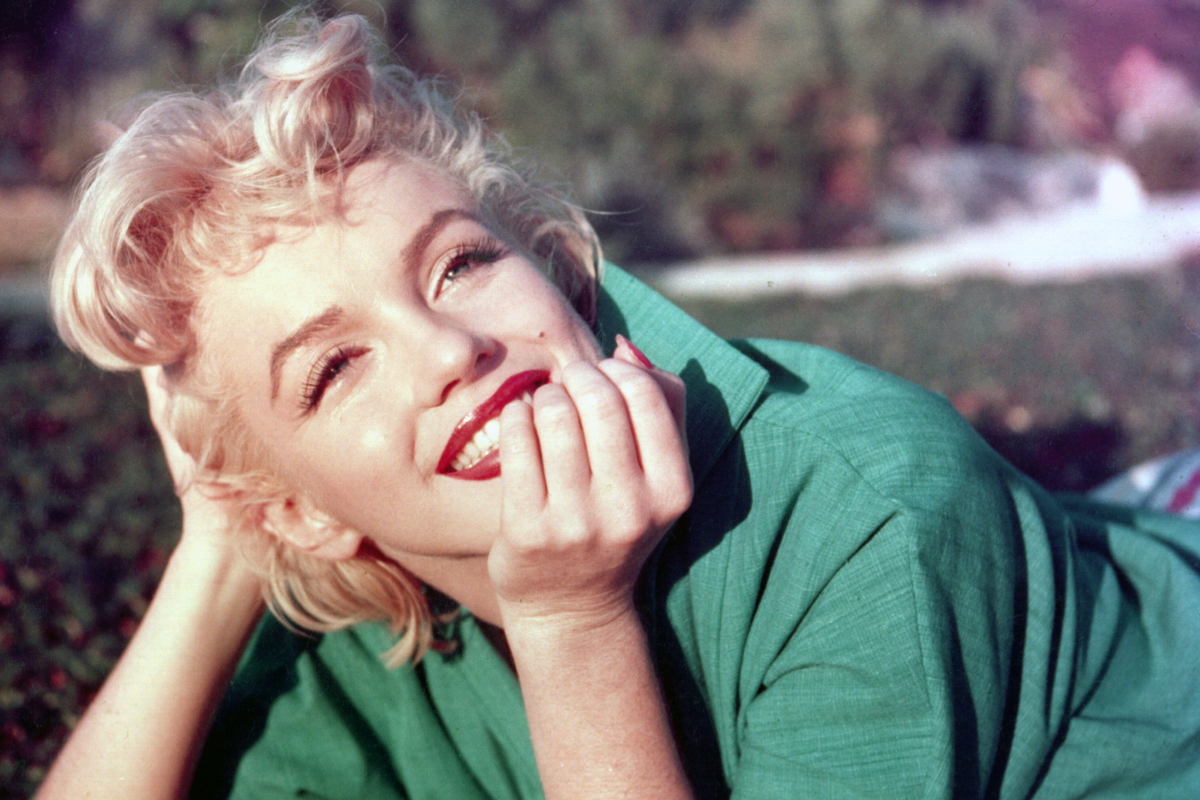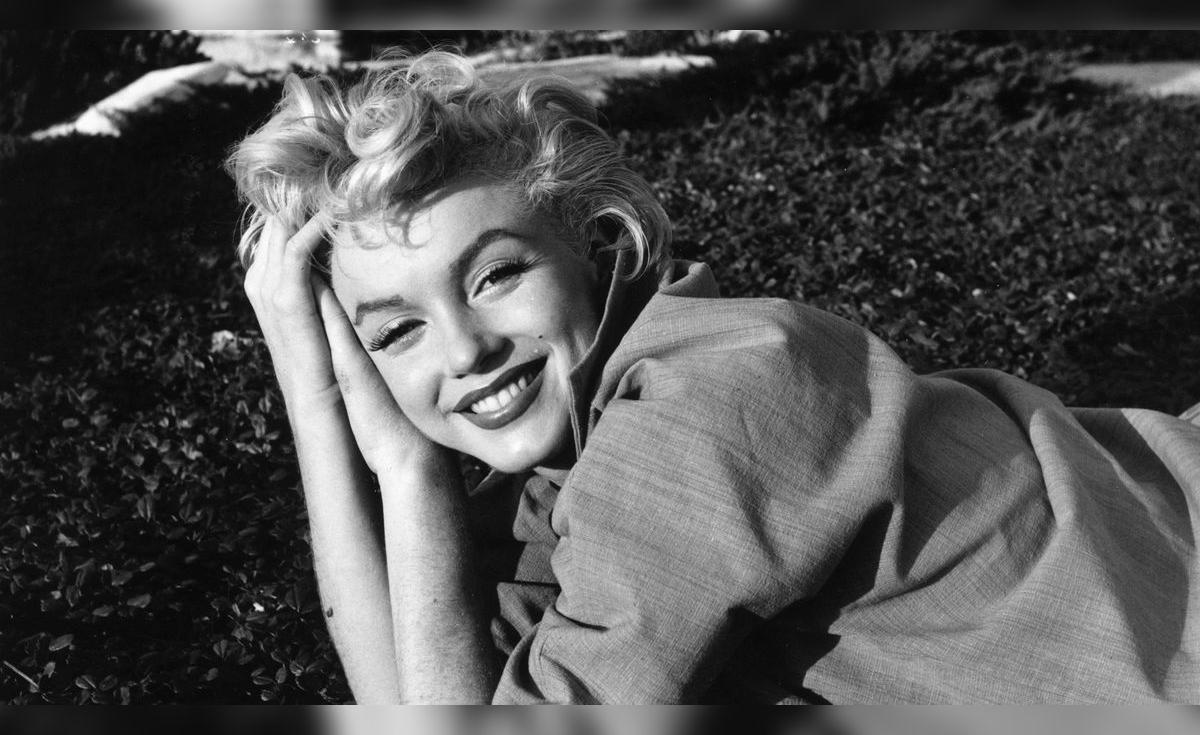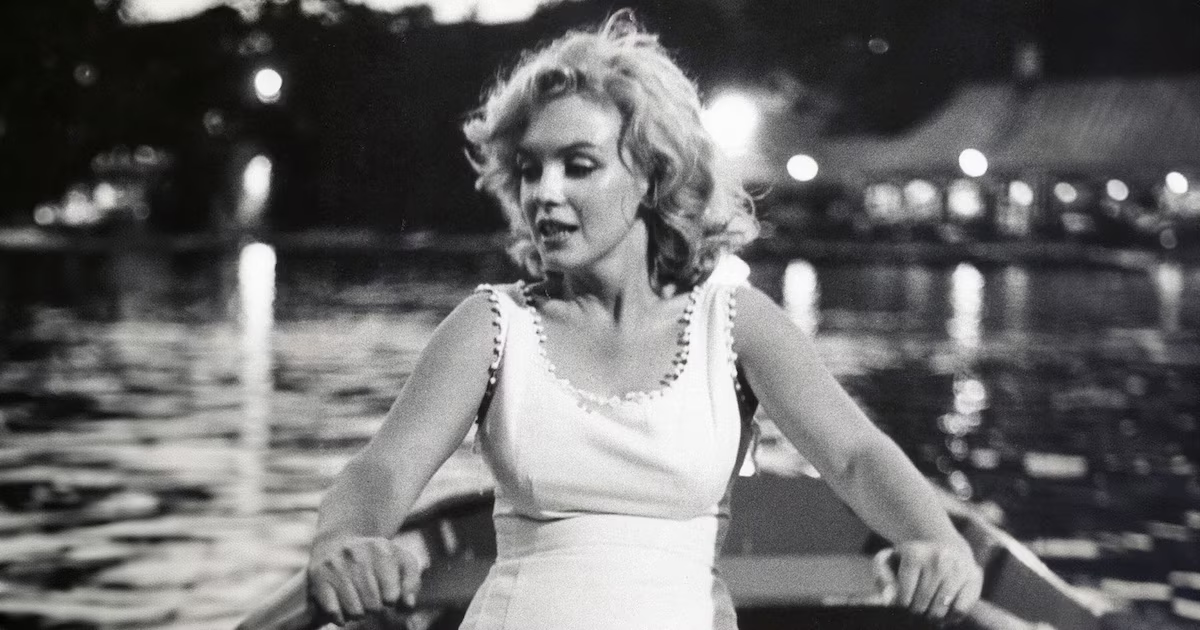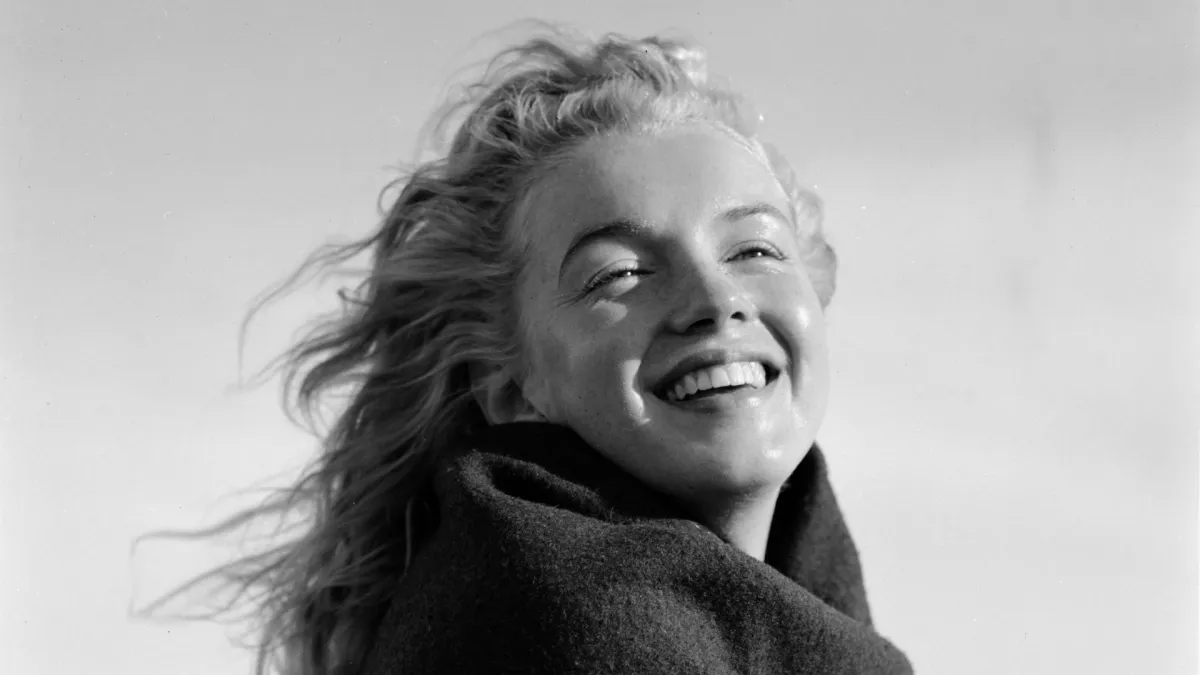
A voracious reader of Joyce and Dostoevsky, a pioneering feminist who founded her own production company and a star who tested her allure by walking the streets unrecognized, Marilyn Monroe remains as fascinating as ever 100 years after her birthShe trademarked sex appeal and blonde glamour, became the most famous female icon of all time and remained forever enigmatic. This week marks 100 years since the birth of Marilyn Monroe, a one-of-a-kind screen legend who entered the world as Norma Jeane.“Marilyn Monroe was a goddess shrouded in mystery: on the one hand, a desirable, stunning woman whose physical presence was electrifying, yet also a frightened child who never truly overcame the traumas of her childhood,” cultural researcher Dr. David Gurevich writes in his Encyclopedia of Ideas.5 View gallery (Photo: Screen Archives, Getty Images)“Everything we do know about Marilyn Monroe comes nowhere close to exhausting the unresolved mystery that surrounded her,” Dr. Gurevich says, adding that any attempt to understand her through that mystery must avoid clichés, “because mystery cannot be a cliché.”So that mystery was the source of her magic?
“Absolutely. In many photographs taken throughout her life, especially private moments rather than glamorous ones, you see an attractive, fit woman, but not perfect, not especially tall, not extraordinarily beautiful. What she projected was a combination that felt like a gift from the gods: vulnerability and sensitivity, gentleness and innocence, along with captivating eyes. Through that inexplicable combination, she managed to mesmerize everyone around her.”Indeed, beneath the dreamy gaze and flirtatious sexuality, Monroe wore a sophisticated and subversive feminism that ultimately helped her beat men at their own game — power and money.“Marilyn Monroe was a complex, sharp and courageous woman who understood both the power of image and the price it exacted,” says Dr. Yaara Keydar, a fashion historian and curator. “She knew the world wanted her to be a fantasy — blonde, seductive and easy to consume — while constantly trying to break free of that role and demand depth, recognition and control for herself.”Western culture then, as now, tended to assign less value to women associated with beauty, charm and sexuality.“In Monroe’s case, the way people treated her was almost a cultural defense mechanism. It was easier to see her as a body, a joke or a fantasy than to acknowledge that she was an intelligent, hardworking, studious and ambitious woman,” Dr. Keydar says.Yonatan Gat, a communications lecturer at Tel Aviv University and researcher of cultural icons, agrees that people remain fascinated by Monroe because of the contradictions she embodied.“On the one hand, she was sexy and a sex symbol. On the other, she had such an innocent look. She was a star who understood media and constantly basked in front of cameras and flashing bulbs, yet she was also a very shy woman.” And it was not only the public who were drawn to her complexity. Her romantic partners likely were as well.“Broadly speaking, she fulfilled every fantasy men wanted in a woman — a lost girl in the woods whom they could save and guide. Yet she was anything but naïve. She posed partially nude for Playboy and projected desirability and power. That combination pushed male buttons like no woman before her,” Gat says.It was not only her partners. Hollywood’s arrogant and controlling producers also believed they knew how to manage a woman who had been an abandoned child, a victim of sexual abuse, perceived as a frivolous starlet and iconic sex symbol, but who in reality was strong and independent.They tried to force her into molds they had created for her and assumed they would succeed. Instead, Monroe, at a young age and despite the poor hand life had dealt her, skillfully spun the wheel of fortune in her favor.In the 1950s, for example, while most women were still expected to remain in the kitchen, Monroe founded her own production company, a subversive and almost unthinkable move for a woman in Hollywood at the time.“Her feminism was evident in her professional courage and business acumen. Her rebellion stemmed in part from staggering pay disparities. In *Gentlemen Prefer Blondes*, for example, she earned only a fraction of what men in Hollywood were making, despite being the real box-office draw,” Dr. Keydar says.“In 1955, at just 29 years old, she and photographer Milton Greene founded Marilyn Monroe Productions, an independent production company, at a time when actresses were completely bound to the studio system. She served as company president and held a 51% stake, an unprecedented move for a Hollywood star of that era.“Her rebellion succeeded spectacularly. Twentieth Century Fox was forced to concede and signed her to a new contract that granted her an enormous salary, artistic freedom and veto power over directors and scripts. It was a completely conscious act and a profound declaration of her right to define herself — and it happened 70 years ago.”5 View gallery Marilyn Monroe on the cover of Laisha magazine, 1954 Marilyn Monroe Productions was her rebellious response to the powerful Hollywood producers who insisted on casting her as a ditzy blonde while she dreamed of, and ultimately succeeded in becoming, a serious actress and consummate professional. She traveled to New York specifically to study at Lee Strasberg’s renowned acting school and later produced her own film in London.Acclaimed novelist and playwright Savyon Liebrecht extensively researched Monroe while writing a play about the relationship that developed in London between Monroe and psychoanalyst Anna Freud, daughter of psychoanalysis founder Sigmund Freud.How did Marilyn Monroe end up with Anna Freud in London?